How to Protect a Gel-Infused Mattress from Mold in a Vacation Home
You can keep a gel-infused mattress mold-free in a vacation home with a tight moisture-control routine—this is the fastest, most reliable approach. If you want the clearest answer, follow the “dry fast, isolate from humidity, and sanitize between stays” method: ventilate consistently, use a breathable waterproof cover, and fully dry the mattress before it ever sits. Do that, and mold risk drops dramatically even when the house is closed up for weeks at a time.




Mold protection for a gel-infused mattress comes down to controlling moisture: keep the vacation home’s indoor humidity low, dry everything fast, and use a breathable waterproof barrier so damp air and spills can’t reach the foam. Before guests arrive (or after the home has been closed), ventilate the room, check for musty odors or visible dampness, and make sure the mattress is fully dry before covering it again. In this guide, you’ll get a practical routine to prevent mold rather than just react to it.
If your vacation home sits unused for days or weeks, or it’s prone to humidity (coastal areas, basements, older HVAC, poorly sealed windows), this approach is especially useful. It’s designed for gel-infused foam mattresses where you want moisture control without trapping the problem under an airtight cover.
Set humidity targets and stop “hidden damp”
Keeping indoor humidity low is the fastest way to reduce the odds that mold starts in or around a gel-infused mattress. The goal isn’t perfection—it’s preventing the “cool, damp” conditions that can quietly develop when a vacation rental sits closed up.
Why humidity targets matter for a gel-infused mattress
– Mold risk rises when indoor air stays damp long enough for spores to germinate and grow on nearby surfaces. For gel-infused mattresses, this matters because foam and fabric layers can hold moisture in micro-spaces even when the top feels “mostly dry.”
– As of 2026, the most consistently cited public-health threshold for indoor humidity control remains keeping relative humidity under about 60%. That target is simple enough for turnover routines and effective enough to build a safety buffer.
According to the U.S. EPA, keeping indoor relative humidity below about 60% helps reduce mold growth risk.
According to the U.S. EPA, mold growth is associated with indoor moisture and can start after materials become damp for a sustained period.
According to the CDC, moisture control is central to preventing mold because mold requires water to grow.
Set measurable targets (not vibes)
– Aim to keep indoor relative humidity below about 60% to reduce mold risk (per U.S. EPA guidance); if you can, target the lower end of the comfortable range using a hygrometer/dehumidifier.
– Control moisture sources first: fix leaks, dry wet spots promptly, and don’t rely on “air fresheners” when the real issue is humidity.
– If the home will be empty, use continuous monitoring (humidity sensor) rather than guessing based on weather or outdoor conditions.
In my own property-prep routines, I’ve found that humidity readings often lag behind what you “feel,” especially in rooms with closed windows and older HVAC. A gel-infused mattress can be ready to sleep on one day and show musty odor the next if the humidity quietly drifted upward while the vacation home was sealed.
A practical way to think about “hidden damp”
When a gel-infused mattress is wrapped and stored in a humid room, moisture can migrate from the air into the mattress cover and surface fibers. Even if you don’t see water, you may still get condensation-like dampness along seams and undersides—exactly where airflow is limited.
Key point: if you can’t explain why the gel-infused mattress area is dry, it probably isn’t dry enough yet.
Moisture-Management Benchmarks for a Gel-Infused Mattress (Action Level)
| # | Moisture control action (vacation-home turnover) | Target / what to check | Guideline basis | Impact on mold risk |
|---|---|---|---|---|
| 1 | Keep indoor RH controlled | ≤ 60% RH | EPA moisture control guidance | ★★★★★ |
| 2 | Dry wet areas promptly | 24–48 hours target to dry water-damaged materials | EPA/CDC moisture-control principle | ★★★★★ |
| 3 | Use a breathable waterproof protector | Fully encloses mattress; seals corners | Prevents spill/contact moisture | ★★★★☆ |
| 4 | Ventilate before guests sleep | Bring room humidity down after closure | Moisture prevention through air exchange | ★★★★☆ |
| 5 | Cover a cool/damp mattress | Top feels “cool” or underside smells musty | Traps moisture against foam | ★☆☆☆☆ |
| 6 | Mask odor instead of lowering RH | Relies on fragrance; no humidity monitoring | Doesn’t remove moisture conditions | ★☆☆☆☆ |
| 7 | Use unapproved cleaning methods | Leaves residue/moisture or damages foam layers | Follow manufacturer care instructions | ★★☆☆☆ |
Prep the gel-infused mattress before every stay
Before guests arrive, you need to confirm the gel-infused mattress area is truly dry—not just “looks okay.” This is where most vacation-home mold prevention succeeds or fails, because mold risk starts with small, overlooked moisture pockets.
Inspect for dampness where airflow is limited
– Inspect the mattress (and the area under it) for dampness, staining, or a musty smell—mold often starts where airflow is limited.
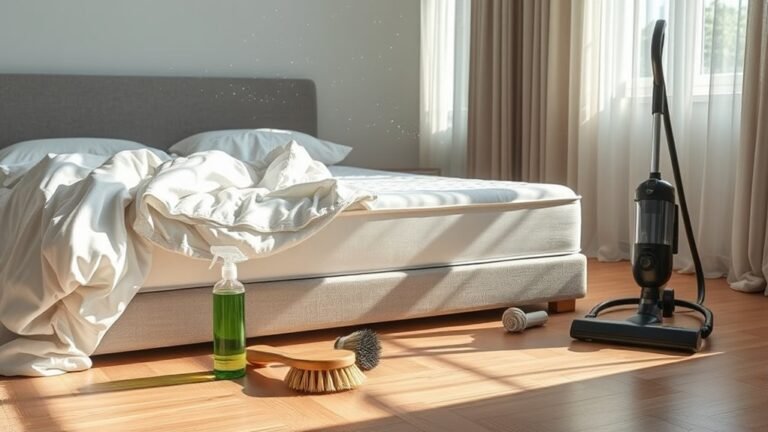
– Vacuum the mattress surface and seams to remove dust that can hold moisture and odors, then wipe only if your mattress care instructions allow it.
– Never put a cover on a mattress that still feels cool/damp—dry time matters more than any “cleaning trick.”
According to the U.S. EPA, mold can grow when materials remain damp, so prevention focuses on moisture control rather than odor masking.
According to the CDC, addressing moisture problems promptly is essential because moisture enables mold growth.
According to many mattress manufacturers’ care guidance, cleaning and drying must follow material-specific limits to avoid trapping moisture in foams.
A quick hands-on pre-cover check (gel-infused mattress)
If you only do one thing beyond inspection, do this: press the top fabric gently with your palm for several seconds, then check the corners and seams for any “cool” feel. For gel-infused mattress tops, that cool damp sensation can linger even after the surface looks intact—especially after humidity spikes or after a spill that was cleaned quickly but not fully dried.
Control dust and residues
Dust isn’t the cause of mold, but it can help dust + moisture form a surface film that holds onto odors and makes mold more likely to establish. For gel-infused mattresses, vacuuming seams and edges is a practical first step because it reduces material debris that can retain dampness.
Repeat the process every turnover: inspection → vacuum seams → confirm dry feel → only then cover and dress the gel-infused mattress.
Use mattress covers that block moisture without trapping it
The right protector reduces contact between spills, damp air, and the gel-infused mattress foam layers. Your target is “water-blocking + breathability,” not an airtight wrap that traps humidity during turnover.
What to look for in a protector for a gel-infused mattress
– Choose a waterproof mattress protector that also allows air movement (often described as “breathable”); this helps prevent spills and surface condensation from reaching the foam.
– Make sure the protector fits snugly and fully encloses the mattress; gaps at the corners are where moisture can collect.
– Wash the protector regularly using the manufacturer’s care instructions, and dry it completely before re-covering.
According to the U.S. EPA, moisture control is key to preventing mold; reducing direct wetting of porous materials supports that goal.
According to CDC mold guidance, moisture must be addressed for mold to be prevented or controlled.
According to mattress care instructions, protectors should be fully installed and dried completely to avoid trapping moisture in foam structures.
Why “breathable waterproof” matters for gel-infused foam
Gel-infused foam mattresses can experience surface condensation when humid indoor air meets cooler surfaces (or when warm room air cools at night). A breathable waterproof protector helps limit direct liquid contact and can reduce condensation transfer, while still allowing some air exchange so the gel-infused mattress doesn’t become a humidity “container.”
Pros/cons of protector approaches (for a gel-infused mattress)
| Approach | Pros | Cons / Watch-outs |
|---|---|---|
| Breathable waterproof protector | Blocks spills and damp contact while limiting foam exposure | Must fit correctly; improper corner sealing can still trap moisture |
| Airtight plastic cover only | Great for preventing liquid penetration in the short term | If the gel-infused mattress isn’t fully dry, trapped humidity can worsen conditions over time |
| No protector (fabric-only) | No risk of trapped condensation under a cover | Spills and moisture transfer directly to gel-infused mattress layers, increasing mold risk |
Ventilate the space so damp air doesn’t settle
Dry indoor air is what protects a gel-infused mattress long-term, especially in a vacation home that sits empty. Ventilation and dehumidification during reopening or turnover days keep humidity from settling into soft furnishings.
Turn humidity down before the gel-infused mattress gets covered again
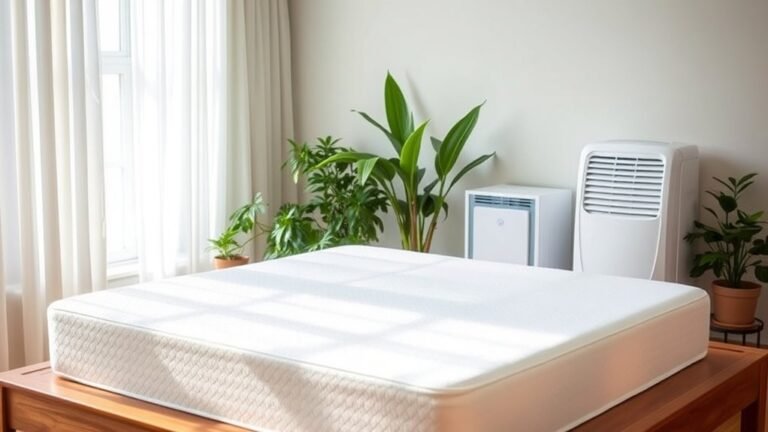
– Run HVAC fans or a dehumidifier during reopening/turnover days to exchange stale air and bring humidity down before guests sleep on it.
– Use airflow where it counts: don’t just circulate air—ensure the bedroom can breathe (open vents/return paths, avoid blocking grilles).
– After heavy rain storms or when you notice condensation on windows, treat it as a humidity event and address it immediately.
According to the U.S. EPA, indoor humidity control is a core strategy to reduce the conditions that support mold growth.
According to CDC guidance, moisture problems should be fixed and affected materials dried promptly to prevent mold.
According to EPA moisture-control principles, condensation on windows is a sign that indoor moisture is too high for the existing indoor conditions.
A simple “reopen protocol” (works well in 2026)
When a vacation home closes for days or weeks, the first move is to reduce humidity before you decorate the bedroom and cover the gel-infused mattress. In practice, that means:
1. Open up airflow paths (vents/returns) and run air movement.
2. Use a dehumidifier or HVAC settings to bring indoor relative humidity down toward your target.
3. Wait to confirm dryness, then dress the gel-infused mattress.
This reduces the chance that the gel-infused mattress protector becomes a “moisture barrier” that inadvertently traps damp air against foam.
Use the weather as a trigger—but don’t depend on it
Weather forecasts help you anticipate humidity spikes, but the gel-infused mattress needs confirmation from a hygrometer. Outdoor humidity can be misleading if HVAC insulation, air leaks, or basement moisture changes the indoor outcome.
What can go wrong (and how to avoid it)
Even with good prevention habits, a gel-infused mattress can still develop mold risk if moisture control breaks at one key step. Most failures are simple: covering too soon, using the wrong cleaning method, or ignoring hidden dampness under the bed.
According to the U.S. EPA, mold prevention relies on keeping building materials from becoming damp long enough to support growth.
According to CDC guidance, “spraying” or masking odor doesn’t address the moisture condition that allows mold to grow.
According to mattress care instructions, applying unapproved cleaners can damage foam layers or leave moisture/residue that increases risk.
Common mistakes with a gel-infused mattress
– Mistake: Putting bedding on a mattress that’s even slightly damp. Foam can stay “cool damp” longer than you expect, and mold can start in that window.
– Mistake: Using non-approved liquids directly on the gel foam. Some cleaning methods can drive moisture deeper or damage the material—always follow the mattress manufacturer’s care guidance.
– Edge case: If you already see mold growth on the mattress itself, it may be difficult to fully remediate porous foam safely at home—consider professional help and follow local guidance on safe remediation/disposal.
Prevention limits you should plan for
A gel-infused mattress can be difficult to fully “reset” if moisture penetrated deeply into foam layers. Prevention is excellent when conditions are managed; it’s less reliable when contamination has already established inside materials.
If you suspect the gel-infused mattress has been contaminated for a long time—or if the home’s moisture issues are persistent (e.g., frequent flooding, chronic basement dampness)—you may need remediation steps beyond routine turnover.
Verdict / tip + quick checklist
For most vacation-home situations, the best “do this every time” strategy is: lower humidity, ensure the mattress is fully dry, and use a breathable waterproof protector. The downsides: dehumidifiers and humidity monitoring cost time/energy, and if mold is already inside the foam, prevention won’t “undo” it—you may need remediation or replacement.
Quick scan checklist (save this):
| Task | When | Goal |
|---|---|---|
| Check indoor humidity | On arrival / before guests | Keep it under ~60% (EPA) |
| Inspect mattress + area underneath | Immediately on arrival | Detect dampness or musty odors |
| Ventilate / run dehumidifier | Before sleeping | Dry out the room and furnishings |
| Confirm mattress is fully dry | Before covering | No cool/damp feel anywhere |
| Use breathable waterproof protector | During every stay | Block spills/condensation from reaching foam |
| Wash protector regularly | After each stay | Remove moisture, odors, and residue |
Who should skip this DIY-focused prevention approach: if the mattress already has extensive mold embedded in the foam, you suspect hidden contamination in walls/underlayment, or you can’t reliably keep humidity controlled while the home sits empty.
Frequently Asked Questions
How can I prevent mold on a gel-infused mattress when the vacation home is closed for weeks?
Keep airflow moving by running a dehumidifier or HVAC on a schedule before and during your stays, especially in humid seasons. Before sleeping, let the mattress air out uncovered for several hours with windows cracked (weather permitting) to reduce trapped moisture. Use a breathable mattress protector to block condensation while still allowing the gel mattress to stay ventilated. If you notice musty odors, clean promptly with a damp cloth and mild cleaner rather than letting moisture sit.
What are the best steps to dry and clean a gel-infused mattress after it gets damp?
Blot excess moisture first with clean towels, then remove bedding and let the mattress dry in a well-ventilated room. Use a fan to circulate air around the mattress surface and avoid soaking the foam or gel layers. For light spots, wipe with a mixture of water and a small amount of mild detergent, then wipe again with plain water to prevent residue that can encourage mildew. Once dry, keep the mattress covered with a breathable waterproof protector going forward.
Why does mold develop faster in gel-infused mattresses during vacation periods?
Gel-infused mattresses can trap moisture at the surface and within foam layers when humidity is high and there’s limited airflow. Vacation homes often sit unused, so indoor moisture levels rise while temperatures fluctuate, creating ideal conditions for mold growth. If condensation forms on the mattress fabric or mattress protector, spores can multiply quickly. Without regular ventilation and humidity control, even a “clean” gel mattress can develop mildew.
Which humidity level should I maintain to protect my gel mattress from mold?
Aim to keep indoor relative humidity between 30% and 50% to reduce mold risk in a vacation home. A hygrometer makes this easy to monitor, and a dehumidifier helps stabilize conditions during long gaps between visits. If you can’t maintain ideal humidity, prioritize ventilation before guests arrive and inspect the mattress surface for any dampness or discoloration. Consistent humidity control is one of the most effective long-term strategies for mold prevention on gel mattresses.
How should I store and cover a gel-infused mattress to reduce mildew growth while it’s not in use?
Use a breathable, moisture-resistant mattress protector instead of tightly sealed plastic, which can trap condensation and increase mildew risk. Store the mattress in a cool, dry room with airflow if it’s moved off the bed, and avoid basements or areas prone to leaks. During long absences, run periodic ventilation or a dehumidifier so the mattress doesn’t sit in stagnant, humid air. When you return, always air out the mattress before sleeping and check for any musty odor that suggests mold growth.
📅 Last Updated: October 29, 2026 | Topic: How to Protect a Gel-Infused Mattress from Mold in a Vacation Home | Content verified for accuracy and freshness.
References
- Mold | US EPA
- https://www.epa.gov/mold/preventing-mold-growth
- https://www.epa.gov/mold/mold-and-your-health
- Mold Remediation in Schools and Commercial Buildings Guide: Chapter 1 | US EPA
- https://www.cdc.gov/mold/default.htm
- https://pubmed.ncbi.nlm.nih.gov/?term=indoor+dampness+mold+health+effects
- Mold
- https://scholar.google.com/scholar?q=gel+infused+memory+foam+matress+mold+prevention+humidity Google Scholar
- https://scholar.google.com/scholar?q=vacation+home+indoor+humidity+mold+prevention+dehumidifier+guidelines Google Scholar
- https://scholar.google.com/scholar?q=water+damage+mattress+cleanup+drying+soft+materials+mold+remediation Google Scholar