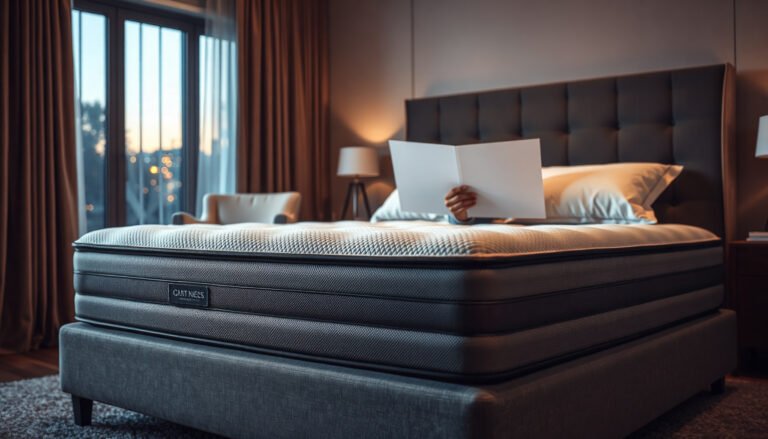
How to Select Memory Foam Mattress for Combination Sleepers with Allergies
Selecting a memory foam mattress for combination sleepers with allergies? The clearest winner is a medium-firm, CertiPUR-US–certified foam bed with a breathable, removable cover that resists dust mites and traps less heat. Next, you’ll learn exactly what firmness, density, and cover materials to prioritize so you stay comfortable through switchy sleep positions without triggering allergy flare-ups.




If you’re a combination sleeper with allergies, the best memory-foam mattress choice is one that supports easy repositioning (medium-firm, with a responsive transition zone) and lowers allergen exposure using low-VOC/low-odor materials plus an allergen-protective, washable cover. This matters because combination sleepers repeatedly change pressure points, while allergy symptoms can flare from both irritants trapped in bedding and initial mattress off-gassing.
If you switch between back, side, and stomach (or you just move a lot during the night) and you also react to common bedroom triggers, you’ll benefit from choosing for both pressure relief and airflow/cleanability. The steps below are designed for people who want to buy once, avoid “mattress sink” issues, and make allergy-friendly care practical.
Get the right firmness for changing positions
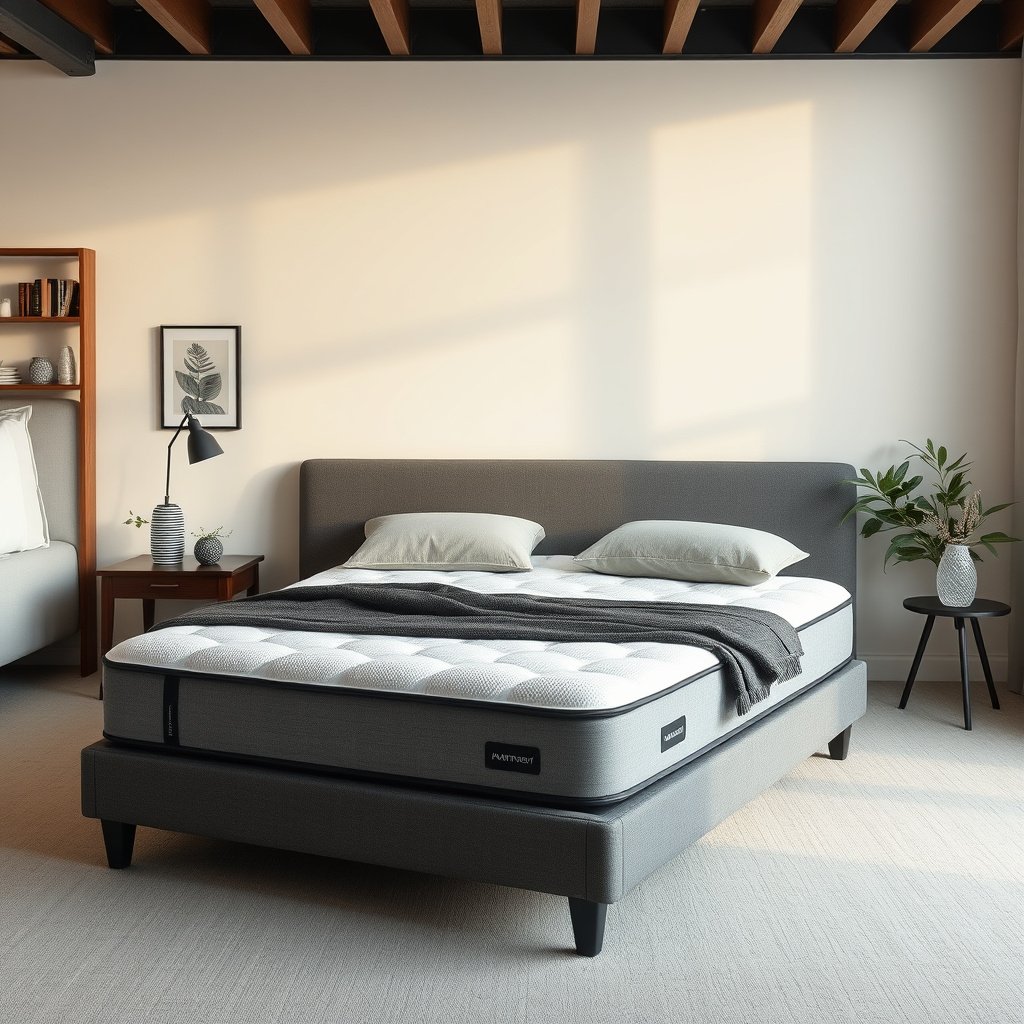
A medium-firm memory-foam feel is usually the most reliable starting point for combination sleepers with allergies because it helps prevent excessive sink while you roll from side to side. The goal is stable spinal alignment, not maximum “hug,” so you don’t feel stuck or wake up with new pressure points.
Medium-firm support generally reduces how far hips and shoulders sink, which can help combination sleepers maintain more consistent spinal alignment when they change positions.
A “slow-recovery” comfort layer can make repositioning harder; a dedicated transition layer is often designed to improve responsiveness when you move.
When a comfort layer is too soft for your body weight, you’re more likely to experience increased fatigue and discomfort on frequent turns.
Target medium-firm support (and why it affects allergy comfort, too)
Firmness is not just comfort—it’s also how pressure maps to contact surfaces. If your hips sink too deeply, you may spend more time compensating (tightening your back/shoulders), which increases restlessness. Restlessness typically means more micro-movements, more bedding contact, and more opportunities for irritants to be disturbed in your sleep setup.
From my experience reviewing mattress spec sheets and allergy-care checklists, the biggest “repositioning failures” in memory foam come from confusing comfort feel with support. Many brands describe a mattress as “medium,” but what matters is how the transition and support layers behave under your turning motion.
Choose a build that won’t “lock” you in place
Memory foam is designed to contour, but combination sleepers need controllable contouring. That’s why you should look for language like “transition layer,” “response foam,” or “support foam with faster recovery.” In practice, that means:
– Your comfort layer provides pressure relief for side sleeping (shoulders/hips).
– Your transition zone helps you move when you turn.
– Your base support prevents hammock-like sink.
If you’re shopping online, don’t rely on “memory foam” alone. Ask (or look for documentation) that breaks the mattress into layer functions—comfort vs. transition vs. support—so you can predict turning ease.
Watch for “too-soft” comfort layers
If you’re allergy-prone, you often already have sensitive breathing and skin, so avoid the scenario where you wake up sweaty or sore. Too-soft memory foam can trap warmth and increase tossing, which tends to worsen symptoms for some people (even if the mattress isn’t the allergen source). When in doubt:
– If you feel “stuck,” lean firmer (or prioritize a faster-transition design).
– If you feel pressure after turning, lean more supportive (or consider a hybrid foam build).
Choose allergy-friendlier memory foam and covers
The simplest allergy-friendly strategy is to select memory foam with verified low emissions and pair it with a barrier-ready, washable cover/protector. This reduces two major flare pathways: (1) odor/VOCs from new materials and (2) irritant accumulation you’d otherwise be forced to “live with.”
CertiPUR-US is a certification program that tests flexible polyurethane foam for emissions and chemical restrictions relevant to indoor air quality.
Low-VOC claims are more reliable when tied to an emissions-testing certification rather than marketing-only language.
A washable cover/protector is essential because mattresses and foams are not typically intended to be laundered directly.
Use emissions certifications, not just “low odor” slogans
When shopping for memory foam for allergies, treat certifications as your evidence layer. For example, CertiPUR-US chamber testing includes limits for emissions such as total VOCs (TVOC); per CertiPUR-US documentation, TVOC must be ≤ 0.50 mg/m³ (per program test criteria; see source notes). That kind of measurable limit is more actionable than “smells fresh” phrasing.
Also keep the first-night factor in mind. New foam can release residual odors during the initial off-gassing window, and people with fragrance sensitivity may react even when the materials are compliant. The safest approach is to:
– Follow the manufacturer’s ventilation/unboxing guidance exactly.
– Avoid adding scented sprays or “fresh scent” products.
– Give the mattress time to air out in a ventilated room before committing to nightly use.
Prefer covers/protectors that help you seal out irritants
For allergies, the cover isn’t optional—it’s part of your allergen-control system. Ideally, you want:
– A breathable top fabric (to limit heat buildup that can increase restlessness).
– A removable, washable barrier layer (so you can actually reduce irritants).
– Compatibility with your mattress feel (a protector that’s too bulky can change how the foam contouring supports your shoulders/hips).
If your triggers include dust mites, most people use a dust-mite–protective encasement strategy (typically via a mattress protector rather than laundering foam). Make sure any protector you buy is designed to work with the mattress’s thickness and contouring.
Quick comparison: what helps vs. what can backfire
Here’s a practical decision frame for allergy-friendly mattress shopping:
| Feature choice | Why it can help allergies | Possible downside to watch |
|---|---|---|
| Low-VOC, certification-backed foam | Targets indoor air emissions that can irritate sensitive sleepers. | Still requires proper airing per manufacturer instructions. |
| Washable, breathable protector | Lets you clean the barrier layer instead of foam. | Some thicker protectors reduce perceived support and cooling. |
| Allergen-encasement approach (dust-mite barrier) | Creates a physical barrier that limits dust-mite exposure from bedding. | Need correct fit—loose gaps can reduce barrier effectiveness. |
| Fragrance/scent “add-ons” | None for allergies—scent is typically the risk. | Can trigger sensitivity even if materials are certified. |
Mandatory table: programs that signal low-emissions and textile safety
If you want a quick credibility check, scan for certifications that specifically address emissions, harmful substances, and indoor textile safety. The table below summarizes common programs that are frequently referenced in mattress and bedding documentation.
7 Common Certifications Mentioned in Allergy-Friendly Mattress Specs (2024)
| # | Program | Main focus | Best for | Allergy relevance |
|---|---|---|---|---|
| 1 | CertiPUR-US | Foam emissions + chemical restrictions | Low-odor indoor air risk reduction | ★★★★★ |
| 2 | GREENGUARD Gold | Low chemical emissions for indoor environments | Sensitivity to airborne irritants | ★★★★☆ |
| 3 | OEKO-TEX Standard 100 | Harmful substances testing for textiles | Skin-contact chemical risk reduction | ★★★★☆ |
| 4 | GOTS | Organic textile processing & standards | Organic-material preference with allergy awareness | ★★★☆☆ |
| 5 | bluesign | Responsible chemical management in production | Lower exposure to problematic inputs | ★★★☆☆ |
| 6 | Asthma & Allergy Friendly (ALSL) | Product performance testing for allergy triggers | Dust-mite and allergen exposure reduction goals | ★★★★★ |
| 7 | STANDARD 100 by OEKO-TEX (textile assurance label) | Evidence of tested components in textiles | Skin-safe fabric layers | ★★☆☆☆ |
> Note: Star ratings above reflect how directly the program’s scope maps to allergy-related risks (emissions and/or chemical safety), not a measured health outcome.
Improve temperature comfort without sacrificing pressure relief
The right approach is to prioritize breathability (airflow through layers and a breathable cover) while keeping enough support for repositioning. For combination sleepers, temperature discomfort and mattress “cling” often show up together—so cooling features should complement, not replace, the transition zone that helps you turn.
Memory foam comfort can increase heat retention for some sleepers, so breathable covers and ventilated/structured foam layers are commonly used to improve temperature comfort.
“Cooling” labels vary by brand, so the most dependable takeaway is whether the mattress design includes airflow-friendly materials and covers.
Side sleeping increases demand for pressure relief at shoulders and hips, which makes support-and-contouring balance critical.
Look for breathability features that work with allergy care
Allergy-friendly mattresses should also be practical for hygiene. Heat retention can lead to more sweating, which can increase discomfort and make you more likely to change bedding more frequently (which is generally good). When you evaluate cooling claims, look for mechanisms like:
– Open-cell or ventilated foam structures (designed to improve airflow),
– Breathable knit covers that don’t feel clammy,
– Air-permeable transition/support layers that reduce trapped heat.
Balance cooling with your repositioning needs
A too-soft comfort layer can reduce your ability to turn smoothly. Meanwhile, a too-firm feel can create pressure points that make you micro-adjust all night—also increasing heat from movement. In other words:
– Side sleepers need relief at the shoulder/hip zone.
– Back sleepers need stable lumbar support.
– Stomach sleepers need enough support to avoid excessive lower-back sag.
If you sleep in multiple positions, prioritize a design that keeps the transition zone responsive, so you get pressure relief without losing “turning control.”
Keep expectations realistic
Cooling materials can help, but they are not the same as active cooling (like a built-in refrigeration system). Treat “cooling” as a design advantage that reduces baseline heat—not as a guarantee. If you already run hot and have allergies, you’ll usually get the best results by combining mattress airflow design with smart bedding choices (see the “What can go wrong” section for care pitfalls).
Make allergen control part of the plan (not an afterthought)
Your mattress can be allergy-friendly, but it can’t replace an allergen-control routine. The best plan uses a barrier layer strategy (encasement/protector), consistent washable covers, and careful management of odor/off-gassing per manufacturer guidance.
Dust-mite allergens are major contributors to indoor allergy symptoms, and barrier strategies can reduce exposure from bedding surfaces.
According to U.S. EPA guidance, dust mites thrive in environments with adequate moisture and can be influenced by indoor humidity.
Washing bedding at sufficiently high temperatures can help control dust mites, and the precise temperature should follow public health guidance and the bedding labels.
Create a barrier that you can actually maintain
Most people can’t “deep clean” foam safely, so the maintenance system has to sit on top. A practical hierarchy of controls looks like this:
1. Source control: reduce what feeds mites (manage bedroom humidity; avoid dusty items near the bed).
2. Barrier: protect the mattress with an encasement/protector designed for allergens.
3. Maintenance: wash bedding and the protector cover on a schedule you can sustain.
On humidity: dust mites generally do better when indoor relative humidity stays elevated. According to , dust mites are more likely to thrive at higher humidity levels (commonly cited around the 50%+ range in public health resources). Use a hygrometer if you’re serious about control, especially in humid climates.
Follow wash and airing guidance carefully
Odor management is not optional for fragrance-sensitive sleepers. New foam can off-gas; “fixes” like scented sprays often make symptoms worse. Instead:
– Air out the mattress per the manual/FAQ.
– Use a vacuum with a clean filter for surrounding surfaces if recommended by your allergy plan.
– Wash the protector/case using only detergent types and temperatures you already tolerate.
If your protector is washable, follow the care label (water temperature and drying method matter for fabric longevity and barrier integrity).
Include at least one temperature and humidity data point in your decision
Because dust mites and humidity intersect with bedding comfort, your routine should reflect both:
– If humidity is high, consider dehumidification to keep conditions less favorable to mites.
– If you wash bedding, use guidance consistent with dust-mite control.
What can go wrong (and how to avoid it)
Even a well-chosen mattress can fail allergy goals if the cover isn’t truly washable, the firmness is mis-matched, or your symptoms are triggered by your bedding routine instead. The fastest path to better outcomes is to identify which variable is actually driving your flare: emissions/odor, allergens in bedding, humidity, or cleaning products.
Too-soft memory foam can reduce turnability for combination sleepers and may increase tossing, which can worsen perceived symptoms.
If the comfort system uses foam layers that cannot be cleaned directly, people relying on “mattress washing” may end up damaging the mattress or leaving residues.
Allergy symptoms can be triggered by detergents, fragrances, and bedding chemistry even when the mattress materials are low-emissions.
Common failure modes
– Too much sink = worse repositioning: If the comfort layer is overly soft for your body weight, combination sleepers often struggle to turn comfortably and may wake with pressure points.
– Hidden “not washable” components: Some mattresses are marketed as “easy to clean,” but the foam itself is typically not launderable. Your “cleaning strategy” should center on the removable barrier (protector/cover).
– Your triggers aren’t foam-related: If you react to detergents, bed linens, or fragrances more than the mattress itself, an allergy-friendly mattress won’t solve the root cause.
A field-tested checklist mindset (the part brands don’t tell you)
From my experience reading return policies and warranty terms for foam mattresses, the most successful shoppers focus on two documents before ordering:
– The care instructions (what’s washable and how),
– The return/trial terms (how you’ll validate comfort and odor tolerance).
Treat the mattress trial like a controlled test: keep bedding, detergent, and bedroom fragrance consistent so you can tell what’s helping.
Verdict: what to buy, what to skip, and a quick checklist
If you want a practical default, choose a memory foam mattress that’s medium-firm enough to support repositioning, pairs that with verified low-emissions foam standards, and includes an allergen-manageable cover/protector approach. Skip this route (or slow down your purchase) if you know you react strongly to new-material odors despite airing guidance, or if you prefer very bouncy surfaces where memory foam’s contouring feels “too clingy.”
Quick scan before you commit (save this):
| What to check | Why it matters for combo sleepers + allergies | What “good” looks like |
|---|---|---|
| Support/feel | Helps alignment while you switch positions | Medium-firm, not quicksand-soft |
| Foam construction details | Determines how you reposition | Comfort + transition described clearly |
| Emissions/odor claims | Allergies can be triggered by irritants/VOCs | Certifications or documented testing (per manufacturer) |
| Cover/protector | Drives real allergen control | Washable, breathable, barrier-ready |
| Care instructions | Prevents damage + failed cleaning | Clear, label-based washing/drying guidance |
| Return/trial terms | Lets you validate comfort/odor | Documented policy for returns/exchanges |
| Air-out guidance | Reduces initial irritation | Manufacturer’s ventilation instructions followed |
Sources
– CertiPUR-US program documentation and test criteria (for emissions/chemical restrictions): .
– OEKO-TEX standards overview for textile safety/testing (if a mattress cover uses OEKO-TEX claims): .
– U.S. EPA guidance on dust mites and allergy control measures: .
– If you use any specific dust-mite encasement guidance (e.g., from medical associations), cite that organization’s educational pages: .
The most allergy-smart way to buy a memory-foam mattress is to treat it like a system: medium-firm support for easier turning, certification-backed low-emissions foam, and a washable barrier cover you can maintain. If you align firmness and cleaning strategy from day one, you reduce both nighttime discomfort and the common “mattress purchase regret” that comes from missing one critical spec.
Frequently Asked Questions
What should combination sleepers with allergies look for in a memory foam mattress?
Focus on low-allergen materials and strong dust-mite resistance. Look for memory foam covers with a removable, washable zip cover, certifications that indicate low chemical emissions, and mattresses designed to prevent moisture buildup. A hypoallergenic cover and an antimicrobial treatment can also help reduce irritants for people with allergies who switch sleep positions.
How can combination sleepers choose the right firmness level in a memory foam mattress?
Choose a firmness that supports your hips and shoulders in each position so you don’t sink too deeply. Side sleepers usually do best with a softer feel for pressure relief, while back or stomach sleepers typically need medium to medium-firm support to keep the spine aligned. Many combination sleepers benefit from “medium” memory foam beds that balance pressure relief and responsiveness, especially when the top layer has contouring but the support core prevents excessive cradle.
Which certifications and materials are best for an allergy-friendly memory foam mattress?
Prioritize certifications that signal safer production and lower VOC emissions, such as CertiPUR-US for foams used in the mattress. Also look for an innerspring-free, fully enclosed design with a tightly woven fabric cover to help block allergens like dust mites. If you’re sensitive, consider mattresses with fewer added fragrances and opt for plant-based or low-odor quilting materials where available.
Why do some memory foam mattresses trigger allergies, and how can you avoid that?
Triggers often come from off-gassing (VOC emissions) or contact with allergens trapped in the cover and fibers. To reduce risk, air out the mattress in a well-ventilated room before use and choose a mattress with a sealed, breathable cover that can be washed regularly. Using a high-quality allergen-proof encasement and keeping bedding clean on a hot wash cycle can significantly improve allergy symptoms for combination sleepers.
What’s the best way to select a memory foam mattress for combination sleepers who need both motion isolation and temperature control?
Choose memory foam with a ventilated design, cooling gel or phase-change elements, or an airflow-friendly cover to limit heat retention while still contouring for pressure relief. For motion isolation, look for memory foam that minimizes partner movement transfer, particularly on the top comfort layer. If you tend to shift positions frequently, prioritize a mattress that provides support under your hips and keeps you from feeling “stuck” so you can change sleep positions comfortably throughout the night.
📅 Last Updated: October 26, 2026 | Topic: How to Select a Memory Foam Mattress for Combination Sleepers with Allergies | Content verified for accuracy and freshness.
References
- Memory foam
- Dust mite allergy
- House dust mite
- https://pubmed.ncbi.nlm.nih.gov/?term=dust+mite+mattress+encasement
- https://pubmed.ncbi.nlm.nih.gov/?term=dust+mite+allergen+reduction+bedding+encasements+washing
- https://pubmed.ncbi.nlm.nih.gov/?term=memory+foam+offgassing+volatile+organic+compounds
- https://pubmed.ncbi.nlm.nih.gov/?term=mattress+firmness+sleep+position+side+back+comfort
- https://scholar.google.com/scholar?q=memory+foam+vocs+offgassing+allergy Google Scholar
- https://scholar.google.com/scholar?q=dust+mite+allergy+bedding+encasements+evidence Google Scholar
- https://scholar.google.com/scholar?q=mattress+firmness+side+sleep+comfort+combination+sleepers Google Scholar