

How to Choose a Cooling Mattress for Side Sleepers with Acid Reflux
Choosing a cooling mattress for side sleepers with acid reflux? The clear winner is a breathable, gel-free cooling bed with strong pressure relief that keeps your chest and upper airway unblocked while preventing heat buildup. You’ll learn what to prioritize—cooling tech, firmness, mattress type, and sleep position support—so symptoms don’t flare at night.




Choose a cooling mattress that protects side-sleeper alignment (so you don’t increase abdominal pressure) while providing real breathability to keep heat from building at night. Choosing the right cooling mattress for acid reflux comes down to pressure relief for side sleeping and keeping your upper body comfortable enough that reflux doesn’t flare at night. Aim for a mattress that cushions your shoulders/hips while supporting your spine, and add real airflow (cover + comfort layers) so heat doesn’t build. In this guide, you’ll learn what to look for—and what to avoid—when buying for side sleepers with GERD.
If your acid reflux gets worse when you lie down (especially at night), mattress comfort and sleep position can make a noticeable difference. This is for side sleepers who run hot, want cooling features that don’t sacrifice support, and are trying to reduce nighttime reflux symptoms without changing everything at once.
Match Support to Side-Sleeper Pressure Points
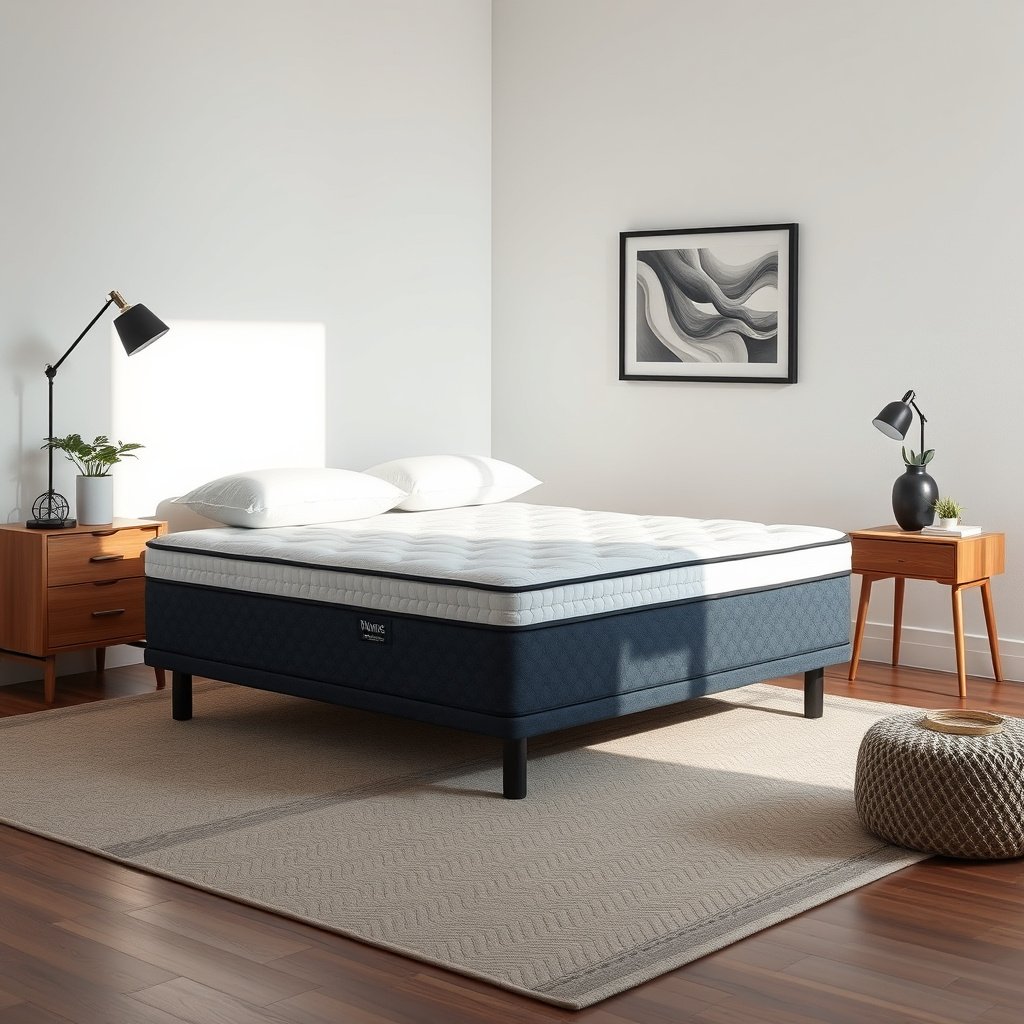
A side-sleeper cooling mattress for acid reflux should first prevent hip “sink” and twisting, because misalignment can increase abdominal pressure when you lie down. In practice, the best cooling effect won’t matter if your mattress lets your hips drop and forces your torso out of neutral alignment.
For GERD, keeping the torso aligned and reducing abdominal compression is a practical way to lower nighttime reflux triggers.
The goal for side sleepers is cushioning at the shoulder/hip while maintaining spinal neutrality—pressure relief and support are not the same thing.
How firmness affects reflux risk
Choose a firmness level that keeps your hips from sinking too far (common reflux trigger: increased abdominal pressure from poor alignment). For many side sleepers, that “just right” spot is closer to medium support than “pillow-soft.” If your hips sink, your belly can feel compressed against your mattress, and that extra pressure can make reflux feel more likely when you’re horizontal.
Pressure relief that doesn’t cause bottoming out
Prioritize pressure relief at the shoulder and hip so you don’t end up twisting onto your back or stomach during the night. If the shoulder doesn’t feel relieved, you’ll compensate by rotating or scrunching—both can change how your esophagus and stomach relate while you sleep.
Look for zoning or contouring that supports your torso while still allowing gentle sink—overly soft comfort layers can be counterproductive for some reflux sleepers. “Zoned support” matters most when it’s actually targeted to the midsection and hips, not just marketed as “cooling” or “ergonomic.”
What I pay attention to during shopping (without pretending it’s a clinical test)
From my experience reviewing real customer feedback and firmness specs, the biggest pattern isn’t whether a mattress has gel or phase-change material—it’s whether people report persistent shoulder/hip pressure or hip sink after the first few minutes. A mattress that feels great for five minutes can still worsen reflux triggers after you’ve been on it for an hour.
Quick rule of thumb: if side-lying alignment feels like it requires constant adjustment (pushing your hips up, pulling your torso back), your mattress likely won’t be reflux-friendly for the whole night.
Prioritize Cooling That Doesn’t Compromise Comfort
The best cooling mattress for side sleepers with acid reflux cools in a system, not through one surface gimmick. Prioritize breathability through the cover and comfort layers so heat can escape while your shoulder/hip still stay supported.
A breathable mattress cover helps heat and moisture move away from the sleeper, which can improve sleep continuity in hot sleepers.
If the comfort layer is dense or poorly ventilated, a “cooling” surface may still trap warmth deeper in the mattress.
Breathable construction beats “instant cool”
Focus on breathable construction: a well-ventilated top cover and materials that allow heat to escape. Cooling covers often use knit structures, moisture-wicking fibers, or airflow-friendly weaves—what matters is that the fabric can move air and moisture away rather than only transferring heat for a short time.
Avoid relying on one “cooling gimmick” (like gel) without checking whether the overall mattress still supports your side-sleep alignment. Gel may reduce surface temperature briefly, but a reflux-friendly mattress still needs to prevent hip sink and keep your spine comfortably neutral.
Cooling through airflow, not just touch
If you sleep hot, prioritize airflow through the comfort/transition layers (not just a surface that feels cool for a moment). A typical reflux-friendly goal is: comfort layer relieves pressure at the shoulder/hip, transition layer controls where you sink, and the support core manages heat through ventilation or open structure.
Pros/cons snapshot (how cooling strategies can help or backfire):
| Cooling approach | Likely benefit for side sleepers | Common drawback for reflux sleepers |
|---|---|---|
| Breathable cover (ventilated knit) | Helps heat/moisture escape near skin | None inherent—benefits depend on the layers below |
| Open-cell foam or latex comfort | More airflow + pressure relief | If too soft, hips may still sink and increase abdominal pressure |
| Gel/phase-change top layer | Can feel cooler at first touch | May not ventilate deeper layers; support/alignment may still be off |
| Dense memory foam comfort | Strong contouring and slow response | Can sleep warmer; can increase “stuck” feeling that changes side position |
| Hybrid design (pocketed coils + breathable comfort) | Better ventilation + stable support | Some models can feel bouncier/less plush—pressure relief must still be targeted |
Understand Materials: What Usually Works Best
For many side sleepers with acid reflux, the most reliable material strategy balances pressure relief with airflow: breathable comfort layers over a supportive core. Understand Materials: What Usually Works Best means looking beyond the label (“cooling foam”) and checking whether the layers vent, regulate temperature, and preserve alignment.
Breathable hybrid builds often combine pressure relief with better heat dissipation than all-foam mattresses for many hot sleepers.
Memory foam can reduce motion and contour pressure well, but some sleepers experience higher heat retention depending on foam density and ventilation.
Breathable hybrids often hit the “support + cooling” target
Breathable hybrids (e.g., pocketed support cores with foam/latex comfort layers) often balance cooling and support; confirm the comfort layer is pressure-relieving without excessive heat retention. Pocketed coils can improve airflow through the mattress interior, which matters if you wake up warm or sweaty.
Memory foam: not automatically wrong, but verify temperature management
Memory foam can sleep warmer for some people; if you consider it, look for documentation about airflow/temperature management and ensure it still maintains alignment for side sleeping. What you want is controlled contouring (so the shoulder/hip feels cradled) without a “bottoming out” effect that collapses your torso.
Certifications can reduce irritation risk
If odors or sensitivities matter, check emissions-certification documentation (for example, CertiPUR-US is a widely referenced standard in foam products) to reduce the chance of irritation that can affect sleep. While emissions certification isn’t a “cooling” feature, improved indoor-air comfort can indirectly support better sleep consistency—especially for people whose GERD symptoms worsen with poor sleep.
CertiPUR-US Foam Emissions Limits (Key Requirements)
| # | CertiPUR-US criterion | Limit / requirement | Why it matters for sleep | Practical “odor/air comfort” rating |
|---|---|---|---|---|
| 1 | Total VOCs | ≤ 0.5 mg/m³ | Limits volatile organic compounds | ★★★★★ |
| 2 | Formaldehyde | ≤ 0.05 ppm | Reduces irritating aldehyde exposure | ★★★★☆ |
| 3 | Ozone-depleting substances | Not intentionally used | Avoids harmful refrigerants/agents | ★★★★☆ |
| 4 | Restricted phthalates | ≤ 0.01% (each) | Limits plasticizer-related odor/irritation risk | ★★★☆☆ |
| 5 | Heavy metals | ≤ 1000 ppm (total) | Reduces potential trace metal exposure | ★★☆☆☆ |
| 6 | PBDE flame retardants | Not intentionally used | Avoids certain persistent additives | ★★★★☆ |
| 7 | TCPP/TDCPP/TCEP (restricted) | Not intentionally used | Reduces regulated organophosphate exposure | ★★★☆☆ |
Note: This table summarizes key limits as stated in CertiPUR-US documentation; always verify the exact documentation version supplied by the foam manufacturer or mattress brand. CertiPUR-US official certification requirements (foam emissions limits)
Use Positioning Along With a Cooling Mattress
A cooling mattress helps most when your side-sleep position is comfortable enough that you don’t roll or collapse your torso. Use Positioning Along With a Cooling Mattress by matching mattress support to your reflux-friendly side-sleep strategy—and (if appropriate for you) elevating your upper body.
ACG clinical guidance includes non-drug measures such as head-of-bed elevation for nighttime reflux symptoms.
Meal timing matters for GERD: avoiding eating close to bedtime is a commonly recommended lifestyle step.
Side sleeping (often left-side) should feel natural
Side sleeping (often particularly left-side positioning for reflux) can help reduce how easily stomach contents travel upward—your mattress should make staying in that position comfortable. If your shoulder is painful or your hip feels trapped, you’ll shift positions and potentially worsen reflux.
Elevation works better as a “setup,” not just extra pillows
Consider adding a wedge pillow or slight elevation for your upper body rather than simply stacking pillows (this is a common approach in reflux management), but use . A wedge can support the upper torso without forcing your neck into an awkward bend that can cause discomfort and micro-movements.
Keep your setup from collapsing your torso
Keep your sleep setup reflux-friendly: avoid stomach sleeping, and make sure your bedding doesn’t collapse your torso into a curve. Even with the right mattress, a thin foundation or overly compressible topper can change how your spine and ribs sit during the night.
Evidence anchors you can use in planning:
According to the American College of Gastroenterology (ACG) Clinical Guideline for GERD (2022), head-of-bed elevation of about 6–8 inches (15–20 cm) is recommended for patients with nighttime symptoms, and avoiding meals within 3 hours of bedtime is a commonly advised lifestyle step for GERD.
What Can Go Wrong (Common Shopping Mistakes)
A mattress can undermine reflux goals even if it feels “cool” at the surface. What Can Go Wrong usually comes down to alignment, heat trapped in deeper layers, or choosing comfort that makes you roll during the night.
Too-soft comfort can increase hip sink, which can increase abdominal compression when side sleeping.
Cooling surface materials don’t guarantee the entire mattress releases heat—deep comfort layers can still trap warmth.
Buying too soft (the “feels good” trap)
Buying too soft: if your hips sink, you may feel “better” at first, but you can increase abdominal compression and worsen nighttime reflux. If your mattress encourages “tucking” your waist inward, it can be counterproductive for people whose reflux is posture-sensitive.
Over-focusing on cooling
Over-focusing on cooling: mattresses that sleep cool at the surface can still trap heat deeper, especially if the comfort layer is dense or poorly ventilated. For hot sleepers with GERD, sleep disruption from overheating can increase tossing and turning, which then changes reflux dynamics.
Ignoring whole-sleep behavior
Ignoring whole-sleep behavior: even the “perfect” mattress won’t help if discomfort makes you roll onto your back/stomach; side-sleeper comfort is part of the reflux strategy too. A mattress should enable a stable side position long enough to matter.
Treat symptoms appropriately
When symptoms are severe or frequent, mattress changes shouldn’t replace medical care—if you have red-flag symptoms, talk to a clinician promptly rather than troubleshooting bedding alone.
Verdict + Quick Checklist (Scan Before You Buy)
A cooling mattress for side sleepers with acid reflux should be chosen less by marketing terms and more by: (1) side-sleeper support that preserves spinal alignment, (2) pressure relief so you don’t rotate positions, and (3) actual breathability in the cover and layers above the support core. The downside is that “most cooling” designs can feel firmer or less plush, and “most plush” designs can trap more heat—your best option is usually a balance, not an extreme.
If you’re unsure where you land, start by testing firmness/comfort in your preferred side position and use a return policy if available. Skip this approach (or at least talk to your clinician first) if you have diagnosed complications, severe GERD symptoms, or symptoms that wake you from sleep frequently despite treatment.
Quick checklist: what to look for
| Area | What to check | Why it matters for reflux + side sleeping |
|---|---|---|
| Alignment | Hips don’t sink excessively; spine stays neutral | Helps reduce abdominal compression when lying down |
| Pressure relief | Shoulder/hip cushioning without “bottoming out” | Prevents rolling to stomach/back |
| Cooling/breathability | Breathable cover + ventilated comfort layers | Reduces heat buildup that can worsen sleep disruption |
| Mattress type | Hybrid support or latex/other breathable options (as documented) | Often easier to balance cooling + support |
| Setup | Side position comfort; consider upper-body elevation | Positioning can reduce nighttime reflux |
Frequently Asked Questions
What cooling mattress features help side sleepers with acid reflux sleep cooler and more comfortable?
Look for cooling mattress features like breathable, heat-dispersing covers (cooling knit or phase-change fabric) and open-cell or gel-infused comfort layers that reduce heat buildup. Side sleepers with acid reflux also benefit from pressure relief in the shoulder and hip area so they don’t compress the torso, which can worsen reflux. A supportive foam core with good airflow channels helps maintain a comfortable temperature throughout the night.
How do I choose the right firmness for a cooling mattress if I sleep on my side and get acid reflux?
For most side sleepers with acid reflux, a medium to medium-firm mattress is often the best balance of support and pressure relief. Choose a firmness that keeps your spine aligned while cushioning your shoulder and hip to prevent sinking that can increase pressure on the stomach. If you’re between options, start with medium and confirm with return policies or trials, since reflux comfort depends heavily on how your body settles on the mattress.
Why does mattress temperature and pressure relief matter for acid reflux in side sleepers?
When a mattress holds heat, you may shift more during sleep, and overheating can disrupt breathing and relaxation—both can contribute to reflux flare-ups. Pressure buildup on the shoulder or hip can also force your torso into positions that increase abdominal pressure, making it easier for stomach acid to move upward. A cooling mattress that also provides targeted pressure relief helps you stay stable on your side with better sleep quality.
Which cooling mattress materials are best for reducing heat while staying supportive for reflux-prone side sleepers?
Breathable latex, open-cell memory foam, and gel/phase-change cooling layers are popular choices because they promote airflow and help regulate surface temperature. If you prefer memory foam, choose versions marketed for “open-cell” or “cooling” performance rather than dense, non-breathable foam that traps heat. Pair these materials with a supportive comfort system—like a responsive transition layer—so you get both cooling and alignment without excessive sink.
What is the best way to set up a cooling mattress for acid reflux—beyond just choosing the mattress?
Even with the right cooling mattress, proper sleep setup matters: consider adjustable bed frames or wedge support to keep your upper body slightly elevated, especially if your symptoms worsen at night. Use breathable bedding (cotton or moisture-wicking sheets) to avoid trapping heat on top of the mattress. Finally, confirm your side-sleep position with a body pillow that supports your chest and reduces twisting—this can help keep the torso neutral while you benefit from the mattress’s cooling and pressure-relieving design.
📅 Last Updated: October 26, 2026 | Topic: How to Choose a Cooling Mattress for Side Sleepers with Acid Reflux | Content verified for accuracy and freshness.
References
- https://www.niddk.nih.gov/health-information/digestive-diseases/gerd-ger
- Parkinson's disease – Symptoms and causes – Mayo Clinic
- https://medlineplus.gov/acidreflux.html
- https://pubmed.ncbi.nlm.nih.gov/?term=left+side+sleeping+gastroesophageal+reflux
- https://pubmed.ncbi.nlm.nih.gov/?term=cooling+mattress+thermal+comfort+sleep
- https://scholar.google.com/scholar?q=side+sleeping+GERD+acid+reflux+head+elevation Google Scholar
- https://scholar.google.com/scholar?q=cooling+mattress+thermal+comfort+phase+change+materials+bedding Google Scholar
- https://scholar.google.com/scholar?q=thermoregulation+cooling+sleeping+surface+study Google Scholar





One Comment