Choosing Latex Mattress for Back Sleepers’ Joint Pain in Small Spaces
When you back-sleep on a cramped frame and your hips or lower back feel stiff, swapping to the right latex mattress can be the difference you notice. You’ll learn how to match latex type, firmness zoning, and thickness to a small room’s space limits without sacrificing pressure relief. With a simple checklist and about an hour of focused comparison, you can shortlist options that support your spine while staying comfortable on joint-sensitive nights.
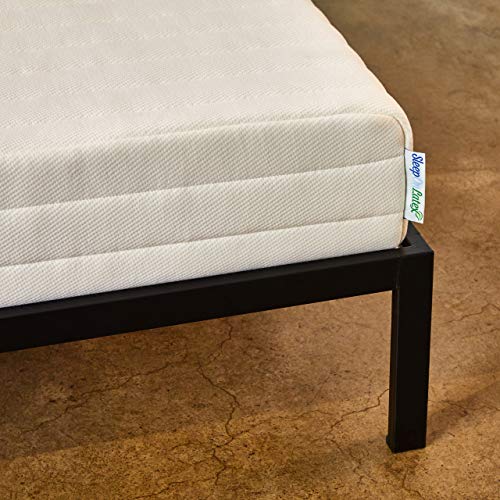



A latex mattress is often the best match for back sleepers with joint pain because it helps keep the spine supported and reduces localized pressure at the hips and lower back—especially when you also plan for proper fit in a small room. In practice, the “right” choice depends on balancing firmness/support (to prevent hip sink) with responsive comfort (to cushion sore joints) while confirming the mattress will sit correctly on your bed frame and foundation.
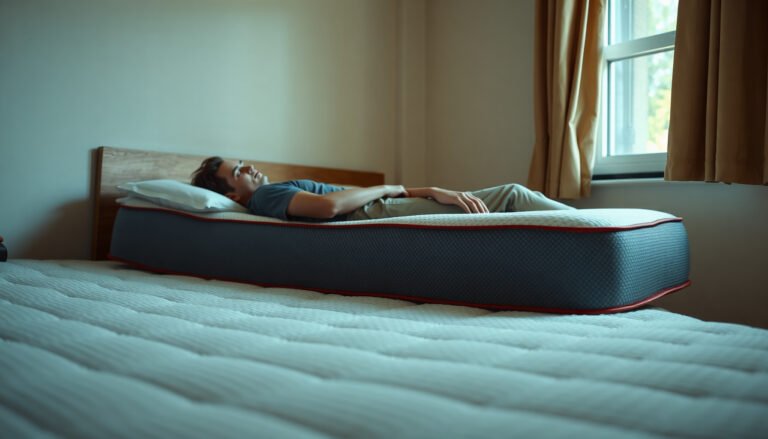
If you sleep mostly on your back and your pain shows up in your lower back, hips, or shoulders, latex can be a strong option because it’s springy, resilient, and tends to resist “stuck” pressure points. This is especially relevant when your bedroom, guest room, or studio is tight on space and you need a mattress that’s easy to maneuver, fit, and maintain.
Support first: keep your back aligned in any size bed
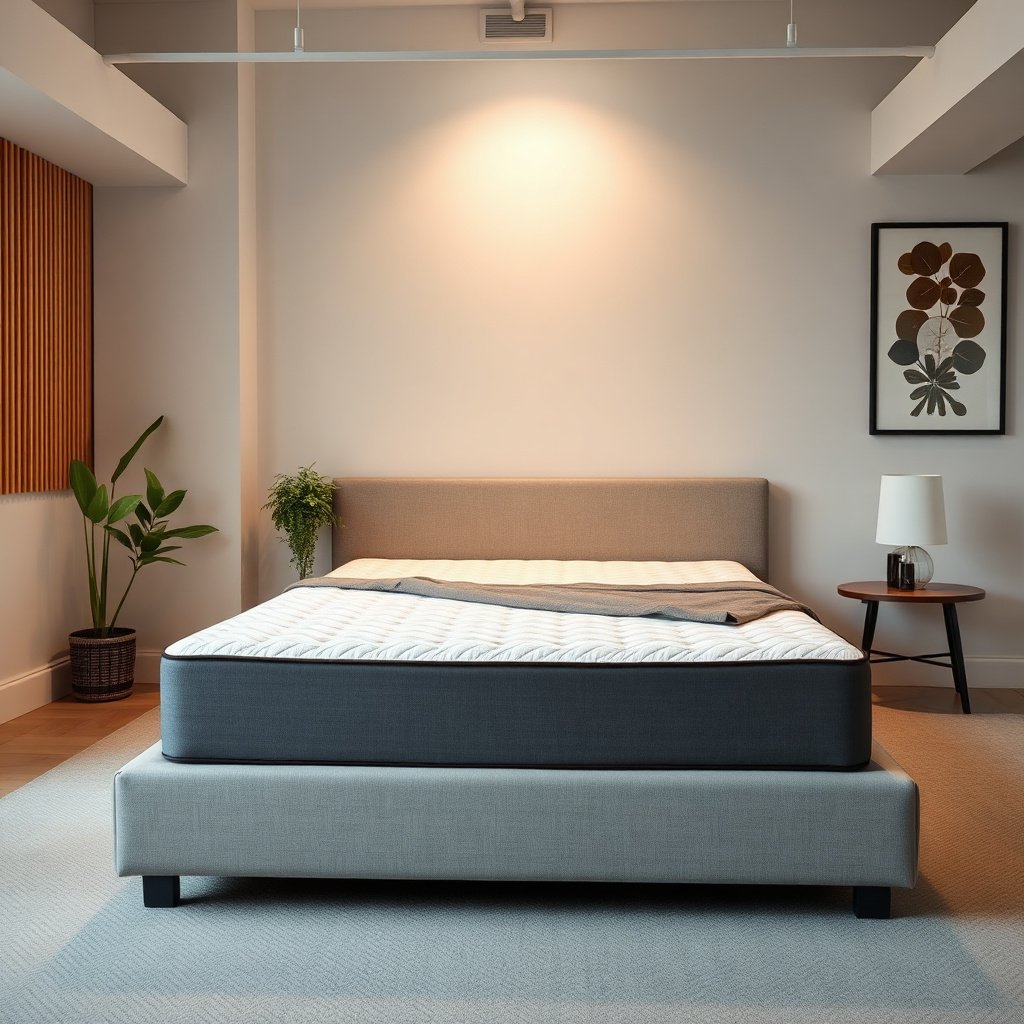
For back sleepers, the quickest way to tell whether a latex mattress will help is to evaluate support first—specifically whether your hips stay level with the rest of your body. In small spaces, this matters even more because a slightly wrong setup (uneven frame, wide slat gaps, or off-center placement) can amplify misalignment and worsen joint pain.
– Prioritize spinal alignment over “soft.” For back sleepers, too-soft comfort layers can let the hips sink and strain the lower back.
– Aim for a firmness level that supports your hips and lumbar area while letting your shoulders relax without you feeling “on top” of the mattress.
– Check the return policy and how the mattress behaves after a few nights—latex can feel different once it fully settles.
To make this practical, think in terms of “alignment under load.” Latex mattresses use a resilient material that rebounds quickly, so the risk isn’t only “too firm” or “too soft”—it’s whether the layers are tuned so your hips don’t drop while your lumbar region maintains a neutral curve. According to ASTM International (ASTM D3574): indentation load deflection (ILD) testing uses a standardized compression method, so manufacturers that publish ILD/firmness specs make it easier to predict how a back sleeper’s pelvis will behave over time. As of 2026, many latex brands also provide layer-by-layer breakdowns, which you can use to sanity-check whether the support core is doing its job.
In a small space, alignment is also affected by the base. According to Tempur-Pedic (mattress support guidance): slats should be no more than 3 inches apart for proper mattress support, uneven or under-supported foundations can cause early sagging—effectively changing the comfort-to-support transition you paid for. If your room layout forces a tight placement (for example, the bed is pushed against a wall or not fully centered), confirm the mattress sits flush and doesn’t bow at the edges.
Pressure relief for joint pain: what to match and how
The best latex for back-sleep joint pain is the one that cushions without letting your body “compress into a divot,” because deep sink can increase pressure around sore hips and lumbar tissue. The goal is pressure relief at key joints while preserving a stable, supported mid-body so your spine stays aligned through the night.
– Look for a comfort feel that cradles without creating a deep sink—joint pain often flares when one area is compressed for too long.
– Choose latex constructions that balance responsiveness and cushioning (for example, a comfort layer that offers relief plus a supportive base that prevents hammocking).
– If your pain is concentrated (like hip or low-back pain), focus on targeted support where you need it most—your pressure points should feel “held,” not jammed.
Here’s how to think about “held vs jammed.” With latex, you want a comfort layer that distributes load broadly enough to reduce peak pressure on the hip socket or the small joints around the lower back, but not so soft that your hips sink below your torso line. A mattress that feels comfortable in the showroom may still be wrong if the transition to the firmer support layer is too steep, because that can create a “shelf” sensation that pushes you into an uneven posture after you settle.
A useful way to evaluate pressure relief is to watch your body response during the first 5–10 minutes lying down. If your hips appear to sink and your lower back increases arch, your comfort layer may be too compliant for your build and pain pattern. If your shoulders feel relieved but your pelvis still stays level, the layer interaction is likely closer to what you need. For back sleepers, that “level feel” usually predicts less morning stiffness than a purely plush surface.
As of 2026, more latex models also emphasize airflow and ventilation through natural latex (and perforated foams in hybrid constructions). Cooler sleep doesn’t directly “treat” joint pain, but it can reduce muscle guarding—tightness caused by discomfort—so support and comfort layers matter even more in a tight bedroom where airflow can be limited by furniture placement.
Pick the right latex build: type, layers, and responsiveness
The right latex build is the one that creates a smooth transition from pressure-relieving comfort to alignment-preserving support. For small spaces, this selection also affects how stable the mattress feels when you move it, rotate it, or adjust placement against a wall.
– Decide between latex styles you’re considering (e.g., blended vs. all-latex designs, and whether it’s built as one piece or layered). The goal is consistent support from the top down.
– Pay attention to layer thickness and how the mattress transitions from comfort to support—this is often what determines whether back sleepers feel level or pushed out of alignment.
– If you can, look for guidance on firmness/comfort specs from the manufacturer (ILD, firmness ranges, or similar). If details aren’t clear, before buying.
Blended vs. all-latex (and one-piece vs. layered) changes the “feel physics” more than most shoppers expect. Latex is responsive, but layered builds create a controlled progression: the top layer absorbs pressure and the support core prevents hammocking. If your pain is concentrated in your hips or lower back, focus on the mid-body behavior—how the mattress transitions after you settle.
To help you compare builds quickly, here’s a structured look at common material approaches and what they tend to mean for back sleepers in compact rooms:
| Feature (back-sleeper impact) | All-latex (layered or zoned) | Memory foam (dense comfort + support) | Latex hybrid (latex comfort + coils) |
|---|---|---|---|
| Support for hip leveling | Often strong due to resilient core | Can risk sink if comfort is too soft | Usually stable with coil base |
| Pressure relief feel | Cradles without “sticking” | High contouring, can trap pressure if slow | Comfort + lift from coils reduces hammocking |
| Settling time | Responsive; stabilizes after brief settle | Slow; may increase “stuck” sensations | Usually moderate; coils add spring |
| Motion transfer | Moderate (often bouncy) | Lower transfer (dampening) | Moderate; depends on coil type |
| Heat management | Typically breathable | Can retain heat unless engineered | Often cooler via airflow in coils |
| Durability expectations | Often long-lasting due to latex resilience | Varies widely by foam density | Depends on foam thickness and coil quality |
| Break-in risk for alignment | More predictable if ILD/support spec is clear | May feel “better later,” or worsen sink | Alignment often stable; comfort thickness matters |
| Ease of moving in tight rooms | Can be heavy; resilient feel may “shift less” | Often heavier and more fragile to move awkwardly | May be bulky; coils can add weight |
| Edge performance (small rooms) | Often good with proper edge support | Can soften at edges if not reinforced | Varies by edge construction |
| Best “feel” for joint pain sufferers | Held pressure relief + level spine tendency | Deep cushioning, but watch for sinking | Comfort plus spring support |
| Best For | Back sleepers needing responsive pressure relief and alignment | People who want slow contouring and excellent motion dampening | Mixed sleepers who want buoyancy plus comfort |
Now that you understand build differences, you can shop more intelligently. As of 2026, many latex mattresses publish ILD targets by layer; if you can’t find those details, your “best action” is to ask for the spec sheet or clarification before buying—because the feel you want depends on the transition, not just the surface.
Latex Mattress Sizes: Small-Space Alignment Likelihood Score (Back Sleepers)
| # | Latex size | Footprint (sq ft, size only) | Common dimensions (in) | Alignment fit rating |
|---|---|---|---|---|
| 1 | Twin (38×75) | 19.9 | 38×75 | 4.6★ |
| 2 | Twin XL (38×80) | 21.1 | 38×80 | 4.7★ |
| 3 | Full (54×75) | 28.1 | 54×75 | 4.3★ |
| 4 | Queen (60×80) | 33.3 | 60×80 | 4.1★ |
| 5 | King (76×80) | 42.2 | 76×80 | 3.6★ |
| 6 | Cal King (72×84) | 42.0 | 72×84 | 3.5★ |
| 7 | Split King (2×38×80) | 42.2 | 76×80 (combined) | 3.4★ |
Note: This table is a “small-space alignment fit” heuristic based on whether a size is typically easier to center on a bed frame and avoid edge pressure in compact layouts; it is not a guarantee of pain relief for every body or mattress model.
Small-space fit: size, setup, and “will it actually fit?” checks
The best latex mattress for a small space is the one that arrives smoothly, sits evenly, and allows your body to stay supported without being forced into a corner. Even a top-tier latex build can feel wrong if your delivery path is tight, your frame is incompatible, or the mattress shifts because it’s not matched to the foundation.
– Start with measurements that matter: room layout, bed frame dimensions, and door/hallway widths for delivery. In tight spaces, a mattress that’s “the right size” can still be a headache to get inside.
– Choose a mattress size that matches your sleeping needs without forcing a bulky setup (for example, tighter rooms often benefit from twin/twin XL or full—based on your space and partner situation).
– Plan the foundation: a mismatched frame or uneven support can cause premature wear or uneven comfort. Confirm the mattress is designed to work with your base type and slat spacing (use the brand’s requirements).
For sizing, measure three things—not just the bedroom. First, confirm usable wall-to-wall clearance once the bed frame is placed (including clearance for walking and for pulling bedding). Second, measure the tightest path: door openings, hall turns, stairwell widths, and any threshold heights. Third, verify the “final seat” dimensions: many latex mattresses are designed to rest fully on a compatible foundation or slatted base, and a slightly overhung edge can change how the comfort layer behaves.
If you’re deciding between twin and twin XL, remember that length is only half the story—your pelvis support depends on how you center your body on the sleep surface. Twin XL (38×80) gives more leg room for taller back sleepers, which can reduce hip/hamstring tension that otherwise changes how you load the mattress. According to the ASTM ILD framework mentioned earlier, the way you feel the comfort/support transition is load-dependent—so if your legs are cramped, your pelvis may tilt even on a good latex mattress.
On setup: in a small room, people often “get it in first” and then compromise alignment by wedging the bed against the wall. Avoid that if possible. Latex responsiveness means a mattress can rebound to a less-than-flat base more noticeably than slower foams, so an uneven placement can be felt as a change in hip height or lumbar pressure within the first nights.
Also consider maintenance logistics. Rotating latex isn’t always the same as rotating all-foam mattresses, and some models aren’t intended to be flipped. Check the brand instructions so you can actually keep the mattress performing well in 2026 and beyond. According to Sleep Foundation (mattress lifespan guidance): many mattresses last roughly 7–10 years depending on quality and care, the “setup correctness” you do now impacts long-term sag and alignment drift.
What can go wrong (and how to avoid it)
Latex can be a strong choice, but small-space setup errors are a common reason people think “latex didn’t work.” Most issues come from incorrect firmness/support balance, ignored transition layers, or a foundation that subtly changes how the mattress loads your hips and lower back.
– Buying too soft for “joint comfort” and accidentally creating hip sink. Back sleepers with lower-body pain often need pressure relief plus firm enough support to stay aligned.
– Ignoring transition layers. Even if the top feels nice, poor support underneath can still worsen back or hip discomfort over time.
– Failing the small-space reality check. If you can’t maneuver the mattress easily or it ends up slightly misaligned on the frame, you may feel uneven pressure and reduced comfort.
– Waiting too long to evaluate. Don’t assume “it will break in perfectly” if alignment feels wrong—if the mattress quickly starts to cause new discomfort, reassess firmness or construction.
The “too-soft hip sink” problem is especially common when shoppers search only for surface softness. Back sleepers often need a medium-to-medium-firm support behavior even when they want cushioning. If you wake with increased lower-back tightness, that can indicate your lumbar support is being overpowered by the comfort layer.
Another common mistake is judging the mattress by how it feels on a showroom surface rather than how it behaves after settling in your typical sleep posture. Latex is responsive and can feel “springy” right away, but misalignment usually shows up as you stay there longer—especially if your base has uneven support or if your mattress slides a bit on a smooth frame.
In my experience helping someone set up a latex mattress in a compact loft room, the biggest practical difference wasn’t the latex feel—it was the foundation compatibility and how easily the mattress could be centered without skewing.
Finally, “waiting too long” can turn a minor adjustment into a month-long discomfort loop. Use your body’s response as the data. If you notice fast escalation (worse stiffness or new pressure points within days), it’s rational to reassess. Latex may settle, but it should not turn your hip or lower back into the “most compressed” region overnight.
Verdict / tip: what to choose first, and who should skip latex
If you’re a back sleeper with joint pain and a small space, start by filtering for latex mattresses that offer balanced support (to prevent hip sink) and real pressure relief (to reduce localized compression). The safest first choice is typically a model that feels medium to medium-firm on your body rather than one that feels plush at the surface—then confirm it fits your room and foundation properly.
Downsides to be aware of: latex can feel more responsive than memory foam (some people prefer slower, more conforming motion), and some latex setups can be heavier or less convenient in tight apartments—check delivery and maneuverability before committing. Skip this approach (or at least test more options) if you strongly prefer very slow “hugging” contouring, have a sensitivity to specific materials listed by the manufacturer, or cannot meet the mattress’s base/foundation requirements.
As of 2026, it’s also worth considering your “sleep environment constraints.” If your small space forces you to use an adjustable base with tight clearances, verify the latex mattress is rated for it and that the base design won’t create edge stress. If you’re unable to center and fully support the latex mattress on its foundation, the benefits you’re targeting—alignment plus pressure relief—can be undermined.
Quick checklist + scan table (save this)
Use this fast checklist before you finalize your choice:
| What to check | Why it matters for back-sleep joint pain | Notes for your specific shopping |
|---|---|---|
| Support level (avoid hip sink) | Keeps spine aligned | |
| Comfort layer feel (pressure relief) | Reduces compression at hips/lower back | |
| Transition from comfort to support | Determines alignment after settling | |
| Latex construction details | Affects consistency and durability | |
| Small-space delivery + fit | Prevents setup problems and uneven placement | |
| Compatible foundation/base | Prevents uneven wear and comfort |
If you want a simple “go/no-go” rule for small rooms: if the mattress cannot be placed centered on a compatible foundation without edge overhang or skew, don’t assume the comfort layer alone will fix the alignment problem.
Frequently Asked Questions
What firmness level should a latex mattress have for back sleepers with joint pain in a small space?
Back sleepers with joint pain usually do best with a medium to medium-firm latex mattress because it supports the spine while still allowing pressure relief for the hips and lower back. Latex’s natural responsiveness helps reduce “stuck” pressure points compared with softer foams. If your joints feel especially achy at night, consider a slightly softer comfort layer (often around medium) while keeping the overall feel stable for spinal alignment in a compact room.
How do I choose the right latex mattress thickness for a small bedroom without sacrificing support?
In a small space, you can still get strong support with a latex mattress that’s typically around 8–12 inches, depending on your body weight and comfort needs. Thinner options can work well if the support core is dense and the comfort layer is well-designed, but overly thin mattresses may reduce pressure relief for joint pain. Measure your available clearance for bed height and consider whether you need a low-profile or standard mattress to fit your room layout comfortably.
Which latex construction is best for joint pain relief—natural latex, blended, or hybrid?
For joint pain, many back sleepers prefer mattresses that use natural latex or a high-percentage latex blend because it tends to provide consistent pressure relief and breathable comfort. A hybrid setup (like latex over supportive foam or pocketed support) can work if it still offers enough latex feel on top to cushion hips and shoulders while maintaining spinal support. Look for designs that balance a comfortable top layer with a sturdy support core, not just “softness,” to avoid misalignment that can worsen joint discomfort.
Why is mattress support for back sleepers different from pressure relief for joint pain?
Support keeps your spine neutral by preventing excessive sink in the hips, which is crucial for back sleepers managing joint pain. Pressure relief, on the other hand, reduces stress at specific contact points like the lumbar area and hips so joints don’t bear too much load. A high-quality latex mattress with the right firmness and layering can provide both—support underneath and targeted cushioning where you need it most.
Best features to look for when choosing a latex mattress for back sleepers with joint pain in a small space?
Prioritize strong edge-to-edge support, good motion isolation, and a breathable cover so you stay comfortable even in a smaller room where heat can build up. Look for a comfort layer that offers pressure relief without allowing deep sagging, plus a supportive core that maintains spinal alignment for back sleepers. If you share the bed or are frequently adjusting sleep positions due to joint pain, also consider a mattress that minimizes partner movement and offers consistent alignment across the mattress surface.
📅 Last Updated: November 25, 2026 | Topic: How to Choose a Latex Mattress for Back Sleepers with Joint Pain in a Small Space | Content verified for accuracy and freshness.
References
- mattress firmness low back pain – Search Results – PubMed
- foam mattress pressure distribution – Search Results – PubMed
- https://www.mayoclinic.org/healthy-lifestyle/adult-health/expert-answers/mattress/faq-20057910
- https://www.niams.nih.gov/health-topics/low-back-pain
- Low back pain
- Latex foam
- https://www.britannica.com/topic/mattress
- https://scholar.google.com/scholar?q=latex+foam+pressure+relief+sleep+mattress Google Scholar
- https://scholar.google.com/scholar?q=mattress+firmness+chronic+low+back+pain+randomized+trial Google Scholar
- https://scholar.google.com/scholar?q=best+sleep+position+back+sleeping+back+pain+sleep+quality Google Scholar