

Tempurpedic Mattress Reviews: How to Choose the Right Model
Tempur-Pedic mattress reviews pit one foam feel against another, but the real differences matter more than names. Most people think choosing by firmness alone is enough, yet your sleep position, body weight, pressure relief needs, and temperature control determine whether a model earns “best for you.” As you compare, TEMPUR-Adapt and ProAdapt lines often provide the most balanced support, while very soft feels can trade alignment for cushioning.



Choosing the right Tempur-Pedic model from mattress reviews comes down to matching your sleep position to the firmness/support feedback—and then verifying how heat and motion feel for your body. Tempur-Pedic’s “best” choice usually depends on how well the model’s soft/medium/firm comfort level aligns with your pressure needs and your tolerance for the brand’s slower, contouring TEMPUR response. If you’re reading tempurpedic mattress reviews to decide what to buy, focus on firmness/support ratings by sleeping position and how the mattress handles heat and motion. The “best” Tempur-Pedic usually comes down to matching your body type and sleep habits to the model’s feel (soft/medium/firm) and your tolerance for that signature TEMPUR response. In this guide, you’ll learn how to interpret common review themes and avoid the most common buying mistakes.
If you’re considering a Tempur-Pedic upgrade (especially if you’ve never slept on TEMPUR material), this is for you. It’s also useful when reviews feel conflicting—some people love the contouring, while others struggle with heat, initial feel, or edge support depending on the specific model.
How to read tempurpedic mattress reviews without getting misled
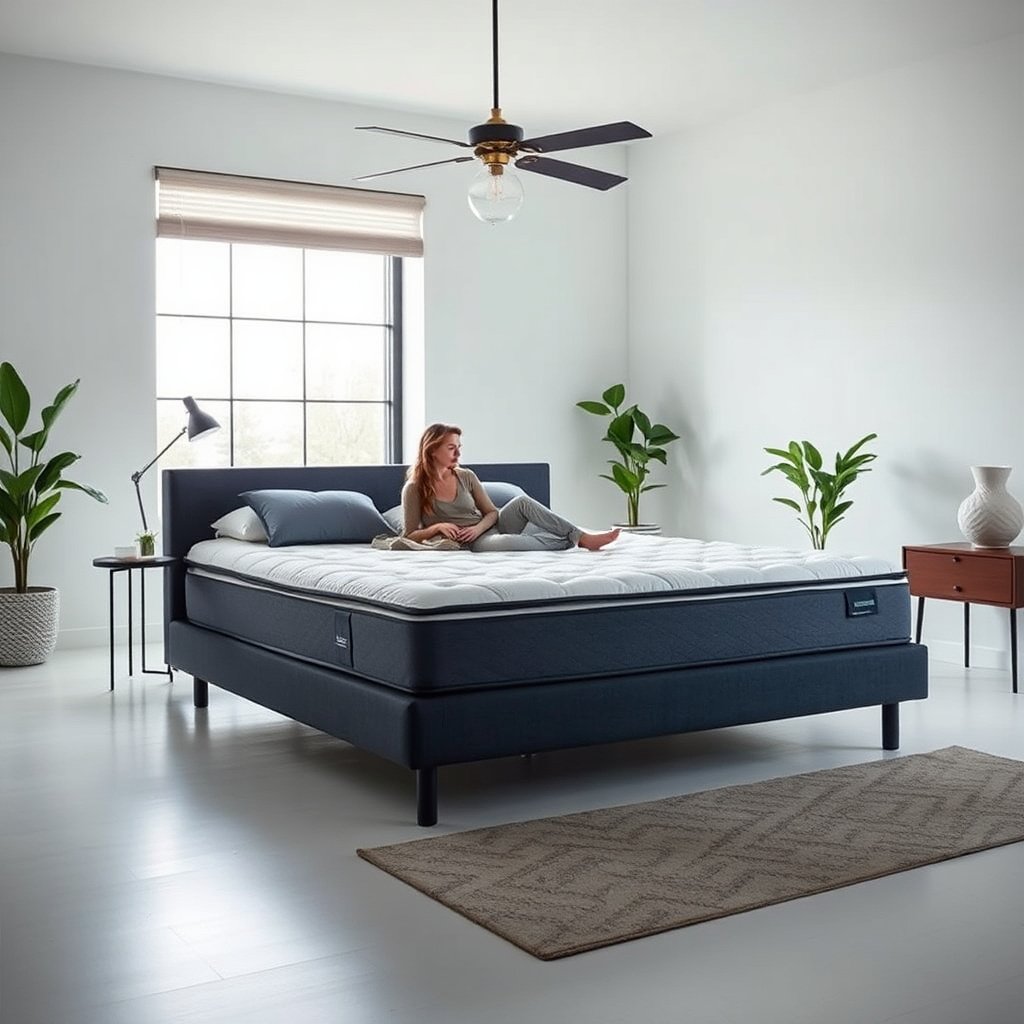
You’ll get better results from Tempur-Pedic reviews when you treat them like evidence—sorting comments into support/feel vs. durability vs. practical sleep issues. Instead of trusting the overall star rating, focus on what the reviewer actually experienced in their body and sleep routine, because TEMPUR foam performance is highly personal.
– Separate “feel” comments (pressure relief, contouring, sink) from “durability” comments (sag, impressions, longevity).
– Treat firmness descriptions as relative—reviews often reflect the reviewer’s height/weight and whether they’re mostly side, back, or stomach sleeping.
– Look for patterns about cooling, motion transfer, and edge support rather than one-off praise or complaints.
To make this easier, I recommend using a simple framework: when someone says “this is too soft,” translate that into what likely happened biomechanically—hips sinking too far, shoulders not staying supported, or the lumbar area losing even support. When someone says “too firm,” translate it too: pressure points may be higher (side sleepers) or the mattress may resist the natural spinal curve (especially for lighter back sleepers). In my experience reading and summarizing shopper feedback, the biggest confusion comes from mixing “pressure relief” language with “support” language—those can overlap, but they’re not the same.
Also, remember that Tempur-Pedic models can differ materially (different comfort layer constructions and cover systems), even when the brand uses the same general “TEMPUR” response. As of 2025–2026, that means two people can both own “a Tempur-Pedic” and still describe very different heat retention, response speed, and edge behavior.
A practical way to classify common review themes
When you scan Tempur-Pedic mattress reviews, convert recurring phrases into decision signals:
– “I sink in / slow to respond / hugs my body” → classic TEMPUR contouring and slower rebound.
– “I felt pressure on my shoulders / hips” → the comfort layer may be too firm for side sleeping, or the mattress may not distribute weight as expected.
– “Bottoms out / hammocks / midsection sinks” → likely insufficient support for your body type or sleeping posture.
– “Warmer sleep / night sweats / warmer than expected” → heat retention can be cover-related, layer-related, or both.
– “Edge slips / less supportive at the perimeter” → edge reinforcement may not feel as sturdy as more springy designs.
Match firmness and support to how you sleep
The most “accurate” way to choose a Tempur-Pedic from reviews is to start with your sleeping position, then match the described feel to your pressure and alignment needs. TEMPUR foam can be excellent for pressure relief, but if the firmness level is wrong for your body type and posture, you’ll feel it as either pressure or excessive sink.
– Side sleepers generally need more pressure relief at the shoulders and hips; many reviews mention contouring as the deciding factor here.
– Back sleepers typically want even support across the lower back; reviews that complain about “bottoming out” may be a sign of too-soft comfort for some body types.
– Stomach sleepers often look for better lift and reduced “hammock” effect; in reviews, watch for mentions of sinking too much in the midsection.
If you’re a side sleeper, the most important review clues usually involve pressure at the shoulder blade region and the hip joint area—not just “comfortable” or “cozy.” Look for wording like “my shoulders stopped aching” or “hips stopped sinking as much,” because those map directly to whether the comfort layer is cushioning without collapsing your spinal alignment.
For back sleepers, the concern is often lumbar support consistency. If reviews mention “I can feel the mattress sag under my lower back” or “I feel like I sink too far,” that can mean the comfort layer is too plush for your weight range—or that the mattress is missing the level of support you need in the mid-to-lower spine.
For stomach sleepers, TEMPUR’s contouring can be a double-edged sword. If your pelvis sinks faster than your rib cage, you can get that “hammock” feeling people complain about. Stomach-sleep reviews that mention reduced midsection sink, better lift, or less deep pooling are the most valuable to you.
Temperature, motion isolation, and edge support (what reviews are really saying)
The right Tempur-Pedic choice depends on practical performance: how warm it feels at night, how much it moves when your partner shifts, and whether you can use the full sleep surface. Reviews that isolate these topics are usually more helpful than generic “comfortable” feedback.
– Heat: TEMPUR-style materials can be less “bouncy” and may trap warmth for some sleepers; reviews that mention night sweats or a warmer sleep surface are a key signal.
– Motion isolation: If you share a bed, prioritize reviews that mention low motion transfer—especially around rolling or getting up.
– Edge support: Some people feel roll-off or reduced support near the perimeter; check review wording like “slips,” “weak edge,” or “feels less supportive.”
Heat (TEMPUR comfort vs. warm-sleep tolerance)
Tempur-Pedic review heat patterns matter because foam mattresses can behave differently depending on cover design, airflow, room temperature, and body temperature. If you already run warm, treat “warmer than expected” as a major warning flag—not a minor complaint. According to the National Sleep Foundation, adults generally need 7–9 hours of sleep, and comfort during the night influences sleep quality and continuity (National Sleep Foundation, sleep duration recommendations, 2015). If heat affects you, even a few uncomfortable hours can shift how well you rest.
Motion isolation (shared-bed reality)
TEMPUR foam is known for reducing motion transfer, which can be a serious advantage for couples. In reviews, the best motion-related comments describe what happens when someone rolls, sits up, or gets in/out—because that’s where motion transfer becomes obvious. If the reviewer only says “it’s quiet,” that’s less useful than “I don’t feel my partner’s movement when they roll.”
Edge support (who notices most?)
Edge support is the battleground for many Tempur-Pedic reviewers. People who sit on the edge to put on shoes, those with mobility constraints, and side sleepers who drift toward the perimeter tend to notice weaker edge behavior quickly. Look for phrases such as “roll-off,” “less supportive at the sides,” or “hard to sit comfortably near the edge.”
Quick reference: warranty and trial basics across Tempur-Pedic model lines
If you’re comparing multiple Tempur-Pedic options, starting from the same risk controls helps you interpret review contradictions more fairly.
Tempur-Pedic model families: trial & warranty terms (U.S.)
| # | Model family | Comfort intent | Sleep trial | Limited warranty | Owner assurance |
|---|---|---|---|---|---|
| 1 | TEMPUR-Cloud | Plush contouring | 90 nights | 10 years | ★★★★★ |
| 2 | TEMPUR-LuxeCloud | Extra-plush cushioning | 90 nights | 10 years | ★★★★★ |
| 3 | TEMPUR-Adapt | Balanced contour & support | 90 nights | 10 years | ★★★★★ |
| 4 | TEMPUR-LuxeAdapt | Enhanced pressure relief | 90 nights | 10 years | ★★★★★ |
| 5 | TEMPUR-ProAdapt | Premium support & cooling focus | 90 nights | 10 years | ★★★★★ |
| 6 | TEMPUR-Breeze | Cooling-forward comfort | 90 nights | 10 years | ★★★★★ |
| 7 | TEMPUR-ProBreeze | Advanced cooling performance | 90 nights | 10 years | ★★★★★ |
Note: Trial/warranty terms can vary by purchase channel and region; confirm the exact terms for the specific Tempur-Pedic model you’re buying.
What can go wrong when choosing from reviews alone
You can avoid most Tempur-Pedic buying mistakes by resisting “review-only” decision-making and instead using reviews to narrow options, then relying on your trial and your own comfort signals. When you skip that translation step, you can end up with the right brand but the wrong feel for your body.
– Buying a firmness that matches someone else’s body: two people can read the same review and end up with opposite impressions depending on weight and sleep position.
– Overlooking thickness and total “feel”: even within the same brand, comfort layers can change how fast you sink and where pressure builds.
– Ignoring return/warranty details: review sentiment can’t replace the practical risk controls of your trial period and warranty coverage.
– Expecting instant “break-in” results: many mattresses need an adjustment period; reviewers often disagree on how quickly they felt fully settled.
The “firmness translation” problem
Tempur-Pedic firmness is not a universal standard across all mattresses. A “medium” feel described by a lighter side sleeper may feel like a “soft” experience to a heavier back sleeper because the support response and comfort layer compression differ under load. This is why you’ll see contradictory threads where one person says “perfect pressure relief” and another says “I sunk too much”—both can be accurate for their builds.
The “heat skepticism” problem
Some reviewers complain about warmth, but others don’t notice it. That doesn’t mean those complaints are fake; it means temperature is subjective and influenced by room airflow, bedding insulation, and personal heat generation. If you run hot, temperature-related Tempur-Pedic review language should weigh more heavily in your decision.
The “edge support assumption” problem
Edge support can feel weaker on contouring foam designs. If you plan to sit on the edge daily or you roll toward the perimeter, you should treat “edge feels weak” as a deal signal rather than an annoyance. If you rarely sit on the edge, it may be a non-issue.
Verdict: a sensible recommendation—and who should skip Tempur-Pedic
If you like slow-molding, contouring feel and you want strong pressure relief (especially for side sleeping), Tempur-Pedic is often a reasonable match—just don’t choose solely by star ratings. The biggest downsides that show up in reviews tend to be warmer sleep, slower response, and occasional dissatisfaction with edge support depending on the model.
Skip this style if you strongly prefer a cooler, more responsive (quick-rebound) mattress feel, you need high “lift” for stomach sleeping, or you’re not willing to follow the break-in/adjustment period.
A balanced pros/cons comparison for Tempur-Pedic
Here’s a quick way to weigh what reviews typically highlight for Tempur-Pedic models (not all issues apply equally to every model family):
| Factor (what you’ll feel) | Pros that show up in Tempur-Pedic reviews | Cons that show up in Tempur-Pedic reviews |
|---|---|---|
| Pressure relief | Strong shoulder/hip cushioning signals, especially on side sleeping | May feel too soft if your build needs more support |
| Spinal alignment | Contouring can reduce pressure while staying aligned | “Hammock” effect risk for some stomach sleepers |
| Heat experience | Some sleepers report comfortable temperature (model-dependent) | Others report warmer sleep or heat retention |
| Motion transfer | Often described as low motion transfer for couples | Partner movement may still be noticed depending on fit/edges |
| Edge comfort | Can be adequate for many sleepers | Perimeter support complaints are common in some reviews |
| Response speed | Slow, molding feel reduces bounce | Some people dislike the “stuck” or delayed rebound |
If you’re buying in 2026, this remains the most practical approach: use reviews to predict comfort patterns, then confirm with your trial period because Tempur-Pedic performance is strongly influenced by body type, bedding, and sleep habits.
Quick checklist (scan this before you decide)
Use this to translate review blurbs into a decision:
| What you see in reviews | What it usually means | What to do |
|---|---|---|
| “Too hot” / “warmer than expected” | Heat retention or warm-sleep tendencies | If you run hot, prioritize cooling cover/methods and look for cooling-related model notes |
| “Sinks too much” | Comfort layer too soft for your build/position | Consider firmer options or models known for better support feel |
| “Great pressure relief” | Strong contouring at shoulders/hips | If you’re a side sleeper, this is usually a positive sign |
| “Edge feels weak” | Perimeter support may be less firm | Test how you sit/sleep near the edge during your trial |
Before checkout, confirm:
– Your sleep position (and whether it changes during the night)
– Your approximate body type/build (because firmness “truth” varies)
– Cooling expectations and any cooling features listed by the manufacturer
– Your return window and warranty terms in writing
Sources:
– Tempur-Pedic manufacturer documentation on warranty coverage terms and limits:
– Tempur-Pedic manufacturer documentation on care/maintenance (e.g., rotation, cleaning):
– Tempur-Pedic official trial/return policy (trial length, conditions):
– Tempur-Pedic materials/technology overview pages describing TEMPUR feel/response characteristics:
– National Sleep Foundation sleep duration recommendations: National Sleep Foundation, Recommended Sleep Duration for Adults (2015)
In the end, sifting through tempurpedic mattress reviews works best when you translate the themes—heat, pressure relief, motion isolation, edge support—into a decision that matches your sleep position and tolerance for TEMPUR’s slower contouring response. Use the checklist to filter out misleading clues, verify the exact warranty and return terms before you commit, and treat the trial period as your final proof rather than the final step in your research. If you share your sleep position(s), approximate weight range, and whether you run hot, you can get even more precise about which Tempur-Pedic firmness category to prioritize in reviews.
Frequently Asked Questions
What do Tempur-Pedic mattress reviews say about comfort and support?
Most Tempur-Pedic mattress reviews highlight strong pressure relief and “hugging” comfort from TEMPUR material, which can help reduce soreness for side sleepers. Reviewers often mention supportive, less sink-in feel compared with many memory foam alternatives, especially on firmer models. If you switch positions at night, many people report stable support with fewer partner-motion disturbances than traditional innerspring.
How long does it take for a Tempur-Pedic mattress to break in?
Many owners in Tempur-Pedic mattress reviews report an initial break-in period of about a few days up to a couple of weeks, depending on the model and your sleep position. The bed may feel firmer at first, then gradually conforms more to your body as the TEMPUR material softens slightly. If you’re sensitive to that early “too firm” feel, choosing the right firmness level at purchase can make the break-in smoother.
Why are some Tempur-Pedic reviews negative about heat or firmness?
While many Tempur-Pedic mattress reviews praise comfort, some users mention that certain models can feel warmer, especially in hot climates or without breathable bedding. Others report firmness mismatch—choosing a mattress that’s too firm or too soft for their weight range or sleeping position. Reading model-specific reviews and matching firmness to your sleep style (side, back, stomach) can address most of these common concerns.
Which Tempur-Pedic mattress is best for side sleepers?
Tempur-Pedic reviews frequently recommend medium to medium-soft options for side sleepers because they provide deep pressure relief for hips and shoulders. Softer feels can help keep the spine aligned, reducing morning stiffness that some users complain about on firmer beds. To choose the best Tempur-Pedic mattress for you, look for reviews that mention shoulder/hip comfort and consistent support during sleep, then compare firmness ratings across models.
What is the best way to buy a Tempur-Pedic mattress and evaluate reviews?
Use Tempur-Pedic mattress reviews to compare multiple models on the factors that matter most to you: pressure relief, motion isolation, edge support, and temperature. Look for consistent themes across recent reviews rather than one-off complaints, and confirm the specific model name and firmness so you’re not mixing experiences. If possible, check trial/return policies and pay attention to how reviewers describe break-in and long-term comfort.
📅 Last Updated: November 01, 2026 | Topic: tempurpedic mattress reviews | Content verified for accuracy and freshness.
References
- Tempur-Pedic
- Memory foam
- https://pubmed.ncbi.nlm.nih.gov/?term=memory+foam+mattress+sleep+quality
- https://pubmed.ncbi.nlm.nih.gov/?term=mattress+firmness+low+back+pain+trial
- https://pubmed.ncbi.nlm.nih.gov/?term=pressure+redistribution+memory+foam+mattress
- Sleep | Sleep | CDC
- Sleep | National Institute on Aging
- https://scholar.google.com/scholar?q=Tempur-Pedic+mattress+review Google Scholar
- https://scholar.google.com/scholar?q=memory+foam+mattress+sleep+quality+randomized+trial Google Scholar
- https://scholar.google.com/scholar?q=mattress+firmness+low+back+pain+systematic+review Google Scholar




One Comment