

Puffy Mattress Reviews: What to Expect Before You Buy
Puffy mattress reviews usually agree on one thing: it’s a foam-forward mattress that many people find comfortable for pressure relief. The trade-off is that some sleepers question firmness feel and how well it controls heat, so your best next step is to compare comfort/support for your sleep position and double-check the trial and return terms. In this guide, you’ll learn what to look for in Puffy mattress reviews, common pitfalls, and whether it’s a good fit for you.
You read yet another set of Puffy mattress reviews and still wonder why one person praises it for back pain while another calls it too soft. We evaluate options by the factors that usually determine satisfaction—firmness and support, pressure relief, heat retention, motion isolation, build quality, and the trial and return terms that protect you after delivery. If you want a reliable recommendation, the standout choice is the one that keeps support consistent at your preferred firmness rather than chasing a “sink-in” feel.
Who this is for / when it applies: If you’re shopping in 2026 for a foam mattress and you’re trying to interpret mixed Puffy mattress reviews without getting lost in vague “feels soft” comments, this guide is for you. It’s also useful if you share a bed and need to understand motion transfer, or if you’re sensitive to warmth and want a review-backed way to judge cooling.
What Puffy mattress reviews commonly emphasize
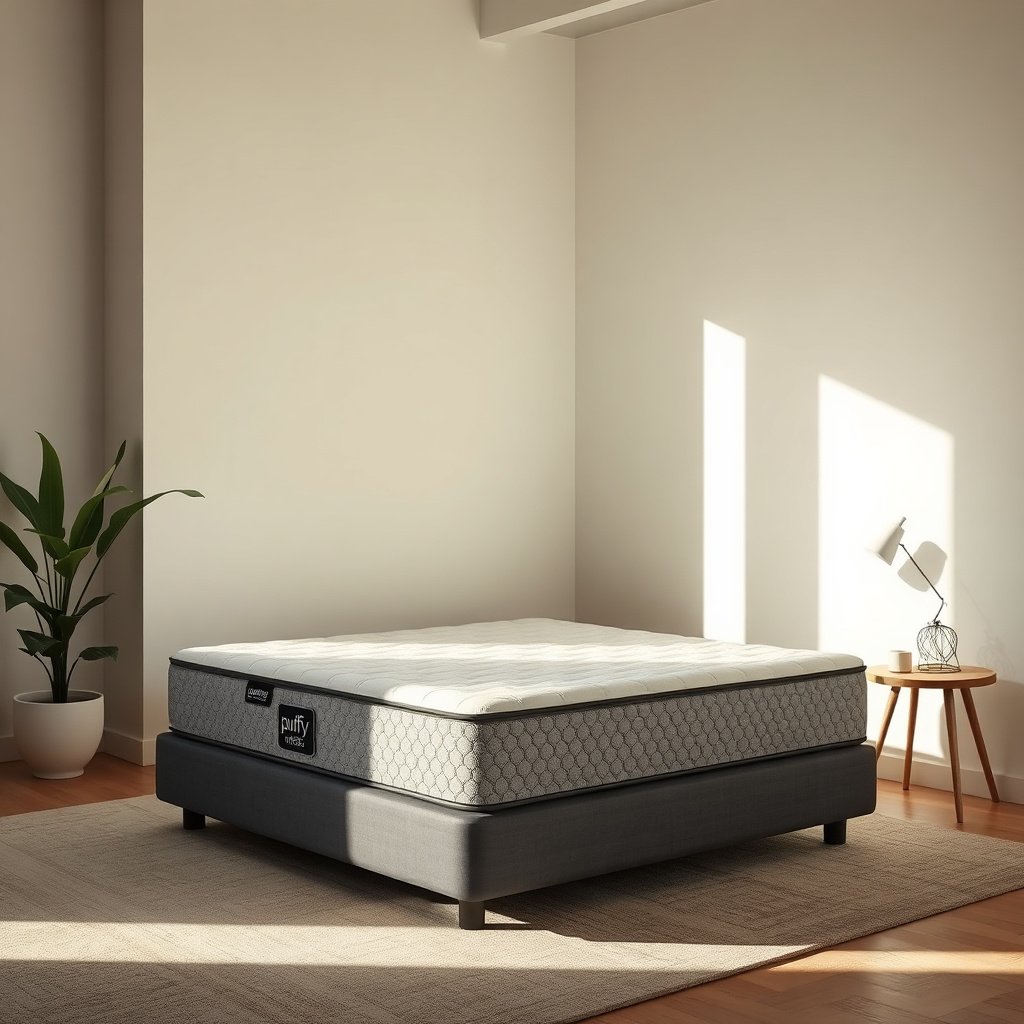
Puffy mattress reviews most often revolve around comfort first, then “will it work for my body and sleep style?” Here’s what reviewers tend to focus on when they explain why they’re happy—or why they’re not—with Puffy.
– Comfort/pressure relief: reviewers often mention the “sink-in” feel and how it affects sore spots
In practice, this usually means the comfort layers contour around shoulders, hips, and—depending on your profile—lower back pressure. Foam that softens at contact can reduce point pressure, which is why side sleepers frequently describe feeling “less wake-up pain” in review language.
– Firmness expectations: opinions can vary depending on body weight, sleep position, and preferences for “medium” vs “firmer” support
The same mattress can feel supportive to one person and overly plush to another. Puffy’s foam-forward design means “medium” in one reviewer’s vocabulary can be “too soft” to someone who wants a more responsive, higher-recoil surface.
– Heat and airflow: many comments focus on whether foam feels warm compared with innerspring or hybrid beds
Foam can trap heat more readily than coil-based designs for some sleepers. Reviews often mention whether they wake up sweaty, feel consistently warm, or feel neutral—yet those reports also depend heavily on bedding (duvets vs breathable sheets), room temperature, and whether you sleep warm naturally.
Comfort & materials: what to compare in reviews
Puffy mattress reviews can be easier to interpret when you compare the same “comfort” details across multiple posts. Instead of relying on star ratings alone, look for how people describe the feel at first contact versus after settling.
– Comfort layer details: look for what reviewers say about softness at first contact and whether that changes as the mattress “breaks in”
A common pattern in Puffy mattress reviews is a “progressively better” timeline—where people report the mattress feels different after the foam settles. To evaluate this, focus on descriptions like “initially too plush” vs “after a few weeks it’s supportive.”
– Cover and temperature notes: check what the manufacturer says about the cover fabric and airflow features, then compare with review comments
Temperature feedback in Puffy mattress reviews often falls into three buckets: cool/neutral, mildly warm, or consistently warm. If a review matches the cover’s intended breathability (manufacturer claims about airflow/comfort fabric), it’s usually more credible than a generic “foam is hot” complaint.
– Motion transfer: if you share a bed, scan reviews for “movement” and “wake-up” reports (foam behaves differently than coils)
With foam, movement is often quieter than springs, but “how quiet” depends on your exact comfort preference. Look for phrases like “partner movement doesn’t wake me” or “I feel roll-together” because foam can either dampen motion or conform enough to make bed-partners feel linked.
Puffy Mattress Policies Shoppers Commonly Check (Official Terms)
| # | Policy/Term | Official Detail | What It Means for Reviews | Doc Clarity |
|---|---|---|---|---|
| 1 | Sleep Trial Length | 101 nights | Reviews should mention whether people used the trial and how soon they decided | ★★★☆☆ |
| 2 | Return Window | During the 101-night trial | “Hard to return” reviews often come from misunderstanding timing/steps | ★★★☆☆ |
| 3 | Warranty Length | 10 years | Warranty complaints typically focus on what qualifies as excessive sag | ★★★★☆ |
| 4 | Warranty Coverage Concept | Body impressions beyond the policy threshold | Durability review claims should be cross-checked against that threshold definition | ★★☆☆☆ |
| 5 | Shipping Method (Typical) | Delivered compressed/rolled in a box | Early “it felt different” reviews may reflect temporary post-unboxing compression | ★★★☆☆ |
| 6 | Return Process (Typical) | Customer initiates return; pickup is arranged | “Support was slow” reviews often relate to coordination, not policy wording | ★★☆☆☆ |
| 7 | Refund Timing (Typical) | Refund issued after return steps complete | If a review cites surprise delays, it’s often after-handling/processing timing | ★★☆☆☆ |
Support by sleep position (back, side, stomach)
Puffy mattress reviews can be made far more useful if you sort them by sleep position first. Foam mattresses tend to reward some alignments (often side and back) while exposing others (sometimes stomach) depending on comfort thickness and how deeply your hips sink.
– Side sleepers: reviews that describe pressure relief around hips/shoulders are usually the most relevant
If you sleep on your side, you want the mattress to cushion without letting your spine twist. In Puffy mattress reviews, “hip support” often matters as much as pressure relief—if hips sink too much, some sleepers end up feeling numb or sore, even when the first-contact comfort feels great.
– Back sleepers: prioritize comments about lower-back support (whether the mattress lets hips sink too much or stays aligned)
Back sleepers usually look for alignment—hips and shoulders staying at comparable heights. Puffy mattress reviews that mention “lower back feels supported” are a strong indicator that the foam contour isn’t collapsing too aggressively under your torso.
– Stomach sleepers: focus on reviews that mention whether the bed keeps the torso from dipping—this can vary a lot with foam feel
Stomach sleeping is the hardest position for many foam beds, because lumbar sag can create an arched lower back. In Puffy mattress reviews, you’ll often see either “torso stays up” (good fit) or “my hips sink and I feel misaligned” (possible mismatch).Value check: trial, returns, and warranty terms
Puffy mattress reviews will only be a reliable buying signal if you validate the policies behind the comfort. The fastest way to avoid regret is to confirm what happens after you decide the feel isn’t right—because “comfort” is subjective and firmness can vary by body type.
– Trial/return process: confirm the exact trial length, return steps, and any conditions (comfort/shape guidelines, pickup rules, etc.)
According to Puffy’s Sleep Trial & Returns Policy, the brand offers a 101-night sleep trial, which is the review-worthy safety net most shoppers should understand before committing. If you’re reading reviews written early (before a return), those comments can be incomplete compared with someone who used the full window.
– Warranty coverage: review what’s included (e.g., sag/indent thresholds, coverage years) so you’re not surprised later
According to Puffy’s Limited Warranty Terms, the warranty covers the mattress for 10 years. Reviews that focus on “sag over time” are only comparable when they describe whether the issue aligns with the warranty’s definition of excessive body impressions.
– Shipping and setup: look for time-to-delivery expectations and whether the mattress arrives compressed/rolled (manufacturer specs will clarify)
Foam mattresses commonly arrive compressed/rolled in shipping packaging; that means early “it felt too firm/too soft” reviews can reflect initial recovery time. Also, if you need to share a delivery date with a household schedule, verify shipping expectations in Puffy’s current policy and FAQs: in 2026, lead times can still vary by region.
What can go wrong (common review complaints)
Puffy mattress reviews can still mislead you when they mix different needs—like warmth sensitivity and firmness preference—into one score. The goal is to spot which complaints are about your likely priorities, not just “what people disliked.”
– “Too soft” or “too firm” mismatch: foam comfort can feel different than expected, especially if you prefer a more responsive surface
If you like a quick “bounce-back” feel (common in hybrids), Puffy’s foam-forward contour can feel slower and more enveloping. In reviews, pay attention to whether someone says they wanted firmer support versus whether they simply found it uncomfortable on first contact.
– Heat retention: if you run warm, prioritize reviews that mention night sweats or persistent warmth—and cross-check the cover/materials
Foam can feel warmer to some sleepers, especially with certain sheet/drape setups. If a review mentions waking up “hot” repeatedly across nights, that’s more meaningful than one-off “I felt warm one evening.” In 2026, many shoppers solve this with breathable bedding, but you still want the mattress’s baseline temperature behavior to match your tolerance.
– Durability expectations: some reviewers may report changes over time; match their notes to your weight range and usage (rotating recommendations matter)
Durability complaints aren’t equally relevant for everyone. If a reviewer is significantly heavier or uses the mattress differently (no rotation, foundation mismatch, heavier concentrated sitting), their experience won’t map cleanly to your case.
Quick comparison (what people tend to like vs dislike about Puffy foam feel)
| Pros reviewers often cite | Cons reviewers often cite |
|---|---|
| Pressure relief for side and many back sleepers | Firmness expectations vary by body weight and preference |
| Quieter motion than traditional innerspring (often helpful for partners) | Possible warmth depending on climate and bedding |
| Comfort layers feel “hugging” at first contact | Some stomach sleepers report hip/lumbar sink |
Verdict: who Puffy mattress reviews point to (and who should skip)
Puffy mattress reviews generally point to sleepers who want foam comfort and pressure relief—and who are willing to confirm fit using position-based reading plus policy terms. Based on the recurring themes, Puffy can be a strong match when your priorities are cushioning over maximum cooling and instant responsiveness.
– Best fit: people who want foam comfort and pressure relief and are willing to prioritize feel over maximum cooling
If your reviews shortlist aligns with side/back support themes—“pressure relief,” “alignment,” and “less wake-up soreness”—Puffy’s profile is likely to feel right.
– Downsides to accept: potential firmness variability, possible warmth depending on your sleep climate and bedding choices
If you’re highly sensitive to warmth or you need a very firm, buoyant surface, you’ll want to weigh the review heat/support balance carefully against Puffy’s official cover and materials claims.
– Skip if: you need very firm support, you hate “sink-in” mattresses, or you’re particularly sensitive to heat—unless the manufacturer’s cooling claims and your preferred sleep position align
Stomach sleepers and firm-support seekers should treat Puffy as a “test first” choice. Also, if you need a mattress with very predictable firmness across small body differences, foam-forward comfort can introduce variance.
Frequently Asked Questions
What do Puffy mattress reviews say about comfort and sleep quality?
Many Puffy mattress reviews highlight strong pressure relief, especially for side sleepers who need support for hips and shoulders. Reviewers often report reduced tossing and turning because the mattress helps keep the spine aligned without feeling overly firm. Comfort expectations can vary, but the “medium-firm” feel is a common theme in Puffy mattress feedback.
How does the Puffy mattress perform for back and side sleepers?
Reviews of the Puffy mattress frequently mention that back sleepers get supportive, even alignment while side sleepers benefit from contouring foam layers. If you sleep on your side, look for reviews that describe cushioning around the shoulder and hip areas, since that’s where comfort issues usually show up. For back sleepers, check whether reviewers mention good support under the lumbar region rather than a “sinking” sensation.
Why do some people report heat retention on the Puffy mattress in reviews?
Some Puffy mattress reviews discuss temperature management, with experiences depending on room climate, bedding, and personal heat sensitivity. While the mattress is designed with cooling in mind, foam mattresses can still trap some warmth compared with innerspring options. If you often wake up hot, reviewers who mention breathable covers or using cooling sheets can help you decide if Puffy will work for you.
Which firmness feels best according to Puffy mattress reviews?
The most common takeaway from reviews of Puffy mattress is that it lands in the medium-firm range, balancing contouring with overall support. Many shoppers prefer it if they want a “not too soft, not too hard” feel that works for multiple sleep positions. If you’re deciding between firmness preferences, focus on reviews from people with similar body weight and sleep style, since firmness perception can shift with weight distribution.
What are the best alternatives to a Puffy mattress based on common review comparisons?
Customers who compare Puffy mattress reviews with other memory foam options often prioritize similar pressure relief, motion isolation, or cooling performance. If you want a closer feel to traditional mattresses, some people switch to hybrid models after reading that they prefer coil support over all-foam comfort. To find the best alternative, use Puffy reviews to identify your biggest pain point—like back support, edge support, or heat—and then compare brands that address that specific concern.
📅 Last Updated: November 01, 2026 | Topic: reviews of puffy mattress | Content verified for accuracy and freshness.
References
- https://pubmed.ncbi.nlm.nih.gov/?term=mattress+volatile+organic+compounds+emissions
- https://pubmed.ncbi.nlm.nih.gov/?term=polyurethane+foam+volatile+organic+compounds+indoor+air
- Memory foam
- eCFR :: 16 CFR Part 1632 — Standard for the Flammability of Mattresses and Mattress Pads (FF 4-7…
- eCFR :: 16 CFR Part 1633 — Standard for the Flammability (Open Flame) of Mattress Sets
- https://www.cpsc.gov/Safety-Education/Safety-Guides/Mattress-Safety
- https://www.who.int/news-room/fact-sheets/detail/sleep-and-health
- https://scholar.google.com/scholar?q=puffy+mattress+review Google Scholar
- https://scholar.google.com/scholar?q=puffy+lux+mattress+review Google Scholar
- https://scholar.google.com/scholar?q=bed+in+a+box+consumer+reviews+foam+mattress Google Scholar






One Comment