
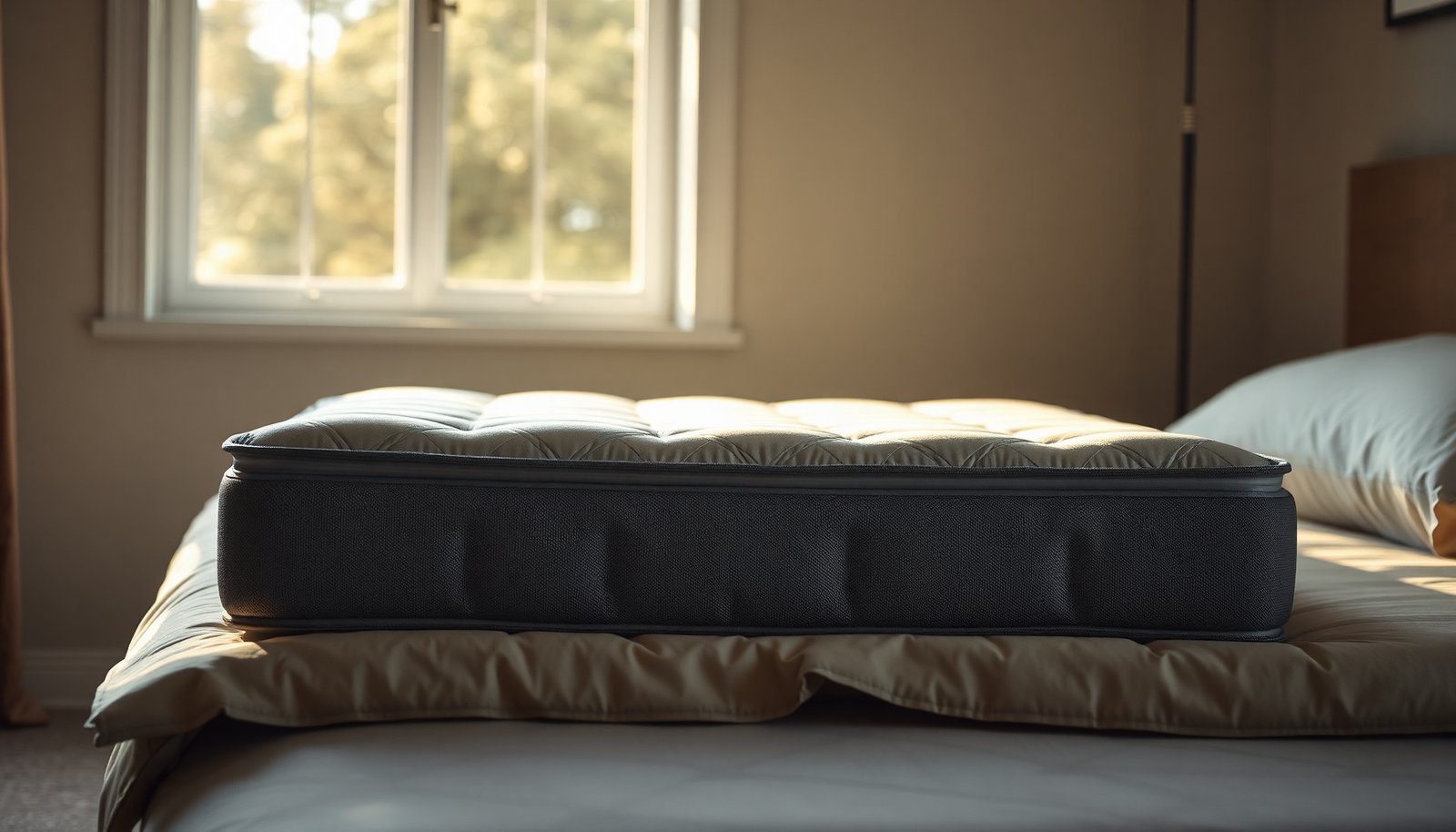
Simmons Mattress Reviews: What to Know Before You Buy
Simmons mattress reviews can be confusing, but the right pick is clear for shoppers who prioritize comfort, support, and durability over marketing claims. This review-style comparison is for anyone trying to choose the best Simmons model for their sleep position and firmness preference. We judge each option by pressure relief, edge support, temperature control, motion isolation, and how the materials and build hold up over time.




Yes—Simmons mattress reviews can help you predict comfort, but only if you translate them into your own sleep position and comfort needs. The key is to read “firmness” and “feel” descriptions as clues about the comfort layer (surface) and support core (spine alignment), then cross-check motion transfer, edge support, and temperature comments before you order.
If you’re comparing models online (or bouncing between showroom impressions and review pages), this guide helps you sift through the mixed feedback so you can choose the Simmons mattress that’s most likely to fit your body—without relying on hype or star ratings alone.
How Simmons mattress reviews usually break down
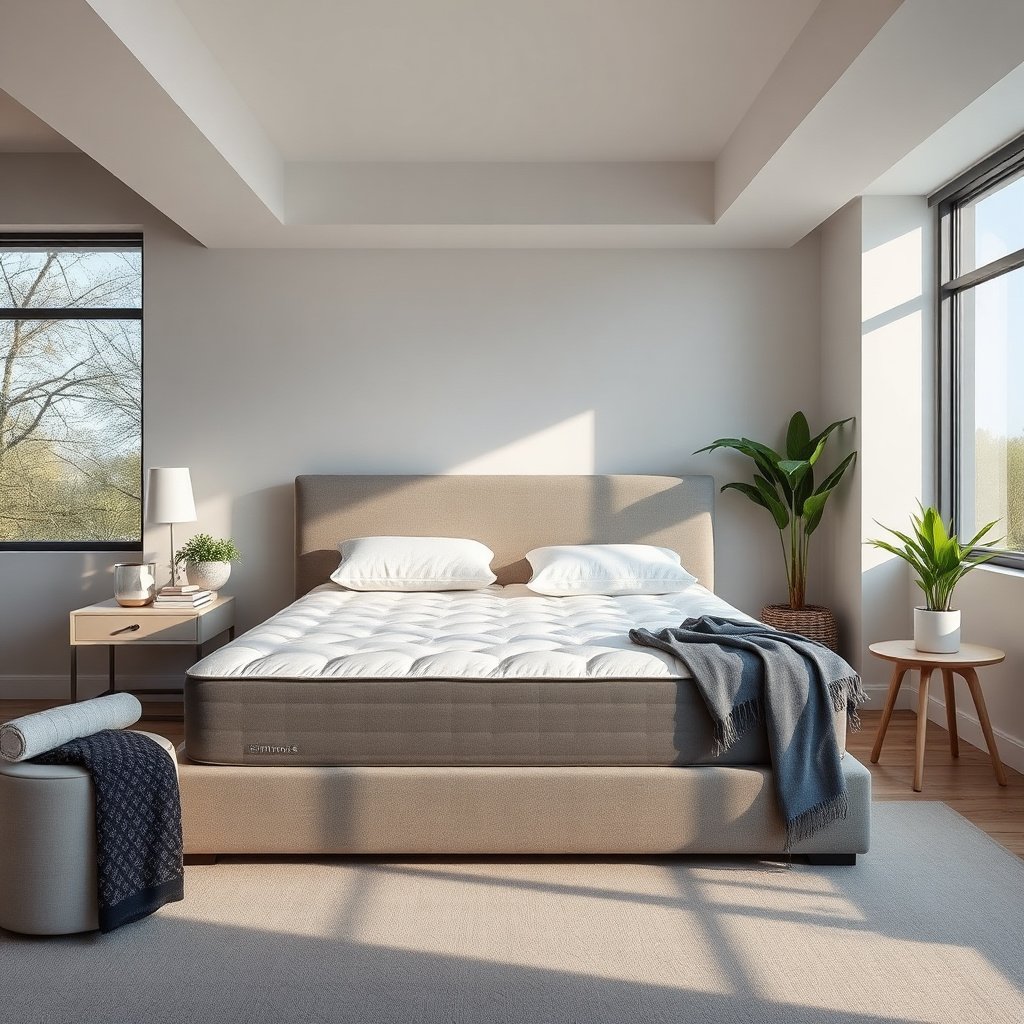
Most Simmons mattress reviews focus on whether the top comfort layer matches the reviewer’s preferences, and then secondarily on how well the mattress supports the body in real sleeping. When reviewers disagree, it’s usually because they’re describing different sleep styles (side vs. back vs. stomach) or different body pressure patterns—not because the mattress is “mysterious.”
What reviewers emphasize first
– Comfort feel gets the most attention: People often describe whether the top feels plush, balanced, or firm, and whether it “hugs” or stays more surface-level.
– Support and pressure relief are the deciding factors: Many comments come down to back/hip comfort and whether the mattress keeps the spine aligned when you lie on your side or your back.
– Sleep-lifestyle matters: Reviews commonly mention whether the mattress works better for side vs. back vs. stomach sleeping, and whether it handles partner movement with less disturbance.
A quick way to interpret “comfort” in Simmons mattress reviews
Comfort isn’t one thing—it’s a combination of pressure relief (how much your shoulders/hips sink) and surface temperature (how warm the top layer runs). A Simmons mattress review that says “firm but comfortable” might mean the comfort layer is relatively resilient rather than cushiony, while another “firm” review might mean the surface feels too stiff for shoulder/hip pressure.
Mattress Size Geometry That Affects How Simmons Reviews “Translate” (US standard sizes)
| # | Mattress size | Width (in) | Length (in) | Surface area (sq ft) | Couples space vs Queen |
|---|---|---|---|---|---|
| 1 | Twin | 38 | 75 | 19.79 | -13.54 sq ft ★★☆☆☆ |
| 2 | Twin XL | 38 | 80 | 21.11 | -12.22 sq ft ★★☆☆☆ |
| 3 | Full | 54 | 75 | 28.13 | -5.20 sq ft ★★★☆☆ |
| 4 | Queen | 60 | 80 | 33.33 | 0.00 sq ft ★★★★☆ |
| 5 | King | 76 | 80 | 42.22 | +8.89 sq ft ★★★★★ |
| 6 | California King | 72 | 84 | 42.00 | +8.67 sq ft ★★★★★ |
| 7 | Split King (2× Twin XL) | 76 | 80 | 42.22 | +8.89 sq ft ★★★★★ |
This size geometry matters because Simmons mattress reviews can sound “about firmness,” but the lived experience also changes with how much space you have to reposition—especially if your partner touches you when turning.
How to choose the right Simmons mattress (based on review details)
The best Simmons mattress match comes from aligning the reviewer’s sleep mechanics (position + pressure points) with your own. When you do that, even conflicting Simmons mattress reviews tend to separate into “works for side sleepers like me” vs. “fine for back sleepers, not for hips.”
Match the review’s sleep position to yours
Side sleepers usually need pressure relief at the shoulders and hips, so they often describe the mattress as “hugging” or “allowing my hips to sink.” Back sleepers tend to talk about lumbar support and whether the mattress prevents a too-low or too-high waist. Stomach sleepers often complain if there’s too much sink, because their lower back can tilt upward.
In my earlier mattress shopping, I noticed that “firm” descriptions often mean something different to side sleepers vs. back sleepers—so I treat position-matched reviews as more predictive than overall ratings.
Decode firmness claims (and what they actually mean)
Firmness is not standardized across every brand and model line, so treat “firm” as a starting word, not a promise. In Simmons mattress reviews, “firm” sometimes describes:
– Surface feel (how it feels when you lie down)
– Support behavior (how quickly it stops sinking)
– Comfort-layer response (how springy it feels vs. how it contours)
Look for modifiers like contours/pressures melts, springy/keeps its shape, or stable/doesn’t sink much. Those details often reveal whether the comfort layer you want is actually present.
Check motion isolation and edge support clues
If you share the bed, Simmons mattress reviews that mention “I can roll without waking my partner” are usually the most useful. Motion isolation (how much movement travels across the mattress) matters most when one sleeper changes position frequently or has a lighter, more sensitive touch.
If you sit on the edge (or sleep near it), prioritize reviews that mention edge stability. Inconsistent edge notes can signal that the mattress may feel supportive in the center but less so at the perimeter—something many people only notice when getting in and out.
Don’t ignore construction preferences
Simmons models can differ in how they combine support cores (the foundation) with comfort layers (the top materials). Simmons mattress reviews that focus on “what I feel on top” often indirectly tell you the comfort layer’s thickness and behavior, even if the reviewer never mentions materials by name.
To make this actionable, map review language back to the layer role:
– Comfort layer: pressure relief + heat feel
– Support core: spinal alignment + response stability
– Cover/top fabric: temperature and surface grip (slip vs. “stays put”)
Side-by-side: how to weigh common Simmons review signals
If you want a simple decision structure, use this comparison as a guide when you’re reading Simmons mattress reviews:
| Review signal | What it usually indicates | Best match if you… |
|---|---|---|
| “Hugs/contours” | Comfort layer creates pressure relief via shape change | Need shoulder/hip cushioning as a side or mixed sleeper |
| “Stays lifted/doesn’t sink” | More surface support; less contouring into the top layer | Prefer a stable feel or sleep on back/stomach |
| “Back feels aligned” | Support core behavior keeps lumbar from collapsing | Want mid-back support without a “banana back” |
| “Partner movement wakes me” | Lower motion isolation for that model’s top response | Are a light sleeper or share the bed with a restless partner |
| “Edge collapses” | Edge support may be weaker than center support | Sit/sleep near the perimeter often |
| “Sleeps hot” | Top materials may retain heat for that sleeper | Run warm and want cooler microclimates |
| “Improves after break-in” | Comfort layer response changes over time | Can wait a few weeks before judging |
Pros and cons people commonly point out (without relying on hype)
Simmons mattress reviews usually converge on a few repeat themes—both positives and negatives. If you read these themes as patterns rather than verdicts, you can reduce the risk of buying a model that only feels good for a different body type or sleep position.
Upside themes you’ll see often
– Balanced support for many sleepers (but it depends on firmness): Many Simmons buyers find that support feels “even” across the body instead of overly localized.
– A noticeable difference between models: Reviews may praise one Simmons line and criticize another, which is why model-specific reading matters.
Downside themes you should watch for
– Comfort is subjective: Even when reviewers use similar firmness words, the actual feel can differ based on body weight and which part of the mattress is pressed most.
– Break-in period changes the feel: Some Simmons mattress reviews report the mattress feels different after the initial weeks.
– Heat, durability, and off-gassing show up as repeated concerns: If multiple reviewers mention the same issue—especially “sleeps hot” or persistent odor—it’s more informative than a single outlier.
What can go wrong when you buy based on reviews alone
You can absolutely end up disappointed if you treat Simmons mattress reviews like a universal recipe. Reviews describe one person’s body on one night, so the main failure modes are mismatch (sleep style, temperature sensitivity, partner dynamics) and misinterpretation (firmness language).
Common mistakes to avoid
– Using star ratings without reading the wording. Two people can leave the same score while describing completely different comfort experiences—especially if their sleep positions differ.
– Assuming “firm” means “right for your body.” If you’re a side sleeper and a model is described as firm on top, reviews may predict shoulder/hip pressure.
– Ignoring partner and movement needs. A mattress can feel great solo but feel noisy or disruptive if it lacks motion isolation.
– Not comparing the exact model. “Simmons mattress” reviews can be scattered across different comfort styles or generations—always confirm the exact line and variant.
– Overlooking your own temperature and pressure sensitivities. If you’re warm at night or feel pressure easily, prioritize review keywords that match those concerns.
Practical edge case to remember
If the reviewer says they weigh “around average” (or mentions weight range) and you’re far above or below that, comfort-layer response can shift—especially with contouring materials. Simmons mattress reviews that include body-weight context tend to be more useful for predicting your likely experience.
Mattress basics that affect comfort reading
Even though Simmons mattress reviews focus on comfort, the underlying materials are governed by key standards. For example, in the U.S., mattresses sold must comply with the federal flammability requirement U.S. Consumer Product Safety Commission (CPSC), 16 CFR Part 1633. That compliance doesn’t tell you softness directly, but it helps frame why certain foam and cover behaviors exist across models.
Also, your sleep duration matters for how “support issues” feel day to day: adults typically need 7–9 hours of sleep (National Sleep Foundation, 2015)—so if you’re consistently sleeping less, pain and pressure impressions can feel more severe and be misattributed to the mattress.
Verdict: Are Simmons mattress reviews worth it?
Simmons mattress reviews *can* be worth reading—if you treat them like structured data, not a verdict. The most reliable approach is to filter Simmons mattress reviews by (1) your sleep position, (2) firmness/feel descriptors, (3) pressure and movement comments, and (4) whether the reviewer’s problem matches your likely pain point.
That said, you should skip relying on reviews alone if:
– You can’t identify which Simmons model/variant the reviewer tested (line name and firmness/feel can change results).
– You have very specific medical comfort requirements, extreme heat sensitivity, or a strong preference for a particular construction type.
– You need guarantees tied to your exact product—confirm warranty, trial/return terms, and care instructions on the specific item documentation.
And one important technical note: mattress comfort claims often relate to how materials compress under load. Standards-based foam testing commonly uses indentation load deflection concepts (for example, testing at defined compression levels, such as 25% and 65% indentation in ASTM International, ASTM D3574). Reviews don’t replace these measurements, but they help you interpret how that behavior feels in real sleep.
Quick checklist for reading Simmons mattress reviews
Use this scan guide before you decide:
| What to look for in reviews | What it usually tells you | Red flag if it repeats |
|---|---|---|
| Firmness + *how it feels on top* | Whether the comfort layer matches your pressure needs | “Firm but not supportive” or constant “too stiff” |
| Sleep position match | Likelihood of similar comfort | Side sleepers calling it “hard on shoulders/hips” |
| Motion transfer notes | Partner-friendliness and movement comfort | “Every time they move, I feel it” |
| Edge support mentions | Getting in/out and sleeping near the edge | “Collapses when I sit on it” |
| Heat/airflow remarks | Temperature regulation expectations | Repeated “sleeps hot” complaints |
Quick “do this next” steps:
– Create a shortlist of 3–5 review themes that match you (pressure relief, motion control, heat, edge).
– Prioritize repeated wording (the same issue mentioned across multiple reviewers) over single outliers.
– Verify model specifics (name, size, firmness feel) before acting on feedback.
Frequently Asked Questions
Which Simmons mattress is best for side sleepers based on Simmons mattress reviews?
Side sleepers typically do best with Simmons models that offer strong contouring and pressure relief, such as those with pillow-top or comfort-layer cushioning. In many Simmons mattress reviews, models with medium to medium-firm feels are often recommended because they help keep the shoulders and hips supported without sinking too much. Check for features like motion isolation and targeted support if you share the bed or wake up when your partner moves.
How do Simmons mattress reviews describe comfort and support over time?
Many Simmons mattress reviews focus on the balance between comfort and supportive feel, especially in models built with coil systems or hybrid layers. Reviewers commonly mention that mattresses can maintain shape well when the support core is durable, though comfort can vary depending on firmness and body weight. To avoid premature sagging, rotate the mattress when recommended and use a compatible foundation or bed frame.
What are the most common complaints mentioned in Simmons mattress reviews about durability or sagging?
Some of the most frequently discussed complaints in Simmons mattress reviews relate to perceived sagging, especially on older units or models that are overly soft for a heavier sleeper. A smaller number of reviewers also mention edge support issues, where the perimeter feels less stable. If durability is your priority, look for reviews that specifically mention consistent support and minimal indentation after months of use.
Why do people say Simmons mattresses are good for couples, and what do reviews say about motion transfer?
Simmons mattress reviews often highlight motion isolation as a key advantage, especially for couples who wake up from movement during sleep. Coil designs with comfort layers can reduce how much you feel partner motion, and some models also perform well at minimizing partner disturbance. If you’re sensitive to movement, prioritize reviews that mention “minimal motion transfer” and consider firmer comfort layers if you feel you sink too deeply.
How can I choose the right firmness level when comparing Simmons mattress reviews?
When comparing Simmons mattress reviews, start by matching firmness to your primary sleep position and body weight. Side sleepers often prefer medium to medium-firm for better pressure relief, while back and stomach sleepers usually lean toward medium-firm to firm to keep the spine aligned. Also pay attention to “feel” descriptors in reviews—words like “plush,” “supportive,” or “cradling” can help you predict comfort before purchasing.
📅 Last Updated: November 01, 2026 | Topic: simmons mattress reviews | Content verified for accuracy and freshness.
References
- Mattress
- https://en.wikipedia.org/wiki/Simmons_Bedding
- How Sleep Works – How Sleep Works | NHLBI, NIH
- Sleep | Sleep | CDC
- Sleep tips: 6 steps to better sleep – Mayo Clinic
- eCFR :: 16 CFR Part 1633 — Standard for the Flammability (Open Flame) of Mattress Sets
- https://pubmed.ncbi.nlm.nih.gov/?term=mattress+firmness+sleep+quality
- https://scholar.google.com/scholar?q=Simmons+mattress+reviews Google Scholar
- https://scholar.google.com/scholar?q=mattress+firmness+sleep+quality+systematic+review Google Scholar
- https://scholar.google.com/scholar?q=mattress+type+comfort+pain+randomized+trial Google Scholar

One Comment