

How to Choose a Latex Mattress for Dorm Stomach Sleepers with Asthma
Are you shopping for a latex dorm mattress that will let you stomach sleep while keeping asthma triggers to a minimum? The right choice is possible, but it takes a few deliberate checks: firm enough to support your hips, low-odor and low-irritant materials, and a cover that’s easy to clean in a small room. In the next steps, you will learn exactly what to look for and how to narrow options without wasting money or time.


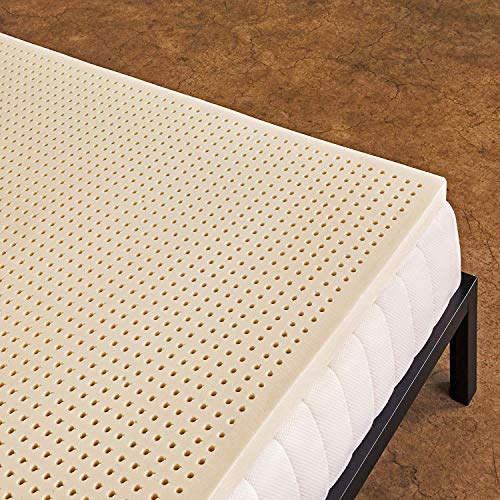

If you sleep on your stomach and have asthma in a dorm, choose a latex mattress that combines low-odor materials, solid sealing, and enough support to keep your hips level (not sagging). Then ventilate it in a well-aired room for several days and confirm your symptoms improve rather than flare.
If you’re moving into a dorm (limited space, shared air, fewer “offline” setup options) and you’re a stomach sleeper with asthma, the right mattress choice is less about “coolness claims” and more about support alignment, odor control, and how easily you can keep dust and irritants down.
Who this is for (and when to be careful)
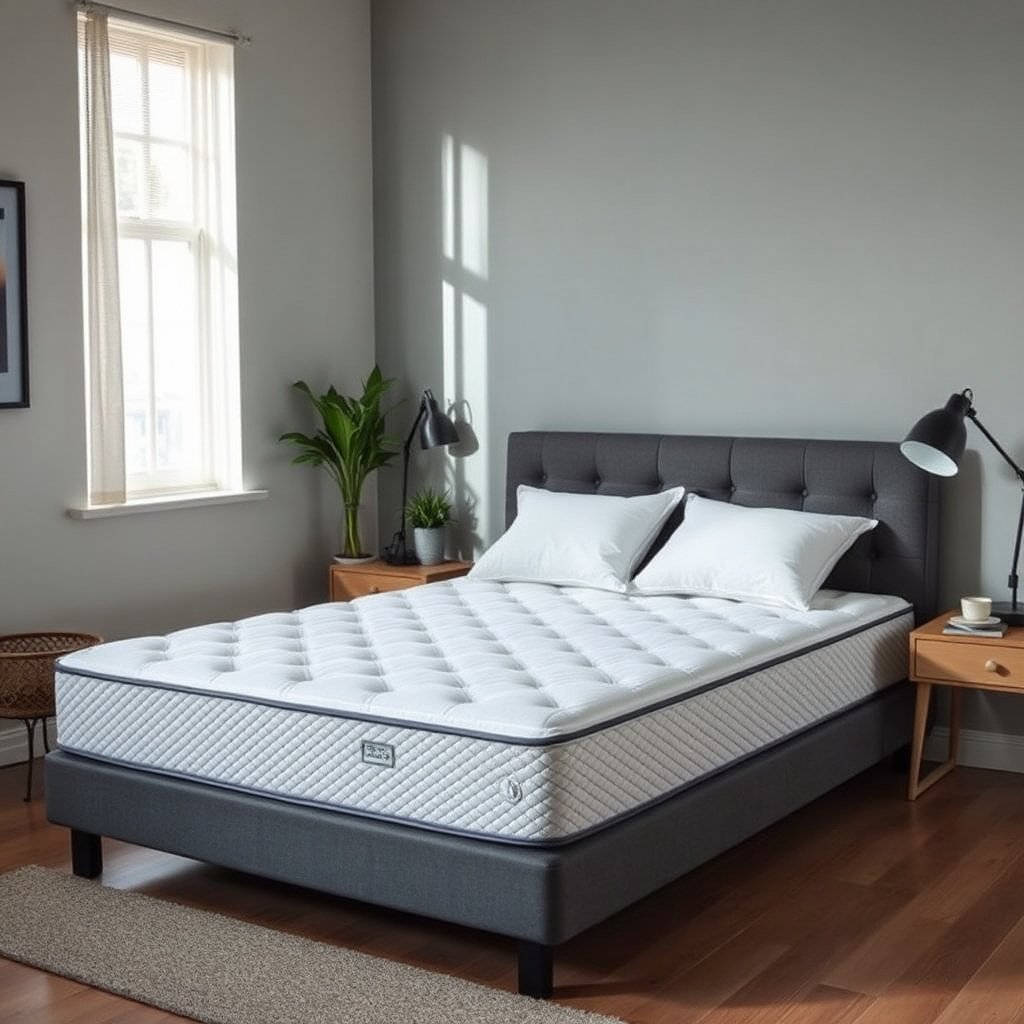
This guide is for stomach sleepers in dorms who need a latex mattress that won’t let their pelvis sink and worsen pressure on the chest or lower back. It also fits anyone whose asthma is sensitive to dust, residue on surfaces, or new-product odors.
– Best fit if you sleep mostly on your stomach and need a mattress that won’t let your hips drop out of alignment. Stomach sleeping is the position most likely to cause “lower back tenting” when the hips sink, so support matters more than plushness.
– Extra careful if your asthma is highly reactive to smells/irritants—new-mattress setup and ventilation matter as much as the latex itself. Latex mattresses can have an initial odor from manufacturing and packaging processes; odor can be a trigger for some people.
– Consider alternatives (or professional guidance) if you’re unsure whether latex or mattress components could be a trigger—don’t assume “natural” equals “safe for asthma.” “Natural latex” can still include additives from manufacturing, and “asthma” isn’t one uniform sensitivity.
What to look for in a latex mattress for asthma
The right latex mattress for asthma isn’t just about “latex vs foam”—it’s about clear materials, emissions/odor control, and dust containment. In 2026, more brands publish emissions and cover construction details, so you can shop with less guesswork.
– Prioritize latex quality and certification: aim for a mattress that clearly states latex type (natural/blended) and manufacturing details rather than vague “latex foam” language. Look for terms like “natural latex,” “blended latex,” and whether it’s produced via Talalay or Dunlop (these influence how the foam feels and responds).
– Choose a cover that’s easier to keep clean: removable, washable covers (or tightly woven encasements) can help reduce dust exposure. A dorm setup is unpredictable—shared airflow, roommates moving around, and limited laundry access—so a cover you can actually manage is a big win.
– Verify “low-odor / low-VOC” claims: if the brand offers an off-gassing/odor timeline, follow it; if not, plan to ventilate longer than you normally would .
VOC (volatile organic compounds) are chemicals that can off-gas from new materials and affect indoor air quality.
To make comparisons easier, here’s how latex typically stacks up against other common dorm mattress materials when asthma and dorm hygiene are the priorities:
| Material type | Common asthma-relevant strength | Common limitation in dorm use |
|---|---|---|
| Latex mattress (natural/blended) | Often easier to contain dust with the right encasement; responsive support can reduce “hip sink.” | New-unit odor can be an issue if ventilation is rushed; cover quality still matters. |
| Memory foam | Can feel pressure-relieving if properly supported. | Odor/off-gassing can be more noticeable for some people; support can degrade if layers are too soft. |
| Innerspring | More airflow through coils. | Dust and allergens still accumulate; comfort layers may not prevent stomach-sleeper hip sag. |
| Hybrid (foam/latex over coils) | Often balances support and comfort. | If the comfort layer is foam, odor/density choices can still influence triggers. |
As you shop for a latex mattress, keep asthma context in mind: According to the Centers for Disease Control and Prevention (CDC), asthma affects about 25 million people in the United States (2023). In shared-dorm air, “manageable” can still mean different reactions—odor, dust exposure, and airflow all interact.
Dialing in stomach-sleeper support (so you don’t sink)
The best latex mattress for stomach sleepers with asthma keeps your hips from sinking so your spine stays neutral. Here the goal isn’t “soft and cozy”—it’s “comfort that resists collapse,” because collapsed hips can change how your chest expands during breathing.
– Target a firmness that keeps hips level: too soft can cause your pelvis to sink, increasing pressure on the lower back and (for some people) making breathing feel harder. A latex mattress’s responsiveness can help, but firmness is still the foundation.
– Use a comfort layer that doesn’t trap you: latex often provides responsive support, but the feel will vary by design—look for a balance between cushioning and “push-back.” If the top feels plush while the body feels like it disappears, you may be sacrificing alignment.
– Don’t forget head/neck support: even with the right mattress, pairing it with a low-to-medium pillow can reduce neck strain for stomach sleepers. Neck and shoulder discomfort can worsen whole-body tension, which can make you more aware of breathing.
In my own dorm setups, I’ve found that the “wrong” mattress doesn’t always feel wrong immediately—it tends to show up after a full night when you wake with lower-back strain. For your situation, that feedback is useful: if you wake up feeling compressed or you notice increased shortness of breath during the night, reassess support and setup before assuming it’s unrelated.
If you’re comparing firmness options, think in terms of body geometry: a stomach sleeper generally needs a mattress that supports the hips early, not one that only supports them after you “break in” over time.
Dorm practicality: size, setup, and odor control
The most asthma-friendly plan is to match dorm bed dimensions first, then run a deliberate ventilation routine before sleep. For stomach sleepers, even a slightly off-fit mattress protector can create uneven pressure points that pull you out of alignment.
– Confirm fit for your dorm frame: measure bed dimensions and allow for any required mattress thickness/clearance so the mattress sits flat. A mattress that bows at the edges can encourage hip sag in the middle.
– Plan your off-gassing routine: set the mattress up as soon as you can, keep the room ventilated, and avoid sleeping on it immediately if it still smells strong.
– Use the right encasement strategy: a properly fitted mattress protector/encasement can help with dust exposure and makes cleaning more manageable in a shared room. Seams and zipper gaps matter—if dust can work into the cover, your “easy-clean” plan gets harder.
Indoor air quality is part of this equation. According to the U.S. Environmental Protection Agency (EPA), indoor air can contain pollutants at levels that are several times higher than outdoor air (reported across EPA indoor air guidance). That’s why ventilation and sealed dust control aren’t “nice extras”—they’re core asthma management tactics in dorm life.
A related factor is dust-mite pressure: dust mites thrive in warm, humid conditions. According to the CDC, keeping indoor humidity lower can help reduce dust-mite growth, because dust mites prefer higher humidity environments. A mattress encasement won’t eliminate everything, but it improves your odds—especially when you can’t deep-clean bedding on demand.
Common Dorm Bed Sizes and Surface Area (Quick Fit Reference, 2026)
| # | Dorm bed size | Dimensions (in) | Surface area (sq ft) |
|---|---|---|---|
| 1 | Twin XL | 38 × 80 | 19.8 |
| 2 | Twin | 38 × 75 | 19.8 |
| 3 | Three-quarter | 48 × 75 | 25.0 |
| 4 | Full (Double) | 54 × 75 | 28.1 |
| 5 | Full XL | 54 × 80 | 30.0 |
| 6 | Queen | 60 × 80 | 33.3 |
| 7 | King | 76 × 80 | 42.2 |
What can go wrong (common mistakes for asthma + stomach sleeping)
The biggest failure mode is assuming “latex” automatically equals “asthma-safe” and “stomach-sleeper friendly.” In practice, construction details—comfort thickness, sealing quality, and cover fit—determine whether your latex mattress helps or harms.
– Buying based only on “latex” without checking construction: you can still end up with too-soft support if the comfort layers are thick or the core is low-density. For stomach sleepers, a top that feels great can still allow hip sink.
– Skipping ventilation time: new mattresses can smell for a while, and odor can be an asthma trigger—don’t assume it’s “fine” on night one. If you notice throat irritation, coughing, or increased wheeze during setup, stop using the mattress for sleep and ventilate longer.
– Ignoring hygiene and encasements: even the best mattress won’t help if it’s hard to keep clean in a dorm setting (shared air, frequent roommate movement, limited washing access). A zippered encasement can reduce direct contact with dust reservoirs.
– Over-tight encasements or poor fit: a cover that doesn’t fully encase the mattress can leave gaps where dust can accumulate. Conversely, an encasement that’s too tight can pull fabric away from seams and create stress points.
A final “gotcha” is pillow mismatch. Even with a supportive latex mattress, stomach sleepers can aggravate breathing or comfort if their head position forces their neck forward. If symptoms worsen after you lie down, check pillow height and bedding layers before blaming latex materials.
Verdict: what’s a smart pick, and who should skip it
For most dorm stomach sleepers with asthma, a latex mattress with (1) clear latex/certification info, (2) a removable or dust-manageable cover/encasement, and (3) firmness that prevents hip sinking is the best starting point—then you validate asthma tolerance by ventilating and watching symptoms during setup. The downside: latex mattresses can cost more than basic foams, and any mattress (latex included) may still have initial odor/off-gassing that could bother sensitive asthma.
– Skip this approach (or talk to a clinician first) if you know you react to latex materials/components or if your asthma is extremely sensitive to new smells. Some people also have sensitivities to specific cover fabrics, dyes, or adhesives used in manufacturing.
– If you tend to sleep “hot” or feel pressure, you may also need to adjust pillow height and bedding—not just mattress choice. Mattress comfort is a system; changing one piece rarely fixes everything.
Quick checklist (scan before you decide):
– Latex details: natural/blended stated clearly + build described (comfort layer + core)
– Support for stomach sleeping: prevents hip sag (firmness feels “level,” not sinking)
– Asthma management: dust-containment cover/encasement available and properly fitted
– Odor plan: low-odor/low-VOC info (or you’ll ventilate before sleeping)
– Dorm fit: correct size for your bed frame + thickness works on your dorm base
Frequently Asked Questions
What firmness level of latex mattress is best for stomach sleepers with asthma in a dorm?
Stomach sleepers usually do best with a medium-firm latex mattress because it helps keep the hips from sinking too much while still allowing some pressure relief for the chest and abdomen. For asthma, you’ll also want good airflow through the latex so heat and moisture don’t build up, which can worsen breathing comfort. Look for a mattress that provides stable spinal alignment without feeling overly soft or “saggy.”
How do I choose latex mattress materials that won’t trigger asthma symptoms in a dorm?
Choose a latex mattress made with natural latex or ventilated latex cores to support better air circulation and reduce the buildup of odors and trapped humidity. If you’re sensitive to smells, consider a mattress with low-VOC certifications and plan to let it air out in a well-ventilated dorm room before using it. Additionally, use a high-quality dust-mite–proof cover to limit allergens that can aggravate asthma.
Which latex mattress features help stomach sleepers maintain proper alignment while breathing easier?
Prioritize a supportive, breathable latex core with zoned or responsive support that keeps your spine level as you sleep on your stomach. A design with open-cell airflow channels or latex that isn’t overly dense can help regulate temperature, which is important for comfort when asthma symptoms flare at night. Pair it with a breathable, asthma-friendly mattress protector to reduce irritants while still allowing moisture to escape.
Why is airflow and moisture control important when choosing a latex mattress for dorm life and asthma?
Dorm rooms can be warmer, more humid, or less ventilated, and moisture buildup can encourage dust mites and odors that may aggravate asthma. Latex mattresses with good breathability help wick away heat and keep the sleep surface fresher, improving comfort for stomach sleepers. To further reduce triggers, keep the bed dry, wash bedding regularly in hot water when possible, and use an allergen barrier cover.
How can I compare latex mattress options on a dorm budget without compromising asthma comfort?
Start by comparing latex types (natural latex vs. synthetic) and construction (open-cell ventilated cores, thickness, and firmness options) rather than just price. Look for certifications for low emissions or VOC control and confirm you can get a breathable dust-mite–proof encasement as part of your setup. If you’re buying quickly for a dorm move, choose a mattress that can be aired out easily and verify return/warranty terms in case the odor or feel isn’t right.
📅 Last Updated: November 14, 2026 | Topic: How to Choose a Latex Mattress for Stomach Sleepers with Asthma in a Dorm | Content verified for accuracy and freshness.
References
- https://www.epa.gov/indoor-air-quality-iaq/dust-mites-and-allergies
- https://www.nhlbi.nih.gov/health/asthma/lung-protection/asthma-triggers
- The page you’re looking for isn’t available | NIAID: National Institute of Allergy and Infectious…
- Asthma
- https://www.mayoclinic.org/healthy-lifestyle/adult-health/in-depth/sleep/art-20046274
- latex allergy review – Search Results – PubMed
- house dust mites asthma – Search Results – PubMed
- https://scholar.google.com/scholar?q=dust+mite+encasements+asthma+randomized+trial Google Scholar
- https://scholar.google.com/scholar?q=latex+allergy+latex+mattress+sensitization Google Scholar
- https://scholar.google.com/scholar?q=stomach+sleeping+position+comfort+sleep+quality+study Google Scholar






One Comment