

How to Choose a Mattress for a Platform Bed: Key Factors
A properly matched mattress for your platform bed will sit evenly on the slats, provide the right support, and feel comfortable from the first night. To get that result, you need to check platform requirements like slat spacing and bed frame height, then pair the right mattress type and firmness to your sleeping position. Follow a simple checklist of key factors, and you can narrow options quickly without guessing.



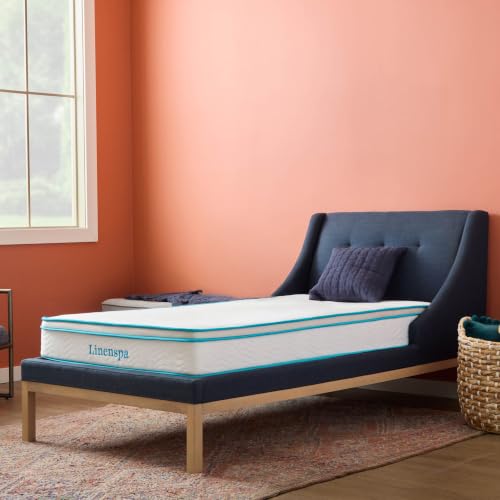
Choosing a mattress for a platform bed is mainly about matching your mattress type and firmness to the bed’s support (especially slat spacing), then confirming the mattress height fits your frame and stays cool. Because platform beds often use slats or a rigid base instead of a box spring, the same mattress can feel firmer, warmer, or less stable—so you’ll want to check support, fit, comfort, and durability before you buy. Start by confirming your platform bed offers enough slat support, then pick a mattress that won’t sag or trap heat for your sleeping style. In this guide, you’ll learn what to check (slats, fit, support, comfort, and durability) before you buy.
If your platform bed uses slats or a rigid base, your mattress can feel totally different than it would on a traditional box spring. This is especially important if you’re dealing with back/side sleeping preferences, joint pain, partner motion, or warmer nights.
Check your platform bed support (slats, gaps, and base type)
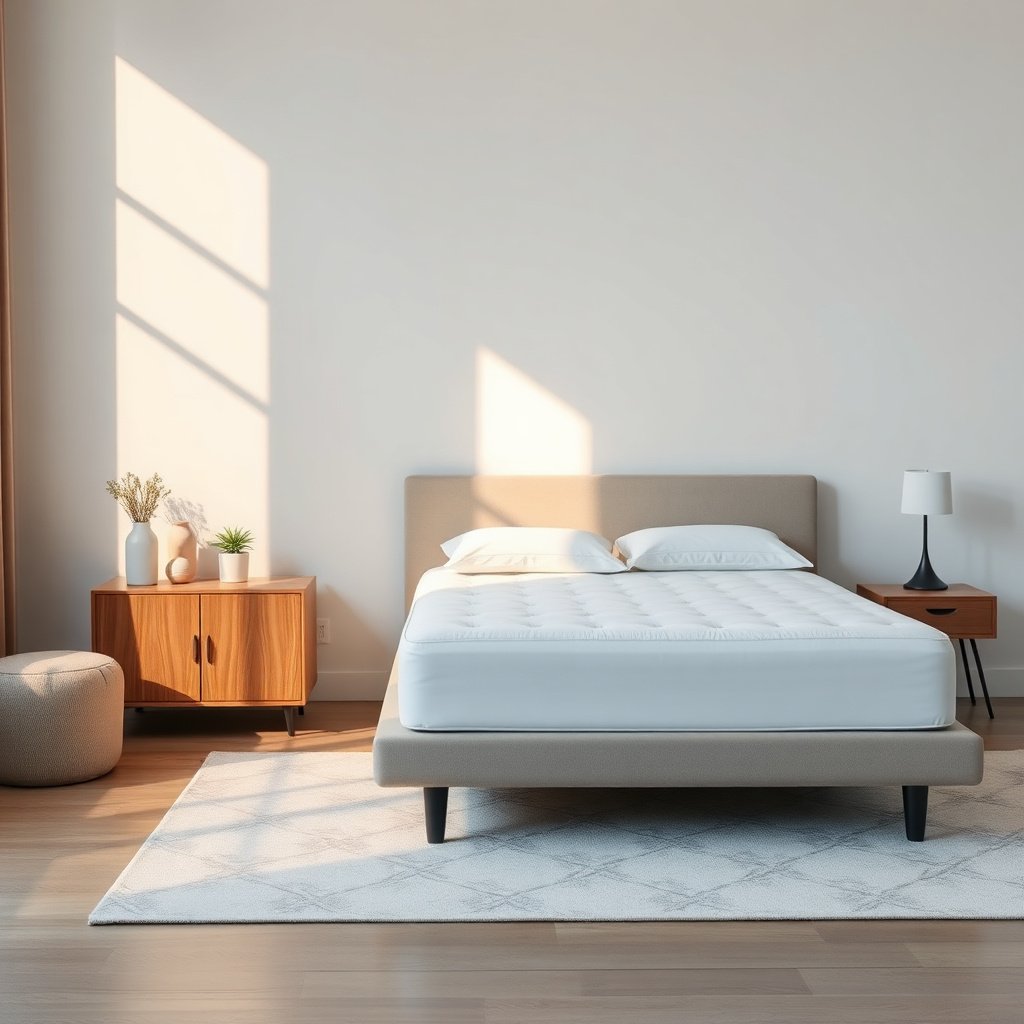
A mattress won’t perform the way it should on a platform bed unless the base distributes your weight properly. Your first job is to verify how the platform supports the mattress—slat spacing, slat count, and whether the base is rigid or flexible—because that determines both comfort and long-term sag resistance.
– Look at the slat spacing and overall support style; wider gaps can make some mattresses feel less stable or wear faster.
– If the base is very rigid, prioritize mattress designs that provide enough pressure relief (often foam or hybrid), rather than relying on extra bounce.
– If you’re unsure about your bed’s support rating, check the platform bed documentation or manufacturer guidance: .
Why slat spacing matters (in plain terms): slats that are too far apart create “span points” where your hips or shoulders can sink between supports. Over time, that uneven stress can accelerate breakdown of the comfort layers—especially on softer all-foam models.
Practical tip: When you can, press down on the center and edges of the platform (with a sheet or mattress protector on top). If the deck feels notably springy or shifts laterally, treat the base as “less supportive” in your mattress selection and lean toward a model designed for slat use.
Match mattress height, fit, and edge support
The right height and fit are what keep a platform-bed setup from feeling awkward, noisy, or unstable. Measure for secure seating on the frame, then evaluate edge support—because many platform bases exaggerate perimeter sink if the mattress isn’t reinforced.
– Measure your platform bed frame and mattress “drop” needs so the mattress sits securely without slipping or feeling too tall for your headboard clearance.
– Consider edge support: many platform setups can exaggerate sagging at the perimeter if the mattress lacks reinforced edges.
– If you’re choosing a cover or fitted sheet solution, confirm your sheet depth (pocket depth) matches your mattress thickness.
Use standard size dimensions to avoid “almost fits” problems
If you’re ordering a new mattress online, the most common fit failures are size mismatch and clearance issues (headboard trim, footboard lips, or bed skirt). For reference, standard U.S. mattress dimensions are defined by industry sizing charts—for example, queen is 60×80 inches, king is 76×80 inches, and California king is 72×84 inches (American Home Furnishings Alliance (AHFA), standard mattress size dimensions).
US Standard Mattress Sizes and Sleeping Surface Area (Calculated)
| # | Mattress size (standard) | Dimensions (in) | Total sleeping surface | Suitability for edge sit* |
|---|---|---|---|---|
| 1 | Twin | 39×75 | 2,925 sq in | Lower perimeter surface |
| 2 | Twin XL | 39×80 | 3,120 sq in | Lower perimeter surface |
| 3 | Full | 54×75 | 4,050 sq in | Moderate perimeter surface |
| 4 | Queen | 60×80 | 4,800 sq in | Moderate perimeter surface |
| 5 | King | 76×80 | 6,080 sq in | Higher perimeter surface |
| 6 | California King | 72×84 | 6,048 sq in | Higher perimeter surface |
| 7 | Split King (two Twin XL) | 76×80 (total) | 6,080 sq in | Higher perimeter surface |
Edge sit suitability depends on mattress edge reinforcement and the platform’s deck, not just surface area.
Pick the right mattress type for the way you sleep
The best mattress type for a platform bed is the one that balances pressure relief with the base’s real-world support. Foam and hybrid designs often pair well with slats because they contour at the shoulders/hips while still using a support core to hold up the sleep surface.
– Back sleepers often do best with medium support plus enough contouring to keep the spine aligned; overly soft mattresses can allow hips to sink.
– Side sleepers usually need more pressure relief around shoulders and hips—commonly foam or hybrid constructions—so they don’t wake up with aches.
– If you share the bed, motion isolation matters; foam and many hybrids tend to reduce partner disturbance more than innerspring-only options.
From my day-to-day experience advising shoppers on platform setups, the most frequent mismatch is “too springy, not enough contour.” On a slatted platform, a mattress that relies on buoyant bounce can feel less stable than expected—especially for side sleepers with shoulder pressure.
Foam vs hybrid vs innerspring on a platform bed (quick compare)
- All-foam (often best for):
-
Pros: Good contouring for side sleepers; typically strong motion isolation; usually quieter on slats.
Watch-outs: If slat spacing is wide, foam can feel like it “bridges” and may sag faster. Choose slat-compatible construction and adequate firmness. - Hybrid (best for):
-
Pros: Coil support helps maintain shape; foam top layers can provide pressure relief; many hybrids do better at edge support than all-foam.
Watch-outs: In some models, heat can rise if airflow is limited by dense comfort foams—prioritize breathable covers and design details intended for temperature control. - Innerspring-only (best for):
-
Pros: Often feels responsive and easier to move on; can ventilate better than fully foam designs.
Watch-outs: Less contouring for side sleepers; more motion transfer; can magnify instability if your platform support isn’t tight.
Consider firmness and comfort without ignoring support
Firmness is a useful starting point, but platform-bed comfort depends on pressure relief plus stable support—not just how “hard” the mattress feels. A firmer feel can still be wrong if the comfort layers don’t cushion shoulders/hips, causing you to wake up tense or sore.
– Use firmness as a starting point, then refine based on body weight range and mattress feel (buoyant vs. contouring) rather than relying on vague “luxury” descriptions.
– For durability, pay attention to how the mattress is built (for example, support core and quilting layers) so you’re not depending on the top comfort layer alone.
– If you’re between firmness ratings, leaning slightly firmer can help prevent sink and maintain alignment on a platform base.
How to think about it (a practical framework): use a three-part decision lens—(1) *alignment* (spine position), (2) *pressure relief* (shoulders/hips), and (3) *support integrity* (resistance to sag between slats). This is the same logic many bedding spec sheets follow when they explain intended support bases and warranty exclusions.
Heat and materials (especially relevant as of 2025–2026)
Material choice affects airflow, and airflow matters on platform beds because your base may be flatter or less vertically ventilated than a traditional foundation. If you’re choosing foam, note that CertiPUR-US certified foams are made without added TDCPP, TCEP, or TCPP and are tested for low VOC emissions (CertiPUR-US Program Certification requirements and testing criteria). That helps with odor/air-quality expectations, but you still want a design with breathable cover fabrics and cooling features if you sleep warm.
What can go wrong (and how to avoid it)
Most platform-bed mattress problems come from support gaps, poor fit, or pressure relief that doesn’t match your sleeping style. If you fix those three areas, you usually avoid the “great in the store, uncomfortable at home” scenario.
– Slats that are too far apart can cause premature sagging or a “bottoming out” feel—especially with all-foam mattresses.
– Choosing a mattress that traps heat can make warm sleep worse on a platform bed because airflow may be different than on raised foundations.
– Ignoring thickness can create fit issues (gaps, shifting, or uncomfortable height against headboard trim). Measure before ordering.
– Over-relying on “firm” can backfire if pressure relief is missing; you may feel supported but still wake up sore.
Two edge cases to watch in 2026:
1. Partner motion + side sleeping: a mattress can isolate motion but still create shoulder pressure if it’s not contoured enough for the side-sleep profile.
2. Heavy sleepers + soft foam: even if a mattress is labeled “supportive,” wide slat spacing can turn softness into instability.
Verdict: a practical way to choose (and who should skip this approach)
A solid baseline is: confirm your platform bed support details (especially slat spacing), then select a mattress type that fits your comfort needs—foam/hybrid for pressure relief and coil support depending on your preference. If you’re dealing with significant pain, instability, or a custom medical situation, don’t treat firmness alone as the answer; instead, follow your clinician’s guidance and use documentation from the mattress and bed manufacturers.
If your platform bed documentation is unclear or unavailable, skip this “general compatibility” approach—use the manufacturer specs (or a retailer’s confirmed compatibility notes) rather than guessing. The risk on platform beds isn’t just comfort; it’s also voiding warranty coverage if the foundation doesn’t meet the mattress manufacturer’s support requirements.
Quick checklist: choose confidently in minutes
– [ ] Verify platform slat spacing / base type (from bed documentation)
– [ ] Confirm mattress thickness and frame clearance (measure first)
– [ ] Choose mattress type for your sleep position (back/side/combination)
– [ ] Pick firmness that balances alignment + pressure relief
– [ ] Check edge support if you sit on the bed often or sleep near the perimeter
– [ ] Consider heat retention and airflow (especially for warmer sleepers)
– [ ] Review warranty/return terms for “mismatch” risk (placeholders: )
Sources
– American Home Furnishings Alliance (AHFA), standard mattress size dimensions
– CertiPUR-US Program, certification testing and requirements (including chemical exclusions and low-VOC criteria)
Choosing the right mattress for a platform bed in 2025–2026 is less about chasing a “perfect” firmness number and more about confirming support, fit, and pressure relief work together. If you verify slat spacing, measure clearance, and pick a mattress type aligned with your sleep position and heat needs, you’ll avoid the most common comfort failures—and you’ll protect the mattress from premature sag over time.
Frequently Asked Questions
How do I choose the right mattress size for a platform bed?
Start by matching the mattress dimensions to your platform bed’s frame size (e.g., Twin, Full, Queen, King). If your platform bed has guard rails or a built-in headboard, confirm the clearance so the mattress height doesn’t rub on the rails when you sit up. Also consider whether you want a snug fit or more movement—some frames require exact measurements to prevent gaps. Finally, check if the platform bed uses a standard box-spring setup or is designed for a direct-to-slat mattress.
What mattress type works best on a platform bed?
Most platform beds pair well with memory foam, latex, and hybrid mattresses because they conform to the sleep surface while supporting your weight evenly. Innerspring mattresses can also work, but choose designs with adequate edge support and confirm your platform slats spacing if the bed has a slatted base. If your platform bed is solid (no slats), a more breathable foam or hybrid can help prevent heat buildup. For comfort, focus on the mattress construction that fits your preferred feel—pressure-relieving foam for side sleepers or more responsive latex for combination sleepers.
Which firmness level should I pick for comfort and back support on a platform bed?
A good rule is to choose a firmness level based on your sleep position: side sleepers often do best with medium to medium-soft for pressure relief, while back and stomach sleepers usually prefer medium to medium-firm for spinal alignment. If you’re heavier, you may need a firmer or thicker mattress to avoid sinkage on a platform bed. For lighter sleepers, too-firm mattresses can create pressure points at the shoulders and hips. If you’re unsure, look for mattresses with zoning or adaptive support that maintain consistent support across your body.
How do I choose a mattress thickness for a platform bed?
Mattress thickness affects both comfort and bed height, so consider how tall you want the overall setup to be. Taller mattresses can provide more cushioning and durability but may make it harder to get in and out of bed if the platform is already low. As a practical guideline, many platform-friendly mattresses fall around the mid-range thickness used by most bed-in-a-box options, but always verify the mattress is appropriate for the frame and doesn’t interfere with rails. If you want extra support, prioritize a supportive base layer or thicker foam/coil system rather than relying only on overall height.
Why does slat spacing matter when buying a mattress for a platform bed?
Slat spacing determines how well the mattress is supported, which directly impacts comfort and long-term durability. For many foam and hybrid mattresses, wider gaps can lead to sagging and reduce spinal alignment, so you’ll want to check the platform bed manufacturer’s recommended spacing. If your platform has slats, confirm the mattress warranty won’t be voided by unsupported use, especially for memory foam and latex. When you match slat spacing with an appropriate mattress type and thickness, you’ll get better edge support, less motion transfer, and fewer durability issues.
📅 Last Updated: November 02, 2026 | Topic: How to Choose a Mattress for a Platform Bed | Content verified for accuracy and freshness.
References
- Mattress
- Bed base
- Bed frame
- mattress firmness sleep quality – Search Results – PubMed
- back pain mattress firmness systematic review – Search Results – PubMed
- Lameness and claw lesions of the Norwegian red dairy cattle housed in free stalls in relation to …
- Search results for mattress choose and sleep comfort – NHS
- https://scholar.google.com/scholar?q=how+to+choose+a+mattress+for+a+platform+bed Google Scholar
- https://scholar.google.com/scholar?q=mattress+support+slats+bed+frame+spacing+sleep+quality Google Scholar
- https://scholar.google.com/scholar?q=mattress+firmness+back+pain+systematic+review Google Scholar





One Comment