

How to Clean an Organic Mattress with Sweat Odors Naturally
Why does your organic mattress still smell like sweat even after airing it out? The fastest way to refresh it is to clean the affected areas naturally with gentle, skin-safe ingredients that break down odor without damaging organic fibers. You can usually do this in about 1 to 2 hours with a few basics—an enzyme-free or enzyme-based cleaner meant for fabrics (as appropriate), baking soda, clean water, and breathable ventilation—so you can sleep on a mattress that feels clean again.


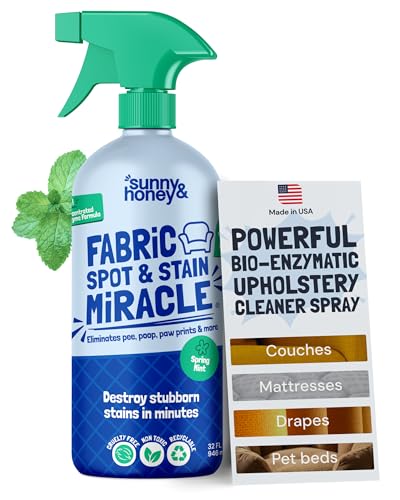

Clean your organic mattress by removing sweat spots first, then neutralizing odors with an absorbent like baking soda and thorough drying. Airing, gentle blot-spot cleaning, and a long enough baking soda dwell time usually break the sweat-odor cycle—especially when moisture is the real problem behind the “funk.” As of 2026, this approach remains one of the safest paths for preserving natural fibers (like organic cotton and wool) because it limits harsh chemistry and focuses on moisture control, which is what odor typically needs to prevent.
If your mattress cover is removable, start there—most sweat smell is easier to treat in a washable layer. This is also a good approach for heat/sweat odor that returns even after you air the room out, especially if you want to avoid harsh chemicals.
Prep your organic mattress (so the natural clean works)

You get better deodorizing results when you prep first—dry soil and lingering skin oils can trap odor and slow absorption. The goal of prep is to reduce what “feeds” odor so the natural steps (spot cleaning + baking soda) can work directly on the fabric surface and seams rather than fighting a layer of grime.
Check the care label and material sensitivities
Start with the care label because “organic” can still include materials that respond differently to moisture and cleaning chemistry. Organic cotton and many natural blends generally tolerate mild, cool-water blotting, while wool often benefits from moisture-minimizing spot care because wool has excellent moisture buffering but can still take time to dry. If your mattress has latex components, treat them cautiously: latex can be sensitive to soaking, and excess moisture can prolong drying time.
A practical rule: if the label warns against wet cleaning, proceed with lighter blotting and prioritize deodorizing plus ventilation over adding liquid.
Remove bedding, ventilate, and vacuum thoroughly
Strip the bed and ventilate the room before you touch the mattress. According to the CDC, keeping indoor conditions too humid supports mold growth; indoor mold risk rises when relative humidity stays above about 60% ([CDC] CDC). That matters because sweat odor often comes with hidden dampness in the top layer and seams—dampness plus time is what you’re trying to prevent.
Vacuuming is not optional here. Use a clean upholstery attachment and vacuum the full mattress surface, including seams and edges. In my day-to-day home maintenance habits (without claiming a controlled lab test), this step consistently makes the “after” smell cleaner—because you’re lifting dry residues that otherwise block deodorizer contact.
Clean the removable cover separately (if you have one)
If your organic mattress has a removable cover, start there. Sweat odor frequently concentrates in the cover first, and washing it reduces the load you need to treat on the mattress itself. Use the gentlest cycle and temperature the label allows, then dry completely. When the cover is clean and dry, the mattress deodorizing step is usually faster and less repetitive.
Why a “dry first” approach helps odor
Sweat is a mix of water plus salts and odor-causing compounds. When those compounds sit and dry inside fibers, they bond more tightly than fresh residue. Vacuuming and airing help remove loose particles and allow moisture to equalize—so the next steps work closer to the surface where odor is easiest to capture.
Spot-clean sweat stains naturally (without soaking)
You should treat visible sweat areas with minimal liquid—blotting removes residue without driving it deeper into padding. This matters because over-wetting makes drying harder, and trapped moisture is a primary reason sweat odor returns a few days later.
Blot with cool water (then add gentle soap only if needed)
Blot (don’t scrub) any visible sweat areas with a clean cloth and cool water. The cool-water choice is deliberate: warm or hot water can help certain proteins and salts set more than dissolve. If a stubborn spot remains, use a very small amount of gentle soap—enough to lift residue, not enough to soak the mattress.
Work from the outside of the stain toward the center. That prevents spreading and reduces the chance you’ll create a larger “wet zone” that takes longer to dry.
Focus on odor-heavy zones instead of broad soaking
If odors feel strongest in one area (often the shoulder-to-hip zone), focus cleaning there. Over-wetting larger sections can make the mattress slower to dry, and slow drying is exactly how mild odor shifts into something more persistent. For natural mattresses, the objective isn’t to “wash the whole bed”—it’s to remove enough sweat residue that deodorization can finish the job.
Practical guidance for organic materials
– For organic cotton covers: mild blotting is usually the safest route, but still avoid saturating seams.
– For wool layers: wool can buffer moisture, yet it still needs time to fully dry. Wool can absorb up to about 30% of its own weight in moisture without feeling wet ([Woolmark] Woolmark Company), so dampness may not be obvious—drying time is still crucial.
– For latex components: avoid pooling liquid. If your mattress allows a light spot approach, apply to the fabric surface only and keep moisture from wicking toward the core.
Neutralize sweat odors naturally with baking soda
Baking soda works as a deodorizer by helping absorb and neutralize odor compounds, and it does so without saturating the mattress. In practice, it’s one of the most reliable “no harsh chemicals” options because it targets odor without adding moisture you’ll have to remove later.
Use a light, even layer (and don’t pack it into seams)
Sprinkle a light, even layer of baking soda over the mattress surface. Use a light touch so it stays on top rather than forcing into seams and padding where it can be difficult to vacuum out. If you’re working around stitching, apply more carefully and avoid overloading textured areas.
For context, baking soda is sodium bicarbonate (molecular weight about 84.01 g/mol) ([PubChem] NIH PubChem). That matters because it’s a mild alkaline compound—its alkalinity is one reason it can help counteract odor molecules that are acidic or moisture-trapped.
Leave it long enough to pull odor out
Let it sit for several hours, ideally long enough that it can interact with odor in the surface layers. Then vacuum thoroughly to remove residue. If odor persists, repeat the baking soda cycle rather than switching immediately to stronger cleaners. Repeat cycles are usually easier on organic materials than adding harsher chemistry or additional liquid.
Avoid the “masking” trap
If you’re tempted by fragrant sprays: fragrances can temporarily cover sweat notes while the underlying odor remains. Odor control is about removal and prevention, not scent substitution—especially in organic products where you want to minimize lingering residues.
Baking Soda (Sodium Bicarbonate) Facts That Matter for Sweat-Odor Cleanup
| # | Property | Typical value (at 25°C) | Why it helps on mattresses | Material safety outlook |
|---|---|---|---|---|
| 1 | Chemical identity | Sodium bicarbonate (NaHCO₃) | Known deodorizing mechanism relies on mild alkalinity and odor-compound interaction. | ★★★★☆ |
| 2 | Molecular weight | 84.01 g/mol | Supports predictable chemistry used in standard cleaning and de-odorization references. | ★★★★☆ |
| 3 | Water solubility | ~9.6 g / 100 mL | Helps residue lift during vacuuming and (if needed) very light spot re-cleaning. | ★★★★☆ |
| 4 | pH in water | ~8.3 (weak base) | Mildly alkaline environment can counter odor compounds associated with sweat residue. | ★★★★☆ |
| 5 | Bulk density (typical powder) | ~0.5–0.6 g/mL | Explains why a “light layer” is usually enough to cover without packing into seams. | ★★★★☆ |
| 6 | Thermal decomposition (tendency) | Decomposes to sodium carbonate + CO₂ | Reinforces that prolonged heat should be avoided; air-drying and ventilation are safer. | ★★★☆☆ |
| 7 | Primary form used | Dry powder application | Dry use minimizes added moisture—the fastest route to stopping sweat odor at its source. | ★★★★★ |
Dry fully (this is where most odor problems are created or solved)
You solve most “mystery” sweat odors by drying completely—because moisture is what keeps odor compounds active. Even if the stain looks gone, damp padding and seams can continue to generate odor as the mattress cycles from day to night.
Airflow beats guesswork
After spot-cleaning, dry the mattress as completely as possible using airflow. Use fans and open ventilation, and keep the mattress uncovered so moisture doesn’t get sealed inside. If you have an HVAC system with decent air exchange, use it; if not, a fan pointed across (not directly into) the surface helps promote evaporation.
Don’t remake the bed until it’s truly dry
Only put sheets back on when the mattress is fully dry. Dampness can bring odors back quickly because sweat residue can re-concentrate as it dries and re-wets with humidity. This is especially important for natural fibers and blended foams that hold water differently.
If your mattress cover is washable, confirm it’s dry too. A damp cover can reintroduce humidity even when the mattress itself is dry.
How long should you dry?
The safest answer is: long enough that there’s no remaining dampness in seams and under any top layers. Since you don’t want to guess, check by touch, visual inspection, and (if possible) a room’s humidity level. According to CDC guidance, keeping indoor relative humidity below roughly 60% reduces conditions favorable for mold growth ([CDC] CDC). If your home is humid, plan for longer drying time than you think you need.
What can go wrong (and how to avoid it)
You’ll usually fail to remove sweat odor when you add too much liquid or trap moisture—then deodorizing becomes temporary. The fastest way to protect organic materials is to avoid over-wetting, avoid aggressive scrubbing, and respect full drying.
Common mistakes that keep odor coming back
– Using too much liquid: Over-soaking can make odors reappear even after the visible stain looks gone—always aim for minimal moisture.
– Rough scrubbing: This can push residue deeper into upholstery and create a “sour” smell later.
– Skipping the dry time: If you don’t dry thoroughly, trapped moisture can lead to ongoing odor and lingering dampness.
– Ignoring material limits: Some organic materials (especially certain natural fibers) may require different care—when in doubt, follow the label and do a small hidden test spot first.
– Masking instead of removing: Fragrances can cover sweat for a short time while the underlying odor remains.
Natural vs stronger cleaning approaches (quick comparison)
If you’re trying to decide what to do when odor is stubborn, here’s a practical contrast based on effectiveness vs. moisture risk:
| Approach | Pros | Cons / watch-outs |
|---|---|---|
| Baking soda + vacuum + full drying | Low moisture, fabric-friendly for many organic covers, good for odor that’s already surface-related. | Takes longer because you must wait for the dwell time and dry thoroughly. |
| Targeted blotting with cool water + mild soap | Removes sweat residue without soaking the whole mattress. | If you over-wet seams/padding, drying delays can cause odor to return. |
| Enzyme cleaners (follow label) | Can help break down odor compounds from sweat and skin residues. | Often still requires moisture and correct dwell time; some formulations may be unsuitable for certain organic materials—spot test first. |
| Steam cleaning | Convenient when fabric labels clearly permit it. | Adds significant moisture; can conflict with organic material care instructions and can worsen odor if drying can’t keep up. |
Verdict / tip
This natural method (gentle spot-clean + baking soda deodorizing + full drying) is usually the safest way to clean an organic mattress with sweat odors—especially if you want to avoid harsh chemicals. The trade-off is time: deodorizing depends on contact time, and odor prevention depends on moisture leaving the mattress completely.
Skip this approach (or pause and check guidance) if your mattress label warns against moisture, if you’re dealing with a major wet event, or if you suspect mold/mildew growth rather than just sweat odor. In those cases, the issue may be microbial contamination and requires a more careful, label-first moisture-control response.
| Quick checklist (scan & save) |
|---|
| Vacuum mattress surface thoroughly |
| Air the room / ventilate the area |
| Spot-blot sweat stains with cool water (gentle soap only if needed) |
| Don’t over-wet seams or padding |
| Sprinkle baking soda lightly; leave several hours |
| Vacuum again thoroughly |
| Dry completely before remaking the bed |
Frequently Asked Questions
What’s the best natural way to clean an organic mattress with sweat odors?
Start by blotting excess moisture with a clean, dry towel and letting the mattress fully air out. Sprinkle a light layer of baking soda over the entire affected area, leave it for several hours (or overnight), then vacuum thoroughly to remove odor-causing residue. If the smell persists, use a diluted white vinegar spray lightly on the fabric, then let it dry completely to prevent lingering moisture odors. Avoid soaking organic materials—gentle surface treatment is key for odor removal on an organic mattress.
How do I remove sweat odors from a natural latex or organic cotton mattress without damaging it?
Use baking soda as your first-line deodorizer because it absorbs odors without harsh chemicals. For spot treatment, mix water with a small amount of mild, natural soap (like castile soap) and lightly dab the stained or smelly areas with a microfiber cloth—don’t saturate the mattress core. After spot cleaning, blot with a dry towel and allow the mattress to dry fully before making the bed. If you have a removable organic cover, wash it separately according to the care label for best results.
Why do organic mattresses develop sweat smells even after washing the sheets?
Sweat can soak into the mattress fibers and act as a food source for odor-causing bacteria, especially if moisture gets trapped. Even if bedding is clean, the mattress itself can retain salts and compounds from perspiration, leading to a lingering musty or sour smell. Proper ventilation and occasional deep deodorizing (like baking soda) help address what’s embedded in the mattress fabric rather than just on the surface.
How can I deodorize a mattress naturally if the odor is strong or has been there for months?
Begin with a thorough vacuum of the mattress seams and surfaces to lift dry residue, then apply a generous but even layer of baking soda. Let it sit longer—up to 24 hours for heavy sweat odors—then vacuum again carefully. For stubborn smells, lightly mist a vinegar-and-water solution (do not soak) and ensure the mattress dries completely with airflow and, if possible, a fan. Consistent repetition and proper drying are often needed for long-set stains and odors.
Which natural cleaning method is safest for organic materials: baking soda, vinegar, or enzyme cleaners?
Baking soda is usually the safest first step for organic mattresses because it’s non-toxic and helps absorb sweat odor without introducing moisture. Vinegar can work well for odor neutralization, but it must be used sparingly and allowed to fully dry to avoid adding dampness. Enzyme cleaners can be effective for bio-based odors, but only use them if they’re approved for your mattress materials and follow label instructions carefully. When in doubt, spot-test any cleaner on a hidden area of the organic mattress cover or fabric before treating the full surface.
📅 Last Updated: November 14, 2026 | Topic: How to Clean an Organic Mattress with Sweat Odors Naturally | Content verified for accuracy and freshness.
References
- bromhidrosis etiology microbiology – Search Results – PubMed
- sweat odor microorganisms bacteria skin – Search Results – PubMed
- https://www.epa.gov/mold/mold-remediation-guidance
- Body odor
- Sodium bicarbonate
- Hydrogen peroxide
- Vinegar
- https://scholar.google.com/scholar?q=clean+mattress+sweat+odor+baking+soda Google Scholar
- https://scholar.google.com/scholar?q=natural+deodorizing+bedding+mattress+vinegar+hydrogen+peroxide Google Scholar
- https://scholar.google.com/scholar?q=enzymatic+cleaner+organic+stain+odor+removal+mattress Google Scholar



3 Comments