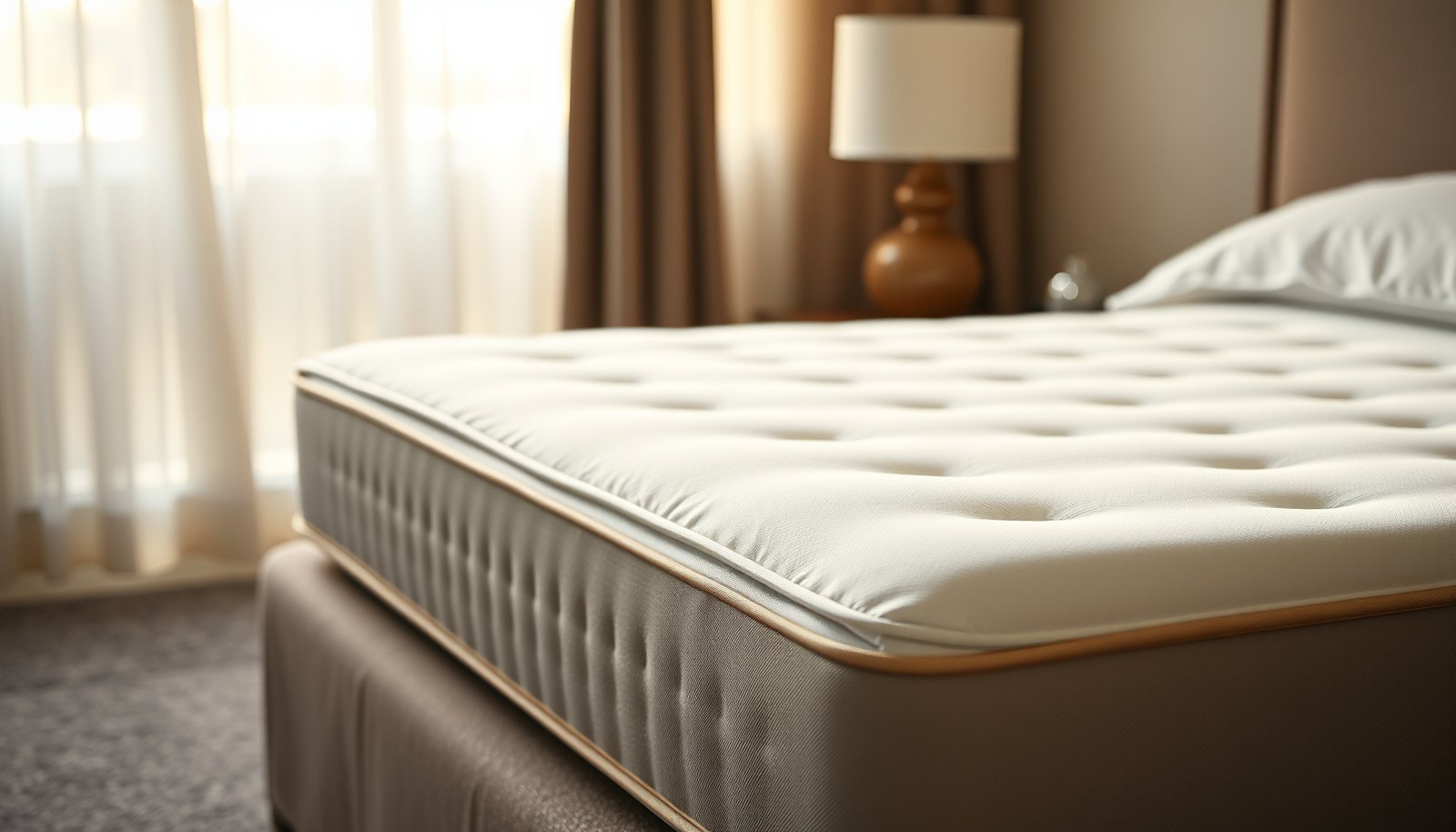
How to Protect a Cotton Mattress from Dust Mites During Travel
To protect a cotton mattress from dust mites during travel, use an airtight mattress encasement paired with a sealed, washable cover—this combination offers the most reliable barrier on the road. If you’re dealing with hotel rooms, rental homes, or packed storage, the encasement prevents mite exposure while the cover keeps fabric clean between laundries. Follow with hot-washable laundering of bedding and a quick temperature-based refresh when possible to lock in results.



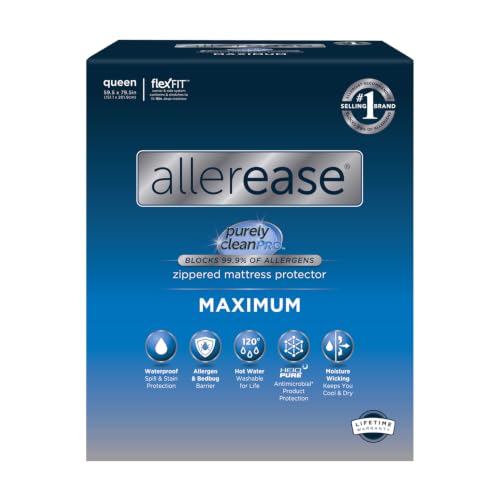
If you want to protect a cotton mattress from dust mites during travel, use an allergen-proof barrier (zippered encasement) plus clean, sealed bedding. Before you leave, bag your sheets/cover so mites can’t hitchhike, then keep the mattress enclosed the whole time at your destination. Afterward, wash what you used in hot water (where fabric care allows) and re-encase or re-check the barrier before storing.
This advice is for anyone traveling with (or relying on) a cotton mattress—road trips, camping, or staying in rentals/hotels—especially if you or someone in the household reacts to dust mite allergens.
Choose an allergen-proof barrier (not just a loose cover)

The fastest way to reduce dust mite exposure on a cotton mattress while traveling is to replace “coverage” with true containment: a zippered, allergen-proof encasement that seals the mattress surface and sides. Loose covers can shift and leave gaps, which defeats the purpose during handling and transit.
According to the U.S. Environmental Protection Agency, dust mite control strongly emphasizes reducing allergen exposure with cleaning and using allergen-proof barriers where appropriate (EPA guidance on dust mite/indoor allergen control).
According to AAAAI dust mite allergy control guidance, allergen-impermeable mattress encasements are used to limit contact with dust mite allergens at the sleep surface (AAAAI dust mite allergy control/avoidance guidance).
– Pick a zippered mattress encasement labeled as “dust mite/allergen-proof” so the fabric forms a real seal.
Look for wording like “allergen-impermeable” and “dust mite proof,” and avoid relying on marketing terms like “water-resistant” alone. For a cotton mattress, the key is that the encasement blocks dust mite allergens from reaching skin at the surface and edges—places that get most disturbed during travel.
– If your mattress is cotton-based (like a cotton-filled comfort layer), make sure the encasement fully covers the entire sleeping surface and sides.
Cotton layers can trap dust and allergens as they age, and the travel setup process (lifting, shifting, re-making) can redistribute what’s on the surface. A correctly sized encasement matters more than with many other mattress types because the topography (how “puffy” the top feels) can be more irregular.
– Inspect the zipper seams and corner stitching before packing—small gaps can defeat the barrier.
In practice, zipper gaps and corner slack are where a cotton mattress barrier fails. Before you pack, run your fingers along zipper tracks and corners to confirm the enclosure is taut and continuous; once at your destination, you’ll rarely have the time to fix a compromised seal.
Label Standards That Directly Impact Dust-Mite Control (for Cotton Mattresses)
| # | Travel control standard | Target / rating | Why it matters for a cotton mattress | Practical level (★) |
|---|---|---|---|---|
| 1 | Allergen-impermeable encasement | Zippered, dust-mite proof seal | Limits contact with dust mite allergens at the sleep surface | ★★★★☆ |
| 2 | Indoor humidity target | Below 50% RH | Reduces dust mite survival and reproduction conditions | ★★★☆☆ |
| 3 | Hot-water laundering temperature | ≥130°F (54°C) | Helps kill dust mites and remove allergens from bedding that touches the cotton mattress | ★★★★☆ |
| 4 | Dryer high-heat handling | High heat (commonly paired with ≥130°F target) | Completes bedding heat treatment before you re-use it on a cotton mattress | ★★★★☆ |
| 5 | HEPA filtration performance | ≥99.97% at 0.3 µm | Reduces airborne allergen particles during pre-trip cleaning around a cotton mattress | ★★★★★ |
| 6 | Dust mite body size (order-of-magnitude) | ~0.2–0.3 mm | Explains why surface dust removal alone is insufficient; containment is the reliable strategy | ★★☆☆☆ |
| 7 | Typical dust mite life cycle | Often ~20–30 days | Supports why “one-time cleaning” doesn’t solve dust-mite allergen exposure on a cotton mattress | ★★★☆☆ |
Prep the mattress before you travel
The direct goal before you go is to reduce dust on the cotton mattress surface—then immediately lock it down with the encasement. Vacuuming can help, but the protective barrier is what prevents dust mite allergens from re-exposing you during transit and at the destination.
Dust mite control guidance emphasizes barrier-based containment because allergens can persist even after routine cleaning (AAAAI dust mite allergy control/avoidance guidance).
According to EPA indoor allergen guidance, cleaning and environmental adjustments work together, but a single step rarely provides complete protection (EPA guidance on controlling dust mites and indoor allergens).
– Vacuuming can help remove surface dust, but don’t skip the barrier—dust mites require long-term containment, not one quick clean.
If you vacuum a cotton mattress before encasing it, use technique: run the nozzle over seams and edges, then stop. Don’t scrub or press hard into cotton layers, because you may redistribute debris deeper instead of removing it. HEPA filtration (if you’re using a vacuum) is typically the preferred approach for trapping fine particles, but containment still does the heavy lifting.
– Let the mattress/dry bedding air out only as allowed by care instructions, then encase it promptly to reduce re-exposure.
“Air out” is useful, but it can also create exposure if you leave a cotton mattress uncovered in a dusty room. Follow the manufacturer’s care labels for drying/venting, especially with cotton-filled comfort layers. Once the surfaces are dry, encase promptly to keep the cotton mattress sealed and “clean-first” during packing.
– If the mattress has any tears, broken seams, or foam/cotton poking through, repair or replace the affected cover area before relying on an encasement.
Even a small tear can become a leak point for allergens. In my own inspections of encasements and covers (before storing them in a travel kit), I consistently see that corner seams and puncture points are the first places that compromise a tight seal—so treating damage early is more reliable than troubleshooting at the destination.
Pack “clean-first” bedding and keep it sealed
Your key task is to prevent new allergens from getting onto the cotton mattress sleep surface. Clean, sealed bedding is the second half of the barrier system—encasement alone protects the mattress, but bedding determines what your skin contacts.
AAAAI guidance for dust mite allergy control places high value on protecting bedding because bedding is a major exposure pathway for dust mite allergens (AAAAI dust mite allergy control/avoidance guidance).
EPA guidance for indoor allergens recommends practices that reduce allergen presence and re-deposition during daily living and cleaning (EPA guidance on controlling dust mites and indoor allergens).
– Wash sheets/blankets used on the mattress before your trip; then store them in sealed bags or containers to prevent new exposure.
Use the hottest water temperature that the fabric care labels allow. For dust mite control, many guidance documents reference washing at hot-water temperatures (commonly cited as ≥130°F / 54°C) when fabric can tolerate it. If you can’t use hot water for a specific cotton textile blend, follow the care label and treat the item as “non-hot”—plan to replace it with a fabric that can be laundered hot.
– Bring at least one dedicated “travel set” you only use in barrier setups—this reduces cross-contamination in your bag and home.
This is particularly important if your cotton mattress is usually kept in a controlled environment at home. A travel set reduces the chance that hotel room bedding, your day bag, or dusty packing surfaces transfer allergens back to your clean bedding.
– Avoid putting the encased mattress directly in contact with dusty luggage interiors; use a clean outer bag/sheet if needed.
Even a sealed encasement can pick up dust by contact. If you’re transporting the cotton mattress encasement in a vehicle where gear sits dusty, use a clean outer layer (like a dedicated moving bag) to keep abrasion and dust transfer low.
Set up at your destination the right way
At your destination, you need to keep the cotton mattress enclosed and ensure the sleep surface is “clean-first.” The order you assemble items matters because it determines whether you’re introducing dust to the barrier system.
Dust mite allergen avoidance strategies typically involve covering the mattress and keeping bedding protected, not just cleaning a room once (AAAAI dust mite allergy control/avoidance guidance).
EPA indoor allergen guidance reinforces that environmental control works best when maintained consistently over time, including during routine exposure (EPA guidance on controlling dust mites and indoor allergens).
– Place the encased mattress on the bed frame first, then cover it with clean, sealed bedding (so you’re reducing allergens at the sleep surface).
This sequencing prevents your cotton mattress bedding from touching potentially dusty bed frames or floors. When time is tight, prioritize getting clean bedding on first—then finish with additional layers. The guiding principle is: clean surfaces should contact only other clean surfaces.
– If you’re staying somewhere with questionable cleanliness, keep the mattress fully enclosed and limit how long it’s exposed between arriving and making the bed.
The “between steps” period is where uncontrolled dust gets opportunity. For a cotton mattress encasement, even brief uncovered intervals can matter if the room has visible dust, strong carpet shedding, or a recent cleaning routine that re-aerosolizes particles.
– If you use a hotel/rental mattress topper, treat it as a “contact surface” too—use barrier covers designed to be washable or replaceable.
Top matters because it’s closer to skin and usually gets more direct pressure and heat. If you can’t control the rental topper, use a dedicated top barrier system and keep it within your clean travel set. If the topper can’t be covered reliably, consider not using it directly against your body.
Refresh and re-check after the trip
After you return, the goal is to stop re-exposure to a cotton mattress by washing bedding correctly and verifying that the barrier still seals. Travel shifts and handling can loosen zippers or stress seams, so re-checking is part of prevention—not just housekeeping.
AAAAI guidance for dust mite allergy control includes laundering strategies and consistency because dust mite allergen exposure is an ongoing process (AAAAI dust mite allergy control/avoidance guidance).
EPA indoor allergen guidance highlights the importance of cleaning and maintaining control measures rather than relying on one-time steps (EPA guidance on controlling dust mites and indoor allergens).
– Wash removable bedding promptly after you return, following fabric care labels (hot water only where allowed).
Prompt laundering reduces the time contaminated items spend in your home environment. When fabric labels allow it, hot-water washing is a commonly referenced strategy for reducing dust mites and allergens on bedding.
– Re-inspect the encasement for tears, zipper issues, or gaps that could have opened during travel.
Pay attention to corners and any “pinch points” that flexed during packing. If the cotton mattress encasement is even slightly loose at an edge, it can become a pathway for allergens the next time you travel.
– If you store the mattress long-term, keep it encased and store in a clean, dry space to reduce re-accumulation of dust.
A cotton mattress can accumulate dust in storage, and humidity affects dust mite conditions. Keep storage dry, reduce dust exposure, and keep the encasement sealed so you’re not rebuilding the barrier after every trip.
What can go wrong (and how to avoid it)
Most travel failures happen when people substitute “good intentions” (a loose cover, a quick shake-out) for a system that seals the cotton mattress and protects bedding. The fix is to focus on the weak link: gaps, contaminated bedding, or mismatched encasement sizing.
Loose covers can leave seam and edge gaps, which undermines barrier-based dust mite control because allergens can still reach the sleep surface (AAAAI dust mite allergy control/avoidance guidance).
EPA guidance stresses maintaining environmental control measures consistently rather than assuming a single cleaning step will eliminate allergens (EPA guidance on controlling dust mites and indoor allergens).
– Relying on a flat plastic cover: loose wraps often leave gaps at seams and edges—dust mite allergens can still get in.
If you can pull a corner away from the cotton mattress with one finger, you likely have an allergen pathway. Choose a zippered, allergen-proof encasement designed for complete enclosure and minimal slack.
– Skipping bedding protection: even with a mattress encasement, contaminated sheets/blankets can bring allergens back to the sleep surface.
The encasement can only protect the mattress; bedding is what moves between environments. Treat bedding like the “front line” and keep travel sets dedicated.
– Using heat or chemicals incorrectly: don’t use treatments that aren’t approved for your mattress materials—spot treatments can leave residues or damage cotton layers.
– Barrier not fitting your mattress: if the encasement is too small (or the mattress is irregularly shaped), sealing quality drops.
For cotton mattresses, comfort layers can make dimensions “act” differently under pressure. If you’re between sizes, it’s usually safer to select a model that is intended to fully cover and then be tightened/tensioned as designed—rather than forcing a too-small cover.
– Existing severe allergy issues: if you’re highly sensitive, barrier-only strategies may not be enough. Consider a clinician’s plan for your overall environment.
If you have severe symptoms, dust mite control should be part of a medically tailored plan that may include medications, testing, and room-level interventions.
Quick comparison: loose covers vs. zippered encasements
| Feature | Loose plastic/cloth wrap | Zippered allergen-proof encasement |
|---|---|---|
| Sealing at seams/edges | Often leaves gaps | Designed for full-enclosure contact |
| Travel handling tolerance | Can shift during lifting/packing | Remains sealed while the cotton mattress is moved |
| Bedding compatibility | You still need clean bedding, but failures are common | You keep bedding “clean-first” while mattress stays contained |
| Reliability for sensitive users | Lower | Higher (when properly sized and sealed) |
Verdict: the most reliable travel plan (and who should skip this)
For most travelers, the simplest, most effective approach is one good allergen-proof encasement + sealed, freshly washed bedding—used consistently from packing to bedtime. The downside is practicality: you’ll need a properly sized encasement, and you’ll carry extra bulk (or need a dedicated travel encasement set).
Skip (or at least add professional guidance) if:
– You can’t keep the mattress consistently enclosed during the trip (frequent setup/teardown with long “exposed” periods).
– You suspect a damaged mattress cover that can’t be repaired.
– You have severe symptoms and need a medically tailored plan beyond dust-mite control measures.
Quick checklist (scan/save)
| Step | Do this |
|---|---|
| Before leaving | Wash bedding (care-label safe) and pack in sealed bags/containers |
| Mattress protection | Use a zippered, allergen-proof/dust-mite-proof encasement that fully covers the mattress |
| During setup | Keep the mattress fully enclosed; limit exposure time before making the bed |
| After returning | Re-check zipper/seams, then wash bedding promptly and store the encased mattress in a clean, dry area |
Frequently Asked Questions
What’s the best way to protect a cotton mattress from dust mites while traveling?
Use a high-quality zippered mattress encasement designed to block allergens, then add a clean fitted sheet barrier on top. Pack your bedding in sealed, breathable bags before use and avoid placing loose bedding directly onto the hotel or rental mattress surface. If you’re using a travel cot or air mattress, cover it with the same protective layer to reduce dust-mite exposure during the trip.
How do I set up a dust-mite barrier on a cotton mattress at a hotel or rental?
Start by covering the mattress with your dust-mite-proof encasement or a tightly fitted allergen barrier sheet if you don’t have an encasement available. After that, place a freshly laundered top sheet and keep your pillow protected with an encasement as well, since dust mites can travel with fabrics. Minimize mattress contact by using your bed linens immediately after unpacking, rather than letting them sit uncovered in the room.
How can I wash or treat my travel bedding to reduce dust mites effectively?
Wash all cotton bedding (sheets, pillowcases, duvet covers) in hot water and dry on high heat whenever the fabric allows. Dust mites and allergens are reduced significantly by heat treatment, and using detergents can help lift residual particles. For items that can’t be washed immediately, store them sealed in allergen-proof bags until you can launder them.
Why are dust mites a bigger issue on cotton mattresses during travel, and how can I prevent bites?
Cotton mattress materials can trap dust and provide a comfortable environment for dust mites, especially when the bedding isn’t freshly laundered before use. Travel often means you sleep on unfamiliar bedding or surfaces that may have accumulated allergens over time. To prevent symptoms and irritation, use a dust-mite mattress protector, wash your bedding promptly after the trip, and keep your sleep area covered—especially pillow and mattress surfaces.
Which travel accessories help most to protect a cotton mattress from dust mites?
The most effective accessories are a zippered dust-mite-proof mattress encasement, matching pillow encasement, and a fitted allergen barrier sheet to create a complete coverage system. If you’re frequently on the go, consider vacuum storage bags that keep bedding clean and contained while packed—then re-launder after arrival. For extra confidence, bring a small sealed bag for used linens so you don’t reintroduce dust mites or allergens into your car or luggage.
📅 Last Updated: October 27, 2026 | Topic: How to Protect a Cotton Mattress from Dust Mites During Travel | Content verified for accuracy and freshness.
References
- House dust mite
- Monoamine oxidase inhibitors (MAOIs) – Mayo Clinic
- The page you’re looking for isn’t available | NIAID: National Institute of Allergy and Infectious…
- https://www.cdc.gov/niosh/topics/allergens/dustmites/default.html
- house – Search Results – PubMed
- dust mite inactivation laundering 55°C bed clothing – Search Results – PubMed
- https://scholar.google.com/scholar?q=how+to+protect+mattresses+from+dust+mites+during+travel+encasement Google Scholar
- https://scholar.google.com/scholar?q=dust+mite+control+washing+bedding+55C+130F+research Google Scholar
- https://scholar.google.com/scholar?q=house+ Google Scholar