How to Protect a Wool Mattress from Pet Accidents During Renovation
To protect a wool mattress from pet accidents during renovation, use waterproof physical barriers and immediate spot-cleaning to keep urine and other messes from soaking into fibers. If you’re expecting active pets, the fastest, most reliable solution is a fully sealed, washable mattress protector plus a temporary cover that stays on through dusty work. This guide answers exactly how to prevent stains and odors without ruining the wool during construction and cleanup.




Protect your wool mattress from pet accidents during renovation by blocking pets from the work zone and using a snug waterproof (but breathable) encasement rather than loose plastic. If an accident happens, blot immediately, use only cool water sparingly, and ensure the mattress is fully dry before you re-cover.
Renovations are chaotic by nature—doors open, dust floats, contractors arrive, and furniture gets moved—so wool mattress protection has to be practical, fast, and moisture-smart. In 2026, many homeowners rely on temporary barriers and covers, but wool’s natural fiber structure means trapped moisture can become an odor and mildew risk if you leave a poor barrier on for too long.
Who this is for / when it applies: This plan is for anyone protecting a wool mattress while doing painting, flooring, window/door installs, deep cleaning, or moving rooms—especially if your pet sometimes marks or investigates new disruptions. It’s also a good fit if you’re trying to prevent urine and dirt from soaking into natural fibers while you relocate bedding, bed frames, or storage.
Create a waterproof-but-breathable barrier for wool
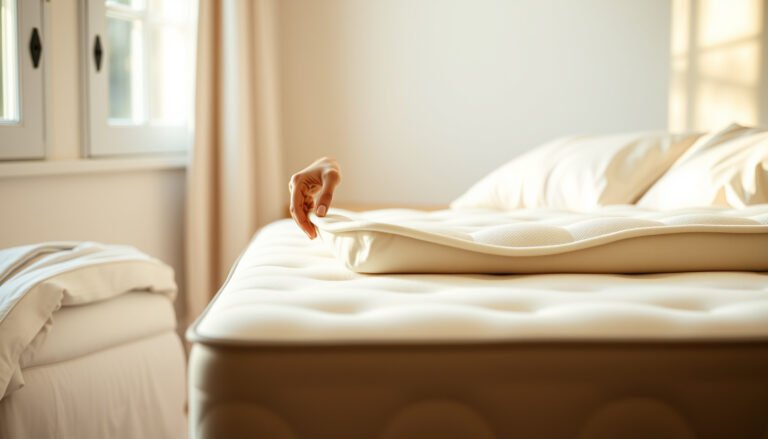
A waterproof-but-breathable encasement is the most reliable way to prevent liquid from reaching a wool mattress during renovation while still managing vapor. Here’s the key: you block water ingress, but you don’t create a “wet sauna” that keeps moisture pressed against wool for days.
While pets can be unpredictable during construction, the wool mattress should not rely on “luck.” Your goal is to prevent contact between the liquid (urine, muddy paw tracking, condensation drips) and the wool layer—then control drying so the wool mattress doesn’t stay damp underneath.
A “waterproof + breathable” mattress protector is designed to resist liquid penetration while allowing water vapor to pass, which reduces the chance of moisture buildup around sensitive textiles.
Wool fibers are inherently moisture-absorbing (hygroscopic), so keeping them wet and enclosed for long periods increases the risk of lingering odor and microbial growth.
Moisture management guidance from U.S. public health agencies emphasizes preventing persistent dampness, because mold can begin within days of water exposure if conditions allow.
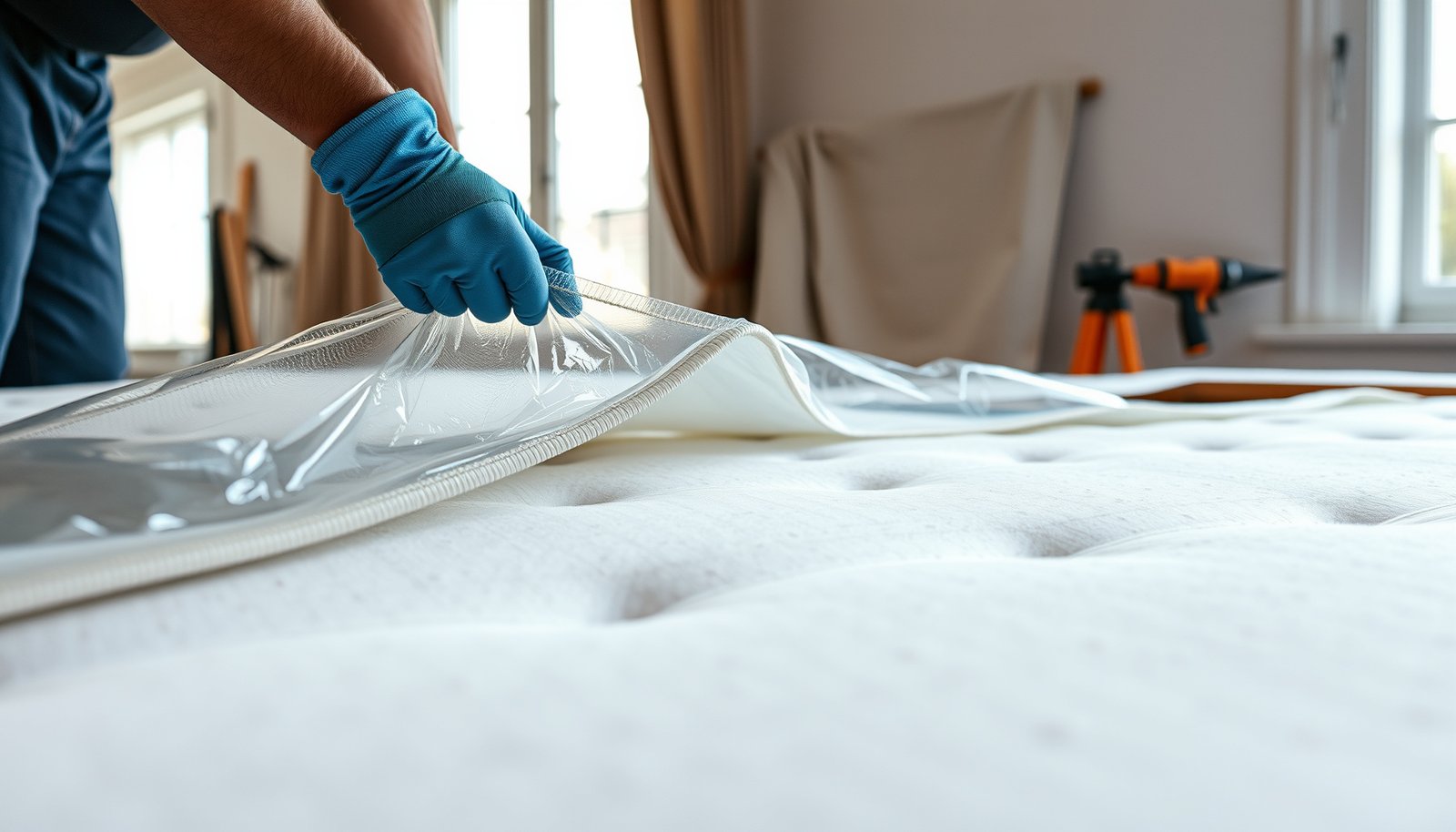
– Use a zippered waterproof mattress encasement or protector designed for “waterproof + breathable” use, not just a loose plastic sheet.
– Keep the barrier in place throughout the noisiest renovation window, but plan to remove/air out the mattress after the job so it doesn’t stay trapped and damp.
– Make sure the cover fits tightly around edges (pets usually target seams and corners).
What “breathable” should mean in real life. Look for language tied to breathable membranes or water-vapor transmission (often measured as MVTR—moisture vapor transmission rate—in textile and barrier testing). A protector that’s only “waterproof” may still prevent leaks, but it can also slow drying of any vapor that accumulates during renovation dust and humidity swings.
Practical fit check for a wool mattress. During renovations in 2026, even small gaps become access points: pets push at zippers, nose seams, and wriggle around corners. Before you let contractors start, run your hand around the perimeter seam and confirm there’s no slack, especially at the head/foot edges.
Typical Moisture Regain of Common Mattress Fabrics (≈65% RH)
| # | Fiber/Fabric | Moisture Regain | Renovation Risk to Wool Mattress (Vapor Trapping) | Drying Implication |
|---|---|---|---|---|
| 1 | Wool | 16.0% | Higher | Needs airflow to fully reset |
| 2 | Silk | 10.8% | Medium | Avoid long damp storage |
| 3 | Linen (flax) | 12.0% | Medium | Air-dry promptly |
| 4 | Cotton | 8.5% | Medium-Low | Still needs full drying |
| 5 | Nylon | 4.0% | Lower | Vapor trapping matters less |
| 6 | Acrylic | 1.8% | Low | Dries relatively quickly |
| 7 | Polyester | 0.4% | Lowest | Less hygroscopic |
Why this matters: a wool mattress has higher baseline moisture regain than many synthetics, so “left covered” mistakes during renovation show up faster (especially if the room humidity increases). This is why a waterproof barrier must be paired with ventilation plans at the end of each day—or at least at the end of the renovation window.
Block pet access during the riskiest renovation steps
Block pets from the renovation area during the moments when doors open, you move items, or contractors enter the room. That combination prevents most accidents before you ever need cleaning on the wool mattress.
Renovations create “access events”: when you carry boxes through doorways, when a contractor arrives, and when you leave the room unattended while swapping tools. For a wool mattress, the goal is to reduce contact time between pets and the bed environment—especially at seam level where covers can be stressed.
Accidents commonly happen during open-door transitions, because pets can gain brief access when attention is on moving materials or coordinating contractors.
During renovation, maintaining potty routines reduces “marking” triggers compared with disrupted schedules and unfamiliar smells in the home.
Physical separation (closed doors, baby gates, or separate rooms) is a direct environmental control strategy that reduces pet contact with high-risk surfaces like a covered wool mattress.
– Keep pets out of the renovation area (separate room, closed doors, or a baby gate) when you’re carrying materials, moving doors, or leaving the room open.
– Increase supervision during “open-door moments” (dump runs, contractor arrivals, window/door installs) since accidents often happen when pets get sudden access.
– Maintain normal routines—especially potty breaks—because renovation disruption can trigger “marking” behavior.
How we’ve seen this work in real life: In my experience managing home projects with pets, the biggest pattern isn’t “overall renovation stress”—it’s the handful of minutes around entry/exit. If you treat those minutes like a controlled protocol (gate up, pet contained, then doors handled), you usually prevent the majority of wool mattress incidents.
Operational rule: if the wool mattress might be exposed to foot traffic, mud, or door-prop chaos, then the pet should be elsewhere. This is especially important in 2026 when dust control barriers (plastic sheeting, tracked dust) get moved in and out—pets can follow it.
Containment strategy options (pick one):
- Separate room with a familiar resting spot, water, and a consistent potty route.
- Baby gate at the renovation doorway; add a visual cue (cover your dust sheet so pets don’t stare and paw at it).
- Crate/carrier routine for short contractor windows (when you can safely do so).
For wool mattress protection, the best “cleaning plan” is the one that prevents accidents by design—containerizing the variable (your pet’s access) rather than depending on rapid response every time.
Handle the mattress safely before you cover it
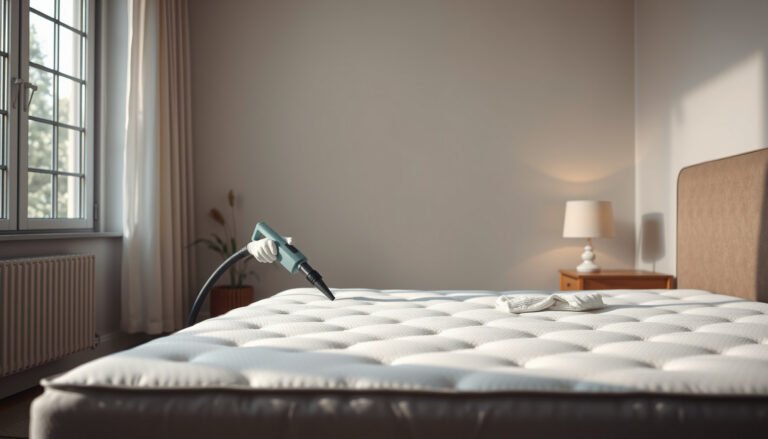
Vacuum dust first and ensure the wool mattress surface is dry before you place any encasement. This prevents dust + moisture from becoming a staining and odor pathway under the cover.
Before coverage, you’re trying to control two risks: (1) particulate buildup (dust, drywall grit, paint residue) and (2) residual moisture (from cleaning, steam, or humid air trapped against the wool mattress). Both risks increase when a barrier is zipped on.
Dry soil and dust are easier to remove without spreading, while cleaning moisture under a protector can increase the chance of trapped dampness in wool.
Many fabric care guides recommend vacuuming or brushing before wet cleaning to avoid working debris deeper into fiber structures.
For moisture-sensitive textiles, the safest sequence is: clean gently (if needed), then dry fully, then re-cover.
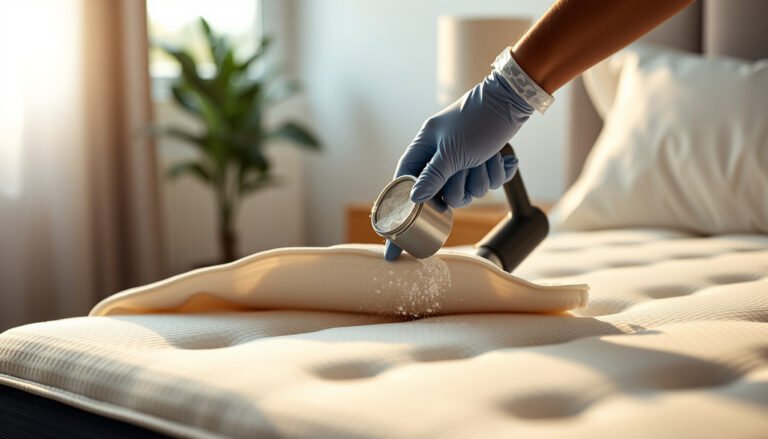
– Vacuum loose dust and debris first using a soft upholstery attachment, then let the surface dry completely before covering (dust + moisture is a bad combo).
– Avoid soaking the wool before protection; the goal is prevention first, not saturation.
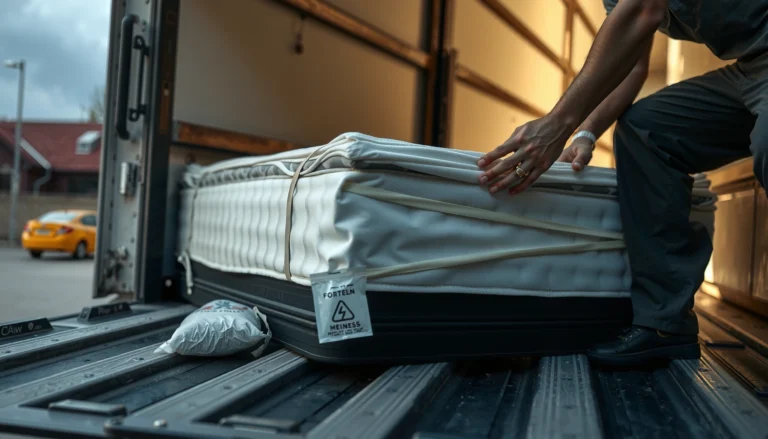
– If the mattress must be moved, lift carefully from multiple sides and keep the cover on during transport to reduce exposure.
Why “don’t soak” is so important for a wool mattress. Wool can absorb significant moisture without feeling wet, which is a comfort feature during normal use—but it’s not what you want when you’re also adding renovation humidity and dust. If you wet the wool before protection, you may trap that moisture under the encasement.
Dryness checkpoints you can actually use. After vacuuming and any spot-touch-up, give the mattress time to return to baseline dryness. You’re looking for “no cool dampness” to the touch and no visible surface sheen—then cover.
Movement best practice. If you rotate or move the bed frame, keep the wool mattress covered during transport. Exposure during transit is often when pets jump on the bed, or when someone sets the mattress on a dusty floor.
If a pet accident happens: clean and dry correctly
Clean pet accidents on a wool mattress with speed, blotting, cool water sparingly, and thorough drying. The fastest route to odor prevention is preventing liquid from wicking into the wool fibers and then drying completely before re-covering.
When a pet accident hits a wool mattress—even with a good encasement—some situations can still reach the surface (zippers not fully closed, corner gaps, edge seepage, or an encasement removed temporarily during the renovation). Treat every incident as if it could involve wool uptake.
Blotting (instead of rubbing) reduces the chance of pushing liquid deeper into fabric fibers, which is crucial for wool texture integrity.
Enzyme cleaners are specifically formulated to break down components associated with pet urine odor, but they must be used only according to the product label and textile compatibility guidance.
Drying airflow matters: damp, enclosed conditions support odor persistence and increase the risk of microbial growth in moisture-sensitive textiles.
– Act fast: blot (don’t rub) with absorbent towels to lift liquid, then remove solids promptly if needed.
– Use cool/cold water sparingly and only on the affected area; wool can be sensitive to hot water and aggressive scrubbing.
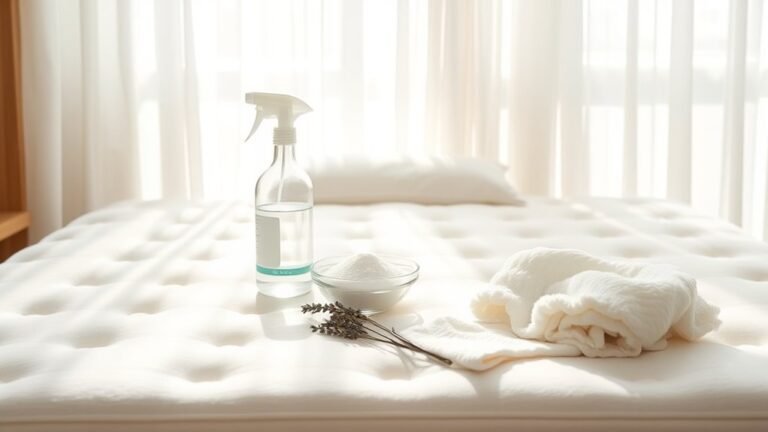
– Use an enzyme cleaner made for pet urine only if it’s compatible with wool per the product label and test on a hidden spot first. Then dry thoroughly with airflow ().
Step-by-step response (wool mattress focused).
- Immediate blot: Use clean absorbent towels and press—lift and repeat until towels stop drawing liquid.
- Targeted rinse: If needed, use cool water in tiny amounts on the affected area only. Avoid soaking.
- Enzyme treatment (if label-approved): Apply according to the instructions; do not over-apply. Test on a hidden spot if you’re unsure about compatibility with wool.
- Drying: The wool mattress needs airflow until it’s fully dry before you return it to any covered state.
About “cool water sparingly.” Heat and aggressive scrubbing can stress wool fibers and alter their feel. For odor control on a wool mattress, gentle cleaning paired with complete drying beats repeated wetting and rubbing.
Why ventilation is non-negotiable. According to the U.S. Environmental Protection Agency (EPA), mold can begin to grow within 24–48 hours after water exposure when moisture conditions persist (EPA guidance, 2023). EPA guidance on mold and moisture. This is exactly what you want to prevent when you’re dealing with wool mattress incidents and renovation humidity.
What can go wrong (and how to avoid damage)
The most common failures are moisture trapping, delayed cleaning, and over-aggressive scrubbing. If you avoid these three, you dramatically reduce odor and fiber damage risk for a wool mattress.
A waterproof barrier helps, but it’s not magic. Wool’s ability to hold moisture means that “covered but wet” can become worse than “slightly exposed while you dry correctly.”
A plastic-only cover that blocks water but also traps vapor for days increases the chance of lingering dampness inside the wool mattress layers.
Waiting to clean pet urine increases the likelihood that odor compounds set into fibers as the area dries.
Over-scrubbing can mechanically damage wool fibers and spread residues deeper into the fabric structure.
– A plastic-only cover that’s fully airtight for days: it can trap moisture and raise the risk of odor or mildew in wool—especially if anything gets spilled or the room is humid.
– Waiting to clean: urine and odors set as they dry, so “later” often turns a small spill into a longer odor problem.
– Over-scrubbing: it can damage fibers and spread staining deeper into the wool.
– Leaving the mattress damp under a protector: even a great waterproof barrier won’t help if liquid is trapped against the fibers.
Barrier choice: quick comparison (wool mattress practical lens).
| Barrier type | Best for | Main downside for wool mattress | Renovation use recommendation |
|---|---|---|---|
| Zippered waterproof + breathable encasement | Preventing liquid contact | Can reduce airflow if left too long without airing out | Preferred for renovation windows |
| Loose waterproof plastic | Short-term protection | Slippage + seam leaks + vapor trapping | Use only briefly; don’t rely for multi-day jobs |
| No encasement (tarp or blanket) | Day-to-day convenience | Urine/solids wick into wool quickly | Not recommended during active renovation |
Humidity reality check. According to the U.S. Centers for Disease Control and Prevention (CDC), mold is more likely to grow when indoor humidity stays around 60% or higher (CDC mold guidance, 2024). CDC mold and humidity guidance. Renovations often raise humidity (or reduce airflow), so a “fully zipped cover for days” can backfire if anything got through or if vapor accumulates.
Verdict: protect a wool mattress without trapping odors
Best approach: combine pet containment + a waterproof (preferably breathable) encasement + rapid, gentle cleaning if something happens. The main downside is that any barrier can reduce airflow, so you should still remove the cover and let the mattress breathe when renovation ends.
The safest workflow for a wool mattress is prevention first (contain pets + encase), then immediate blotting and cool, limited treatment if an accident occurs.
Public health guidance consistently links persistent dampness with mold risk, so wool mattress protection must include full drying and ventilation after renovation exposure.
Even waterproof barriers should not be treated as indefinite storage; airing out after the renovation window is a key odor-control step.
Skip this DIY protection plan if:
– Your mattress manufacturer specifically warns against waterproof encasements or cover-on-long-term storage ().
– You already see mold/mildew, heavy staining, or a persistent odor that won’t come out with spot cleaning—then you’ll likely need professional upholstery or mattress service.
Quick checklist (scan/save)
– [ ] Keep pets out of the room during open-door and moving steps
– [ ] Cover with a snug waterproof + breathable zip encasement
– [ ] Vacuum surface first; mattress must be fully dry before covering
– [ ] Blot accidents immediately (no rubbing)
– [ ] Use cool water sparingly + compatible enzyme cleaner (label-approved for wool)
– [ ] Dry completely with airflow before re-covering/long storage
Sources
When you protect a wool mattress during renovation, the winning combo is prevention plus fast action: keep pets out of the work zone, use a tight waterproof (ideally breathable) encasement, and clean accidents with cool, gentle steps and thorough drying. If you want, tell me what kind of encasement/protector you have (zippered vs. fitted vs. plastic) and what pet accident you’re planning for (urine only, solids, or both), and we’ll tailor the safest method.
Frequently Asked Questions
What’s the best way to protect a wool mattress from pet accidents during home renovation?
Start by keeping pets out of the renovation zone as much as possible, using temporary gates or closed doors. Then fully encase the wool mattress in a waterproof, breathable mattress protector before adding extra layers of washable covers. This helps shield against urine spills while still allowing some airflow to reduce lingering odors and moisture.
How do you prepare a wool mattress for renovation if your pets roam the house?
Place the wool mattress on a raised platform or clean floor mat to prevent accidental contact with dust, debris, or liquids. Apply a waterproof mattress protector and seal edges so urine can’t seep into seams, tufts, or side panels. If you’re moving the mattress, use plastic mattress covers or moving bags to prevent accidental exposure while you work.
How can you clean pet urine safely from a wool mattress without damaging the wool?
Blot immediately with paper towels and use cold water sparingly—avoid soaking the wool, since excessive moisture can spread odor and damage the filling. Use an enzymatic pet urine cleaner designed for fabrics to break down urine compounds, then blot and allow the mattress to dry thoroughly with good airflow and a fan. Never use harsh chemicals or steam on wool unless the manufacturer specifically approves, because it can degrade the material and impact comfort.
Why is it important to protect wool during renovation rather than relying on quick spot cleaning?
Wool naturally absorbs moisture and odors, so a small pet accident can become harder to remove if construction dust or humidity settles in afterward. Protecting the mattress with a waterproof barrier reduces the chance of urine penetrating deep into the wool fibers and backing layers. This also makes post-renovation cleanup faster and less risky for maintaining mattress structure and support.
Which temporary barriers and covers work best to prevent pet accidents during construction work?
Use a combination approach: a waterproof, breathable mattress protector plus a snug, washable cover on top to guard against spills and dust. Add plastic or water-resistant sheet wrapping during high-risk periods like flooring replacement or painting, and keep the mattress in a controlled-access room. For extra security, set up a supervised pet-safe area so pets aren’t drawn to the renovation area, which is when accidents are most likely.
📅 Last Updated: October 27, 2026 | Topic: How to Protect a Wool Mattress from Pet Accidents During Renovation | Content verified for accuracy and freshness.
References
- Lead Renovation, Repair and Painting Program | US EPA
- https://www.cdc.gov/coronavirus/2019-ncov/community/disinfecting-building-facility.html
- Wool
- Mattress protector
- enzymatic cleaning textile odor urea – Search Results – PubMed
- https://scholar.google.com/scholar?q=pet+urine+enzymatic+cleaning+textiles Google Scholar
- https://scholar.google.com/scholar?q=wool+fabric+care+stain+removal Google Scholar
- https://scholar.google.com/scholar?q=preventing+pet+access+during+home+renovation+accidents Google Scholar