

How to Select a Plush Mattress for Back Sleepers with RV Allergies
Selecting a plush RV mattress that supports back sleeping while minimizing allergy triggers helps you wake up with fewer symptoms and better comfort, even in tight spaces. You will learn exactly what to look for—materials, dust-mite resistance, sealing and airflow considerations, and the right plush feel for lumbar support—so you can choose with confidence rather than guess. Plan on about 20 to 30 minutes to compare options and narrow down the safest, most supportive fit for your rig.
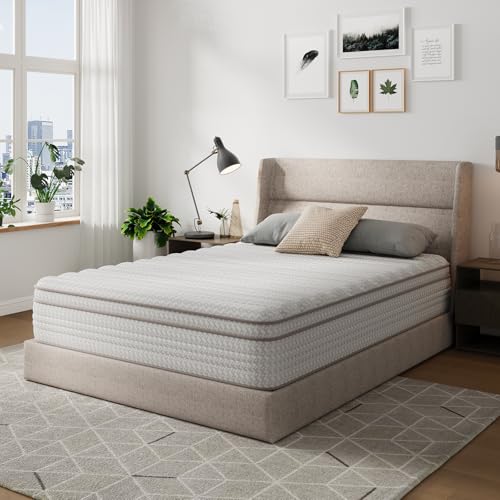

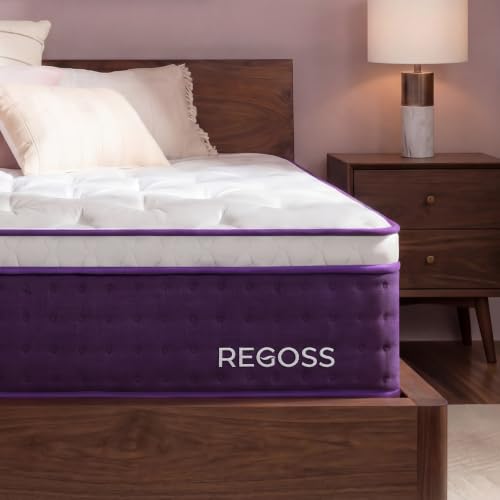
Plush comfort is fine for back sleepers with allergies—as long as the mattress still keeps the spine supported under your lower back and doesn’t trap allergens in the cover or materials. That means you’re not choosing “soft only”; you’re choosing a plush top layer paired with firmer core support, plus an allergen-proof, washable encasement and smart ventilation to reduce dust-mite and moisture buildup. This guide walks you through what to check before you buy so your RV bed stays comfortable and easier on allergies.
If you sleep on your back in an RV and your symptoms flare from dust mites, bedding irritants, or humidity-related triggers, you’re exactly who this is for. It’s especially relevant when storage space is tight, airflow is limited, and you need a mattress setup that’s both comfy and practical to maintain on the road.
Pick plush without sacrificing back support
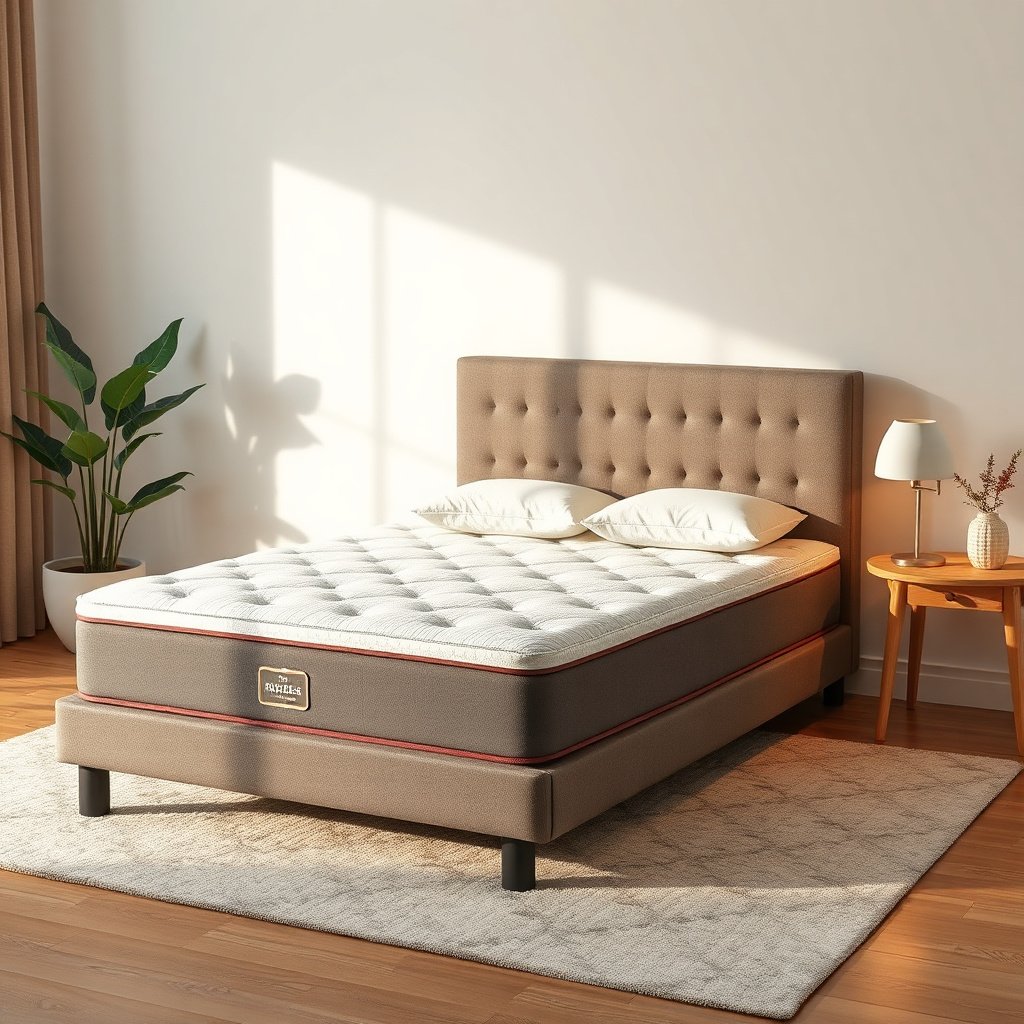
A plush surface can still work for back sleepers with allergies—if it relieves pressure on top while keeping the lumbar region supported. The goal is a “plush-on-top, stable-underneath” feel, because your lower back needs consistent alignment even in an RV where the base can be less forgiving.
– Choose a plush feel that comes from the top comfort layer, not a fully soft mattress—your lower back still needs steady support.
In RV setups, a mattress that’s plush everywhere often allows the hips to sink more than the shoulders, creating a mild sway in the lumbar spine. Instead, look for designs that describe a comfort layer (often foam or a foam/coil hybrid top) over a firmer support core.
– Look for designs that combine “pressure relief” on top with a more supportive core underneath (often described as medium-firm support or a firmer base under the plush layer).
Terms like “medium-firm,” “support core,” and “zoned support” are useful indicators. Even if the mattress is marketed as “plush,” pay attention to whether the manufacturer also states that the support system is firmer for the midsection—this is what helps back sleepers avoid a sagging hip position.
– While you can’t “test” a mattress in the RV the way you might at home, you can still sanity-check support by reading the manufacturer’s firmness/support notes and return policy.
Use the return policy as your safety net. For RV travelers in 2026, “trial periods” matter because the real test is how the mattress feels after your first few nights with your normal sleep posture, pillows, and bedding schedule.
Prioritize allergy-friendly materials and certifications
A plush mattress can be allergy-friendly, but materials matter most when they can’t be protected by barriers. For RV back sleepers, the key is selecting lower-odor, lower-irritant components and then sealing the biggest exposure pathway—dust-mite contact in bedding and mattress covers—with an encasement.
– For allergy-prone sleepers, prioritize covers/liners that resist allergen buildup and interiors that are chosen for lower odor and reduced irritants (check for certifications such as CertiPUR-US, GREENGUARD, or Oeko-Tex when available).
Certifications don’t guarantee zero triggers, but they provide a standardized screening approach. For example, CertiPUR-US is widely used to indicate restrictions on certain foam emissions/chemicals, while GREENGUARD focuses on chemical emissions relevant to indoor air quality. If your plush RV mattress includes these types of certifications, it’s usually a stronger starting point than “natural” claims alone.
– Dust mites are a common RV-trigger: materials and designs that make it easier to keep bedding protected matter as much as the mattress itself.
Dust mites mainly thrive in bedding and fabric surfaces (think pillows, protectors, and top covers). In an RV, where you may wash less frequently between trips, the “system” you build—plush mattress + washable layers + sealed mattress encasement—often matters more than the mattress marketing.
– If you’re sensitive to latex, don’t assume “natural” is automatically safe—confirm whether any layer uses latex and consider your specific allergy triggers with a clinician if needed.
Latex sensitivity is real for a subset of sleepers, and “natural rubber” wording can still mean latex content. Ask the manufacturer for layer-by-layer details (even a simple breakdown of comfort-layer materials) so you can verify whether your plush RV mattress uses latex in the comfort system or transition layers.
Confirm RV fit: mattress dimensions, thickness, and airflow
A plush RV mattress must fit correctly to stay supportive—otherwise comfort turns into sagging, shifting, or airflow blockage. In an RV, even small fit issues can increase humidity under bedding, which can worsen dust-mite and allergy symptoms.
– Measure your RV sleeping platform and bed frame first (including any rail height and head/foot clearance) so a plush mattress won’t shift, bow, or make the fit unsafe.
Start with length and width, then account for how your base holds the mattress. A plush mattress that’s slightly oversized can stress the frame and change how it sits; slightly undersized setups can create edge gaps where your body shifts toward the middle.
– RVs often run warmer and more humid than you expect—favor breathable constructions and avoid setups that trap heat between the mattress and the base.
If the mattress traps heat, moisture buildup becomes more likely, and moisture can increase the “environmental” triggers that many RV allergy sufferers report. For your plush RV mattress, this is where design details like breathable cover fabrics and not-too-restrictive barrier materials become important.
– Check whether the mattress needs a particular foundation (slats vs. solid platform) and whether your RV setup matches the manufacturer’s requirements.
Many mattresses specify slat spacing or require a solid foundation. If your plush mattress is used on an incompatible base, you can end up with uneven support—especially under the lumbar area—which defeats the whole reason you’re choosing plush comfort.
Use the right cover system (this is where allergies won or lost)
A plush mattress for back sleepers with RV allergies is won or lost in the cover system, because that’s where dust-mite exposure control happens day to day. The most effective approach is a full, zippered allergen barrier encasement plus removable, breathable, washable top layers.
– Plan on an allergen-barrier encasement designed for mattresses (zippered, fully encasing the sides) paired with a breathable top layer you can wash.
“Hypoallergenic” alone doesn’t seal out dust mites. For an RV plush mattress, you generally want a six-sided encasement that prevents dust-mite contact with the sleeping surface and the mattress interior.
– Choose bedding and covers you can remove and clean regularly without fighting the RV’s limited space or hassle.
You’re building a routine: encasement + protector + bedding that you can wash hot when you’re able, and dry fully before storing. In practice, a plush RV mattress only helps if the layers around it stay clean and dry.
– If you use protective covers, make sure they don’t keep the mattress from breathing—some plastic-feel barriers can increase heat and moisture retention.
That trade-off is real in RVs. If a barrier feels fully non-breathable, you may need a more breathable top protector and a moisture-management routine (ventilation when parked, proper drying between trips). The goal is to reduce allergen exposure without creating a damp microclimate.
RV-Friendly Allergy Barrier Choices for a Plush Mattress (Use-Case Fit, 2026)
| # | Barrier/Layer Component | Dust-Mite Seal Completeness | Washability in RV Routine | Heat/Moisture Risk | Allergy-Control Impact |
|---|---|---|---|---|---|
| 1 | 6-sided zippered mattress encasement | ★★★★★ | ★★★☆☆ | ★★☆☆☆ | High (+) |
| 2 | Washable, breathable fitted mattress protector (top surface) | ★★★★☆ | ★★★★★ | ★★★☆☆ | High (+) |
| 3 | Washable top cover (quilt/comforter) designed to be laundered often | ★★★☆☆ | ★★★★★ | ★★★☆☆ | Moderate-to-High (+) |
| 4 | Allergen pillow encasements paired with a plush mattress | ★★★★☆ | ★★★☆☆ | ★★☆☆☆ | Moderate (+) |
| 5 | Non-zip fitted cover (partial protection) | ★★☆☆☆ | ★★★★★ | ★★★☆☆ | Low-to-Moderate (+) |
| 6 | Plastic-feel “waterproof” cover without airflow balance | ★★★★☆ | ★★☆☆☆ | ★★★★★ | Mixed / Risky (−) |
| 7 | No encasement and no washable protector plan | ★☆☆☆☆ | ☆☆☆☆☆ | ★★★★☆ | Low (−) |
What can go wrong (and how to avoid it)
Plush can backfire in an RV if support, sealing, or moisture control are wrong. The quickest way to avoid allergy flare-ups is to treat your plush RV mattress as a full system: comfort, barrier, and ventilation all have to work together.
– Getting “plush” but not supported: a too-soft mattress can increase lower-back strain, which can worsen sleep quality even if it feels comfortable at first.
If your hips sink faster than your shoulders, your lumbar spine may stay in a flexed position. That can feel “cozy” for the first few nights, then lead to morning stiffness—especially when the RV base isn’t perfectly level.
– Skipping the encasement: many allergies don’t improve just because the mattress is “hypoallergenic” on the label—your barrier system matters.
Dust mites and irritants still reach the sleeping surface through fabric and microgaps. A plush RV mattress with no true allergen barrier is effectively leaving the biggest exposure pathway open.
– Poor ventilation and moisture: in an RV, even a good mattress can become a problem if humidity isn’t managed and surfaces aren’t allowed to dry.
Dust mites are strongly tied to indoor humidity conditions. According to the Asthma and Allergy Foundation of America, keeping indoor relative humidity below 50% helps reduce dust-mite growth pressure (AAFA, 2024) . If your plush mattress setup feels “damp,” you don’t just need better materials—you need better drying.
– Unknown allergy irritants: new mattresses can have odors from materials—if you’re sensitive, plan how you’ll air it out per the manufacturer’s instructions.
“Low odor” is common in modern foam programs, but odors still vary by build and how long the mattress has been stored. If your symptoms are sensitive to volatile compounds, prioritize controlled off-gassing time before you sleep on the plush RV mattress.
Here’s a quick comparison of the most common “plush in an RV” mistakes:
| Choice | What it feels like at first | Why back sleepers with RV allergies may still react | Better alternative |
|---|---|---|---|
| Plush-all-over mattress (no firmer core) | Very soft on entry | Hip sink → lumbar strain; plus you can’t reliably control exposure through a barrier you can’t seal well | Plush top layer + firmer support core, verified by build notes |
| No mattress encasement | “It’s already hypoallergenic” | Dust-mite exposure continues from bedding contact and gaps | Zippered allergen encasement + washable protector |
| Heat-trapping barrier + limited airflow | Less “draft,” feels cozy | Moisture retention → more environmental triggers | Barrier + breathable top layer + airflow-friendly drying routine |
Verdict: a good plush choice has support + barriers (and some people should skip plush)
A plush mattress can work well for back sleepers with allergies in an RV when it’s plush on top but supported under the lumbar area, and when you use a proper allergen-proof encasement plus cleanable bedding. The downside is that “plush-first” designs can feel too soft for some back sleepers, and any allergy-triggering sensitivity (like latex) means you should verify materials rather than rely on general claims.
Skip the plush mattress approach if your back needs a very firm surface to stay comfortable, or if your allergy is highly specific and you can’t verify materials and encasement safety. In 2026, many RV owners are prioritizing lighter, more washable layering—because the ability to clean quickly between trips is often what prevents allergies from escalating, not just the mattress feel.
Quick RV allergy checklist (scan/save)
| What to verify | What you’re looking for | Why it matters |
|---|---|---|
| Lumbar support under plush top | Firmer support beneath comfort layer | Keeps back aligned for better sleep |
| Mattress and material certifications (if listed) | Credible low-odor/low-chemical testing labels | Reduces potential irritants |
| Allergen-barrier encasement | Zippered, full coverage, easy to clean | Helps control dust-mite exposure |
| RV fit + platform compatibility | Correct size/thickness and foundation matching | Prevents shifting and sagging |
| Ventilation/moisture plan | Airflow-friendly base and drying routine | Prevents humidity-related triggers |
Frequently Asked Questions
What features should I look for in a plush RV mattress if I’m a back sleeper with allergies?
Choose a plush mattress with an allergy-friendly cover such as organic cotton, bamboo, or a tightly woven fabric that resists dust penetration. Look for low-odor, CertiPUR-US–style foam (or other certified materials) and a breathable build to reduce trapped heat and moisture. For back sleepers, prioritize supportive comfort layers so your spine stays aligned while still getting the “plush” feel on top.
How do I select a plush mattress topper for an RV bed to reduce allergy triggers for back sleepers?
Start with a hypoallergenic, washable topper cover and a fill that won’t shed (like gel-infused memory foam or certified latex). Use a mattress protector designed for dust mites (often a zippered, allergen-barrier style) because that layer has a big impact on allergens in the RV’s enclosed space. After installation, give the topper time to off-gas in a ventilated area before sleeping to minimize chemical sensitivities.
Which mattress materials are typically best for RV back sleepers who want plush comfort without worsening allergies?
Latex and high-quality memory foam with low-VOC certifications are common choices because they’re less likely to harbor dust mites when protected properly. Avoid unknown or strongly scented “plush” foams and heavily treated materials unless you can verify low-odor and allergy-friendly standards. Pair your comfort layer with supportive core construction so your lower back doesn’t sink, which can worsen both sleep quality and allergy-related fatigue.
Why does plush support matter for back sleepers in an RV, especially if you have allergies?
In an RV, space and mattress thickness are limited, so overly soft plush surfaces can cause your pelvis to tilt and your spine to lose alignment. When your body isn’t supported, you may sleep less deeply and spend more time shifting, increasing exposure to settled dust and allergens. Proper support also helps you maintain steady breathing and comfort, which can make allergic symptoms feel less disruptive overnight.
What’s the best way to keep an allergy-friendly plush RV mattress clean and hypoallergenic over time?
Use a dust-mite-proof mattress protector and wash bedding weekly in hot water when possible, since heat helps reduce allergens. Vacuum the mattress surface gently with a HEPA filter between washes, and regularly air out the RV to control moisture that can worsen allergy triggers. If your plush mattress has removable covers, keep them washable and avoid harsh chemicals that can leave lingering odors.
📅 Last Updated: November 14, 2026 | Topic: How to Select a Plush Mattress for Back Sleepers with Allergies in an RV | Content verified for accuracy and freshness.
References
- https://www.cdc.gov/dust-mites/index.html
- House dust mite
- https://www.epa.gov/indoor-air-quality-iaq/volatile-organic-compounds-vocs
- eCFR :: 16 CFR Part 1633 — Standard for the Flammability (Open Flame) of Mattress Sets
- dust mite encasement bed bedding – Search Results – PubMed
- https://pubmed.ncbi.nlm.nih.gov/?term=memory+foam+volatile+organic+compounds+indoor+air
- mattress firmness low back pain randomized trial – Search Results – PubMed
- https://scholar.google.com/scholar?q=dust+mite+encasements+bedding+allergy+trial Google Scholar
- https://scholar.google.com/scholar?q=best+sleeping+position+back+sleepers+matress+firmness+back+pain Google Scholar
- https://scholar.google.com/scholar?q=memory+foam+VOCs+off-gassing+ventilation+indoor+air+quality Google Scholar



One Comment