How to Protect a Cotton Mattress from Pet Dander During Storage
If you’re storing a cotton mattress and need to stop pet dander from getting into it, the best protection is a fully sealed, allergen-rated encasement paired with careful bagging and clean storage conditions. This guide answers how to package the mattress so dander can’t settle during long-term storage. Follow these steps to prevent contamination without damaging the cotton mattress.




To protect a cotton mattress from pet dander during storage, you need two things: fully clean/fully dry the mattress first, then enclose it in a tightly sealed, allergen-blocking cover so dander can’t reach the cotton fibers. If you do only one thing, make it the sealed barrier—pet dander behaves like “particles on the move,” and even small gaps can re-contaminate the surface later.
If you store a mattress seasonally, keep it in a garage/closet, or you’re trying to reduce allergens for allergy sufferers (including during moves), this is for you. The goal is simple: stop loose dander from drifting back onto the mattress while it’s packed away.
Prep your cotton mattress before it goes into storage

The best way to keep pet dander from sticking back to a cotton mattress is to remove loose hair and allergen residue before you seal it in. Clean first (with the right tools), then dry completely—because any residue you trap under a cover is what later “re-deposits” when you open or move the mattress.
Pet dander control starts with what’s already on the cotton surface. Cotton is absorbent, and allergens can cling to fibers more than they cling to non-porous materials. That means your prep step isn’t optional—your barrier works best only after the surface load has been reduced.
A HEPA-filter vacuum is designed to capture fine particulate matter that can include allergen-carrying dust from pet shedding.
Moisture trapped under storage covers increases mold and musty odor risk, so complete drying is essential before airtight sealing of a cotton mattress.
What “clean” means for pet dander on cotton
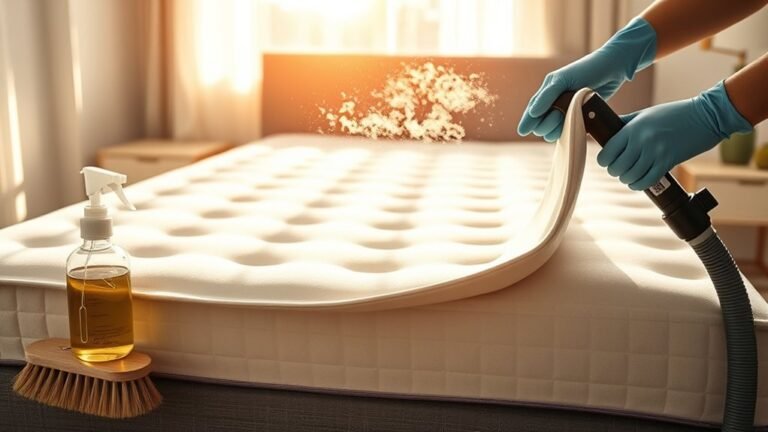
Start with vacuuming the entire mattress surface using a HEPA-filter vacuum with attachments. Don’t rush edges, seams, and tufts—this is where hair and dander accumulate. According to , HEPA systems are specified to capture at least 99.97% of particles at 0.3 microns (1987). That particle-fine category is exactly what makes pet allergen exposure hard to manage with casual cleaning.
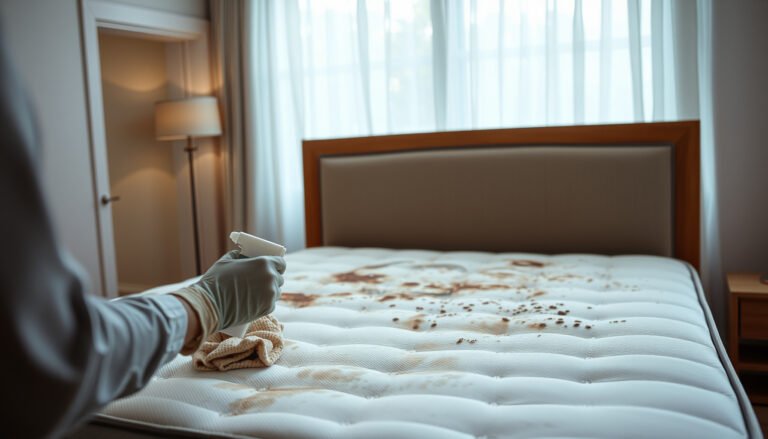
Next, spot-clean stains and visibly soiled areas using methods appropriate for your mattress fabric and any removable covers you plan to remove. After spot cleaning, give the cotton time to return fully to a dry, stable state. In my view, this is where most “good intentions” fail during real-world storage: the mattress feels “dry on top,” but the interior stays damp for hours—especially if it was recently cleaned or humid.
Because we don’t have your mattress’s exact construction and humidity conditions, use a conservative drying approach:
– Use airflow (fans) and time.
– Confirm no damp pockets remain by checking corners and thicker comfort layers.
– Avoid sealing while anything feels cool or damp to the touch.
Remove and launder removable components
If your cotton mattress has removable covers/liners, take them off and wash them according to the care label. Then dry them fully before reassembling. This matters because many mattress liners hold onto allergen residue even if the main fabric is vacuumed.
If you’re managing allergens during a move, prep becomes even more important in 2026: the mattress is exposed to garage/vehicle dust, vibration, and drafts. Cleaning and drying before wrapping prevents “tracking” pet-related particles back onto cotton later.
Use a barrier that actually blocks allergens
To protect a cotton mattress from pet dander during storage, you need an allergen-impermeable, zippered encasement that fully encloses the mattress end-to-end. A loosely fitted cover helps with light dust, but it usually doesn’t stop the fine particles that carry pet allergens.
This is the core logic: vacuuming reduces what’s on the surface, and the sealed barrier prevents what’s in the surrounding air from landing on cotton again. For pet dander, the main failure mode isn’t dramatic exposure—it’s gradual re-deposition through gaps.
Allergen-impermeable encasements are intended to reduce exposure by preventing the movement of allergen-bearing particles into bedding materials.
Seams, zipper tracks, and corners are common pathways for particulate ingress, so encasements must be fully zipped and inspected before storage.
Choose the right type of encasement (not just “a cover”)
Look for a zippered encasement marketed specifically for dust/pet allergens and described as allergen-impermeable or allergen-blocking. A basic fitted sheet is not enough for this job. Your cotton mattress needs a barrier that:
– seals at the perimeter,
– maintains integrity around corners,
– and has an effective closure system.
Add a second outer barrier if you need extra assurance
If your storage location has frequent dust or you’re transporting the mattress, consider an additional outer barrier (for example, a tightly sealed storage bag) over the encasement. The second layer is less about “medical-grade filtration” and more about protecting the encasement from abrasions and accidental openings.
When you stack barriers, focus on one principle: the outer barrier should not create new leaks at seams. Inspect the overlap points and closure edges so you’re not sealing one problem while creating another.
Keep the mattress fully enclosed
Dander can sneak in through small openings—especially:
– corners (where fabric compresses),
– zipper areas,
– and any closure lines exposed during stacking.
In 2026, many families are storing mattresses longer between moves or seasonal replacements. In those situations, even a minor zipper gap can allow continued deposition onto cotton over weeks.
Reduce lingering odor and allergen residue safely
To minimize pet-related smells and residue before storage, use gentle, dry odor-absorbing methods and then vacuum thoroughly before sealing. Avoid adding extra moisture to a cotton mattress—dampness increases mildew risk and can worsen odor retention.
Odor often signals residue chemistry and moisture issues. If a cotton mattress is even slightly damp, enclosed storage can trap humidity, and that environment can amplify musty smells.
Keeping indoor relative humidity within a controlled range helps reduce conditions that support mold growth.
Moisture trapped during long storage periods can lead to mildew and fabric damage, making complete drying before airtight wrapping critical.
Use dry methods and remove residue before you seal
If odor is the issue, choose dry approaches like a lightly applied odor absorbent (following the product instructions) rather than saturating the cotton. After treatment, vacuum the surface again to remove any residue that could become tacky or attract more dust.
Be disciplined here: airtight storage “locks in” whatever you leave behind. Any treatment you apply should be fully dry before the barrier closes—otherwise you trap what you’re trying to avoid.
Don’t saturate cotton
Cotton is breathable, but “breathable” does not mean “forgiving during sealed storage.” Extra moisture increases mildew risk, particularly in a garage/closet where temperature swings can create condensation.
As you prep, prioritize simple controls:
– dry thoroughly,
– seal tightly,
– store in a dry location.
Store it to prevent re-contamination and moisture damage
To keep pet dander from returning to your cotton mattress after you seal it, store it in a clean, dry, low-dust spot—off the floor and away from active airflow. This reduces both airborne particle exposure and condensation risks during the storage period.
Even with an encasement, the environment matters. Storage areas accumulate dust, and airflow can move particles around. Moisture control matters too: condensation inside the storage space can find pathways through the outer barrier.
Mold prevention guidance emphasizes humidity control, and storage in a dry, stable environment lowers the chance of odor and mildew.
Off-floor storage reduces the chance of moisture wicking from concrete or damp surfaces into textiles.
Pick the right storage location
Aim for:
– a clean, dry area (closet, shelf, or storage bin),
– off-floor placement (a shelf or bin),
– minimal dust and minimal foot traffic.
Avoid areas where dust blows around or where air moves unpredictably:
– near HVAC returns,
– workshop zones (sawdust),
– spaces with frequent sweeping or activity.
Use desiccants carefully (if you use them)
If you add desiccants, follow the manufacturer’s guidance for quantity and placement. Keep them away from direct contact with the mattress fabric to avoid staining or residue transfer. Also, don’t treat desiccants as a substitute for proper drying—drying is still the first line of defense.
What can go wrong (and how to avoid it)
The most common reason a sealed cotton mattress still “brings allergens back” is a prep or sealing failure: dampness, poor closure integrity, or a barrier that doesn’t truly block allergen particles. The fix is to treat cleaning/drying and sealing as a single system, not separate steps.
Below is a quick comparison of failure points and the practical prevention moves that reduce risk.
| Failure mode | What you’ll notice | How to avoid it |
|---|---|---|
| Sealing a damp mattress | Musty smell, mildew spotting, fabric stiffness | Dry fully, then confirm corners are dry before airtight wrapping |
| Using a breathable cover only | Allergen residue still accumulates after weeks | Use a zippered allergen-impermeable encasement designed for pet/dust allergens |
| Unsealed seams or small tears | Partial contamination, uneven “clean” zones | Inspect zipper tracks, corners, and closure lines before sealing and after any storage moves |
A small gap in an encasement closure can undermine allergen-blocking performance by allowing particulate ingress at the leak point.
Moisture management is critical because enclosed storage can amplify odor and microbial risks when textiles retain dampness.
Quick reality checks
– Sealing a damp mattress: Trapped moisture can lead to mildew, musty smell, and cotton fabric damage. Drying thoroughly is non-negotiable.
– Using “breathable” storage covers only: They may protect from light dust but often won’t stop allergen particles well enough for pet dander reduction.
– Small tears or unsealed seams: Even a minor gap can defeat the barrier. Inspect zippers, corners, and closure lines before you move it.
Verdict: the most reliable approach (and who should skip it)
The most dependable plan is: clean + fully dry + airtight allergen-blocking encasement (optionally with a second outer barrier) + dry, off-floor storage. The upside is straightforward—dander has fewer landing zones on the cotton mattress during storage—but the downside is that you must be meticulous about dryness and sealing.
Reducing allergen exposure during storage typically requires both source reduction (cleaning) and environmental control (a sealed barrier).
Allergen-impermeable covers work only when fully enclosed and properly sealed, including the zipper closure and seams.
Pros/cons at a glance
| Approach | Pros | Cons / limits |
|---|---|---|
| Zippered allergen-impermeable encasement + sealed outer barrier | Best control against particle re-deposition; reduces allergen re-entry through gaps when sealed properly | Requires careful prep and inspection; improper sealing or trapped moisture can create odor/mildew issues |
| Breathable cover or non-zippered storage bag only | Easier access; can help with light dust and minor scuffs | Often insufficient for pet dander particle control; more likely to allow allergen-bearing dust entry |
Who should skip this
Skip this “storage-seal” approach and address the underlying issue first if your mattress already has mold/mildew, strong pet-related contamination that won’t come out with normal cleaning, or you’re unsure the mattress label allows airtight/covered storage. In those cases, follow the manufacturer’s care instructions or use professional cleaning.
A quick, practical performance reference (filtering relevance)
While storage is mainly about sealing, you also rely on HEPA filtration during the prep step. The table below summarizes typical filtration “tiers” that align with allergen-control practice.
HEPA and common filtration tiers used in allergen cleaning (pet dander prep)
| # | Filtration tier | Minimum capture target | Test particle size | Allergen control strength |
|---|---|---|---|---|
| 1 | True HEPA | ≥ 99.97% | 0.3 µm | ★★★★★ |
| 2 | ULPA (very high efficiency) | ≥ 99.999% | 0.12 µm | ★★★★☆ |
| 3 | MERV 16 | ≥ 90% | 0.3–1.0 µm | ★★★★☆ |
| 4 | MERV 14 | ≥ 75% | 0.3–1.0 µm | ★★★☆☆ |
| 5 | MERV 11 | ≥ 65% | 0.3–1.0 µm | ★★★☆☆ |
| 6 | MERV 9 | ≥ 50% | 0.3–1.0 µm | ★★☆☆☆ |
| 7 | Pre-filter / basic media | ≥ 20% | > 1.0 µm | ★☆☆☆☆ |
Note: Filtration labels can be tested under different standards; always follow the exact product documentation for your vacuum or filter system. The table is intended as a practical “tiering” reference for allergen-cleaning prep steps for a cotton mattress.
Quick checklist (scan before you pack)
– [ ] Vacuum entire mattress surface with HEPA (or equivalent)
– [ ] Spot-clean as needed, then fully dry (no damp areas)
– [ ] Wash/remedy any removable covers; dry completely
– [ ] Put on a zippered allergen-impermeable encasement
– [ ] Seal/inspect closures; check corners and zipper tracks
– [ ] Add an outer storage bag/wrap if you need extra protection
– [ ] Store dry and off the floor in a clean, low-dust area
Sources:
When you combine thorough cleaning, complete drying, and a truly sealed allergen-blocking cover, you give pet dander far fewer places to land during storage. Take the prep steps seriously, inspect the barrier before sealing everything up, and store your cotton mattress in a dry, low-dust area—then you’ll bring it back with much less allergen worry.
Frequently Asked Questions
How can I prevent pet dander from getting into my cotton mattress during storage?
Start by thoroughly cleaning the mattress surface and vacuuming all seams, tufting, and edges to remove loose hair and dander. Place the cotton mattress in a true allergen-proof, zippered encasement designed for dust mites and pet allergens, then store it in a dry, sealed container or closet system. Avoid storing it in the same area as pet bedding or litter materials, because dander can transfer through airflow and contact.
What’s the best way to clean a cotton mattress before putting it in storage to remove pet dander?
Vacuum the entire mattress using a HEPA-filter vacuum and spend extra time on seams and corners where pet fur and allergens collect. If the cotton cover is removable, wash it according to the care label and dry it fully before storage. For non-removable surfaces, lightly spot-clean with an upholstery-safe cleaner and allow the mattress to dry completely to prevent odors and lingering allergens.
Which storage materials and covers are most effective for blocking pet dander on a cotton mattress?
Use an allergen-proof mattress encasement with a sealed zipper and tight weave that traps pet dander, then add a breathable protective layer if needed for moisture control. For the outer layer, choose a storage bag that is specifically rated to be dust-tight; avoid loose plastic sheeting that can shift and leave gaps. If you use boxes or bins, line them with clean, fresh liners and ensure the storage area stays dry to prevent particles from clinging.
How should I handle and wrap a cotton mattress to minimize dander transfer from pets and other items?
Wear clean gloves or use a clean cover sheet when moving the mattress so pet hair doesn’t brush onto the fabric. Keep pets out of the storage space while wrapping and sealing, and avoid dragging the mattress across floors where pet dander accumulates. Wrap the mattress neatly, then fully close the encasement so the protective barrier remains intact throughout storage.
Why does pet dander become harder to remove from cotton mattresses after long storage, and how can I stop it?
During storage, pet dander can settle into cotton fibers and bedding textures, and allergens may cling more strongly as dust accumulates over time. Humidity and poor airflow can also help odors and particles stick, making later cleaning more difficult. By using an allergen-proof encasement, keeping the mattress dry, and storing it in a sealed, dust-controlled area, you reduce how much dander gets embedded.
📅 Last Updated: October 26, 2026 | Topic: How to Protect a Cotton Mattress from Pet Dander During Storage | Content verified for accuracy and freshness.
References
- https://www.cdc.gov/asthma/triggers/dustmites.html
- https://www.epa.gov/indoor-air-quality-iaq/inside-story-dust-mites
- The page you’re looking for isn’t available | NIAID: National Institute of Allergy and Infectious…
- Allergy
- House dust mite
- https://pubmed.ncbi.nlm.nih.gov/?term=pet+dander+allergen+reduction+bedding+encasement
- https://scholar.google.com/scholar?q=pet+dander+storage+bedding+allergen+reduction Google Scholar
- https://scholar.google.com/scholar?q=mattress+encasement+allergens+dust+mites+review Google Scholar