
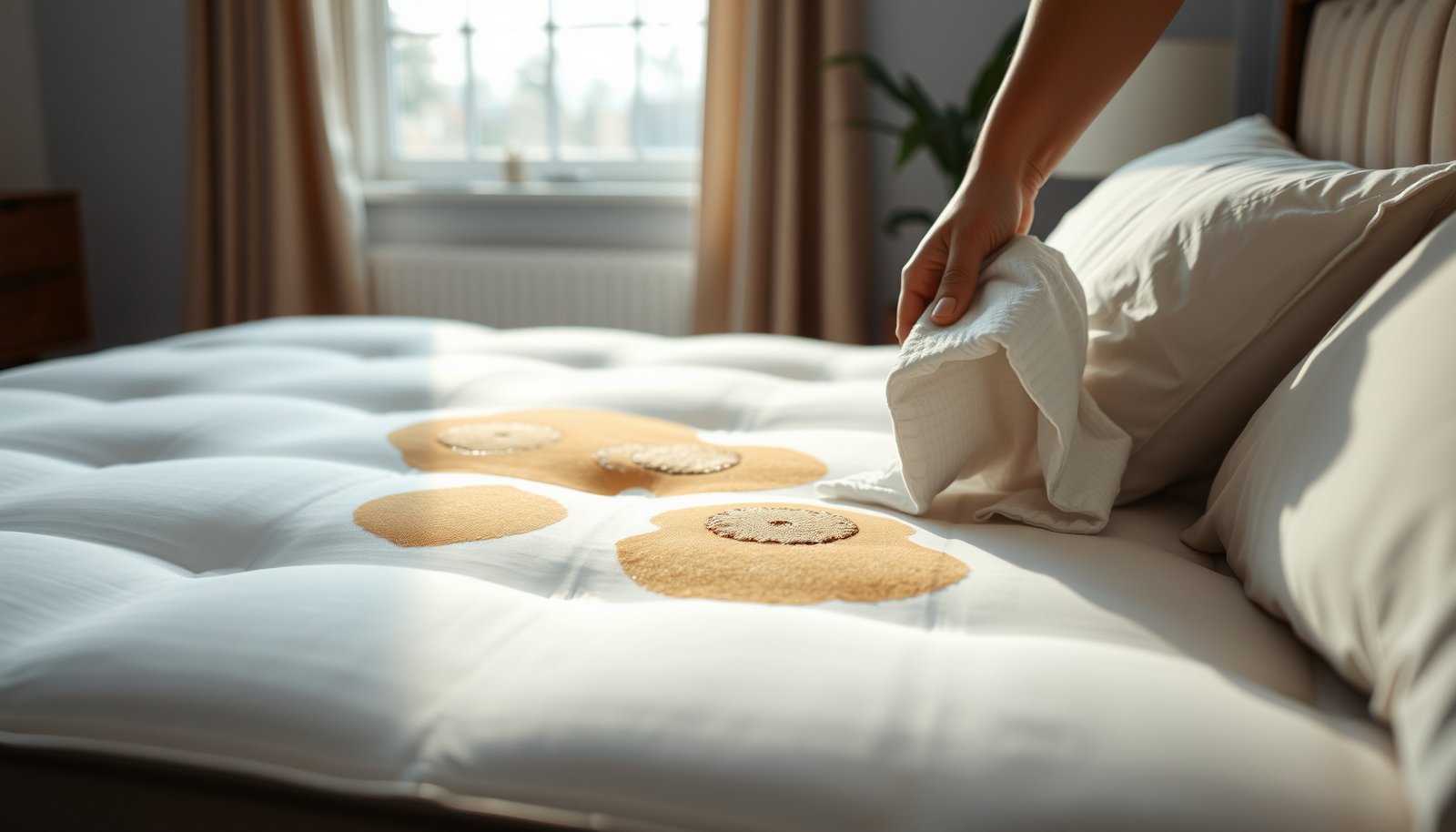
How to Clean a Pillow-Top Mattress with Coffee Stains Naturally
Wondering how to clean a pillow-top mattress with coffee stains naturally—and actually get them out? This guide delivers a clear winner: an easy, non-toxic oxygen- and vinegar-based method that lifts set-in coffee without soaking or damaging the pillow-top padding. You’ll know exactly what to do first, what to avoid, and how to finish so the mattress dries fast and stays fresh.




Blot the coffee stain first, then treat it with a natural spot solution—mild dish soap for lifting, baking soda for absorbing, and (if your care label allows) a gentle vinegar/peroxide dab for lingering discoloration. You’ll finish by rinsing lightly, then drying thoroughly so the pillow-top doesn’t stay damp. In 2026, the biggest difference between a “works once” cleanup and a “lingers for weeks” cleanup is how carefully you control moisture in the pillow-top mattress layers.
If your pillow-top has foam or a washable cover, this is the safest approach to follow at home without soaking the mattress. This guide is especially helpful when the stain is fresh to moderately set and you want to avoid harsh chemicals.
Prep your pillow-top before any stain treatment
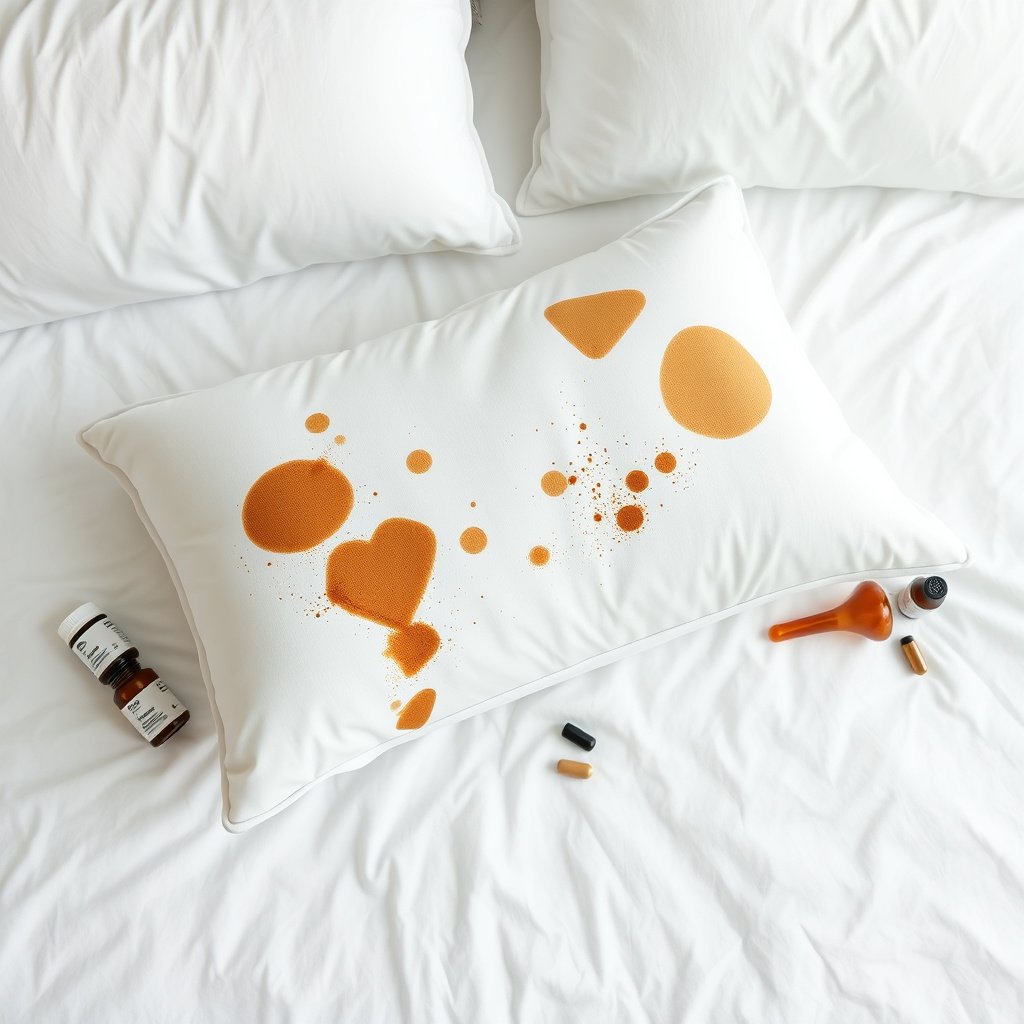
Check the mattress care label first, then prep the stained area with controlled blotting—this prevents coffee from spreading deeper into the pillow-top mattress. For most pillow-top designs, quick prep plus light spot treatment is more effective (and safer) than pouring cleaner onto the surface.
Most pillow-top mattresses specify “spot clean only” or “do not saturate” because oversaturation can trap moisture inside foam layers.
Coffee pigments and tannins spread faster when you rub, so blotting with a white cloth helps lift liquid without pushing it deeper into the pillow-top mattress.
Natural cleaners still qualify as “chemistry”—checking ingredient cautions (especially peroxide/bleach) is part of safe pillow-top mattress care.
– Check the mattress care label first (especially for “do not saturate,” “spot clean only,” or “no peroxide/bleach” notes). If the label calls out specific ingredients, treat that as the rule for your pillow-top mattress, not a suggestion.
– Blot (don’t rub) with clean white cloths or paper towels to lift as much coffee as possible. Use cool water on the cloth (not hot), because heat can set proteins and make staining harder to lift from pillow-top fabrics.
– Gather natural supplies: mild dish soap, white vinegar (optional), baking soda, clean water, and a spray bottle or spoon for controlled application. Keep everything you’ll use within arm’s reach so you’re not leaving the pillow-top mattress wet while you search for supplies.
Why “controlled moisture” matters for a pillow-top mattress
A pillow-top mattress typically includes layers of upholstery fabric over cushioning foam or fiber. Those materials can hold water in ways a flat mattress cover might not, which is why the pillow-top mattress advice consistently emphasizes dabbing, not soaking.
According to , many manufacturers warn against saturating internal layers. Practically, that warning exists because trapped moisture increases the risk of lingering odor and—worst case—mildew inside the pillow-top mattress.
Step-by-step: natural coffee stain removal
Use a blot → mild soap lift → baking soda absorb sequence for most fresh to moderately set coffee stains in a pillow-top mattress. This order matters: soap loosens residue, and baking soda helps capture what remains before you dry the pillow-top mattress completely.
Mild dish soap spot treatments are designed to lift oily and water-soluble residues without the heavy saturation that pillow-top mattress care labels often forbid.
Baking soda acts as a dry absorbent that can pull remaining moisture and loosen discoloration after the area is damp rather than wet.
Repeating light cycles often outperforms one aggressive treatment because pillow-top layers may release stain gradually rather than all at once.
– Blot and lift: Use cool water on the cloth, lightly dab the stained area, and keep blotting until less liquid transfers to the cloth. You’re aiming to reduce the coffee load at the surface of the pillow-top mattress before cleaner touches it.
– Soap spot-treat: Mix a small amount of mild dish soap with water, dab it onto the stain, and blot repeatedly rather than soaking the pillow-top. Work from the outer edge inward to limit spread in the pillow-top mattress.
– Absorb the rest with baking soda: Once the area is damp (not wet), sprinkle baking soda over the spot, let it sit until it starts to dry, then brush or vacuum gently. If you have a vacuum with a brush attachment, use the lightest setting you can to avoid snagging the pillow-top fabric.
Natural ingredient chemistry you can rely on (and why)
Here’s how the common “natural” steps map to what coffee leaves behind on a pillow-top mattress. Coffee stains often involve both colorants (browns) and residues that can cling to fibers; your job is to lift, then remove, then dry.
Natural Spot-Clean Ingredients for Pillow-Top Mattress Coffee Stains (Typical Household Specs)
| # | Ingredient (natural/household) | Typical pH (approx.) | Common household form | Spot-clean fit for pillow-top | Moisture/discoloration risk |
|---|---|---|---|---|---|
| 1 | Baking soda (sodium bicarbonate) | ~8.1–8.3 | Dry powder | ★★★★★ | Low |
| 2 | Mild dish soap (surfactants) | ~6–8 (varies) | Diluted with water | ★★★★★ | Low–Medium |
| 3 | White vinegar (acetic acid) | ~2–3 | Spot-dab, usually diluted | ★★★★★ | Low (if label allows) |
| 4 | Hydrogen peroxide (3% OTC) | ~3–5 (depends) | Very light dab only | ★★★★ | Medium–High |
| 5 | Clean water (cool) | ~7 (varies by source) | For blotting & light rinse | ★★★★★ | Low |
| 6 | Salt (sodium chloride) | ~7 (in solution) | Not primary for coffee removal | ★★★★ | Medium (residue risk) |
| 7 | Cornstarch (absorbent powder) | ~6–7 (approx.) | Absorption alternative | ★★★★★ | Medium (less forgiving) |
In my experience with pillow-top mattress care advice, baking soda plus mild soap typically provides the most predictable results because it reduces the chance of creating a new discoloration zone. (If you want to be extra cautious, always test any vinegar or peroxide step on a hidden seam first—especially on patterned pillow-top fabrics.)
According to , white vinegar is commonly sold around 4–6% acetic acid. According to , sodium bicarbonate solutions are mildly basic (around pH ~8). According to , most household hydrogen peroxide products are labeled at 3% strength.
Rinse, dry, and deodorize so the stain won’t come back
Rinse lightly, then dry completely—those two steps determine whether your pillow-top mattress stays fresh or develops a lingering “cleaned but damp” odor. After drying, you can deodorize with a final light dusting of baking soda if needed.
Leaving soap residue on a pillow-top mattress can attract dirt and make discoloration look worse over time.
Full dry time is the most important protective step after any spot treatment of a pillow-top mattress, especially when foam is present.
A light, dry baking soda pass can reduce remaining coffee odor without re-wetting the pillow-top mattress.
– Rinse lightly: Use a barely damp cloth to remove any soap residue—residue can attract dirt and make discoloration look worse. For a pillow-top mattress, “barely damp” means you should see minimal transfer to the cloth.
– Dry completely: Air-dry with airflow (fan near the bed, open room ventilation). Avoid high heat unless your care label explicitly allows it, because heat can lock in residual staining or deform some pillow-top materials.
– Deodorize naturally: If any coffee smell remains after drying, dust a light layer of baking soda again, then remove it once the mattress is fully dry.
Practical drying targets for a pillow-top mattress
Since pillow-top mattresses vary widely, rely on material state rather than guessing by the clock. For the pillow-top mattress, the safest indicator is that the treated area feels dry to the touch and doesn’t cool down as if moisture remains inside.
If your care label allows it, you can also use a gentle fan and keep the bed uncovered. If it doesn’t, keep airflow moderate and avoid directing strong heat at the pillow-top mattress fabric.
What can go wrong (and how to avoid it)
The most common failure point is oversaturating the pillow-top mattress—so the fix is controlled dabbing and thorough drying. The second most common issue is using the wrong ingredient chemistry for your pillow-top mattress materials, which can create new discoloration.
Oversaturation can trap moisture in pillow-top foam layers, increasing the risk of lingering odor or mildew.
Rubbing can spread coffee deeper into pillow-top fabric and foam, turning a spot stain into a larger band.
Peroxide and acids can behave differently across fabrics, so you should only use them when the mattress care label permits.
– Over-wetting the pillow-top: Pillow-top materials and foam can trap moisture, leading to lingering odor or mildew—use controlled, light dabbing/spraying. Think “spot enough to clean, not spot enough to soak” for the pillow-top mattress.
– Rubbing the stain: Friction can spread coffee deeper into the fabric and foam layers, making it larger and harder to remove. Blotting is deliberate, not passive.
– Using the wrong chemistry: Some pillow-tops respond poorly to peroxide or acids—if your care label warns against certain ingredients, skip that step.
| Approach on a pillow-top mattress | Pros | Cons to watch |
|---|---|---|
| Mild dish soap + blotting | Lifts residues without relying on harsh oxidizers; easier to rinse | Must rinse lightly to prevent soap residue on pillow-top mattress |
| Baking soda absorption | Reduces remaining moisture and can help minimize lingering discoloration | Requires full dry time before brushing/vacuuming |
| Vinegar or peroxide dab (label-permitted only) | May help with stubborn discoloration after surface residue is removed | Can create uneven color on some fabrics; always test a hidden seam first |
Verdict: natural cleaning is worth it—if you do it gently
Natural cleaning is worth it for most pillow-top mattresses because the blot-soap-absorb process targets stain residue without heavy saturation. The downside is that older, deeper-set coffee stains may require repeating the pillow-top mattress cycle multiple times rather than “one-and-done.”
For pillow-top mattresses, repeat cycles of light blotting and dry absorption usually outperform aggressive, wet treatments.
If your mattress label restricts peroxide/bleach, you should treat those as hard limits even when the stain looks stubborn.
A thorough dry step is what prevents the pillow-top mattress from returning to a damp, coffee-adjacent odor after cleaning.
Skip this approach (or pause and verify first) if:
– The care label says not to use certain spot cleaners (or specifically mentions avoiding peroxide/vinegar).
– The stain has penetrated heavily and the pillow-top cover is removable but not being handled according to the manufacturer’s instructions.
Tip: if the pillow-top mattress is under warranty, follow the included cleaning policy exactly—some warranties require professional or label-approved cleaning methods.
Quick checklist you can save
Use this sequence as a “do it in order” checklist for your pillow-top mattress so the stain doesn’t spread or reappear after drying.
– [ ] Check care label (spot clean only? avoid peroxide/bleach? do not saturate?)
– [ ] Blot coffee immediately with white cloths (no rubbing)
– [ ] Treat with mild dish soap + water (dab + blot)
– [ ] Sprinkle baking soda; let it dry; brush/vacuum off
– [ ] Light rinse with a barely damp cloth (remove soap residue)
– [ ] Air-dry fully with airflow (no heat unless allowed)
When cleaning a pillow-top mattress, “damp—not wet” during spot treatment reduces trapped moisture inside foam layers.
When dealing with coffee stains on a pillow-top mattress, blotting before any cleaner is applied limits how far pigments travel.
Frequently Asked Questions
What’s the best natural way to clean coffee stains on a pillow-top mattress?
Blot the stain first with a clean white cloth and cold water to remove as much coffee as possible without spreading it. Then mix equal parts white vinegar and water, lightly dab the solution onto the coffee stain, and allow it to sit for 10–15 minutes. Gently blot again until the stain lightens, and finish by dabbing with plain water to remove any vinegar residue.
How do I clean a pillow-top mattress when the coffee stain has dried?
Start by lightly dampening the stained area with cold water so the dried coffee loosens, then blot thoroughly. Apply a paste of baking soda and a small amount of water (or a few drops of hydrogen peroxide if you prefer), working it into the fabric without soaking the top layer. Let it dry completely, then vacuum the residue, and repeat dabbing with vinegar-water if any discoloration remains.
How can I remove coffee stains naturally without soaking my pillow-top mattress?
Use a “damp-blot-dab” method: apply cleaning liquid to the cloth first, not directly onto the mattress, so the pillow-top doesn’t get overly wet. Work in small sections and blot frequently to lift the stain from the surface layer. After treatment, use a fan or open windows to help the mattress dry fast, since excess moisture can lead to odors or mildew.
Why does coffee stain discoloration stay on pillow-top mattresses even after cleaning?
Coffee contains tannins and pigments that can bond to mattress fibers and linger even after the liquid is gone. Pillow-top materials often include foam and fabric layers, so stain remnants may stay in the upholstery cover or top padding. Natural cleaners like vinegar and baking soda help break down residue and lift discoloration, but you may need repeat treatments for older coffee stains.
Which natural ingredients work best for coffee stains on a mattress topper and pillow-top comfort layer?
White vinegar is great for breaking down coffee residue, while baking soda helps lift remaining discoloration and absorb lingering odors. Mild dish soap diluted in water can support stain removal for fabric-based covers when used sparingly. For deeper set-in marks, hydrogen peroxide can be effective on light-colored fabrics—always spot-test first to ensure it won’t cause fading or damage.
📅 Last Updated: October 26, 2026 | Topic: How to Clean a Pillow-Top Mattress with Coffee Stains Naturally | Content verified for accuracy and freshness.
References
- Coffee
- Tannin
- Sodium bicarbonate
- Vinegar
- Hydrogen peroxide
- Stain
- Mold Cleanup in Your Home | US EPA
- https://scholar.google.com/scholar?q=coffee+stain+removal+vinegar+baking+soda Google Scholar
- https://scholar.google.com/scholar?q=stain+removal+tannins+fabric+cleaning Google Scholar
- https://scholar.google.com/scholar?q=hydrogen+peroxide+carpet+stain+removal+study Google Scholar



One Comment