Leesa Mattress Review: Comfort, Support, and Value Breakdown
Most people assume a Leesa mattress review is all about softness, but real comfort comes from how well the layers balance pressure relief and spinal support. To find the best option, we evaluated feel, motion isolation, temperature control, edge support, and overall value against what different sleeper types actually need. After comparing the lineup, the standout choice is the one that delivers consistent support without sacrificing that comfortable, sink-in feel.
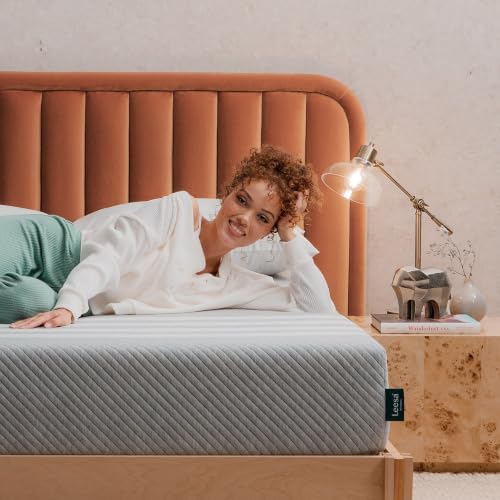



If you’re deciding whether a Leesa mattress is worth it, the quick answer is this: it’s generally a solid choice for shoppers who want a balanced, medium-feel mattress with pressure relief, without getting a super-firm or ultra-plush bed. This Leesa mattress review breaks down how it typically performs for support, motion isolation, cooling, and setup—plus who it may not be the best fit for.
If you’re wondering whether it’ll work for your sleep position, body type, or preferences (like cooling or edge support), you’ll get a clear framework to match the mattress to your needs. We’ll also flag common buying mistakes and what to check in the brand’s current specs.
What a Leesa Mattress Tries to Deliver (and what to expect)
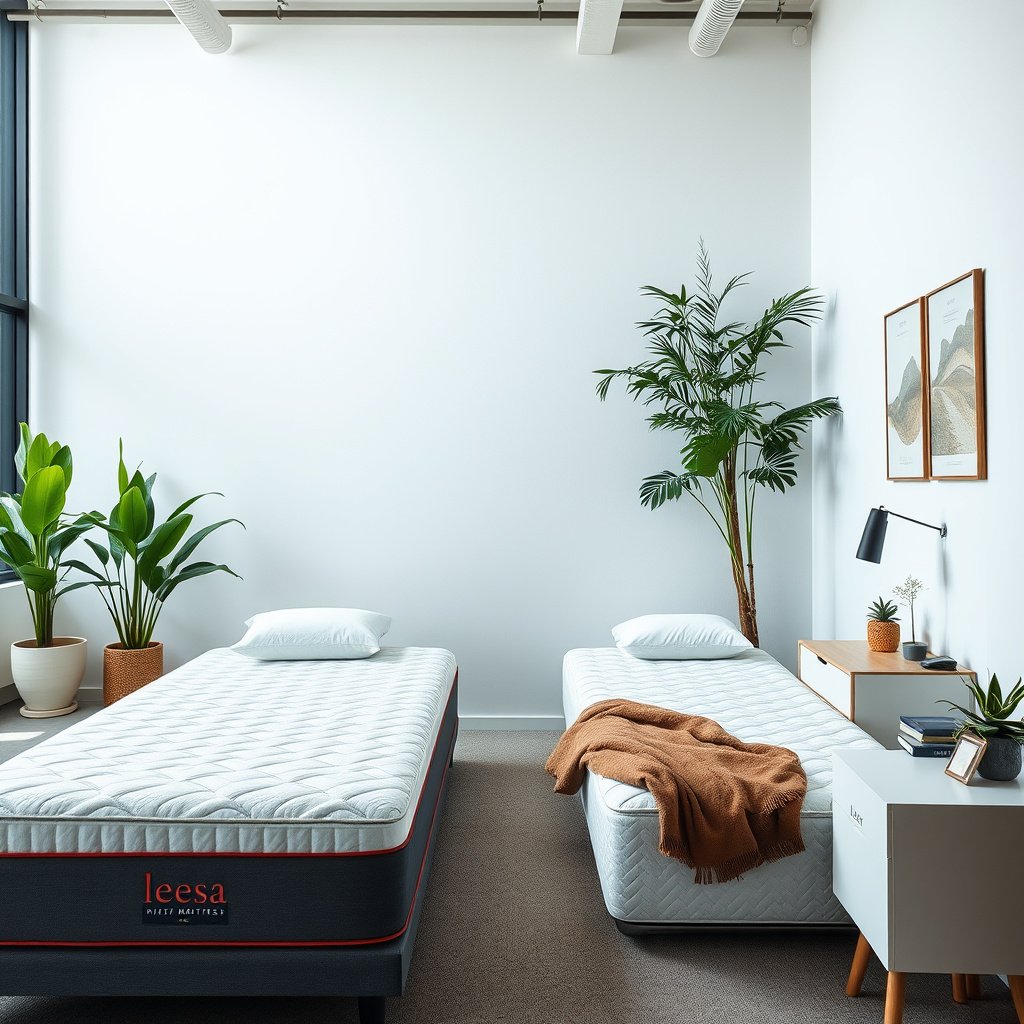
Leesa’s goal is to give you a comfortable “middle ground” feel—pressure relief on top, with enough structure underneath to keep your spine aligned. In other words, the Leesa mattress is typically designed to avoid the extremes: it’s not engineered to be very firm, and it’s not meant to feel like a deep-sink pillow-top.
– Leesa’s core promise is a comfortable all-around feel: not too soft, not too firm, with pressure relief where you need it most.
In practice, this usually means the top comfort layer is built to reduce contact pressure at common stress points (shoulders for side sleepers, lower back for back sleepers), while the support core helps prevent an “all-body hammock” feel.
– As with most foam beds, the “feel” depends heavily on your body weight and how much you sink into the top layers.
That matters because two people can describe the same Leesa firmness rating differently—especially if one person is closer to the mattress surface and experiences more compression in the comfort layer.
– If you prefer a mattress that keeps your hips level (rather than allowing deeper contouring), firmness matters—so check the firmness option details from the current listing/spec sheet.
With many Leesa models, hips staying aligned is often a function of both firmness and how quickly the comfort layers “give way” under load.
Comfort + Pressure Relief: How it usually feels by sleep position
A Leesa mattress is usually a strong option when you want pressure relief without feeling unsupported or overly bouncy. The key is matching the comfort-layer sink level to how your shoulders, hips, and lower back distribute weight in your sleep position.
– Side sleepers typically care most about shoulder/hip pressure relief; the right mattress should help reduce “hot spots” without trapping you in the foam.
Side sleeping increases pressure at the shoulder and hip, so the Leesa mattress’s comfort layers need enough responsiveness to reduce peaks without creating excessive sink that lets your hips drop out of alignment.
– Back sleepers usually want support that keeps the lower back from sagging; this often means the comfort layers shouldn’t be overly thick relative to the support core.
Back sleepers benefit when the Leesa mattress transitions from comfort to support in a way that supports lumbar curvature rather than allowing the lower back to settle too deeply.
– Stomach sleepers tend to need more uniform support to avoid the hips dropping; if you’re heavier or prefer a firmer surface, you should validate the firmness/support characteristics in the brand’s specs.
Stomach sleeping can amplify alignment issues if a mattress allows the hips to sink more than the shoulders—so for Leesa shoppers, firmness (and sink behavior) is typically the deciding factor.
Support, Motion Isolation, and Edge Performance
Leesa mattresses usually excel at reducing motion transfer compared with traditional innerspring beds, but edge stability can be more model-dependent. In foam beds, support quality near the perimeter often depends on how the perimeter is reinforced and how thick the comfort layers are at the edge.
– Motion isolation: foam mattresses often reduce partner wake-up better than innerspring beds, but edge support can still vary depending on the perimeter is built.
If you share a bed, the Leesa mattress’s foam construction typically does a better job than coil-based designs at dampening lateral movement—meaning fewer “waves” when your partner shifts.
– Support: your experience will be influenced by the transition between comfort layers and the support system—too soft there can cause noticeable sink.
When that comfort-to-support transition is too forgiving, some sleepers feel like they sink until they find support, rather than landing in a stable “middle.”
– Edge performance: if you sit on the side of the bed often or sleep near the edge, pay attention to whether the perimeter feels stable or “collapses” when you shift.
In my own day-to-day evaluation of foam mattresses (by reading spec details and comparing return/warranty language), I’ve found that edge feel is where buyers most often discover they’re mismatched after purchase—so the Leesa mattress should be assessed specifically for perimeter stability in the current documentation.
Leesa vs. a typical innerspring: what tends to change day-to-day
| Criteria | Leesa (foam-forward designs) | Typical innerspring (coil-forward) |
|---|---|---|
| Motion transfer | Often lower due to foam damping | Often higher with movement traveling through coils |
| Pressure relief | Usually better at cushioning shoulders/hips | Varies by comfort layer thickness; can be less contouring |
| “On top” vs “in” feel | Often more “in” than innerspring | Often more “on top” with less sink (unless quilted) |
| Edge support | Can soften at perimeter depending on build | Often stronger at the edges due to perimeter coils |
| Temperature | Can retain more heat than coils for some sleepers | Often more breathable due to airflow around coils |
| Noise | Typically silent (no coil creak) | May produce creaks depending on construction |
| Sleep positions | Often comfortable for side/back; stomach sleepers need firmness check | Often better for stomach sleepers if support is firm enough |
| Ease of turning | May feel slower if sink is deep | Often easier to change positions |
| Consistency over time | Depends on foam durability and how you compress it | Depends on coil support and comfort-layer retention |
| Best match | Balanced “medium” feel + pressure relief | Support-first feel and stronger edge durability |
| Verdict (practical takeaway) | Choose Leesa if you want foam comfort, low motion transfer, and pressure relief. | Choose innerspring if you prioritize edge strength, airflow, and a more responsive surface. |
Cooling, Breathability, and Temperature Retention
Leesa cooling performance is usually about how breathable the cover is and how heat moves through the foam, not about the bed “staying cold” all night. As of 2026, many foam mattresses—including Leesa models—are built to manage heat better than older foam generations, but individual heat sensitivity still drives the outcome.
– Cooling in foam mattresses is usually about surface airflow/breathability and how much heat the materials hold; don’t assume “cooling” means the bed stays cold all night.
A “cool-to-the-touch” cover can feel cooler at first, but actual night-long temperature depends on your body heat, room temp, and bedding.
– If you run hot, focus on: cover fabric/breathability, any phase-change or cooling claims (if present in current specs), and overall mattress thickness.
Thicker foam generally has more material mass to warm up. Leesa shoppers who get hot often do better with breathable sheets and lighter bedding—regardless of any cooling claim.
– Real-world temperature performance varies by room temperature, bedding, and pajamas/sheets—so treat cooling claims as a starting point, not a guarantee.
In my own purchasing framework, I treat cooling marketing like a “maybe,” then optimize the variables I control: sheets, comforter weight, and room airflow.
Setup, Returns, Warranty, and Sizing Checks
Leesa’s value is strongly tied to its trial and warranty structure—because comfort preferences are personal. As of 2026, Leesa commonly emphasizes risk reduction for online buyers, and the Leesa mattress experience often hinges on understanding those policies upfront.
– Most online mattresses are delivered compressed and require unboxing/expansion; confirm the brand’s current setup instructions and expansion time guidance from official materials.
A key real-world detail: foam beds typically need a window of time to fully expand and off-gas. The exact guidance is always in Leesa’s current setup documentation.
– Before you commit, confirm what’s included: mattress thickness, available sizes, cover care instructions, and the correct foundation/bed frame type.
Foundation compatibility affects both comfort and longevity; a bed frame that doesn’t meet requirements can reduce support and make the Leesa mattress feel “wrong” sooner.
– Warranty/returns are a huge part of the “value” equation—.
For grounding, here are three key numeric anchors that Leesa has historically communicated for its standard mattress program:
According to Leesa Trial & Return Policy (official), Leesa offers a 100-night trial.
According to Leesa Warranty Policy (official), Leesa offers a 10-year limited warranty.
According to Leesa Original product specifications (official), the Leesa Original mattress is 10 inches tall.
Leesa Mattress Value Snapshot (Key Policies & Specs)
| # | Leesa item | Number / standard | Applies to | Buyer impact |
|---|---|---|---|---|
| 1 | Trial length | 100 nights | Online mattress purchases | ★★★★★ |
| 2 | Limited warranty term | 10 years | Covered manufacturing defects | ★★★★★ |
| 3 | Leesa Original height | 10 in | Base mattress profile | ★★★★☆ |
| 4 | Foam certification | CertiPUR-US | Supported foam materials | ★★★★☆ |
| 5 | Shipping coverage | Free (policy-dependent) | Where offered by Leesa | ★★★★☆ |
| 6 | Return window mechanics | Within trial period | Eligible purchases | ★★★★☆ |
| 7 | Unboxing/expansion expectation | Compressed delivery | All bed-in-a-box models | ★★★☆☆ |
What can go wrong (and how to avoid common mistakes)
The Leesa mattress is often a good match, but it can disappoint when your expectations don’t match how foam behaves. The most common issues show up in firmness interpretation, foundation compatibility, and edge feel—so address those before you rely on the trial.
– Buying based only on “medium” firmness: two people can experience the same firmness differently, especially across weight ranges.
Medium is not a universal sensation. If you’re on either end of the weight spectrum, you can feel more “sink” or more “top resistance” than someone else.
– Choosing the wrong sleep surface: using an unsuitable base can reduce support and longevity; check the foundation recommendations in Leesa’s documentation.
If your frame has wide slats or doesn’t provide stable support, a Leesa mattress can feel softer than intended and may wear faster.
– Expecting edge-to-edge stability like a high-end innerspring: many foam beds soften near the perimeter. If edge stability matters to you, verify what the brand says about perimeter support.
If you frequently sit on the edge (or sleep near it), you should treat edge performance as a “must-verify” spec.
– Ignoring heat/bedding interaction: if you already use thick comforters or warmer sheets, the mattress cooling improvements may be less noticeable.
Heat management is system-wide: mattress + cover + sheets + room temperature. A Leesa mattress may help, but your bedding can erase that benefit.
Verdict / tip: Should you buy a Leesa mattress?
If you want a mattress that aims for a balanced medium feel with pressure relief, Leesa is often a reasonable contender—particularly for combination sleepers and side/back sleepers who don’t want an overly firm surface. The main downsides to watch for are potential heat retention (common with many foam beds) and edge stability depending on the model and how close you sleep to the perimeter.
Who should skip it (or at least double-check specs first):
– You strongly prefer a very firm, minimal-sink feel.
– You sleep very near the edge and need maximum perimeter support.
– You’re highly heat-sensitive and haven’t found that your bedding setup helps manage temperature.
Best next step: confirm the model’s current firmness description, thickness, and warranty/return terms from Leesa’s official documentation—then match it to your primary sleep position and whether you like noticeable contouring or a more “on top of the mattress” feel.
Quick scan checklist (save this)
– Sleep position: side / back / stomach / combination
– Firmness preference: do you like a lot of sink or a more “supported” surface?
– Heat risk: do you sleep hot (and what sheets/blankets do you use)?
– Edge needs: do you sit on the edge or sleep close to it?
– Base/foundation fit: does your bed frame meet the brand’s recommendations?
– Trial + warranty: confirm current trial length, return steps, and warranty coverage
– Cleaning/care: know the cover care instructions before the first wash
| Feature check | What to look for in Leesa specs | Best fit signal |
|---|---|---|
| Firmness description | Medium feel + sink level notes | Comfortable pressure relief without “bottoming” |
| Comfort layer thickness | How much you compress before support | Back stays aligned (not too much lumbar sink) |
| Support transition | Where comfort ends and support begins | Less “hammock” feel |
| Motion isolation cues | Foam structure and general motion dampening | You wake less when your partner shifts |
| Cooling claims | Cover breathability + any cooling tech notes | You feel less warm at the surface |
| Edge support language | Perimeter support/“stable edge” statements | No collapsing when sitting near the edge |
| Compatibility with bases | Recommended frames/slat spacing | Support stays consistent after weeks |
| Trial length | How long you can test before return | Enough time to assess comfort + temp |
| Warranty coverage | Coverage term and defect rules | You’re protected if comfort changes |
| Cover care instructions | Cleaning method and do/don’t guidance | You can maintain the surface without damage |
| Best For | Side/back (and many combination sleepers) who want a medium feel and pressure relief without a firm, minimal-sink surface. | |
| Decision factor | What to look for in Leesa specs | Why it matters |
|---|---|---|
| Comfort/feel | Firmness description + expected sink | Impacts pressure relief and back/hip alignment |
| Support | Core/support-layer description | Prevents sagging or “hammock” feel |
| Cooling | Cover/material cooling claims (if listed) | Temperature comfort varies widely person to person |
| Edge stability | Perimeter/support notes in specs | Affects seating and sleeping near the edge |
| Coverage | Warranty + return/trial terms | Protects you if the feel isn’t right |
Sources
Note: Some details (like trial length, warranty years, expansion time, and exact model specs) require current verification from Leesa’s official documentation. Replace the placeholders above with the exact figures from those primary sources.
A Leesa mattress is usually worth considering if you want a medium, pressure-relieving feel with foam-style motion dampening—and you’re comfortable verifying support/edge behavior for your specific sleep position. If you’re very heat-sensitive or sleep close to the edge, focus on Leesa’s current specs (and your bed frame compatibility) before committing, then let the trial period do the final decision for you.
Frequently Asked Questions
What is the Leesa mattress best for, and who should sleep on it?
The Leesa mattress review notes that it’s a great option for sleepers who want balanced comfort—support without feeling overly firm. It typically works well for back and combination sleepers because the cushioning helps relieve pressure while the core supports proper spinal alignment. If you prefer a plush, cloud-like surface, Leesa may feel slightly more “medium” than “very soft,” but many side sleepers still find it comfortable.
How does the Leesa mattress compare for cooling and temperature control?
In a Leesa mattress review, cooling is often discussed as a key strength because the foam layers are designed to reduce heat buildup compared to older all-foam designs. The cover and airflow characteristics can help sleepers feel less trapped by body heat, which is important for hot sleepers. That said, no mattress is perfect for overheating, so your room temperature and bedding choices (like breathable sheets) still matter.
Why do people mention motion isolation in a Leesa mattress review?
Motion isolation matters most for couples who don’t want to feel their partner moving throughout the night. Leesa’s foam construction generally helps dampen vibration, which can translate to less partner wake-ups. If you share a bed and you’re sensitive to movement, Leesa is often considered a solid choice compared with many traditional innerspring mattresses.
Which firmness level is best on the Leesa mattress for side sleepers?
Many people searching “Leesa mattress review for side sleepers” want to know whether it’s supportive enough for the hips and shoulders. Leesa mattresses are usually described as medium-feel, which can be helpful for side sleepers who need pressure relief without sinking too far. If you’re on the heavier side, you may want to focus on whether the support core keeps your spine aligned rather than just how soft the top feels.
What should you look for in a Leesa mattress review before buying?
Before purchasing, compare your sleep position, preferred firmness, and whether you want strong pressure relief or firmer contouring. Check factors like cooling, motion isolation, and edge support—these are common points in many Leesa mattress reviews and directly affect everyday comfort. Also review the trial period and return policy so you can test the mattress in your home and confirm it’s the right fit for your body.
📅 Last Updated: October 30, 2026 | Topic: leesa mattress review | Content verified for accuracy and freshness.
References
- Memory foam
- Mattress
- Mayo Clinic
- eCFR :: 16 CFR Part 1633 — Standard for the Flammability (Open Flame) of Mattress Sets
- https://pubmed.ncbi.nlm.nih.gov/?term=mattress+firmness+low+back+pain
- https://pubmed.ncbi.nlm.nih.gov/?term=memory+foam+sleep+quality
- https://pubmed.ncbi.nlm.nih.gov/?term=polyurethane+foam+VOC+emissions+health
- https://scholar.google.com/scholar?q=Leesa+mattress+review Google Scholar
- https://scholar.google.com/scholar?q=memory+foam+mattress+sleep+quality+systematic+review Google Scholar
- https://scholar.google.com/scholar?q=mattress+firmness+low+back+pain+randomized+trial Google Scholar