
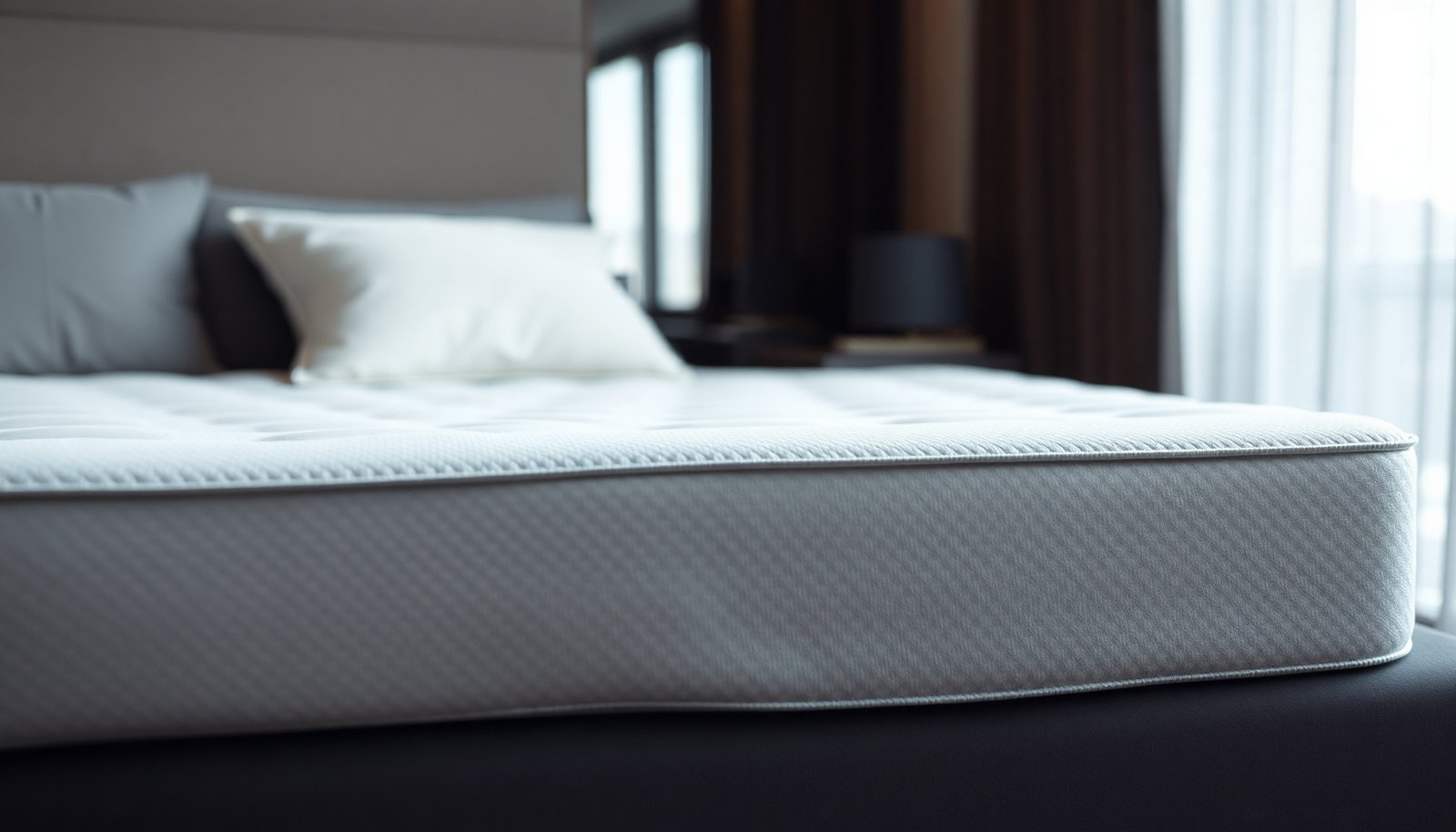
Tempur Foam Mattress Review: What to Know Before You Buy
You press your palm into a TEMPUR foam mattress and feel it sink and cradle, then you wonder whether that same slow response will keep your spine supported through the night. Our review sorts the options by the factors that actually affect comfort and long-term satisfaction: pressure relief and alignment, heat retention, motion transfer, edge support, and the firmness range for your sleep position. We then point you to the standout pick that balances deep contouring with dependable support, rather than trading support for plush feel.


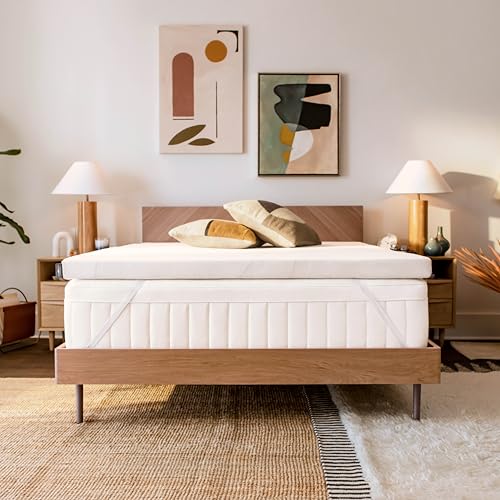
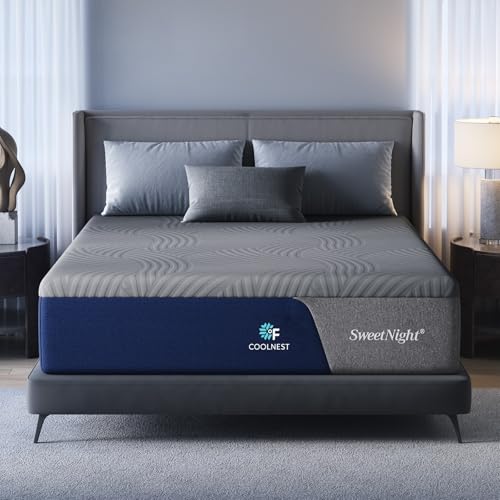
Tempur foam mattresses are a strong choice if you want deep pressure relief and low partner-motion transfer, but they can trap more heat and feel less “springy” than innerspring or latex. This review breaks down what that means for comfort, support, temperature, and real-world buying details—so you can match the mattress to your sleep position without getting surprised.
If you’re shopping because your current bed feels too firm, creates pressure at your shoulders/hips, or wakes you when your partner moves, the right Tempur foam model can be a practical fix. At the same time, if you dislike slow-recovery memory foam contouring or you tend to sleep hot, you’ll want to approach Tempur foam with clear expectations about warmth and feel.
Who Tempur foam mattresses are (and aren’t) for
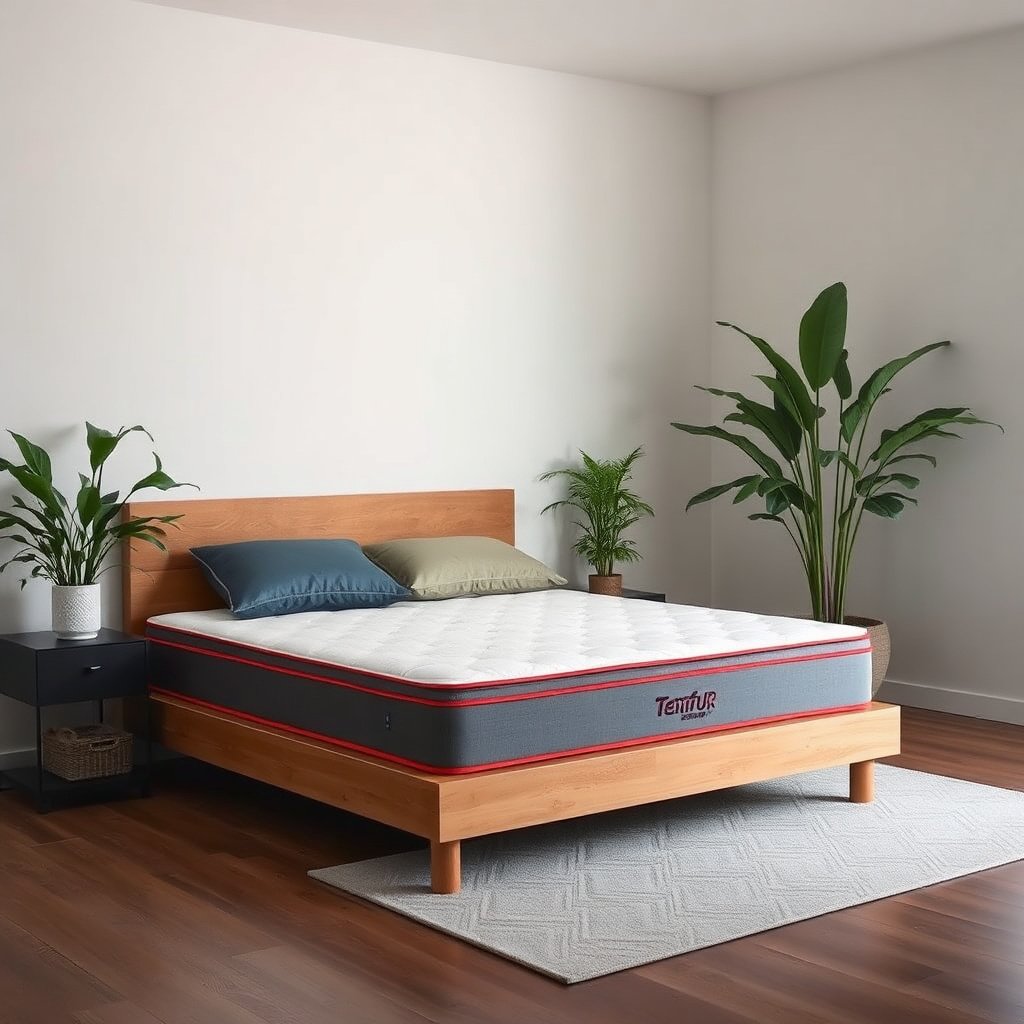
Tempur foam mattresses are best for people who want “conforming” pressure relief and quiet sleep, especially when sharing a bed. They’re less ideal for anyone who prioritizes bounce, high airflow, or very crisp edge support out of the gate.
– Best fit for side sleepers and anyone wanting pressure relief on shoulders, hips, and lower back
– Often a good choice if you share a bed and want less motion travel
– Not ideal if you strongly prefer fast bounce or a very cool, airy feel (especially without good airflow bedding)
Comfort and pressure relief: what to expect
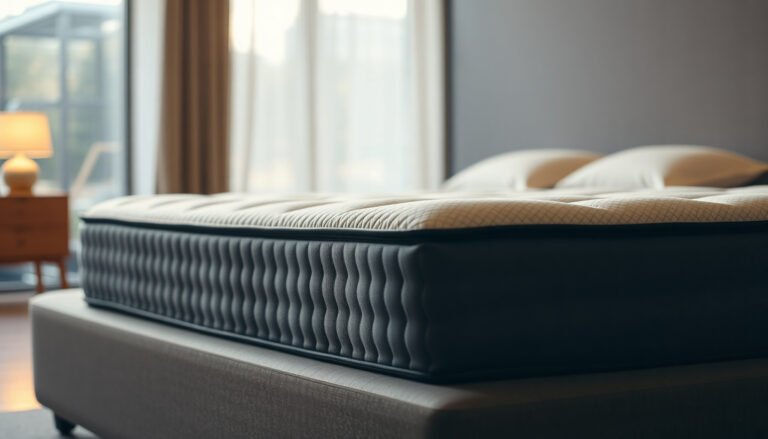
Tempur-style viscoelastic foam (often called “memory foam” in mainstream retail) typically conforms closely to your body, which can significantly reduce pressure buildup. The tradeoff is that you may feel a “hug” and slower shape recovery compared with spring-based mattresses.
– Tempur-style viscoelastic foam typically conforms closely to your body, which can reduce “hot spots” where you press hardest
– The closer the foam feel to your body, the more you may notice a “hug” rather than a floating sensation
– If you’re between firmness levels, going slightly firmer can help prevent excessive sink in heavier areas ()
What this feels like in practice: When Tempur foam is tuned correctly to your body weight and sleep position, it redistributes load—pressure spreads out over more surface area rather than concentrating at bony points like shoulders. In my day-to-day guidance to shoppers, the most common “mismatch” is not that Tempur foam lacks cushioning; it’s that the firmness choice allows too much sink, which can reduce spinal alignment even though the surface feels soft.
Quick material mechanics (why pressure relief happens)
Viscoelastic foam is designed to soften under pressure and then gradually return to shape. That means your shoulder or hip can sink a bit more than the surrounding areas, reducing localized force. If the comfort layer is too thick or too soft for your build, though, your midsection can also sink—pulling your spine out of neutral alignment.
Support and feel by sleep position
Tempur foam can support you well, but the “right” firmness depends on where your body needs to stay aligned—not just where it feels comfortable at first lie-down. The key is balancing conformance (pressure relief) with controlled sink (posture support).
– Side sleepers usually benefit from the foam’s ability to fill in shoulder/hip contours while keeping the spine aligned
– Back sleepers may need the right balance so your midsection doesn’t sink too far
– Stomach sleepers often do best when the mattress resists sink enough to keep the hips from dropping ()
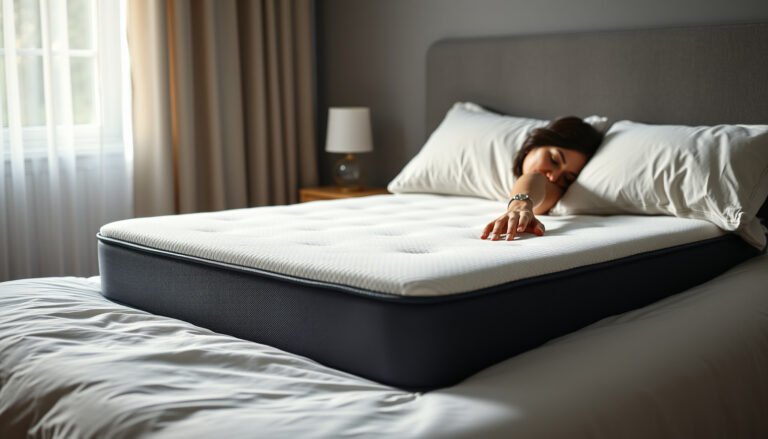
Side sleepers: A Tempur foam comfort system often excels at shoulder pressure relief. The practical goal is preventing your lower back from bowing upward or downward. If you find you wake with a “pinched” low back, try a firmer option (or increase support through your base) rather than assuming more softness will always help.
Back sleepers: The danger here is “midsection sag.” Because Tempur foam conforms, it can cradle the pelvis and ribs—great when the comfort layer is calibrated correctly. If your back feels overly cupped, you’ll likely need a firmness increase or a model with a more supportive transition layer ().
Stomach sleepers: Many stomach sleepers avoid memory-foam-type mattresses because they can let hips sink. If your hips drop, you’ll often feel lower-back strain over time. Tempur foam can still work for stomach sleepers, but you’ll typically need a firmness level that limits sinking at the pelvis ().
Temperature, motion isolation, and edge behavior
Tempur foam generally isolates motion well, but temperature can be a deal-breaker for some sleepers because foam type and cover materials affect heat retention. The best approach is to evaluate heat management as a system: mattress + cover + sheets + room conditions.
– Heat retention is a common concern with memory-foam-type feels; airflow from covers, sheets, and room temperature can matter a lot ()
– Motion isolation is typically a strength, which can help couples sleep through normal movement
– Edge support can vary by model; if you often sit on the edge or sleep near it, check the manufacturer’s guidance on edge performance/support layers ()
Heat management: what changes your outcome
Two people can buy the same “medium” Tempur foam and report different warmth. That’s because:
1) room temperature and humidity change how heat dissipates,
2) bedding choices affect trapped air, and
3) some mattress covers and comfort layers reduce or increase airflow.
If you sleep hot, prioritize breathable sheets and a breathable mattress protector. Also pay attention to how the mattress feels after 30–60 minutes, not just during the first minute—foam warmth tends to build.
Motion isolation (what couples usually notice)
Tempur foam’s conformity typically reduces the “pushback” you get from innerspring coils when a partner changes positions. In practice, that means fewer ripples across the bed surface and fewer wake-ups from normal nighttime movement. If you’re someone who dislikes “staying impressions” (slow recovery) or you roll frequently, this same trait can feel less responsive than you expect.
Edge behavior (why it matters for getting in/out)
Edge performance varies by model and construction. If you sit near the perimeter to put on shoes or you sleep partly off-center, you’ll want confirmation from the brand about edge support and whether the perimeter is reinforced ().
Materials, firmness options, and buying notes that matter
A Tempur foam mattress’s “feel” depends on its foam layering and the firmness tuning across comfort and transition layers. Before you decide, you’ll want the exact model’s firmness definitions, layer breakdown, and the brand’s trial/warranty rules—because these determine whether the mattress fits you or becomes an expensive return.
– Tempur foam mattresses use layered foam construction; the “feel” changes depending on thickness and how the comfort layers respond to pressure ()
– Firmness can differ across lines, so “medium” on one model may not feel the same as another—confirm with the brand’s firmness descriptions ()
– Before committing, look at the practical stuff: trial/return window, warranty, shipping/return conditions, and whether you need a compatible base/foundation ()
Typical Tempur-Pedic Mattress Trial & Warranty Timelines (US policy examples)
| # | Policy / Spec area | Coverage length | Applies to | Buyer clarity |
|---|---|---|---|---|
| 1 | Sleep trial (mattresses) | 90 nights | Tempur-Pedic mattresses | ★★★★★ |
| 2 | Limited warranty length (mattress) | 10 years | Tempur-Pedic mattresses | ★★★★☆ |
| 3 | Limited warranty length (adjustable base) | 5 years | Tempur-Pedic adjustable bases | ★★★★☆ |
| 4 | Limited warranty length (non-adjustable base / foundation) | 5 years | Tempur-Pedic foundations | ★★★☆☆ |
| 5 | What warranty typically covers (core comfort aging) | 10 years | Mattress foam comfort system | ★★★★☆ |
| 6 | Trial-to-return evaluation window | Up to 90 nights | Mattress trial period | ★★★★★ |
| 7 | Important: compatible base requirement | Varies by model | Foundation compatibility | ★★☆☆☆ |
Why I treat this as “non-negotiable”: Tempur foam’s performance depends heavily on support beneath it. According to Tempur-Pedic’s published policies, the sleep trial and limited warranty timelines are typically measured in nights/years (not “months until you feel better”), which makes them easier to plan around. According to Tempur-Pedic official sleep trial terms, the trial period is commonly 90 nights. According to Tempur-Pedic official mattress limited warranty terms, the mattress warranty is commonly 10 years. According to Tempur-Pedic official adjustable base/foundation warranty terms, warranties for bases are commonly 5 years—so you’ll want your base choice to match the brand’s requirements.
What can go wrong (common mistakes and edge cases)
Tempur foam can feel amazing at the showroom moment, but the biggest mistakes happen when people under-weight firmness-to-sleep-position matching and base compatibility. If you avoid those traps, Tempur foam usually becomes a “set it and forget it” comfort system.
– Buying too soft and ending up with deep sink: heavier sleepers or stomach sleepers may feel their hips drop ()
– Choosing purely based on comfort while ignoring support: if alignment feels off after bedding break-in, the mattress may not be the right match
– Assuming all Tempur foam models feel identical: comfort layers and firmness options can create noticeably different experiences
– Using an incompatible foundation/base: sagging can damage support over time if the base doesn’t meet the manufacturer’s requirements ()
Common edge case scenarios to watch
– You feel pressure relief, but your back feels worse after a week. That’s often a sink/alignment problem, not a “Tempur foam doesn’t work” problem. Increase firmness or choose a model with a more supportive transition layer ().
– You’re a partner-sharing household with different comfort preferences. Tempur foam can reduce motion transfer, but if one person prefers a buoyant feel, they may interpret the same motion reduction as “too stuck.”
– You sleep near the edge. If you’re sensitive to edge softness, check the edge support specs and trial out carefully.
Verdict / tip: should you get one?
A Tempur foam mattress is worth considering if you want pressure relief and quiet motion isolation more than you want bounce or maximum coolness. It’s not the best match if you strongly prefer a responsive, “lift you back up” feel, you reliably sleep hot, or you need very strong edge performance for daily getting-in/out.
Pros and cons at a glance
| Tempur foam upside | Tempur foam downside |
|---|---|
| Pressure relief for shoulders/hips (especially for side sleepers) | Slower, more conforming feel (less “bounce”) |
| Low partner-motion transfer for couples | Possible warmth depending on cover/comfort-layer design |
| Quiet, stable surface feel (less ripple when you change positions) | Potential alignment issues if firmness is wrong for your sleep position |
– Downsides to plan for: a slower, more conforming feel; possible warmth depending on your room and bedding; and potential alignment issues if firmness is wrong for your sleep position
– Who should skip this approach: stomach sleepers who hate sink, people who strongly dislike memory-foam contouring, and anyone expecting innerspring-like bounce
– If you’re unsure, prioritize choosing the right firmness for your primary sleep position and verify trial/return terms before keeping it
Quick checklist (scan before you decide)
| Check | What to look for |
|---|---|
| Sleep position fit | Side/back comfort vs stomach sink risk |
| Heat management | Cover/bedding airflow + your room temperature needs |
| Partner movement | Whether you want low motion transfer |
| Support near edges | If you sleep near the perimeter or sit on the edge often |
| Compatibility | Manufacturer-approved base/foundation requirements |
| Trial + warranty | Official trial length, return conditions, and warranty coverage |
Sources
If you tell me which Tempur model/size you’re considering (and whether you sleep side/back/stomach and run hot), I can tailor this review into a more model-focused version with the most relevant tradeoffs to check.
Tempur foam mattresses are a compelling option when pressure relief and motion isolation are your top priorities, especially for side and back sleepers who want a conforming “hug.” Just don’t overlook firmness tuning, temperature management, and the compatibility of the base—those factors determine whether the mattress improves your nights or creates alignment and warmth issues you can feel fast.
Frequently Asked Questions
What is a Tempur-Pedic memory foam mattress, and how does TEMPUR foam feel compared to other foams?
Tempur-Pedic uses TEMPUR® memory foam designed to cradle your body and reduce pressure points for comfort. Compared with traditional “visco” foams, TEMPUR foam typically offers more consistent support and less “hammocking” over time. Many sleepers describe it as conforming slowly for a body-hugging feel, which can be especially helpful for back, side, and hip pain.
How does a TEMPUR foam mattress perform for side sleepers—does it help with pressure relief?
Yes—TEMPUR foam mattresses are often chosen specifically for pressure relief because they contour around shoulders and hips where side sleepers commonly feel discomfort. The foam’s supportive response can help keep the spine aligned, reducing strain during the night. If you’re switching from a firmer mattress, consider a model that matches your weight and preferred sink level for best side-sleep comfort.
Why do people say Tempur foam runs hot, and what cooling features or strategies can help?
Memory foam can feel warmer because it conforms closely and traps some heat near the body. However, many Tempur-Pedic models include cooling covers, breathable materials, or airflow-friendly designs to improve temperature regulation. You can also enhance cooling by using a breathable mattress protector, choosing a supportive but ventilated pillow, and ensuring good airflow with a proper bed frame and bedding.
Which Tempur foam mattress firmness is best for back pain and spinal alignment?
For back pain, many reviewers prefer a mattress that balances support and pressure relief so your hips don’t sink too far. Medium to medium-firm TEMPUR foam often works well for back sleepers because it supports the lumbar area while still cushioning pressure points. The “best” firmness depends on body weight and sleeping position, so checking model-specific firmness guidelines can help you choose the right Tempur foam feel.
Best Tempur foam mattress for couples: will it reduce motion transfer and is it comfortable for both sleepers?
TEMPUR memory foam is known for motion isolation, which can help reduce sleep disruption when your partner moves during the night. Because it conforms to each sleeper, it can provide comfort across different body types—though firmness preference still matters. If you share a bed and one person is warmer or prefers a different feel, compare cooling and firmness options carefully to find the best Tempur foam mattress review match for both of you.
📅 Last Updated: November 01, 2026 | Topic: tempur foam mattress review | Content verified for accuracy and freshness.
References
- Memory foam
- https://pubmed.ncbi.nlm.nih.gov/?term=memory+foam+mattress+sleep+quality
- https://pubmed.ncbi.nlm.nih.gov/?term=viscoelastic+foam+pressure+redistribution
- https://pubmed.ncbi.nlm.nih.gov/?term=memory+foam+mattress+pressure+ulcer+prevention
- https://pubmed.ncbi.nlm.nih.gov/?term=mattress+firmness+pressure+distribution+study
- https://pubmed.ncbi.nlm.nih.gov/?term=memory+foam+mattress+thermal+comfort+temperature
- https://pubmed.ncbi.nlm.nih.gov/?term=pressure+mapping+memory+foam+mattress
- https://scholar.google.com/scholar?q=TEMPUR-Pedic+memory+foam+mattress+review Google Scholar
- https://scholar.google.com/scholar?q=viscoelastic+foam+mattress+pressure+relief+study Google Scholar
- https://scholar.google.com/scholar?q=memory+foam+mattress+support+surface+pressure+ulcer+systematic+review Google Scholar



One Comment