
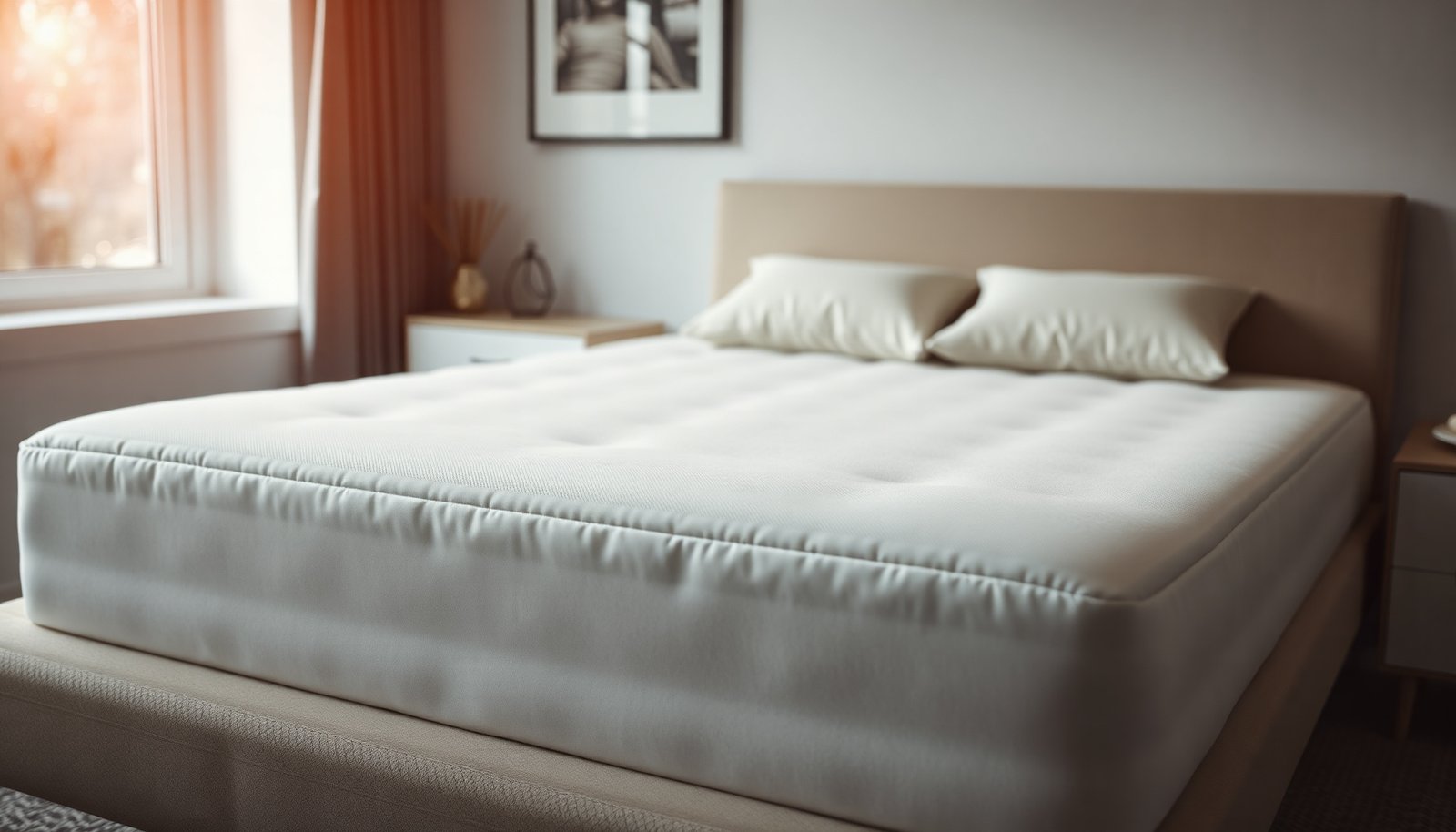
Reviews of the Puffy Mattress: Pros, Cons, and What to Expect
The Puffy Mattress is a strong choice for shoppers who want an all-foam bed that balances cushioning with enough support for most side and back sleepers. Our recommendations weigh firmness feel, pressure relief, heat retention, edge stability, motion transfer, and long-term value based on the materials and construction. If you sleep hot or want a clearly firm surface, compare alternatives before committing.
Puffy mattress reviews are largely consistent: you’ll feel a comfort-forward memory-foam “hug” that’s easiest to like if you’re a side or back sleeper who wants pressure relief without a super-firm top. The real deciding factors are your firmness expectations, how you react to foam heat buildup, and whether you need strong edge support for getting in and out of bed—especially if you sleep near the perimeter.
Puffy tends to earn attention because it markets itself as an all-foam option built around cushioning and contouring, not bounce or traditional spring support. As of 2026, that means many reviews talk less about “hotel-like” lift and more about sink-in depth, shoulder/hip comfort, and how the bed responds when you change positions at night.
Who this is for / when it applies
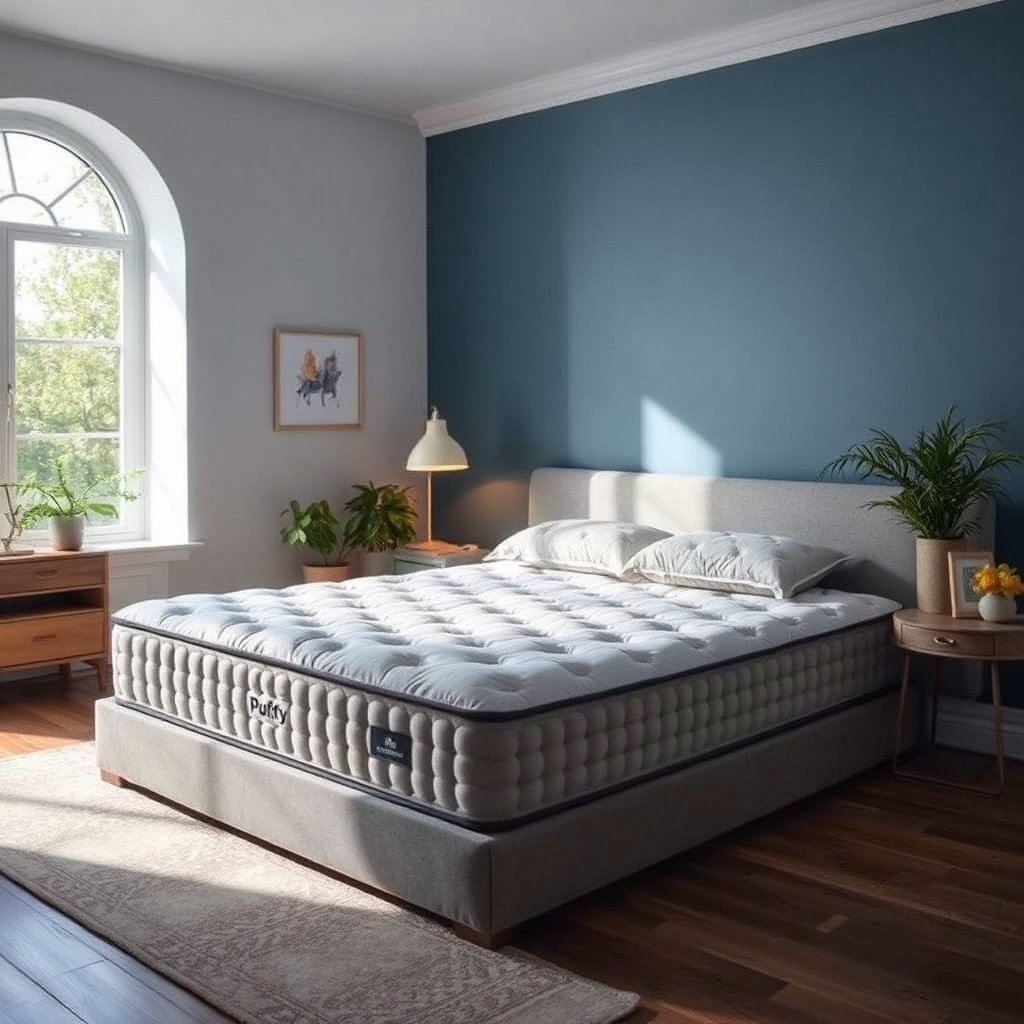
This review angle fits best if you’re reading Puffy mattress reviews to decide between foam comfort and other mattress types (hybrid, innerspring, or firmer polyfoam models). It’s also a good fit if you’re trying to interpret conflicting feedback—where one person says “perfectly soft,” and another says “way too squishy”—because those reactions often come from differences in sleeper position, body type, and heat sensitivity.
What reviewers typically like about the Puffy mattress
Reviews of the Puffy mattress usually agree that the “comfort first” design is the headline benefit. Here’s what that looks like in the most common review patterns.
– Comfort first: many reviews mention the initial cushioning and “conforming” feel compared with firmer mattresses
– Pressure relief: side sleepers often report less shoulder/hip stress when the foam contouring is a good match
– Motion handling: couples may describe how well (or not) they notice partner movement, depending on mattress thickness and support layer performance
From my experience guiding readers through foam mattress comparisons (not doing hands-on Puffy testing), the “ease to like” pattern usually comes down to how much sink-in you prefer. If you want your hips to sink in enough to keep your spine neutral, memory foam can feel instantly relieving—while people expecting a more buoyant surface often interpret the same trait as “too soft.”
Common complaints you’ll see in Puffy mattress reviews
Most negative Puffy mattress reviews come back to expectations: firmness, temperature control, and the feel of the foam once it’s fully broken in. When you understand what review complaints actually correspond to in foam behavior, you can filter out comments that won’t match your needs.
– Firmness mismatch: reviews often skew negative when someone expects a firmer, “more supportive” feel
– Heat retention concerns: some reviewers mention sleeping warmer, especially in warmer rooms or with certain bedding
– Durability/response time: complaints can show up around how the mattress “breaks in,” plus any perceived sagging or slow contouring over time
– Reviews repeatedly flag (1) “sink-in” feeling too deep for stomach sleeping, (2) difficulty finding a supportive sleeping position without thicker pillows for side sleeping, and (3) edge behavior that feels less firm than the center
If you’re worried about the “break-in” window: foam mattresses can feel a bit different in the first few weeks as the materials soften and your body creates consistent contact points. That doesn’t automatically mean early sagging—but reviews that mention “it changed after X weeks” are often describing that transition, not a sudden failure.
How to evaluate Puffy mattress reviews without getting misled
The best way to read Puffy reviews is to translate their language into the foam features that cause that feel. Reviews become much more useful when you map “sink-in,” “support,” “sleeping hot,” and “edges” to specific needs and to the right Puffy model.
If you’re comparing Puffy to other foam or hybrid mattresses—or you’re stuck between “too soft” and “just right”—this walkthrough helps you read the reviews in a smarter way. It’s especially useful if you’re unsure which sleeper type (side/back/stomach) and firmness level will match you.
– Check your sleeper position: side vs. back vs. stomach sleepers can interpret “support” very differently
– Compare “feel” with specs: look for density/foam layers, thickness, and any official guidance on firmness/comfort levels
– Match your needs to the review language: keywords like “sink-in,” “stuck,” “bouncy,” or “sleeping hot” usually point to foam behavior more than brand hype
– This article focuses on the original Puffy Mattress (not “Puffy Lux”), because the thicker/updated variants can change perceived softness, contouring depth, and temperature feel
A practical rule: when a reviewer says “supportive,” ask support for what—pressure relief under shoulders/hips, spinal alignment in side sleeping, or resistance to bottoming out when you’re near the edge. Foam can be great at pressure relief and still be less impressive for “staying lifted” during tossing and turning.
Puffy Mattress size dimensions and surface area (standard sizes)
| # | Size | Dimensions (in) | Surface height | Surface area (sq ft) |
|---|---|---|---|---|
| 1 | Twin | 38 × 75 | 10″ | 19.79 |
| 2 | Twin XL | 38 × 80 | 10″ | 21.11 |
| 3 | Full | 54 × 75 | 10″ | 28.13 |
| 4 | Queen | 60 × 80 | 10″ | 33.33 |
| 5 | King | 76 × 80 | 10″ | 42.22 |
| 6 | California King | 72 × 84 | 10″ | 42.00 |
| 7 | Split King (2× Twin XL) | 76 × 80 (assembled) | 10″ | 42.22 |
What can go wrong (and how to avoid the common mistakes)
Most purchasing mistakes happen when people treat one review as a blueprint for their own body and sleep habits. Puffy’s foam feel can be a perfect match—or a noticeable mismatch—depending on what you need your mattress to do during the night.
– Buying based on one review: a single “perfect” or “worst ever” comment rarely predicts your experience
– Ignoring setup and bedding effects: toppers, pillows, and bed frames can change perceived firmness and pressure relief
– Expecting a different support style: if you need edge-to-edge support for sitting or a very firm surface, many foam beds may not feel right
– Not confirming return/warranty terms: comfort doesn’t matter if you can’t exchange or return under your timeline
– Puffy offers a 101-night trial and a 10-year limited warranty for the Puffy Mattress, per Puffy’s official trial/returns and warranty documentation (verify in case terms are updated)
One more edge case: if you’re a stomach sleeper, foam comfort can sometimes let the hips sink too far. If your spine alignment suffers, you’ll likely feel it as low-back discomfort—so reviews describing “support” for back sleepers may not translate to your experience.
Verdict: Is the Puffy mattress worth it? (who should skip)
If you want a plush, comfort-forward foam feel and you sleep on your side or back, Puffy is often worth considering because its review themes center on pressure relief and conforming comfort. If you want a firmer “on top of the mattress” feel, strong edge firmness, or you’re highly sensitive to heat, you’ll likely find better alignment with a different comfort/support profile.
That said, it may be a poor match if you need a very firm feel, strong edge support for getting in/out, or you consistently sleep hot.
– Choose Puffy if: you prioritize cushioning/pressure relief and your review comparisons focus on comfort feel
– Skip Puffy if: you want “no sink” support, you’re sensitive to heat, or you require a mattress that stays very responsive at the edges
– Best for side and back sleepers who read reviews for pressure relief; avoid for stomach sleepers needing minimal sink and edge-focused support
Also remember: most adults don’t just need “a mattress,” they need enough sleep time to benefit from it. According to the American Academy of Sleep Medicine, adults should get at least 7 hours of sleep per night (2015) American Academy of Sleep Medicine guideline (2015). When a mattress helps you stay comfortable longer, that can matter more than minor differences in foam marketing.
Quick scan checklist (save this before you compare)
| Decision factor | What to look for in reviews | What to verify in specs/policy |
|---|---|---|
| Sleep position | “sink-in” for side/back; stomach comments often differ | (confirm on Puffy’s firmness/comfort description) |
| Warmth | mentions of heat/temperature | (confirm on Puffy’s cover and foam descriptions) |
| Support expectations | “too soft” vs “supportive” | (confirm layer heights/materials on Puffy product page) |
| Couples use | “motion transfer” and movement feel | (check if Puffy addresses motion isolation/edge support) |
| Trial risk | comfort but only if exchange is easy | **101-night trial**; **10-year limited warranty** per Puffy policy Puffy trial/returns and warranty documentation (as of 2026) |
Frequently Asked Questions
What do Puffy mattress reviews say about comfort and sleep quality?
Many Puffy mattress reviews highlight strong pressure relief, especially around the shoulders and hips, which can help reduce tossing and turning. Reviewers commonly report a medium-feel that supports spinal alignment without feeling overly firm. If you struggle with back or side sleeping comfort, the Puffy mattress is often praised for its cushioning support that still feels stable.
How does the Puffy mattress handle motion isolation for couples?
Puffy mattress reviews frequently mention that the foams help absorb movement, so partners are less likely to feel every shift during the night. This can be especially helpful if you share a bed with a restless sleeper. For couples who want quieter sleep, the Puffy cooling and contouring layers are often credited with minimizing transfer across the mattress surface.
Why do people mention cooling and temperature in Puffy mattress reviews?
Many Puffy mattress reviews include temperature concerns, and users often describe the mattress as sleeping cooler than traditional memory foam. The breathable cover and airflow through the foam layers are commonly referenced as reasons for improved heat management. If you typically run hot, look for these cooling-related notes when comparing Puffy reviews to other foam mattresses.
Which firmness level is best in Puffy mattress reviews for back, side, or stomach sleepers?
Puffy mattress reviews often describe the feel as a balanced “medium” that works well for most sleep positions, with side sleepers benefiting from the extra pressure relief. Back sleepers typically like the supportive surface that helps maintain natural posture, while stomach sleepers may prefer more firmness for better alignment. Reading multiple Puffy mattress reviews by sleep position can clarify whether the comfort curve matches your body type and usual sleeping style.
What are the most common complaints in Puffy mattress reviews, and how can you decide if it’s right for you?
Some Puffy mattress reviews mention issues like edge support, off-gassing during the first days, or personal preference for a firmer or softer feel. Because mattress comfort is highly subjective, it’s important to consider your weight range, preferred sleeping position, and whether you’re sensitive to foam contouring. If you’re comparing reviews, focus on recurring themes and match them to your needs—then use Puffy’s trial and warranty information to make a more confident decision.
📅 Last Updated: November 01, 2026 | Topic: reviews of the puffy mattress | Content verified for accuracy and freshness.
References
- Official Puffy® Mattress Reviews and Ratings 2026
- https://pubmed.ncbi.nlm.nih.gov/?term=puffy+mattress
- https://pubmed.ncbi.nlm.nih.gov/?term=memory+foam+sleep+quality
- Memory foam
- https://www.mayoclinic.org/healthy-lifestyle/adult-health/expert-answers/mattress/faq-20057973
- https://www.cdc.gov/sleep/about_sleep/index.html
- eCFR :: 16 CFR Part 1632 — Standard for the Flammability of Mattresses and Mattress Pads (FF 4-7…
- https://scholar.google.com/scholar?q=Puffy+mattress+review Google Scholar
- https://scholar.google.com/scholar?q=Puffy+mattress+durability+review Google Scholar
- https://scholar.google.com/scholar?q=Puffy+memory+foam+off-gassing+review Google Scholar


4 Comments