How to Choose a Mattress for a Boat: Practical Selection Tips
Selecting a mattress for a boat means finding a comfort-focused, moisture-tolerant option that fits your bunk space and can handle constant motion and airflow. By the time you finish, you’ll know what measurements to take, which materials and thicknesses work best, and how to keep the mattress secured and easy to clean in a damp environment. Start with the practical selection tips ahead to make the right choice with confidence.




A boat mattress is usually best when it’s the right fit for your bunk, uses materials that tolerate humidity, and provides stable support during motion without turning into a “mold risk.” Start by measuring your sleeping area and planning airflow, then choose a mattress material designed to dry quickly in damp, enclosed cabins.
If you’re buying for a sailboat, powerboat, or liveaboard space—especially where ventilation is limited—this guide walks through the key decisions that affect comfort and longevity.
Size and fit your mattress to the boat bunk
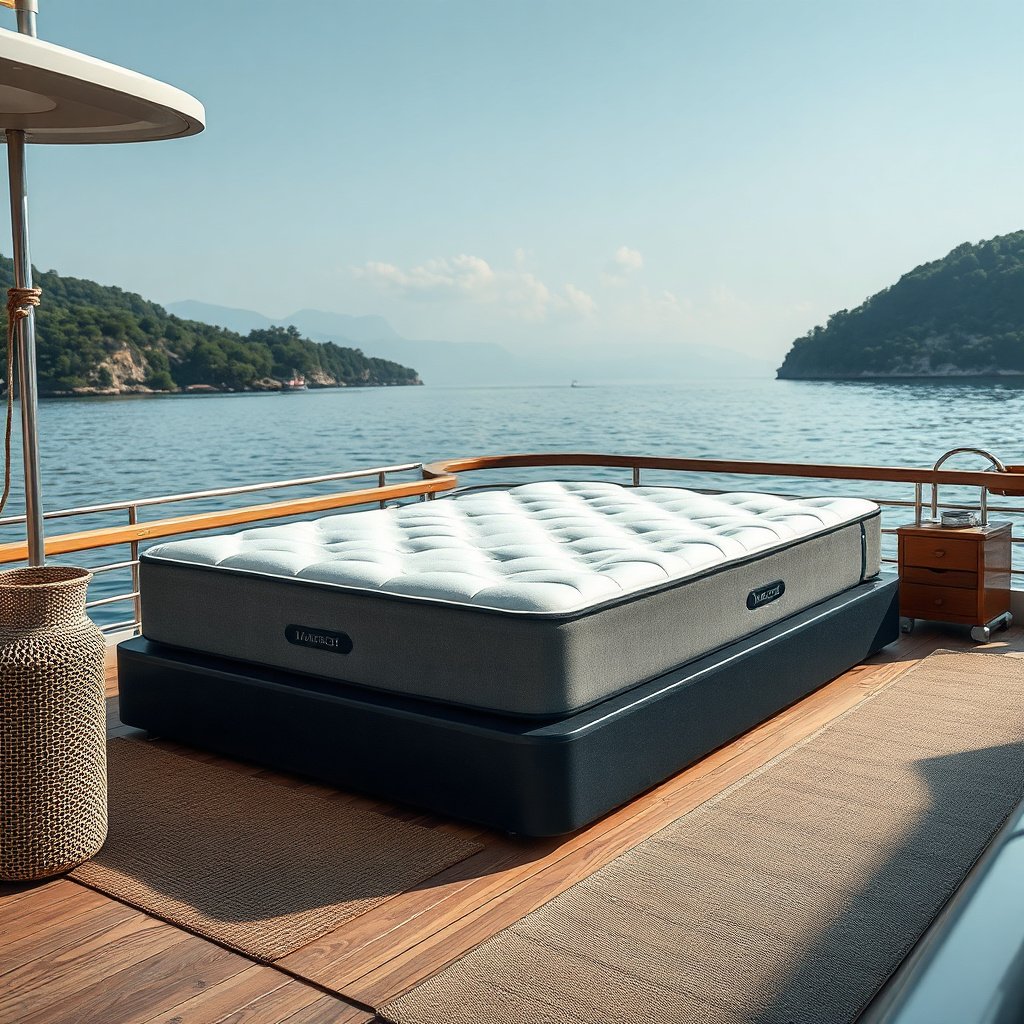
The right boat mattress starts with sizing that matches the berth exactly—especially height, corner shape, and how often you’ll remove it for drying. If you get fit wrong, the mattress can block access, trap moisture underneath, or feel unstable when the boat moves.
Measure for clearance and access (not just “bed size”)
A boat berth is rarely a perfect rectangle, and headroom is often tight. Measure the usable sleeping area (length and width) and note any curved corners, tapers, or angled bulkheads. Then confirm the mattress height clearance: when you’re lying down and when you’re accessing storage hatches, you still need space to sit up, open covers, and maintain practical reach. For many boats, a “slightly too tall” mattress is a bigger problem than “slightly too narrow” because it changes how you use the cabin.
From there, plan for real-world access: if your boat mattress has to come out for inspection, cleaning, or routine drying after rain, choose a design that’s easy to lift and reinstall. A one-piece, deep mattress may feel luxurious—but if it’s hard to remove, it becomes harder to keep dry.
Handle irregular bunks with purpose
If your bunk is irregular, forcing a slightly-too-large boat mattress can create three issues: (1) it won’t sit flat, (2) it restricts airflow, and (3) it can put stress on seams and covers. When the bunk isn’t standard, consider:
– Custom cuts (often easier with foam cores)
– Compressible designs or segmented pieces that are easier to remove
– “Made to fit” mattress solutions from marine-focused vendors
In enclosed cabins, even small changes in airflow can affect odor and mildew risk, so “fit” directly supports “moisture tolerance”—they’re linked in how a boat mattress performs over time.
Pick a marine-appropriate mattress type
The best boat mattress material is the one that can tolerate humidity while still drying effectively between uses. In practice, foam options and latex tend to handle damp environments more predictably than layers that trap moisture, but you must verify the manufacturer’s cleaning and drying guidance.
Compare mattress constructions with moisture drying in mind
Boat cabins create a constant challenge: warm air + limited ventilation + occasional splashes or condensation. A boat mattress that dries slowly can become an odor source even if it’s “water-resistant.” As of 2026, more manufacturers publish humidity- and cleaning-related care instructions, but you still need to verify what applies to your specific construction.
Here’s a practical comparison focused on moisture behavior and maintenance:
| Mattress type | What it usually feels like on a boat | Pros for boat use | Cons to watch |
|---|---|---|---|
| **Open-cell foam core** | Supportive and stable | Dries faster than many multi-layer builds; easier to clean spot-by-spot | Quality varies by density and cover system |
| **Memory/viscoelastic foam** | Contours strongly | Comfort for pressure relief | Often slower to dry due to viscosity and trapped moisture risk |
| **Latex (natural or synthetic)** | Springy with buoyant feel | Typically more responsive; can handle humidity better than many foams | Still needs proper drying and breathable covers |
| **Innerspring + quilted layers** | Bouncy and familiar | Great “on land” feel | Moisture can remain in cotton/quilt layers; risk of rust in metal components if exposed |
| **Hybrid (foam + coils)** | Balanced feel | Often stable support | Drying depends on how enclosed the foam layers are and cover design |
| **Natural fiber core (cotton/wool batting)** | Soft comfort (varies) | Breathable feel in some builds | Natural fibers can hold moisture longer if airflow is limited |
Use documentation, not marketing
If you’re choosing foam, latex, or hybrid, don’t assume “marine” is automatic. Confirm what the manufacturer says about:
– Approved cleaning methods (water-only vs. detergent vs. spot-clean agents)
– Drying rules (air-dry only, temperature limits, what not to do)
– Whether the mattress can be exposed to humidity without warranty concerns
In my own planning for damp-cabin problems, the recurring pattern is this: crews often know “foam dries faster,” but they skip the manufacturer’s exact drying instructions for covers and internal materials. The takeaway for a boat mattress is straightforward: follow the care spec to protect both comfort and longevity.
Foam vs innerspring: which boat mattress construction is easier to keep dry?
Foam-based boat mattresses generally win on drying practicality, while innerspring builds can feel excellent but may retain moisture in quilted layers. Here’s a structured side-by-side you can use when you’re narrowing down options.
Match comfort to your body and movement
The most comfortable boat mattress is the one that supports your sleep position while staying stable as the hull moves. Choose firmness for pressure relief, then stress-test the “feel” against how your boat rocks, rolls, or pitches.
Pick firmness for sleep position—then validate movement stability
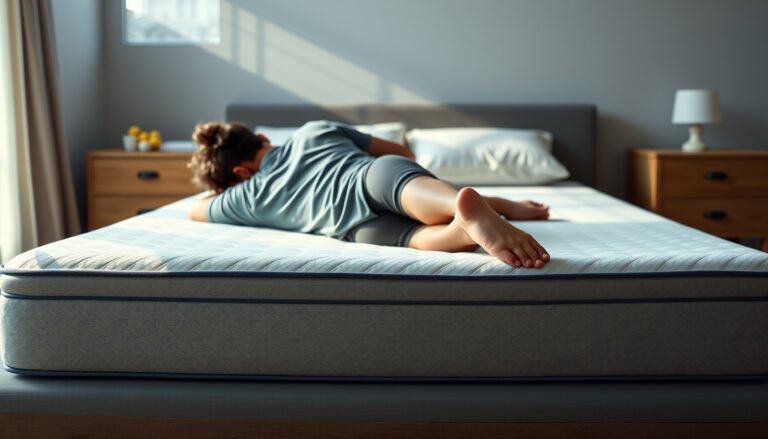
On land, you can get away with a mattress that’s only “mostly supportive.” At sea, micro-shifts matter: if your boat mattress feels too soft, you can slide or compress into pressure points during motion. As a rule of thumb, match firmness to your sleep style:
– Side sleepers usually need enough give to reduce shoulder/hip pressure but not so much that you sink and twist.
– Back sleepers need support that keeps the spine aligned when the cabin tilts.
– Stomach sleepers typically need firmness that prevents excessive sinking (which can stress the lower back).
Then validate stability. In my experience planning comfort for motion-heavy berths, the problems usually aren’t just “firm vs soft”—they’re also sliding and shifting when you change positions.
Control heat in enclosed cabins
A boat mattress is not only about firmness; it’s also about temperature. Small cabins heat up faster, and trapped warmth can make you feel less comfortable even if the mattress is supportive. Prioritize materials that don’t run hot in enclosed spaces, and keep an eye on the manufacturer’s guidance about temperature and airflow. As of 2026, more brands list temperature/comfort behavior or ventilation notes—but you still must ensure your ventilation plan is real, not theoretical.
Finally, if two people share the bunk, choose a boat mattress that doesn’t shift too easily. A highly soft top layer may feel plush, but stability matters as much as softness when you’re sharing limited space.
Control moisture and odors (covers, ventilation, and drying)
The best odor-control strategy for a boat mattress is to prevent dampness from lingering, not just to “cover it up.” Use breathable, removable covers and build a practical airflow routine so the mattress can dry between uses.
Use covers that don’t trap condensation
A removable, breathable cover helps you handle spills and laundering without degrading the core. Avoid relying on impermeable liners—water-resistant barriers can trap condensation against foam or fabric layers, turning a small wet event into a persistent odor problem.
For a boat mattress, treat the cover as part of the moisture system:
– Choose a cover you can remove and clean.
– Follow manufacturer washing and drying instructions exactly.
– Don’t keep the mattress bundled up while wet.
Build a ventilation and drying workflow
Odor often appears after the cabin cools and humid air condenses. A boat mattress may feel dry on the surface while moisture remains trapped inside layers. According to the U.S. EPA, maintaining indoor relative humidity in the 30%–60% range helps inhibit mold growth on building materials (EPA guidance, ) . Also, the CDC notes that mold can begin growing indoors within 24–48 hours after water exposure, depending on conditions (CDC facts page, ) .
Because you’re on water and conditions change quickly, drying needs to be repeatable:
– Identify airflow routes (open vents where possible, keep air moving under/around the berth).
– Use a fan to increase evaporation when the boat is docked or in storage.
– In consistently humid regions, consider dehumidification for the cabin environment (not just the mattress).
Clean spills fast—using only approved methods
Treat stains and spills quickly with cleaning methods the manufacturer supports. Unknown cleaners can damage foam chemistry, distort covers, or void warranty support. If you’re unsure, spot-test the cleaning method on a hidden area first and follow the boat mattress care sheet.
Below is a practical material-to-drying reality snapshot you can use while comparing options.
Boat Mattress Material Suitability for Humid, Low-Ventilation Cabins (2026)
| # | Mattress material (common build) | Drying practicality* | Odor risk if not dried | Overall suitability |
|---|---|---|---|---|
| 1 | Open-cell polyurethane foam | High | Lower | ★★★★★ |
| 2 | Latex (natural or blended) | High | Moderate | ★★★★☆ |
| 3 | Hybrid (foam comfort layer + coils) | Medium-High | Moderate | ★★★★☆ |
| 4 | Air/inflatable core (with breathable cover) | Medium | Moderate | ★★★☆☆ |
| 5 | Innerspring with quilted cotton layers | Low-Medium | Higher | ★★☆☆☆ |
| 6 | Memory (viscoelastic) foam cores | Low | Higher | ★★☆☆☆ |
| 7 | Natural fiber batting (cotton/wool) in multi-layers | Low | Higher | ★☆☆☆☆ |
Drying practicality reflects how easily moisture generally can escape from the construction—always verify your exact mattress’s cover system and manufacturer drying instructions.
Weight, storage, and maintenance realities
The most practical boat mattress is the one you can actually manage when the cabin gets wet. Weight, storage access, and maintenance cadence determine whether you keep your mattress dry—or end up stuck with a humidity problem you can’t fix easily.
Heavy isn’t just inconvenient—it’s riskier
Boats punish heavy, bulky bedding because removal is effort. If your boat mattress is hard to lift, you’re less likely to dry it promptly after a rain event, a condensation cycle, or a small spill. Confirm:
– Mattress weight (and whether one person can remove it safely)
– Whether you can rotate or inspect underneath
– Whether the design allows airflow when it’s installed
Storage rules: never store a damp mattress
Never store a damp boat mattress in a closed compartment. Even if the surface feels “mostly dry,” moisture can stay inside. Use drying time and airflow before stowing, and—if your boat has a winterization routine—include the mattress as part of that process. When you’re choosing a mattress for a boat, this is one of the biggest “longevity levers” because moisture is cumulative.
Choose maintenance that fits your schedule
The best care plan is the one you’ll repeat. Check how often rotation/inspection is recommended by the manufacturer (some foam builds need less rotation; others benefit from periodic repositioning). For enclosed berths, inspection matters because you’ll often see early signs—musty odor, cover discoloration, or trapped condensation—before there’s visible damage.
What can go wrong when choosing a boat mattress
Boat mattress problems usually start with avoidable mistakes: incorrect sizing, “waterproof” misunderstandings, and skipping documented drying or cleaning steps. If you want your mattress to last, treat these as failure modes rather than rare edge cases.
– Buying the right size, wrong height: too-thick mattresses can block access, trap air underneath, or make the berth awkward to use—turning every drying session into a hassle.
– Assuming “waterproof” means “mold-proof”: water-resistant materials still need drying and airflow; without it, odor and mildew can develop.
– Skipping manufacturer guidance: without documented cleaning/drying steps, you risk degrading foam layers, damaging covers, or invalidating warranty support.
The “moisture loop” that ruins boat mattresses
A common pattern is a loop: limited airflow causes slow drying → slow drying leads to odor → odor triggers more cover-only cleaning → moisture remains trapped in layers. The result is a boat mattress that feels fine initially but loses comfort and hygienic quality over time. Repairing leaks and improving ventilation are still the primary fixes—your mattress can’t compensate for ongoing water intrusion.
Verdict: what to buy (and who should skip it)
A boat mattress is usually best when it’s sized correctly, has moisture-conscious materials, and supports your sleep position without becoming a humidity trap. Choose a mattress type that the manufacturer explicitly supports for cleaning, drying, and humidity exposure—and don’t rely on marketing alone.
Skip this advice / be extra cautious if you have severe dampness issues (persistent leaks, no ventilation access, or regular flooding). In those cases, address the moisture source first, then choose a mattress that matches the conditions—otherwise even the “best” mattress won’t last.
Quick checklist (scan before you buy)
| Decision | What to verify |
|---|---|
| Fit | Bunk measurements + mattress height clearance |
| Movement comfort | Firmness/support that matches how you sleep |
| Moisture handling | Manufacturer drying/cleaning guidance |
| Covers | Breathable, removable, washable cover options |
| Ventilation | How you’ll air-dry between uses |
| Practicality | Weight + ability to remove/store easily |
| Warranty | What maintenance/cleaning methods are required |
Sources
– EPA (U.S. Environmental Protection Agency) — official guidance on mold prevention and moisture control (name the exact EPA document you rely on: ).
– CertiPUR-US — standard and certification documentation for foam performance/testing claims where relevant ().
– Mattress manufacturer documentation — cleaning, drying, and warranty requirements for the specific mattress type you’re considering ().
If you tell me your boat type (sail/power), climate (humid vs dry), and the bunk dimensions, I can help narrow down the safest mattress type choices for your exact setup.
Frequently Asked Questions
What type of mattress is best for a boat?
For a boat, the best mattress options are those designed for moisture resistance, fast drying, and durable materials. Consider marine or RV mattresses made with closed-cell foam or memory foam with a protective cover, since they handle humidity better than standard bedding. Look for breathable, removable covers and internal construction that resists mold and mildew in damp conditions.
How do I choose the right mattress size for my boat bed?
Measure the exact sleeping area, including any curves, steps, or storage compartments that limit space, then account for clearance when the door or hatch opens. If you need multiple sleeping positions, choose a mattress that fits both the forward berth and any convertible layout or use a modular mattress system. Always confirm the mattress height won’t interfere with railings, window latches, or headroom while underway.
Why should I prioritize moisture-resistant materials when buying a boat mattress?
Boats experience constant humidity, condensation, and occasional splashes, which can quickly damage typical foam and fabric covers. Moisture-resistant mattress materials help prevent musty odors and reduce the risk of mold and mildew, which is especially important in enclosed cabins with limited airflow. A waterproof or water-resistant cover plus quick-drying inner layers can greatly improve hygiene and comfort over time.
Which firmness level works best for boat sleeping comfort?
The ideal firmness depends on your body type and sleeping position, but boat mattresses often benefit from medium support to balance comfort with pressure relief while minimizing sink. Side sleepers typically do best with medium to medium-soft cushioning, while back and stomach sleepers often prefer medium-firm to support the hips and spine. If you feel “bottoming out” or excessive bounce from the bunk surface, choose a mattress with supportive core foam and adequate thickness.
How can I reduce motion transfer and keep a boat mattress comfortable?
Motion from waves and engine vibration can make standard mattresses feel unstable, so select designs with motion isolation or denser support layers that limit movement between sleepers. Proper bedding foundations matter too—use a stable, well-supported platform (not sagging boards) and consider a non-slip marine mat under the mattress. For extra stability and comfort, pair the mattress with a breathable, snug-fitting cover and adjust bedding so it doesn’t shift during travel.
📅 Last Updated: November 02, 2026 | Topic: How to Choose a Mattress for a Boat | Content verified for accuracy and freshness.
References
- WHO guidelines for indoor air quality: selected pollutants
- https://www.cdc.gov/mold/default.htm
- Mold | US EPA
- eCFR :: 16 CFR Part 1633 — Standard for the Flammability (Open Flame) of Mattress Sets
- dampness mould homes respiratory health – Search Results – PubMed
- Mold
- Memory foam
- https://scholar.google.com/scholar?q=boat+mattress+moisture+humidity+mold+prevention Google Scholar
- https://scholar.google.com/scholar?q=indoor+dampness+and+mould+health+WHO+guidelines Google Scholar
- https://scholar.google.com/scholar?q=memory+foam+off-gassing+VOC+ventilation+study Google Scholar