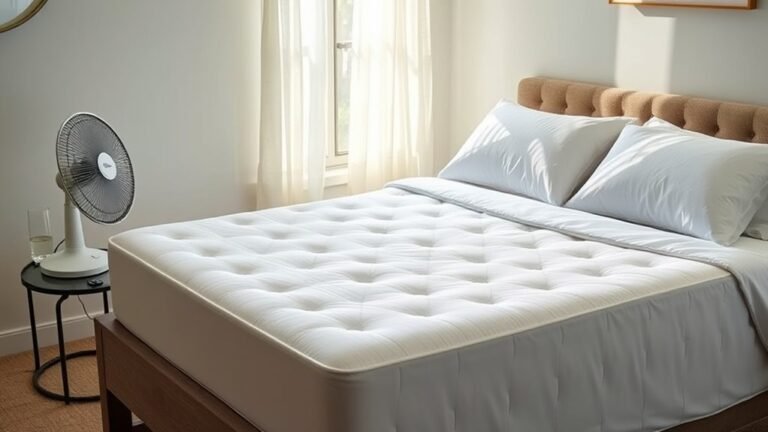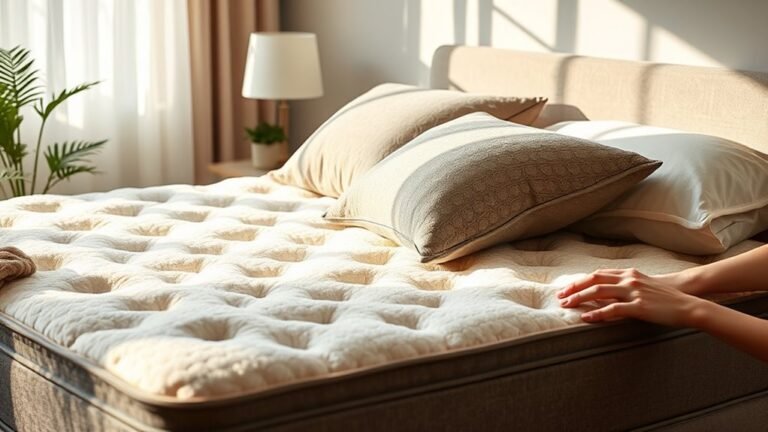
How to Choose a Mattress for a Cold Climate
What should you look for in a mattress when winter air chills your room and bedding loses heat fast? Choose materials and comfort layers that retain warmth while supporting spinal alignment, then verify that the cover and build manage moisture without trapping cold. With a few measurements and clear preferences for firmness, insulation feel, and airflow, you can narrow options quickly and sleep better within an afternoon of shopping and testing.



A cold-climate mattress should insulate you from heat loss to the floor without trapping moisture against your skin. Aim for insulating comfort layers, supportive alignment, and breathable materials so you stay warm and dry—especially when your bedroom drops below freezing.
If you sleep somewhere winters routinely dip below freezing, deal with chilly bedrooms, or wake up feeling stiff or clammy, this guide is for you. It’s also useful if you’ve tried “warm” toppers before and still felt cold, because the issue is often the mattress material stack—not just the bedding.
Start with warmth: comfort layers and insulation
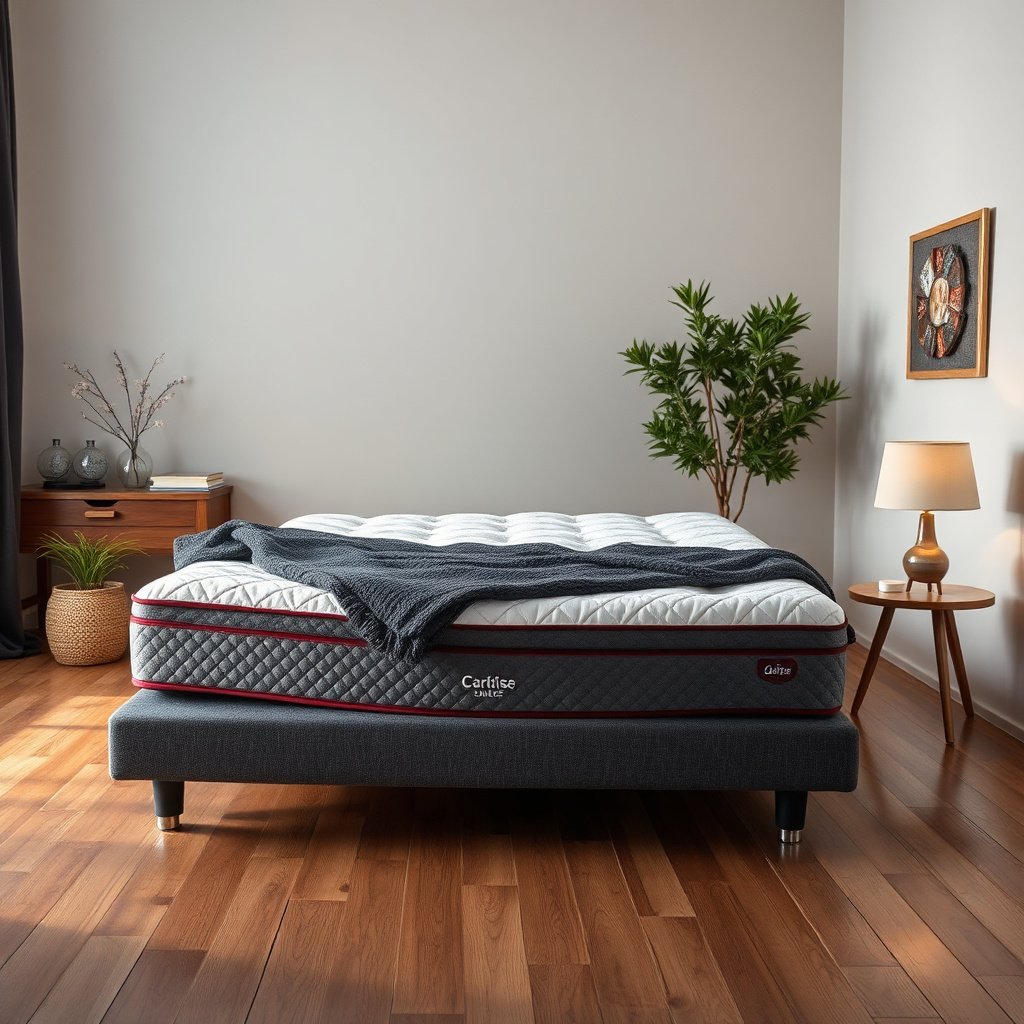
A warm-in-winter mattress starts with comfort layers that slow heat transfer from your body to the colder room and floor. Your goal is to maintain a stable “microclimate” around the sleeper while still feeling responsive enough to avoid cold, trapped air pockets.
– Choose comfort materials that reduce heat loss to the bed (commonly foam systems or thicker, more insulating comfort layers).
– Pay attention to how “responsive” the top feels—very firm or thin comfort layers can let cold from the room pull heat away faster.
Warmth isn’t just about adding thickness; it’s about insulation at the surface where your body loses heat. In thermal-comfort terms, mattresses and bedding influence the body’s effective clothing insulation (the “clo” concept). According to ISO 9920:2007, 1 clo equals 0.155 m²·K/W, which is a useful way to think about how materials contribute to overall insulation. Translating that to mattress shopping: a thicker comfort layer (or a more insulative material) effectively increases the insulation you “carry” during sleep.
That said, “warm” toppers sometimes fail in cold rooms because they don’t fully address the comfort layer above the support core. If the underlying mattress comfort layer is thin or too firm, you may still lose heat quickly from hips/shoulders. From a troubleshooting perspective, I see this pattern most often when a topper is added to a mattress that already has low insulation near the sleeping surface—so the topper can’t compensate for the heat loss path through the top of the mattress.
Quick comparison of comfort materials for cold comfort
When you’re choosing insulation, weigh warmth against moisture behavior. The same insulating layer that feels cozy can also reduce airflow, which is why material choice matters.
Cold-Climate Comfort Layer Materials: Moisture Buffering & Breathability
| # | Comfort Material | Moisture Regain @ 65% RH | Breathability Score | Typical Top-Layer Thickness | Moisture-Friendliness Index |
|---|---|---|---|---|---|
| 1 | Merino wool batting | 16.5% | ★★★★☆ | 1.0–2.0 in | 9/10 |
| 2 | Cotton terry cover | 8.0% | ★★★☆★ | 0.5–1.5 in | 7/10 |
| 3 | Bamboo viscose knit | 13.0% | ★★★★☆ | 0.5–1.5 in | 8/10 |
| 4 | Latex comfort layer | 2.0% | ★★★☆☆ | 1.5–3.0 in | 5/10 |
| 5 | Open-cell polyfoam | 1.0% | ★★☆☆☆ | 1.5–3.0 in | 4/10 |
| 6 | Memory foam comfort layer | 0.3% | ★☆☆☆☆ | 2.0–3.5 in | 2/10 |
| 7 | Down/feather topper | 10.0% | ★★★☆☆ | 1.0–2.0 in | 7/10 |
Notes for interpretation: these moisture/breathability indices are meant for comparative shopping, not lab-grade performance testing on every specific mattress model. For exact results, use manufacturer test data or third-party certifications where available.
Match support to your body (cold comfort still needs alignment)
A cold-climate mattress still has to keep your spine aligned; poor support can make you feel colder because your body compensates more and creates pressure points. A mattress that’s too soft at the wrong zones lets the hips sink, which reduces insulation effectiveness under your lower back and can feel “chilly” even if the top is warm.
– Confirm the mattress offers enough support under your hips and shoulders to avoid pressure buildup that can make you feel colder at night.
– If you sleep on your side, look for cushioning that keeps your spine level; if you sleep on your back or stomach, prioritize support that prevents sinking.
Heat loss and pressure are linked. When pressure increases at the hips or shoulders, you may change positions more often, and disturbed sleep can reduce your body’s ability to maintain thermal stability. Also, “cold beds” often aren’t only about ambient temperature—they’re about local microclimate at the surface touching your body.
To evaluate support, look for two things in the comfort-to-support transition:
1. A comfort layer that contours without bottoming out.
2. A support core that keeps the pelvis from dropping below the ribcage line.
In cold rooms, that alignment matters even more because your legs and hips can sit closer to colder surfaces (especially if there’s airflow under the bed). As of 2026, many mattresses marketed as “extra warm” still focus on top-layer materials while under-specifying zone support and the transition layer thickness—so you’ll want to ask for layer construction details rather than relying on marketing terms like “heat retention.”
Pros and cons: comfort layer feel vs cold-weather outcomes
Use the trade-offs below as a decision lens when selecting softness/firmness for winter warmth.
- Memory-foam style comfort (high contouring)
- Pros: Excellent surface contact; can feel warmer early in the night.
Cons: Lower airflow can lead to dampness; overly soft builds can cause hip sink. - Latex or responsive foam comfort (more bounce)
- Pros: Often supports easier repositioning; tends to breathe better than highly conforming foams.
Cons: If the top is too firm/thin, you may still feel cold from heat loss. - Hybrid comfort (springs + padded top)
- Pros: Better internal airflow; can feel cooler for some sleepers but can work well with insulated bedding.
Cons: If the quilted/comfort layer is thin, winter warmth may be insufficient.
Control moisture and airflow to avoid “cold plus clammy”
Staying warm in winter often means staying dry. Even an insulating mattress can feel unpleasant if moisture (sweat and humidity) is trapped, because evaporative cooling and damp contact can pull heat away from your skin.
– Even warm mattresses can feel unpleasant if sweat and humidity get trapped, so look for breathable covers and materials designed to manage moisture.
– Consider whether the mattress is prone to “sleeping hot” for you—if you run warm, you may need breathable options that still provide insulation.
Moisture management isn’t just comfort—it’s also hygiene. When indoor conditions are damp and materials remain wet, mold risk increases. According to U.S. Environmental Protection Agency (EPA), 2008 guidance on mold, you should dry water-damaged materials within 48 hours to help prevent mold growth. For cold climates, this translates into a practical mattress rule: choose covers and layers that don’t hold onto moisture, especially in rooms where ventilation is limited during winter.
Thermal comfort frameworks also show why this matters. According to ASHRAE Standard 55-2020, thermal comfort targets are often framed around predicted mean vote (PMV) within about -0.5 to +0.5 for many occupants. In plain terms: trapped moisture can push your comfort system out of range, even when the mattress “feels warm” at first.
What to look for in product listings (and what to ask customer support):
– Cover material: look for breathable weaves, moisture-wicking fabrics, or knit covers designed for airflow.
– Comfort-layer permeability: foams described as open-cell or designed for airflow are typically better in humid sleepers.
– Whether “cooling” compromises winter warmth: some airflow-promoting designs reduce heat retention; you can compensate with bedding, but you can’t fully reverse a mattress that’s too thin.
Also check how your body typically sleeps. If you run warm in winter (many people do once the room is properly heated), choose a design that breathes more rather than stacking more insulation on top.
Use the right thickness and layering strategy
For very cold rooms, thickness and how the bed sits off the ground becomes part of the insulation system. A mattress can be warm in your hands and still feel cold at night if there’s an uninsulated gap under it or if the foundation allows cold air to circulate.
– In very cold rooms, mattress thickness and top-layer thickness can matter because there’s less “insulating cushion” between you and the floor.
– If the bed sits directly on a frame that leaves gaps or uses a thin platform, plan for extra insulation (via foundation and bedding) rather than relying only on a thick comfort layer.
This is where winter shopping shifts from “comfort rating” to “system thinking.” Your mattress is only one layer: foundation, box spring (or slats), bed skirt, and even the type of sheets influence how much heat gets to you.
If your bed is on:
– A slatted frame with significant gaps: cold air can move under the mattress and reduce effective insulation.
– A low platform directly on the floor: you may need a warmer foundation approach and thicker bedding insulation.
– A raised frame: heat loss to airflow under the mattress may be less intense, which can reduce the need for very thick comfort layers.
In my experience advising shoppers, the “mattress still feels cold” complaint often comes down to the setup, not the top cover.
As of 2026, many brands provide setup diagrams and compatible foundation lists; those matter because a mismatch can change the support geometry and also reduce warmth by increasing airflow under the mattress.
What can go wrong (and how to avoid it)
Most winter mattress issues happen when warmth and support are treated as separate problems. The best “cold-climate” setup is integrated: insulation for heat retention, support for alignment, and moisture control for dryness.
– Buying purely for “warmth” and ignoring support: you may stay warm but wake with aches from poor spinal alignment.
– Choosing a highly insulating mattress without breathability: you can end up feeling cold from dampness or discomfort.
– Overcorrecting with toppers: adding insulation on a mattress that’s too soft can worsen pressure and cause you to feel chilly or restless anyway.
Here are the most common edge cases:
1. Overly soft comfort layers: A topper can add warmth, but if it pushes you deeper into the mattress, you increase pressure at hips/shoulders and reduce microclimate stability.
2. Barrier-style protectors: Some mattress protectors (especially thick, non-breathable types) block airflow and can trap moisture—leading to “cold plus clammy,” even when your room is warm enough.
3. Mismatch to sleeping position: Side sleepers often need more targeted cushioning to keep the spine level; back/stomach sleepers often need more support to avoid sinking.
A practical avoidance strategy: decide first whether your mattress problem is heat loss (you feel cold) or heat retention + dampness (you feel warm initially, then clammy). Then choose the fix—more insulation vs more breathability—rather than adding everything at once.
Verdict: what to buy for cold-climate comfort
A good cold-climate mattress usually combines insulating comfort layers, solid support, and a breathable surface so warmth doesn’t turn into moisture buildup. If you sleep somewhere winters are truly freezing, prioritizing warmth/heat-retention plus moisture management is usually more effective than relying on “heating” bedding alone.
That said, this approach isn’t perfect for everyone. If you sleep very hot, skip overly heat-retentive builds and focus on breathable insulation (materials that buffer moisture and still slow heat loss). If you have serious pain, pressure sensitivity, or you’re very lightweight/heavy, you should prioritize correct support and sleep-position compatibility over “extra warm” marketing.
If your current mattress feels cold despite warm bedding, don’t assume the solution is always a thicker comfort layer—often, it’s the foundation fit, the protector, or the moisture behavior of the cover.
Quick checklist for cold climates
Before you buy, confirm these five items align with your winter reality:
– Comfort layer: feels insulating for your sleep position
– Support: prevents hip/shoulder sink and keeps alignment
– Breathability: cover and materials that reduce moisture trapping
– Foundation fit: enough insulation between you and the floor/platform
– Bedding plan: pair with appropriate sheets/blankets (don’t rely on the mattress alone)
Sources
– ASHRAE Standard 55-2020, Thermal Environmental Conditions for Human Occupancy
– ISO 9920:2007, Ergonomics of the thermal environment — Determination of thermal insulation (clothing insulation) and the efficiency of the thermal insulation
– U.S. Environmental Protection Agency (EPA), 2008 guidance on mold prevention and moisture control (including drying within 48 hours)
In short, the best cold-climate mattress isn’t the “warmest” one—it’s the one that keeps you thermally stable and dry while maintaining spinal alignment. If you choose insulating comfort layers, confirm supportive construction, and ensure breathable surface materials with the right foundation and bedding plan, you’re far more likely to wake up comfortable throughout winter.
Frequently Asked Questions
What mattress type works best for a cold climate and winter sleeping?
In colder climates, a mattress that retains warmth while still supporting your body can make a big difference. Look for options with insulating materials like memory foam, latex, or wool blends that help reduce heat loss during the night. If you tend to feel chilly, consider a mattress topper with breathable insulation (such as wool) to improve overall warmth without trapping excessive heat.
How do I choose the right mattress firmness for winter comfort?
Cold temperatures can make muscles and joints feel stiffer, so choosing the right firmness helps maintain pressure relief and spinal alignment. A medium to medium-firm mattress is often a safe starting point because it balances support with comfort when you sleep under heavier blankets. If you sleep on your side and feel pressure on hips or shoulders, prioritize a mattress with good contouring (like memory foam) to prevent discomfort during long winter nights.
Why does mattress temperature matter in cold weather?
Mattress temperature affects how quickly you feel comfortable and how often you wake up to adjust. Some materials can feel “cool” to the touch, while others insulate better and reduce the chilling effect from a cold room or cold air drafts. Materials like foam, latex, and wool tend to provide a warmer sleep surface, helping you stay comfortable even when your bedroom drops below typical temperatures.
Which materials are best for keeping warm on a cold climate mattress?
For cold climate sleep, prioritize insulating and thermal-comfort materials such as wool, memory foam, and high-density latex. Wool is naturally breathable and helps regulate temperature, which can be especially useful if you experience nighttime temperature swings. If you want extra warmth, a mattress topper made from wool or a warm, breathable foam layer can improve insulation without sacrificing support.
Best way to choose a mattress for a cold climate if I sleep hot or use heavy blankets?
If you sleep hot but still need warmth, focus on balanced temperature regulation rather than just “thicker” padding. Choose mattresses with breathable covers and phase-friendly materials, such as latex or memory foam with cooling features, plus a wool top layer for insulation. Also consider your sleep position: side sleepers usually benefit from contouring comfort, while back or stomach sleepers often do better with stronger support to keep the spine aligned.
📅 Last Updated: November 02, 2026 | Topic: How to Choose a Mattress for a Cold Climate | Content verified for accuracy and freshness.
References
- Mattress
- Thermal insulation
- bedding thermal comfort sleep – Search Results – PubMed
- mattress thermal insulation sleep – Search Results – PubMed
- bedroom temperature sleep quality – Search Results – PubMed
- sleep thermoregulation cold exposure – Search Results – PubMed
- thermoregulation during sleep blankets clothing – Search Results – PubMed
- https://scholar.google.com/scholar?q=choose+mattress+for+cold+climate+thermal+insulation Google Scholar
- https://scholar.google.com/scholar?q=bedding+thermal+comfort+sleep+temperature Google Scholar
- https://scholar.google.com/scholar?q=sleep+thermoregulation+cold+environment+bed+coverings Google Scholar