

How to Choose a Mattress Topper for Side Sleepers: Easy Guide
Choosing a mattress topper for side sleeping can feel frustrating when your shoulders and hips keep sinking or staying too high. In the next few minutes, you’ll learn how to match topper thickness, firmness, and fill type to your body and current mattress so you get better pressure relief and comfortable alignment. You only need to measure your current sleep position and decide whether you want a plush feel, a balanced feel, or firmer support.



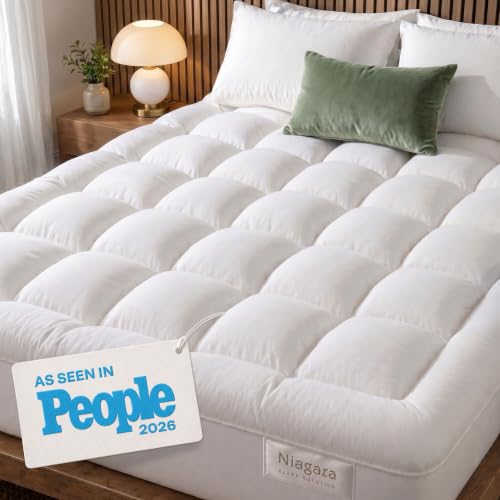
If you’re a side sleeper, choose a mattress topper that adds targeted pressure relief at your shoulders and hips while keeping your spine aligned. Focus on the topper’s fill material (foam vs. latex vs. hybrid), thickness (enough to relieve pressure, not so much you “sink”), and firmness (usually medium/medium-firm for most people). This guide will help you match those choices to your body and sleeping preferences.
If you often wake up with shoulder or hip soreness, toss and turn after switching beds, or want to fine-tune an older mattress without replacing it, this is for you. It’s especially relevant if you sleep predominantly on your side and need comfort plus support in the same layer.
As of 2026, more side sleepers are using toppers to “tune” comfort rather than buying a completely new mattress—often because their current base still provides acceptable support, but the comfort layer no longer cushions shoulders and hips evenly. The right mattress topper for side sleepers can reduce pressure where your body makes the strongest contact, while still keeping your lumbar spine from tilting or collapsing during the night.
Know what side sleepers need: pressure relief + support
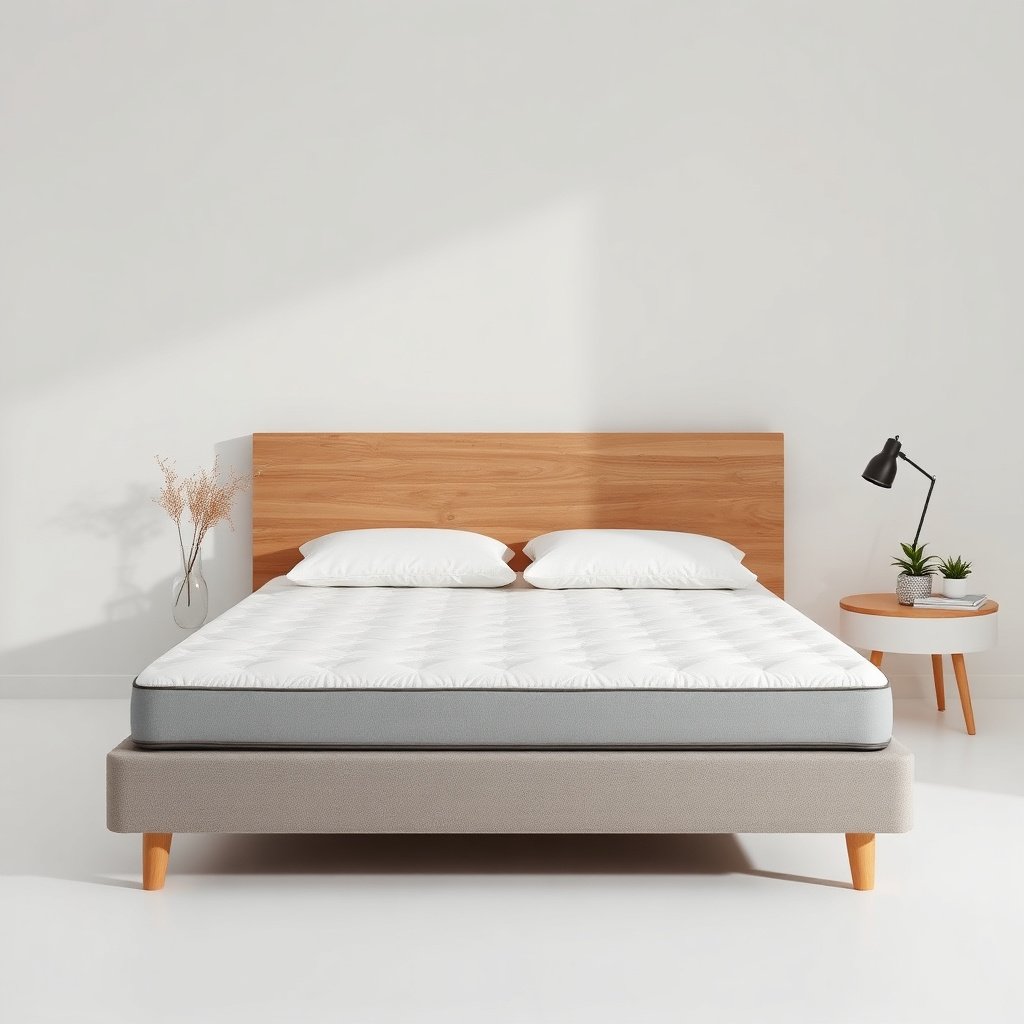
Side sleeping puts more load at your shoulders and hips than your back or stomach does, so the mattress topper for side sleepers needs to cushion those high-pressure points without letting your midsection sag. The goal is simple: when you lie on your side, your shoulders and hips should sink “some,” but your spine should stay roughly straight from neck to pelvis.
Here’s what “pressure relief + support” looks like in practice. Pressure relief means the topper distributes force over more surface area, especially at the shoulder (where the arm meets the torso) and the hip (where body weight concentrates). Support means the topper responds enough to prevent your lower back from dropping. If you go too soft, many side sleepers feel better for a night or two—then wake with stiffness or back ache as alignment degrades.
A useful framework is the “alignment test”: when you wake up, you should feel comfortable lying on your side, not “stuck” in a deeply molded pocket. If you have persistent shoulder soreness, the topper may be too firm (not enough cushioning). If you have lower-back tightness or hips feel overly sunken, the topper may be too soft or too thick for your current mattress base.
Pick the right topper material for comfort and feel
The best mattress topper for side sleepers depends on how you want it to feel in the moments your body contacts the surface—contouring and slow-responding memory foam, bouncy and responsive latex, or a layered hybrid that blends both. Each material changes pressure relief, motion isolation, and temperature behavior.
– Memory foam: commonly chosen for contouring and pressure relief, but can feel warmer depending on the design.
– Latex: often offers a bouncier “supportive cushion” feel and may sleep cooler, though it won’t contour the same way as many foams.
– Hybrid/topper blends: can balance cushioning and airflow; check the exact construction (what layers are doing what).
To make this decision easier, use these material “tradeoff expectations” for a mattress topper for side sleepers:
– If you want the topper to “wrap” your shoulder and hip, look to memory foam for that slow, conforming pressure distribution.
– If you tend to feel trapped in contouring comfort layers, latex may help maintain easier repositioning while still cushioning joints.
– If you sweat at night or change positions frequently, hybrids (often foam + coils or foam + open-cell layers) typically aim to improve airflow while still smoothing pressure.
Below is a practical look at common side-sleeper comfort targets you can use when comparing topper materials and thickness profiles.
Side-Sleeper Tuning Targets by Topper Type (Typical Comfort Ranges)
| # | Topper profile (what you’re buying) | Comfort-layer thickness (in) | Typical feel for side sleepers | Relief potential score* |
|---|---|---|---|---|
| 1 | Gel-infused memory foam (2–2.5 in) | 2.0–2.5 | Slow contour at shoulder/hip | 8.0 |
| 2 | Memory foam (3 in, medium) | 3.0 | Balanced wrap + pressure smoothing | 8.5 |
| 3 | Latex (2–2.5 in) | 2.0–2.5 | Responsive cushioning, less “hug” | 7.5 |
| 4 | Latex (3 in, medium-firm) | 3.0 | Supportive cradle, easier repositioning | 8.3 |
| 5 | Hybrid (foam + airflow layer, 2–3 in) | 2.0–3.0 | Cushion with improved breathability | 8.1 |
| 6 | Hybrid (2 in + zoned firmness) | 2.0 | Targeted shoulder/hip softness | 8.0 |
| 7 | Extra-thick foam (4 in; higher sink risk) | 4.0 | Deep contour; alignment can drift | 6.8 |
Relief potential score is a practical decision aid (higher generally means more pressure-cushioning capacity, not a medical measurement). Use it only as a starting point for selecting the best mattress topper for side sleepers.
Choose thickness and firmness without overcorrecting
The right mattress topper for side sleepers should be thick enough to relieve pressure, but not so thick that you sink past your mattress’s effective support zone. Thickness and firmness work together: you can’t “solve” a bad fit with inches alone.
Start with your current mattress behavior. If your bed already feels firm and supportive, a thinner topper is often enough to soften shoulders and hips. If your mattress feels plush and you already sink into it, a very plush (or very thick) topper can overcorrect by adding more give than your spine needs. As of 2026, the most common mistake we see in topper shopping is choosing a topper that’s both too thick and too soft—leading to misalignment.
Practical firmness expectations for side sleepers:
– Many people land at medium or medium-firm comfort because it cushions joints and resists “midsection drop.”
– If you wake with hip soreness or numbness, the topper may be too firm at your contact points.
– If you wake with lower-back stiffness, the topper may be too soft, or it may be responding too deeply under your pelvis.
If you want a measurable approach, use your pressure points as sensors. A good mattress topper for side sleepers should reduce the “hot spot” sensation at the shoulder within the first week, while maintaining a comfortable spinal angle. If pressure relief improves but back discomfort worsens, reduce thickness or increase firmness rather than continuing to add softness.
Match topper size and cover needs to your setup
The mattress topper for side sleepers must fit correctly and stay in place; otherwise, you lose the very pressure relief you were trying to buy. Even the best material and firmness won’t help if the topper shifts, wrinkles, or compresses unevenly.
– Get the right dimensions for your mattress (including bed depth if you use fitted sheets and/or if your mattress has a thicker profile).
– Look for a removable, machine-washable cover if you want easier upkeep, especially if you run warm or sweat at night.
– Make sure the topper has a reliable attachment system (straps/grips) so it doesn’t shift during sleep.
A secure fit matters because side sleepers rotate and curl repeatedly throughout the night. If the topper slides even a few inches, your shoulder may no longer land on the same cushioned zone, and you can end up compensating with a different spinal curve.
Also consider cover design for temperature and hygiene. If you sleep warm, prioritize breathable covers (often cotton blends, moisture-wicking fabrics, or covers designed for airflow). If allergies or regular cleaning matter, machine-washable covers are easier to maintain than covers that require spot cleaning only.
What can go wrong (and how to avoid it)
The most common failures with a mattress topper for side sleepers come from overestimating how much comfort a topper can provide without fixing underlying support issues. If pressure relief improves but alignment worsens, your choice is probably miscalibrated for thickness, firmness, or how your mattress base behaves.
– Choosing too thick or too soft: you may feel comfortable at first, then wake up with back pain due to alignment issues.
– Ignoring your current mattress feel: topping a very sagging mattress may not solve the underlying support problem—sometimes a new support surface or replacement is the real fix.
– Overlooking temperature and airflow: foam-dominant designs can trap heat for some sleepers, so climate and personal comfort matter.
– Skipping return/tryout options: many toppers need a short break-in period, and you’ll want a way to confirm it’s working for you.
One more edge case: toppers can’t “correct” severe support failures. If your mattress has deep body impressions, collapsed edges, or an unstable foundation, the topper may simply compress in the same worn areas—creating pressure and inconsistent cushioning. In those cases, the best comfort strategy is often improving the base (slats spacing, frame stability, or mattress replacement).
Finally, watch material emissions and indoor-air considerations if you’re sensitive to odors. Certification programs publish test methodologies and limits for foam emissions, helping you compare toppers more reliably than marketing claims alone. According to CertiPUR-US (certification program documentation), foam used in certified products must meet total VOC emissions testing limits (≤0.5 mg/m³) and formaldehyde emissions limits (<0.05 ppm) under specified test conditions (CertiPUR-US documentation). That kind of program-based testing is a meaningful differentiator when you choose a mattress topper for side sleepers who prefer low-odor comfort.
Verdict: a safe recommendation—with downsides and who should skip
A mattress topper for side sleepers should prioritize pressure relief at shoulders and hips while maintaining spinal alignment (typically via medium comfort with supportive materials). Here’s the practical rule: choose a comfort layer that cushions your contact points without allowing the pelvis to drop below your shoulder line.
That said, a topper is a tuning tool—not a full structural repair. If your mattress is deeply sagged, your foundation/support is failing, or you need substantial structural correction, a mattress topper may only mask the problem rather than fix it. In those situations, addressing the support surface or replacing the mattress typically improves both comfort and alignment more reliably than adding softness.
If you’re sensitive to heat retention, consider latex or hybrid construction and a breathable cover. If you’re very light-bodied or your current mattress is already firm, err toward thinner profiles (or medium rather than ultra-soft comfort). If you need substantial change, start with a medium approach and use a trial period to adjust.
Quick checklist (scan before you buy)
– Comfort goal: pressure relief at shoulders/hips without midsection sinking
– Material: foam vs. latex vs. hybrid (based on how you want it to feel)
– Firmness: usually medium/medium-firm for many side sleepers (adjust based on your comfort)
– Thickness: choose “adjustment,” not full rebuild (avoid over-sinking)
– Fit: correct size for your mattress depth + secure placement system
– Cover: washable/removable if hygiene or heat is a concern
– Policy: confirm return/tryout options before committing
Sources
– CertiPUR-US (certification program documentation and testing standards) — foam emissions testing limits and certification requirements (e.g., total VOC and formaldehyde limits).
– Global Organic Latex Standard (GOLS) / standards documentation — definitions and requirements for certified organic latex content (useful when comparing latex toppers).
A side-sleeper mattress topper works best when it’s calibrated to your pressure points and your current mattress’s support behavior. Choose medium-to-medium-firm comfort with the right material (memory foam for contour, latex for responsive cushioning, hybrids for balanced airflow), aim for adjustment thickness rather than a full rebuild, and make sure the topper fits securely so it doesn’t shift. If alignment worsens or your mattress is deeply sagged, treat the topper as a temporary tune-up—not a substitute for fixing the underlying support problem.
Frequently Asked Questions
What thickness mattress topper is best for side sleepers?
For most side sleepers, a 2–3 inch mattress topper provides enough cushioning to keep your shoulders and hips comfortable while still supporting your spine alignment. Thinner toppers (about 1–2 inches) can help with minor comfort issues, but they may not relieve pressure points as well if you’re heavier or have a deeper hip/shoulder sink. If you frequently wake up with numbness or soreness, consider going thicker and prioritizing pressure relief over softness alone.
How do I choose the right firmness level for a side sleeper mattress topper?
Side sleepers typically do best with a medium to medium-plush topper because it conforms to the body and reduces pressure on shoulders and hips without letting them sink too far. If your topper is too soft, you may feel “stuck” or notice lower-back strain from hips dropping; if it’s too firm, pressure can build around bony areas. A simple rule is to aim for even support where your spine stays neutral from neck to hips.
Why do memory foam toppers help side sleepers, and who should avoid them?
Memory foam toppers are popular for side sleepers because they contour closely and distribute weight to minimize pressure points. This is especially helpful for people who wake up with shoulder pain, hip soreness, or tingling. However, if you run hot or prefer a more responsive feel, choose a gel-infused memory foam or consider latex instead, since some memory foam toppers can trap heat and feel too slow-moving.
Which material is best for pressure relief for side sleepers—latex, foam, or hybrid?
Latex, memory foam, and hybrid toppers can all work well, but the “best” choice depends on your comfort needs. Memory foam excels at pressure relief and body contouring, while latex offers pressure relief with more bounce and typically better airflow. Hybrid options (like foam over coils or supportive layers) can be ideal if you want a balance of cushioning and edge-to-edge support, especially for side sleepers who also switch positions.
What size topper should I buy to fit my mattress securely?
Choose the same size as your mattress (twin, full, queen, king, or split variants) and pay attention to topper depth ratings so it can fit properly. Look for features like deep elastic straps, a grippy underside, or a well-measured pocket depth to prevent shifting during the night. A secure fit improves the comfort of your side sleeper mattress topper by keeping pressure relief consistent and reducing bunching or gaps.
📅 Last Updated: November 02, 2026 | Topic: How to Choose a Mattress Topper for Side Sleepers | Content verified for accuracy and freshness.
References
- https://www.mayoclinic.org/healthy-lifestyle/adult-health/in-depth/mattress/art-20048324
- https://en.wikipedia.org/wiki/Side_sleeping
- Mattress
- mattress firmness pressure distribution side sleeping – Search Results – PubMed
- mattress overlay pressure relieving surface – Search Results – PubMed
- Overview | Pressure ulcers: prevention and management | Guidance | NICE
- https://www.sciencedirect.com/search?qs=mattress%20topper%20pressure%20relief%20side%20sleeping
- https://scholar.google.com/scholar?q=mattress+topper+side+sleepers+pressure+relief Google Scholar
- https://scholar.google.com/scholar?q=memory+foam+firmness+pressure+redistribution+sleep Google Scholar
- https://scholar.google.com/scholar?q=latex+foam+matress+pressure+redistribution+study Google Scholar






One Comment