
How to Buy a Mattress for a Dorm: Quick Buying Guide
A dorm mattress purchase is a fast decision, but it should not be rushed: choose the right firmness and size, and you will get comfort for the lowest realistic total cost. This guide is for students buying soon and checking prices online or in-store. What decides your best value is the mattress type, mattress height and warranty, and whether the bed frame supports it without sagging.
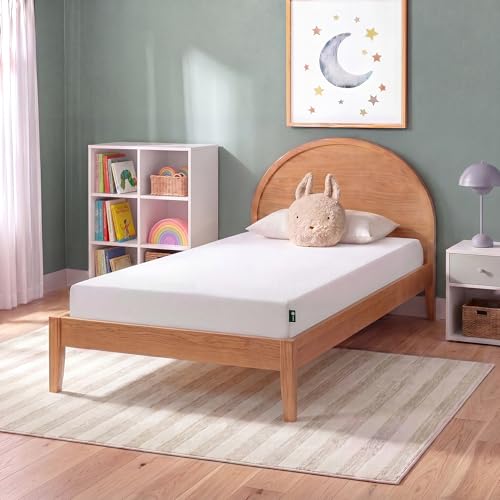



Buying a dorm mattress is mainly about getting the right fit first (size and height), then matching firmness/support to your sleep position. Do that, and you can avoid the two biggest dorm-shopping failures: mattresses that don’t fit the frame/loft rules and surfaces that don’t keep your spine aligned after move-in.
If you’re heading to college—or buying for someone who is—this guide walks you through what to measure, which mattress types tend to work best in dorm spaces, and what to verify before you click “buy,” especially in 2026 when shipping, loft requirements, and return windows still vary widely by school and retailer.
Who this is for / when it applies
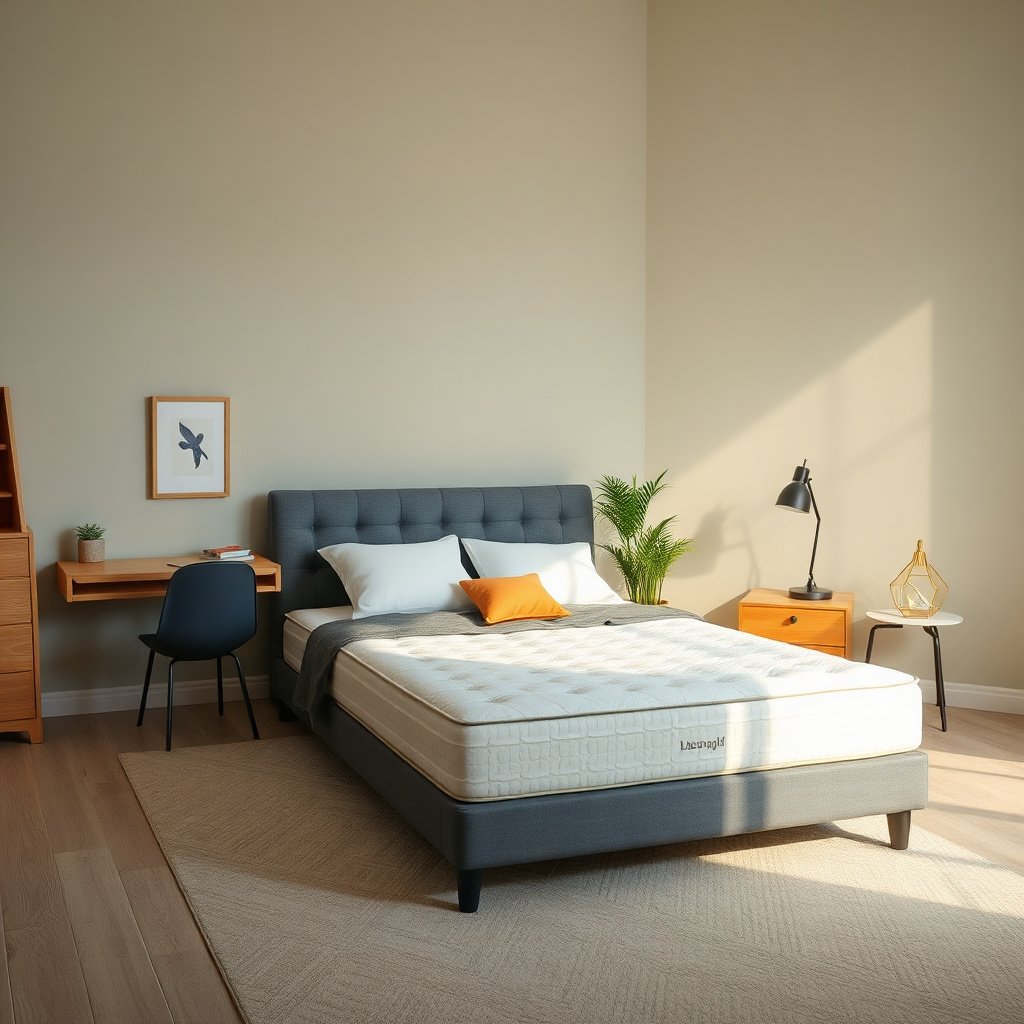
This applies when you’re buying a dorm mattress for a college dorm bed (standard campus frame, loft system, or built-in platform) and you need it to fit immediately. It’s also for shoppers who want comfort, but are dealing with narrow hallways, stairs, limited storage, and strict move-in rules.
This works whether you’re replacing an old dorm mattress or buying for the first time and want to avoid common dorm mattress mistakes like oversizing width/length or choosing a thickness that breaks loft clearance.
Measure your dorm setup and choose the right size
The fastest way to avoid a wrong purchase is to measure your actual dorm bed setup and choose the mattress size that matches it, not the size you assume from generic labels. With dorm mattresses, the difference between “Twin” and “Twin XL,” or between a standard frame and a loft system, can be the whole problem.
What to measure (and what to write down)
Start with the dorm bed frame size (length and width). In North America, many universities standardize on sizes like Twin (38 in × 75 in) or Twin XL (38 in × 80 in), but your specific frame and campus housing spec can still differ—especially with loft rails and custom platforms. American Home Furnishings Alliance (AHFA), mattress size specifications
Next, check the maximum mattress height allowed by your dorm setup:
– Loft systems often require enough vertical clearance under the bed for desks, shelves, or room layout.
– Some campus beds also have drawers or enclosed sides where thickness affects usability.
Then confirm what your housing office provides. Some dorms include a mattress, while others provide only a bed frame and require you to bring the full bedding set; a few require a specific bed frame spec.
Dorm mattress size sanity checks (quick rules)
From my experience helping families navigate dorm move-in constraints, the “paper-correct” size is still the #1 failure point. To prevent it, verify:
– Frame inner dimensions vs. mattress label size
– Loft clearance and how the bed sits against the wall (a small difference matters in tight dorm rooms)
– Whether the dorm mattress must be delivered in advance or will be inspected upon arrival
Choose firmness and support for your sleep position
The best dorm mattress firmness is the one that keeps your spine aligned in your preferred sleep position—not the one that “feels plush” for the first few minutes. If you wake up with pressure points or lower-back tightness, firmness/support mismatch is usually the culprit.
Side, back, and stomach sleepers: what usually works
A dorm mattress that supports you correctly changes how your hips and shoulders sink (or don’t sink):
– Stomach sleepers typically need enough firmness to keep hips from dropping out of alignment.
– Side sleepers usually do better with a surface that relieves shoulder and hip pressure without collapsing.
– Back sleepers often benefit from a balanced feel that supports the lumbar area (lower back) while staying comfortable.
If you’re unsure, start with a medium option as a default and evaluate alignment. Comfort should be consistent after 10–20 minutes of lying down, not only in the first few seconds—especially with foam-based dorm mattresses that can feel different once they fully conform.
Why “medium” can be a smart starting point (but not a guarantee)
Medium is often a safe starting point because it balances pressure relief and support, which matters for dorm mattress longevity when you’re sharing the same bed day after day. Still, body weight, mattress construction (foam vs. hybrid vs. innerspring), and personal sensitivity to sinking all influence what “medium” feels like to you.
To make this practical in 2026, rely on your sleep position plus how the mattress maintains alignment, rather than brand marketing terms alone.
Pick a dorm-friendly mattress type (and what to watch for)
The most dorm-friendly mattress type is usually the one that fits your bed/loft constraints and matches your comfort needs. Foam, hybrid, and innerspring can all work—your dorm mattress type choice should be driven by thickness limits, heat retention, and mobility during move-in.
Mattress type breakdown: pros, cons, and dorm realities
Below is a practical comparison of dorm mattress types and the tradeoffs that show up in real campus rooms.
| Mattress type | Dorm fit advantages | Common drawbacks to check |
|---|---|---|
| Memory foam / all-foam | Often ships easier (compressed/rolled options), minimal motion transfer for roommates. | May sleep warmer for some people; verify cooling claims and thickness limits. |
| Hybrid (foam + coils) | Usually offers more airflow and “bounce” for changing positions. | Hybrids can be heavier and sometimes taller; confirm total height for your dorm mattress. |
| Innerspring | Often bouncier with more immediate feel; widely available in standard sizes. | Comfort varies more by model; verify you get the firmness/support you need for alignment. |
In 2026, heat management and ease of move-in matter more than people expect: dorm mattresses are hauled through narrow spaces, unboxed quickly, and then used every night without a “testing” period long enough to let you rebuild your preferences.
What can go wrong (common mistakes and edge cases)
The biggest dorm mattress mistakes happen when shoppers optimize for a “label match” instead of the actual frame, loft rules, and return plan. The second biggest issue is choosing comfort based on feel alone without considering how the mattress supports your alignment over time.
Common failure points
– Right size on the label, wrong for the frame: “Twin” vs. “Twin XL,” or a platform with a nonstandard inner opening, can create gaps or prevent safe fit. Always measure.
– Ignoring height limits: A thicker dorm mattress can break loft clearance or reduce usable space around the bed.
– Skipping trial/return policy: If the dorm mattress feels off after move-in, you need a process that doesn’t leave you paying full price for an uncomfortable fit.
– Forgetting move-in logistics: Box size, stair navigation, elevator rules, and whether you need help carrying the mattress can be the difference between a smooth day and a stressful scramble.
Edge cases to think about before buying
– Roommate arrangements: If you’re sharing a room, motion transfer matters; a foam-based dorm mattress can feel quieter for some sleepers.
– Allergy or sensitivity: If you react to dust or odors, verify care instructions and whether the retailer offers guidance for first-night setup.
– Strict deadlines: If your move-in date is inflexible, make sure your return window doesn’t close before you can test comfortably.
Verdict / tip: what we recommend (and who should skip this)
The best approach for buying a dorm mattress is to prioritize fit first (size + height), then choose firmness/support based on your sleep position, and only after that finalize mattress type. This sequence is the most reliable way to avoid the “it fits, but it doesn’t work” problem.
| # | Mattress size (common North America) | Dimensions | Surface area (sq in) | Dorm-fit score (1–5) |
|---|---|---|---|---|
| 1 | Twin | 38×75 in | 2,850 | ★ ★ ★ ★ ★ (5.0) |
| 2 | Twin XL | 38×80 in | 3,040 | ★ ★ ★ ★ ☆ (4.7) |
| 3 | Full | 54×75 in | 4,050 | ★ ★ ★ ★ ☆ (3.5) |
| 4 | Short Queen | 60×75 in | 4,500 | ★ ★ ★ ☆ ☆ (3.2) |
| 5 | Queen | 60×80 in | 4,800 | ★ ★ ☆ ☆ ☆ (3.0) |
| 6 | King | 76×80 in | 6,080 | ★ ★ ☆ ☆ ☆ (2.3) |
| 7 | California King | 72×84 in | 6,048 | ★ ★ ☆ ☆ ☆ (2.4) |
Dorm-fit score is calculated from surface area compared with Twin (score = 5 × Twin area ÷ mattress area). Mattress dimensions are per standard size specifications. American Home Furnishings Alliance (AHFA), mattress size specifications
Downsides to consider for a dorm mattress
– Foam-based dorm mattresses can sleep warmer for some people, especially if you run hot.
– Hybrids may be heavier and sometimes taller depending on coil system and overall build.
– Anything thicker than your loft/clearance limit can create problems quickly—less clearance means less room functionality, not just a “slightly different” bed height.
Who should skip this dorm-first method
Skip this approach if your dorm explicitly assigns a mattress, you’ve already verified your frame dimensions and height rules, or you’re on a strict deadline where you can’t rely on returns/trials. In those cases, follow your housing rules first.
Frequently Asked Questions
What size mattress should I buy for a dorm room?
Most dorms use a Twin or Twin XL mattress, but sizes vary by campus and building, so confirm your school’s dimensions before buying. Measure the bed frame or check the housing website for “mattress size” and “day-to-day requirements” to avoid a mismatch. If you want an easier fit, choose a mattress that matches the dorm bed frame exactly—especially for Twin XL, which is common in longer dorm setups.
How do I choose the right mattress firmness for dorm comfort?
Dorm life often includes more sitting on your bed and frequent sleeping, so choose firmness based on how you sleep—side sleepers usually prefer medium to medium-firm, while back and stomach sleepers often do well with medium-firm to firm. If you’re unsure, look for “medium” options and consider a mattress with supportive layers that reduce sinking. Trial periods and return policies are especially helpful since dorm sleep setups can differ from your home mattress.
Which mattress type is best for a dorm—memory foam, innerspring, or hybrid?
Memory foam is popular for motion isolation and contouring, making it a good choice if you share a room or you wake easily. Innerspring mattresses can offer more bounce and airflow, which may help if you sleep hot. Hybrid mattresses combine foam comfort with coil support, often making them a versatile dorm-friendly option for different sleeping styles.
How do I buy a dorm mattress online without making the wrong choice?
Start by matching the exact dorm size (Twin vs Twin XL) and checking thickness limits if your dorm has requirements for bed height. Read reviews specifically mentioning “dorm,” “college,” or “shared room,” and look for details about support, heat retention, and edge support. Prioritize mattresses with free shipping, delivery scheduling, and an easy return policy so you can swap if the comfort isn’t right.
Why should I pay attention to dorm mattress thickness and bed frame height?
Dorm bed frames can limit total mattress height, and overly thick mattresses may not fit under built-in rails or can feel too tall for your room setup. Thickness also affects accessibility—sleeping too high can be less comfortable for daily use, especially with desks and limited floor space. Check your frame dimensions and the mattress’s stated height (and consider toppers carefully) to ensure your dorm mattress fits properly and stays comfortable.
📅 Last Updated: November 02, 2026 | Topic: How to Buy a Mattress for a Dorm | Content verified for accuracy and freshness.
References
- Mattress
- Sleep hygiene
- https://www.mayoclinic.org/healthy-lifestyle/adult-health/in-depth/mattress/art-20046473
- eCFR :: 16 CFR Part 1632 — Standard for the Flammability of Mattresses and Mattress Pads (FF 4-7…
- eCFR :: 16 CFR Part 1633 — Standard for the Flammability (Open Flame) of Mattress Sets
- mattress type sleep quality – Search Results – PubMed
- mattress firmness back pain – Search Results – PubMed
- https://scholar.google.com/scholar?q=college+dorm+room+sleep+environment+mattress Google Scholar
- https://scholar.google.com/scholar?q=mattress+firmness+back+pain+randomized+trial Google Scholar
- https://scholar.google.com/scholar?q=how+to+choose+a+mattress+sleep+quality Google Scholar