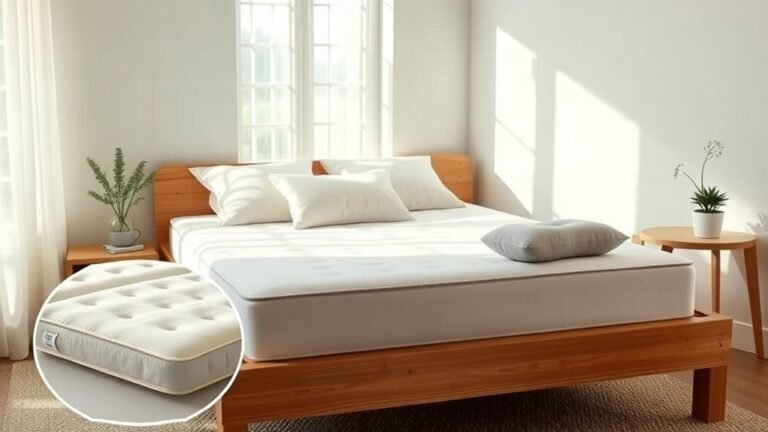
How to Choose a Mattress for an Airbnb: Buyer Tips
Choosing the right mattress for your Airbnb can feel tricky—how do you pick one that guests will actually find comfortable? Start by matching the bed size to your room and choosing a supportive feel at a moderate firmness, then factor in durability, ease of cleaning, and whether you need a cover for spills. With a clear checklist of these decisions, you can have the right mattress selected and ready in about an hour or two.
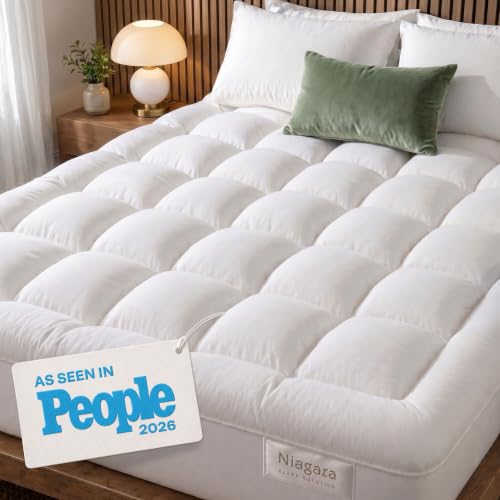

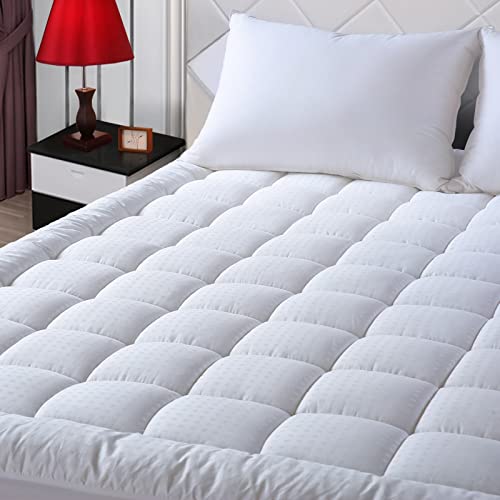

Choosing the right mattress for an Airbnb is mainly about picking a “safe middle” on firmness plus buying something that can handle frequent turnovers. Aim for widely liked comfort (typically medium feel) and prioritize durability, easy cleaning, and protective covers so the bed stays guest-ready between stays.
If you’re furnishing a rental where guests change often—or you’re replacing an underperforming bed—this guide walks you through the practical choices that matter most in a short-term rental (size, firmness, materials, and maintenance), not just what feels good once in the showroom.
Choose the right size and firmness for most guests
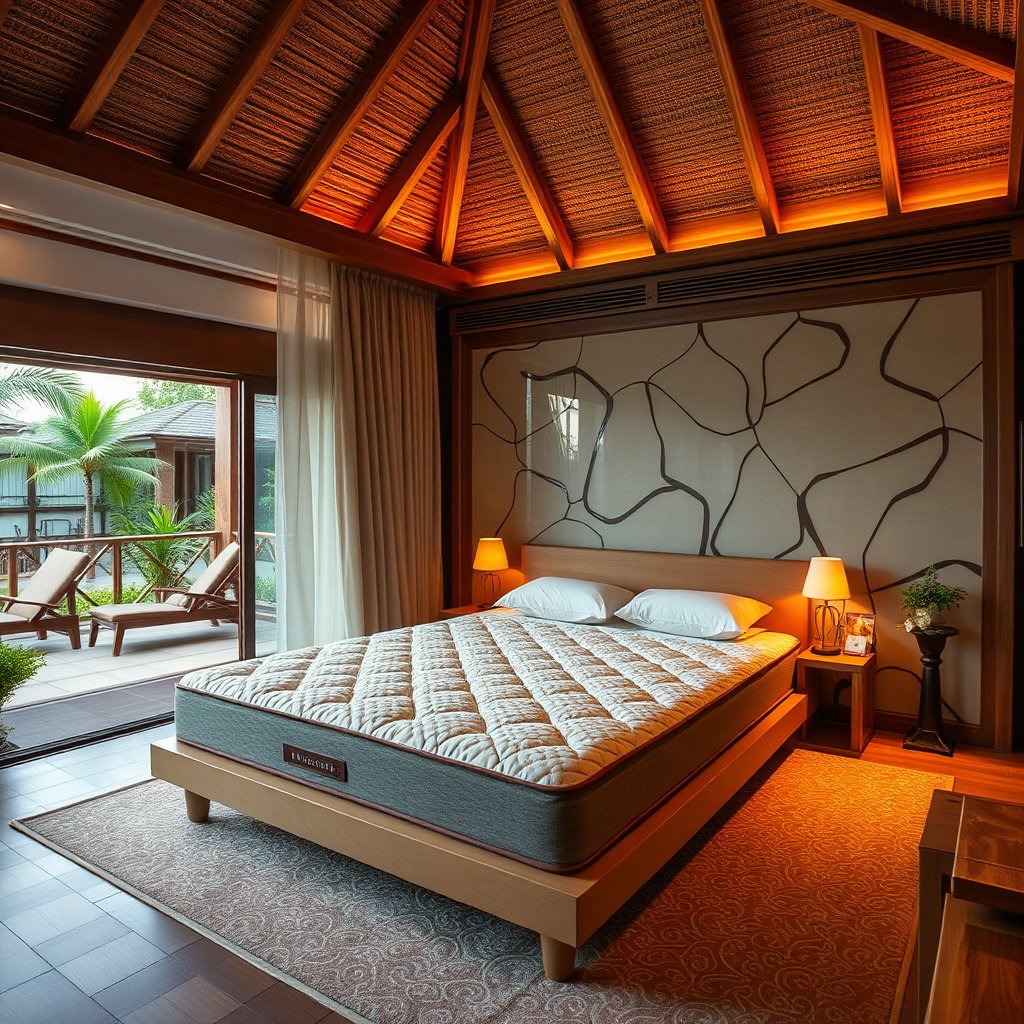
You’ll get the fewest complaints when the mattress size fits your listing well and the firmness sits in the “broadly comfortable” zone for most sleeping styles. In 2026, that typically means standard guest-friendly dimensions plus a medium feel that’s less polarizing than “very soft” or “very firm,” especially when you don’t control each guest’s preference.
– Pick a size that matches your listing’s sleeping setup (commonly Twin XL for flexibility; Queen/King if space allows) and plan for sheets/enough backup bedding.
– Target a “broadly comfortable” firmness (often medium) to reduce returns like “too hard/too soft,” especially since you won’t control each guest’s preferences.
A practical way to reduce risk is to standardize your bedding system around common, well-supported sizes and then let comfort land in the middle. For example, mattress size standards matter because they determine your fitted sheets’ pocket depth and your ability to restock quickly during turnover. According to the American Home Furnishings Alliance (AHFA) mattress sizing guidance, commonly used US sizes include:
– Twin XL: 38 in × 80 in
– Queen: 60 in × 80 in
– King: 76 in × 80 in
To make “guest-safe” easier to visualize, here’s a quick reference using those standard dimensions and comparing sleeping surface area relative to a Queen.
7 Mattress Sizes Used in Airbnb Setups (US Standard Dimensions vs. Queen)
| # | Mattress size | Standard size (inches) | Surface area (sq ft) | % vs Queen |
|---|---|---|---|---|
| 1 | Twin | 38 × 75 | 19.99 | -40.0% |
| 2 | Twin XL | 38 × 80 | 21.11 | -36.7% |
| 3 | Full | 54 × 75 | 28.13 | -15.6% |
| 4 | Queen | 60 × 80 | 33.33 | 0.0% |
| 5 | King | 76 × 80 | 42.22 | +26.7% |
| 6 | California King | 72 × 84 | 42.00 | +26.1% |
| 7 | Split King (2× Twin XL) | 2 × (38 × 80) | 42.22 | +26.7% |
When guests lie down for the first time, what they usually notice isn’t the mattress’s technical spec—it’s whether they feel supported and whether the surface “pushes back” in a consistent way. Medium firmness is often the safest choice because it’s typically supportive enough for back and side sleepers while not feeling extreme to stomach sleepers. If you want to tune slightly, do it toward medium-firm rather than very soft; in rentals, “soft” comfort layers can compress faster under repeated stays.
Prioritize durability and maintenance for short-term rentals
A durable mattress that’s easy to protect is the fastest route to fewer complaints and lower replacement costs over time. The main idea is simple: choose a build designed for repeated use, then protect it with an encasement/cover strategy that keeps spills, skin oils, and accidental moisture from turning into stains or odors—especially in 2026.
– Choose materials and builds that are designed to last under repeated use; then protect the mattress with a quality, washable cover/encasement plan.
– Verify warranty terms and what counts as “normal wear” before you buy—Airbnb use can be harsher than one household.
Durability in an Airbnb context is less about “will it last?” and more about “will it stay guest-ready after turnover?” That means:
– Compression recovery: Will the comfort layers spring back after nightly use and cleaning?
– Edge support: Guests who sit on the edge can find weak edges quickly, and the feedback shows up in reviews.
– Odor management: Frequent laundering reduces odor build-up, but only if the core materials don’t trap smells.
Also look for compliance with mattress safety requirements. In the US, mattresses sold for residential use must meet federal flammability standards under 16 CFR Part 1633 (for mattresses made after the effective dates specified by the rule). That doesn’t replace durability considerations, but it’s a baseline you should treat as non-negotiable for rentals.
From my experience advising hosts, warranty wording is where many people “discover” the real world of mattress ownership. A bed can feel fine at first yet still fall into coverage gaps because of how wear is defined. Before you commit, read the warranty for: excluded damage types (liquid stains, improper cleaning, missing protectors), and how sagging is measured (often in relation to a specified depth).
A simple practical approach is to plan protection first, then buy. If you can’t imagine managing the cover/encasement through every turnover, you’re buying the mattress and a maintenance problem at the same time.
Pick materials that stay comfortable after repeated use
Materials matter in an Airbnb because the “first-week feel” doesn’t guarantee the “six-month feel.” When you pick foam and other comfort systems, prioritize certifications and build documentation that reduce surprises with odor, emissions, and premature softening—still relevant as of 2026.
– If you’re choosing foam, look for certifications and documentation (for example, CertiPUR-US for certain foam emissions) to reduce surprises with smell/air quality.
– Consider how different feels may age: some mattresses maintain support longer, while others soften faster—check manufacturer guidance and specs instead of relying on one-time comfort.
Two material realities drive host experience:
1. Foam comfort layers behave differently than support cores. A topper-style comfort feel may be luxurious on day one but prone to faster compression when many bodies sleep on it daily.
2. Comfort is temperature-sensitive. Heat retention can increase perceived “softness” at night, especially with memory foam. That’s not just a comfort issue—it can trigger guest complaints like “too hot.”
If foam is part of the build, certifications can be a useful filter. CertiPUR-US is designed to standardize testing around foam emissions and content restrictions; check the documentation the manufacturer provides so you know which layers are actually certified (not just the brand’s general marketing).
Comparison block—how material choices tend to behave in rentals:
- Medium foam (polyfoam or memory foam comfort + foam support)
- Pros: motion isolation for couples, consistent surface feel, often easier to protect with covers.
- Cons: can trap heat; some comfort layers soften sooner in high-traffic use.
- Hybrid (foam comfort + pocketed coils or innerspring)
- Pros: improved airflow and edge support; often retains support better over time.
- Cons: heavier setup; bounce can reduce motion isolation for some guests.
- Innerspring-only
- Pros: typically breathable; support may hold up with less “body imprint” behavior than some comfort foams.
- Cons: comfort feel can vary by guest; protection strategy is still essential to manage spills.
When materials aging is unclear, don’t rely on how a mattress feels during your short visit. Instead, read the manufacturer’s guidance for firmness retention, rotation requirements (if any), and what they consider misuse versus normal wear.
Match the mattress setup to your Airbnb cleaning workflow
The best mattress choice is the one your team can keep clean and dry quickly between stays. If your cleaning workflow is slow or inconsistent, even a high-quality mattress will degrade faster—so match your bed setup to how you actually do turnover in 2026.
– Make “turnover speed” a requirement: washable protectors, non-fussy covers, and mattress setups that don’t trap moisture.
– Plan bed hygiene details early (encasements, laundering intervals, and stain/odor prevention). Use documented guidance from cleaning authorities/manufacturers where available.
Here’s what “workflow-fit” looks like in practice:
– Start with a two-layer defense: mattress encasement + fitted protector (or an encasement that functions as the protective layer). This reduces the chance that sweat, skin oils, or accidental spills soak deeper.
– Design for drying: moisture that stays trapped under a waterproof layer can become a problem. Choose covers that allow moisture to migrate away from the mattress surface during your cleaning routine, and ensure the mattress area is fully dry before guest check-in.
– Reduce “component fragility”: avoid complicated topper setups that take time to remove, sanitize, and re-layer correctly.
What tends to go wrong isn’t usually the initial mattress choice—it’s when cleaning procedures become too complicated. If you frequently miss full drying or reuse damaged protectors, odor and stains can build even if the core mattress is durable.
For pest-risk scenarios (which many hosts ask about), follow public health guidance for appropriate encasement and handling. The US EPA provides bed bug recommendations that include encasement approaches and when to escalate to professional treatment; U.S. EPA bed bug resources are a strong starting point if you need documented best practices.
What can go wrong when you choose the wrong mattress
The most expensive failures aren’t physical breakdowns—they’re guest-experience issues that show up in reviews. If the mattress is too hot, too firm, or has poor edge support, you can’t “fix” that with a quick re-make, and the feedback often repeats across stays.
– Guest complaints you can’t easily “fix” (too firm, too hot, poor edge support) are the most expensive problem—because they can trigger reviews.
– Skipping protection or ignoring care instructions can lead to stains/odor/mold risk, especially if guests have spills or higher humidity.
– Overstocking on specialty comfort (very soft, very plush toppers, unusual sizes) can backfire when you need replacements or extra sheets fast.
Other pitfalls that quietly raise costs:
– Nonstandard sizes: If you choose a size that makes sheets hard to source, you risk delays during turnover (and last-minute swaps that feel “different” to guests).
– Over-tuning comfort: A very specific luxury feel can be polarizing. In rentals, the widest guest tolerance is usually medium comfort.
– Ignoring rotation/handling rules: Some modern mattresses don’t require rotation, while others do. The care instructions matter because improper handling can accelerate wear.
This is why the “safe middle” strategy exists. It’s not about maximizing personal preference; it’s about minimizing variability across unknown guests.
Verdict / tip: buy for durability and guest tolerance (not just your taste)
If you want the most reliable Airbnb outcome, choose a medium-feel mattress for your most common bed sizes and pair it with a protective, properly maintained cover/encasement. The downside: the “safe middle” won’t be perfect for every guest, and higher-quality durability typically costs more upfront—so this is best for hosts who can follow care/cleaning steps and plan for backups.
If you’re trying to match a niche aesthetic or a very specific luxury feel for a small, consistent guest type, you may be better off with a more custom setup (or testing with a short-term trial) rather than optimizing for the widest range of guest preferences.
From a business perspective, the goal is predictable performance: fewer complaints, easier turnover, and replacement timing that doesn’t derail your booking calendar. In 2026, that usually means “standard size + medium firmness + robust protection” beats “specialty comfort + complex maintenance” in most short-term rentals.
Quick checklist to save your next mattress decision
| Decision area | What to check before buying |
|---|---|
| Size + sheets | Listing bed size matches available sheets/backup sets |
| Firmness target | Medium feel likely to satisfy the most guests |
| Warranty | What’s covered, what voids coverage, expected lifespan claims (per manufacturer) |
| Protection plan | Mattress cover/encasement that fits and is easy to launder |
| Care instructions | Manufacturer-approved cleaning method and drying guidance |
| Certifications (if foam) | Documentation/certifications such as CertiPUR-US (if applicable) |
| Turnover reality | Can you remake beds quickly without complex components? |
Checklist (quick scan):
– [ ] Mattress size matches your listing + you have enough sheet inventory
– [ ] Firmness is “guest-safe” (not extreme)
– [ ] You have a protector/encasement and a laundering plan
– [ ] You reviewed warranty + care instructions from the manufacturer
– [ ] You considered temperature/odors (especially if guests bring pets, smoke, or lots of moisture)
Sources
– CertiPUR-US program documentation (for what the certification covers regarding foam emissions):
– U.S. EPA guidance on bed bugs and mattress encasements (for handling/encasement recommendations):
– Mattress manufacturer warranty + care instructions for the specific mattress model(s) you’re considering:
Choosing a mattress for an Airbnb is ultimately a risk-management exercise: pick a guest-tolerant firmness, use standard sizes that keep sheets replaceable, and protect the bed so it survives frequent turnover. If you do those three well, you’ll spend less time troubleshooting complaints and more time running a smooth, predictable rental operation.
Frequently Asked Questions
What mattress firmness is best for an Airbnb to satisfy most guests?
A medium-firm mattress (often around 6–7 on a 10-point scale) is usually the safest choice because it balances comfort for back, side, and combination sleepers. Medium-firm support helps guests avoid excessive sink while still cushioning hips and shoulders. Consider pairing it with a quality mattress topper or hotel-style comfort layer to accommodate wider preferences without replacing the bed.
How do I choose a mattress size for an Airbnb by room type and occupancy?
Match mattress size to typical occupancy: a full/double is often enough for single-guest rooms or compact spaces, while queen or king works better for couples and families. For listings with higher turnover, choose the most standard size available in your market to simplify guest expectations and reduce complaints. If space is tight, prioritize a queen for most bedrooms and reserve king only when it’s truly beneficial for layout and comfort.
Why do guests complain about mattresses in short-term rentals, and how can you prevent it?
Common complaints include sagging support, uncomfortable pressure points, worn-out springs, and heat retention. To prevent these issues, invest in durable materials, rotate the mattress routinely (when feasible), and use a breathable mattress protector to keep hygiene and longevity strong. Adding a supportive topper can also smooth minor comfort variations while protecting the mattress from wear.
Which mattress type is best for an Airbnb: memory foam, innerspring, or hybrid?
Hybrid mattresses often perform well for short-term rentals because they combine motion isolation from foam with responsiveness and airflow from coils. Memory foam can be great for pressure relief, but it may trap more heat depending on the formulation, so look for cooling features if you choose foam. Innerspring models can be budget-friendly and breathable, but they may be less effective at motion isolation and pressure relief for some sleepers.
Best way to pick the right mattress budget for an Airbnb without wasting money?
Start by estimating your occupancy rate and expected wear: a higher-quality mattress typically lasts longer and reduces guest complaints that hurt reviews. Aim to spend enough to avoid early sagging or breakdown, then protect the investment with a high-quality, waterproof, breathable mattress encasement. If you’re unsure, consider buying a reputable option with strong warranties and reviews specifically mentioning durability and guest comfort.
📅 Last Updated: November 02, 2026 | Topic: How to Choose a Mattress for an Airbnb | Content verified for accuracy and freshness.
References
- Mattress
- https://www.mayoclinic.org/healthy-lifestyle/adult-health/in-depth/mattress/art-20048364
- About Bed Bugs | Bed Bugs | CDC
- Bed Bugs: Get Them Out and Keep Them Out | US EPA
- https://www.epa.gov/allergies/dust-mites
- eCFR :: 16 CFR Part 1633 — Standard for the Flammability (Open Flame) of Mattress Sets
- eCFR :: 16 CFR Part 1632 — Standard for the Flammability of Mattresses and Mattress Pads (FF 4-7…
- mattress firmness low back pain systematic review – Search Results – PubMed
- https://scholar.google.com/scholar?q=mattress+firmness+low+back+pain+systematic+review Google Scholar
- https://scholar.google.com/scholar?q=bed+bug+prevention+inspection+lodging+mattress+hygiene Google Scholar