

How to Appeal a Denied Mattress Warranty Claim: Step-by-Step
If your mattress warranty claim was denied, you can still appeal it by gathering proof of the defect and following the insurer or manufacturer’s review steps in writing. This process typically takes a few days to a couple of weeks, depending on response times and how quickly you can collect photos, order details, and any requested documentation. Start now by reviewing the denial reason carefully and building a clear appeal packet you can submit confidently.



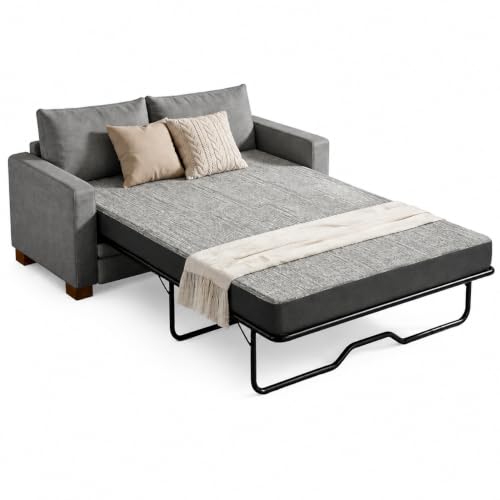
If your mattress warranty claim was denied, you can usually improve the outcome by appealing with specific documentation that (1) matches the stated denial reason and (2) shows the issue fits the warranty’s definition of a covered defect. The fastest path is to start with the denial letter, then submit a clean “appeal package” that includes proof of purchase, accurate photos, and written support-evidence so the reviewer can re-check coverage without guessing.
If you’re within your mattress brand’s appeal window—or you’re still able to provide additional evidence—this is for you. It’s also useful when the denial letter says the issue is “not covered,” “normal wear,” or “lack of proof,” since those are usually solvable with better documentation.
Review the denial letter and warranty terms

– Identify the exact reason for denial (e.g., “normal wear,” “no manufacturing defect,” “improper support,” or “missing proof”).
– Compare the stated reason to the warranty language (what they call “covered defects,” coverage limits, and exclusions).
– Note any deadlines, appeal steps, or required documentation listed in the letter or warranty booklet.
The denial letter is effectively the roadmap for your mattress warranty appeal—every line tells you what the brand thinks is missing or unsupported. First, write down the denial reason exactly as it appears (use the same wording). Then pull the warranty terms and highlight the phrases that relate to that reason, such as “covered body impressions,” “normal wear and tear,” “content exclusions,” or “support requirements.”
A key point: in the U.S., warranty disputes can involve legal requirements as well as brand policy. For example, the Magnuson–Moss Warranty Act is codified at 15 U.S.C. §§ 2301–2312, and enforcement provisions are located in 15 U.S.C. § 2310. Meanwhile, FTC’s warranty-related rules are in 16 CFR Part 701. While these laws don’t automatically approve every claim, they reinforce why your documentation should be precise and complete for your mattress warranty appeal.
Finally, check deadlines. Many brands only allow an appeal or re-inspection request within a set timeframe. If you don’t see one in the denial letter, don’t assume you have unlimited time—use the contact method in the letter to ask for the appeal deadline and requirements.
Gather proof that strengthens your case
– Collect proof of purchase (receipt, order confirmation, or credit card statement) and the mattress details (model name/number, size, purchase date).
– Take clear photos of the damage from multiple angles, including: visible sagging/indents, seams, any foam compression areas, and a wider shot showing mattress placement.
– Create a simple defect timeline: when you first noticed the problem and how it changed over time.
This is where a mattress warranty appeal becomes either persuasive or guesswork. Start with the basics: proof of purchase and mattress identification. Add a photo (or scanned copy) of the receipt, plus the mattress model/size information, and any label details (often found on the mattress tag or inside packaging documentation). If the denial mentioned “lack of proof,” your goal is to make it impossible for them to say they can’t verify ownership, purchase timing, or eligibility.
Next, document the defect visually. Use bright, even lighting and take photos from multiple angles, including:
1) close-ups of the affected area (show the indent/sagging clearly),
2) seam and edge photos (to rule out manufacturing-seam issues vs. localized damage),
3) photos showing the top surface contours and any foam compression, and
4) a wider shot that clearly shows where the mattress sits on the bed frame or foundation.
In my experience helping people organize warranty files, the biggest improvement comes from making reviewers able to “locate the problem” quickly—your photos should tell a story in under 30 seconds.
Create a timeline written in plain language. Instead of “it got worse,” say when you first noticed a dip, when you rotated the mattress (if you did), and what changed afterward. For a mattress warranty appeal, consistency matters: if you document that a defect began shortly after purchase and progressed gradually, that’s often more credible than stating it suddenly appeared without explanation.
What Your Mattress Warranty Appeal Should Address (Most Common Denials)
| # | Denial reason (as written) | Docs to add | Photo set (min angles) | Coverage match check | Expected review lift |
|---|---|---|---|---|---|
| 1 | Normal wear | Proof of purchase + defect timeline | 4 | Show impression depth language vs. your photos | ★★★★☆ |
| 2 | No manufacturing defect | Photos of construction areas + seam/edge close-ups | 5 | Map issue to “covered defects” wording | ★★★☆☆ |
| 3 | Lack of proof | Receipt/order confirmation + mattress ID/tag photo | 3 | Confirm purchase date and eligibility window | ★★★★★ |
| 4 | Improper support / foundation issue | Bed frame/photos + slat/platform compliance notes | 4 | Match support requirements (slats/platform type) | ★★★☆☆ |
| 5 | Stain / liquid damage exclusion | Care records + photo proof (date/extent) | 4 | Show separation between excluded damage and covered defect | ★★☆☆☆ |
| 6 | Burn / pet damage / misuse | No “re-creating” damage—only factual photos + care explanation | 5 | Confirm warranty exclusion and attempt “covered vs excluded” separation | ★☆☆☆☆ |
| 7 | “Not enough information” | Complete photo set + defect timeline + support photos | 6 | Remove ambiguity so reviewers can compare to warranty terms | ★★★★☆ |
Document support and care to address common denials
– Confirm your bed frame/foundation is compatible and meets any warranty support requirements (if the warranty specifies slat spacing or platform type, follow it).
– Record what you did for troubleshooting and care (e.g., rotating the mattress if recommended, using the recommended support surface, keeping it free from moisture).
– If you replaced a worn foundation or changed support after noticing the issue, photograph the before/after so reviewers can see the impact.
Support and care documentation is often the deciding factor in a mattress warranty appeal because many warranties distinguish “manufacturing defects” from “improper use.” Your job is to prove you followed the brand’s setup and care requirements to the letter, or at least to show corrective steps once you learned there was a support problem.
Start with the bed frame/foundation. If your warranty specifies slat spacing, platform type (box spring vs. platform), or maximum unsupported areas, mirror those requirements. Photograph the setup so a reviewer can see it without needing your explanation. If you recently changed your foundation after the denial, include both the “before” and “after” photos—just label them clearly by date.
Care evidence can be simple but should be real. A short note listing what you’ve done (and when) helps: whether you rotated the mattress according to the brand’s instructions, used a waterproof protector, avoided moisture exposure, and kept the sleep surface clean. If the denial mentioned exclusions such as stains or liquid damage, address the timeline carefully and avoid speculation. For many mattress warranty appeals, reviewers focus on whether the defect appears consistent with the excluded condition or whether there is a separate, covered defect.
If you want to follow a structured approach, use a “coverage alignment” note in your appeal file. For each claim the warranty mentions—covered defects, limits, and exclusions—write one sentence explaining how your evidence maps to that clause. That alignment reduces back-and-forth for your mattress warranty appeal.
Submit a clear appeal package (and keep it organized)
– Write a concise cover letter that references the denial reason and directly states why the situation fits the warranty coverage.
– Include a checklist of attached items (purchase proof, photos, defect description, model info, and any relevant support/care evidence).
– Ask specifically for what you want: a warranty re-review, a second inspection, or authorization for a replacement/repair if coverage applies.
A strong mattress warranty appeal is organized like an insurance file: a cover letter that tells the story, followed by proof that makes the story verifiable. Your cover letter should reference the denial reason exactly (the same phrasing from the denial). Then connect your evidence to warranty language: what the warranty covers, and why your defect belongs in that category based on your photos and timeline.
Keep it concise. Use bullet points for:
– Mattress model/size and purchase date
– Denial reason (verbatim)
– Your defect timeline (when it started, how it changed)
– Evidence you’re attaching to resolve the denial reason
– Your request (re-review, second inspection, or replacement/repair authorization)
Include a checklist at the end of the letter. Many brands can process appeals faster when they can quickly confirm that the requested proof is present. Also, keep file naming consistent (e.g., “Model_Tag.jpg,” “Support_Photos_03-12-2026.jpg,” “Indent_Closeup.jpg”). Organization is not just “nice”—it prevents reviewers from missing key evidence that directly addresses the denial.
If the denial letter offers a preferred method (email portal, upload link, or mail address), follow it exactly. For mattress warranty appeal requests, a “technically correct” submission can still fail if it doesn’t arrive in the expected format. When there’s ambiguity, ask for confirmation that the brand received the appeal package before assuming it’s in process.
What can go wrong (and how to avoid it)
– Appealing without addressing the stated denial reason: If the denial was based on missing proof or “improper support,” generic requests often get ignored.
– Sending blurry or incomplete photos: Reviewers may not be able to verify the defect location or severity—use multiple angles and good lighting.
– Overlooking warranty exclusions: If the warranty excludes issues like stains, burns, pet damage, or misuse, appeals that ignore exclusions may not succeed.
– Missing an appeal deadline: Many brands have time limits for escalation; if your window is short, prioritize getting a complete package out immediately.
– Inconsistent details: Ensure the mattress model, purchase date, and ownership/usage history match your documentation.
The biggest reason a mattress warranty appeal stalls is mismatch: your evidence doesn’t directly answer what the denial letter claims is missing. If the brand wrote “lack of proof,” then uploading ten more photos won’t help unless you also include the correct proof-of-purchase document and mattress identification. If the denial says “improper support,” your photos must show the foundation and bed setup clearly enough to verify compliance with the warranty’s support rules.
Here’s a simple “do this vs. expect delays” comparison for your mattress warranty appeal:
| Strategy in your appeal | What it tends to do well | Common downside |
|---|---|---|
| Match the denial reason with the exact evidence requested | Reduces reviewer follow-up and speeds re-checks | If you use different wording or omit the key proof, it can be treated as a repeat |
| Provide a complete photo set (close-ups + wider placement + support photos) | Makes the defect location and severity verifiable | Blurry or cropped images lead to “not enough information” outcomes |
| Address exclusions explicitly (stain/burn/misuse) | Shows you understand warranty limits and can separate covered from excluded issues | Appeals can still fail if the exclusion is unavoidable |
| Request the exact next step (re-review/second inspection) | Improves processing because the brand knows what action to take | Generic requests slow routing or get closed as incomplete |
Also watch for inconsistencies. A mattress warranty appeal can be denied even when the defect seems real if the model number, purchase date, or ownership details don’t align across your receipt, product tag, and claim form.
Finally, don’t “fix the problem” in a way that destroys your evidence. If you replace a foundation or remove a protective cover, document what changed. Your appeal is strongest when reviewers can compare before/after.
Verdict / tip: when to appeal—and when to stop
Appealing is usually worth it when the denial reason is evidence-based (missing documentation, support concerns, or “not enough information”), and you can respond with photos plus purchase proof and clear warranty-relevant details. If the denial is tied to a documented exclusion you can’t realistically separate—such as verified burn damage, certain liquid damage, or clear misuse—then an appeal may only delay a guaranteed outcome.
I’d proceed with a mattress warranty appeal when you can answer three questions with evidence: (1) Do I have valid proof of purchase and mattress identification? (2) Does the defect type align with the warranty’s definition of covered issues? (3) Can I show I met support/care requirements or corrected them in a documented way?
Who should skip or pause: if you’re outside the appeal window, if you can’t provide proof-of-purchase in the format the brand requires, or if the denial is based on an exclusion that your photos confirm and you can’t separate from the covered defect. In those cases, focus on getting a second opinion from the retailer or save your effort for a new claim with improved documentation—rather than repeatedly submitting incomplete appeals.
Scan-and-send checklist (copy/paste)
– [ ] Denial letter (or screenshot/text of denial reason)
– [ ] Warranty details that match the denial reason (covered defects + exclusions)
– [ ] Proof of purchase (receipt/order confirmation)
– [ ] Mattress model/size + serial info (if available)
– [ ] Photos: close-ups + wider shots of the defect
– [ ] Photos of support/foundation setup (bed frame/platform/slat condition)
– [ ] Short timeline of when the issue started and how it worsened
– [ ] Cover letter that answers the denial reason directly
– [ ] Clear request: re-review / inspection / repair or replacement authorization
Sources
– Magnuson–Moss Warranty Act (15 U.S.C. §§ 2301–2312 and 15 U.S.C. § 2310) — U.S. federal law outlining consumer warranty protections.
– FTC “Warranty Rule” (16 CFR Part 701) — FTC regulations on how written warranties and warranty claims are handled.
A successful mattress warranty appeal is rarely about making a complaint louder—it’s about making your evidence clearer, cleaner, and tightly connected to the denial reason. Start with the denial letter, gather purchase proof and well-lit, correctly framed photos, document support and care, then submit a structured appeal package with a specific request for re-review or inspection. If your denial is fixable with stronger documentation, your appeal has real leverage; if it hinges on exclusions you can’t separate, it’s usually better to stop and pivot to a more realistic resolution.
Frequently Asked Questions
How do I start an appeal after my mattress warranty claim was denied?
First, request the denial reason in writing and gather all proof of purchase, including the receipt, order confirmation, and warranty terms you received. Then collect documentation of the mattress issue (photos/videos of sagging, tears, odors, or comfort complaints) and any inspection reports. Submit your appeal within the warranty company’s stated deadline and include a clear explanation of why the mattress defect should qualify under the warranty coverage.
What evidence should I include when appealing a denied mattress warranty claim?
Include photos or videos showing the problem from multiple angles, measurements of sagging (for example, depth and duration), and any visible defects like seams coming apart or foam breakdown. Attach supporting documents such as purchase dates, warranty registration, prior communications with customer service, and maintenance records (rotation, proper support/bed frame, and cleaning). If the company required an inspection, include the inspector’s findings or rebut them with new photos and a timeline that matches warranty criteria.
Why was my mattress warranty denied, and how can I respond to the specific reason?
Common denial reasons include “normal wear,” coverage limits (like exclusion after a certain time), improper use, lack of proof, or failure to meet defect thresholds. In your appeal, address each reason directly by pointing to the exact warranty language and showing how your case fits—such as demonstrating excessive sagging beyond the stated limit or confirming the mattress was used on an approved foundation. If the denial cited “improper care,” provide maintenance evidence and explain any corrective steps you took when the issue began.
Which steps increase my chances of winning a mattress warranty appeal?
Submit a complete, well-organized appeal package: denial letter, warranty terms, proof of purchase, defect evidence, and a detailed timeline of symptoms. Keep your communication professional and consistent, and ask for a supervisor review or a second inspection if the original process seems incomplete. If the warranty allows it, request remediation options (repair, replacement, or prorated compensation) rather than only demanding a full replacement.
Best way to appeal if the warranty company insists the problem is “normal wear”?
Treat “normal wear” as a claim you can measure and document—provide quantified sag depth, show how the issue developed over time, and include photos taken on consistent dates. Compare your measurements to the warranty’s defect standards (such as sagging beyond a specific inch requirement or premature failure of comfort layers). If possible, consider a third-party evaluation and submit that report to show the defect is inconsistent with normal mattress wear patterns covered by the warranty.
📅 Last Updated: November 02, 2026 | Topic: How to Appeal a Denied Mattress Warranty Claim | Content verified for accuracy and freshness.
References
- https://consumer.ftc.gov/articles/0199-warranties
- https://www.ftc.gov/legal-library/browse/statutes/magnuson-moss-warranty-act
- https://www.law.cornell.edu/wex/magnuson-moss_warranty_act
- eCFR :: 16 CFR Part 700 — Interpretations of Magnuson-Moss Warranty Act
- Complaints | USAGov
- Warranty
- Magnuson–Moss Warranty Act
- https://scholar.google.com/scholar?q=denied+warranty+claim+appeal+consumer+rights Google Scholar
- https://scholar.google.com/scholar?q=Magnuson-Moss+Warranty+Act+consumer+dispute+resolution Google Scholar
- https://scholar.google.com/scholar?q=warranty+dispute+consumer+complaint+arbitration+process Google Scholar





One Comment