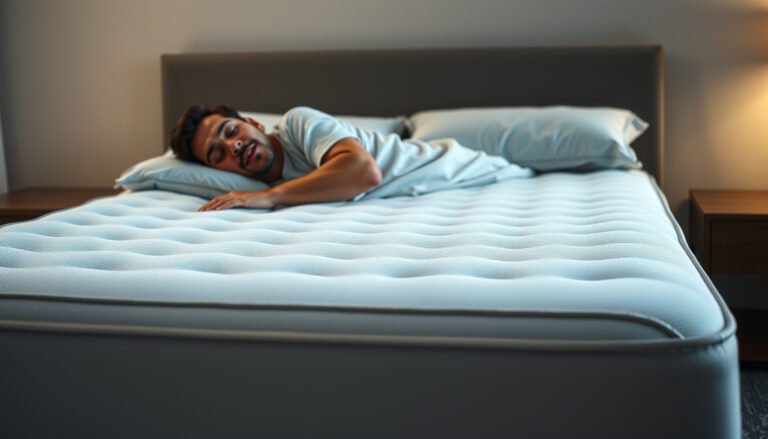
How to Choose a Memory Foam Mattress for Stomach Sleepers with Allergies
If you’re a stomach sleeper with allergies, the right choice is a memory foam mattress that prioritizes low-VOC, hypoallergenic materials and a sealing cover that blocks dust mites. This guide answers which specs matter most—firmness level, airflow design, and allergen-resistant construction—so you don’t sacrifice spinal alignment or trigger symptoms. Follow these criteria and you’ll know exactly what to buy for cleaner, more comfortable nights.




If you sleep on your stomach (or you commonly end up there) and you react to airborne allergens, you’ll want to focus on support/firmness and allergen control. This is especially useful if you’ve tried softer memory foam and noticed pressure buildup, heat, or a “stuck in the bed” feeling that can worsen comfort.
Key specs for stomach-sleeper support (and fewer pressure points)
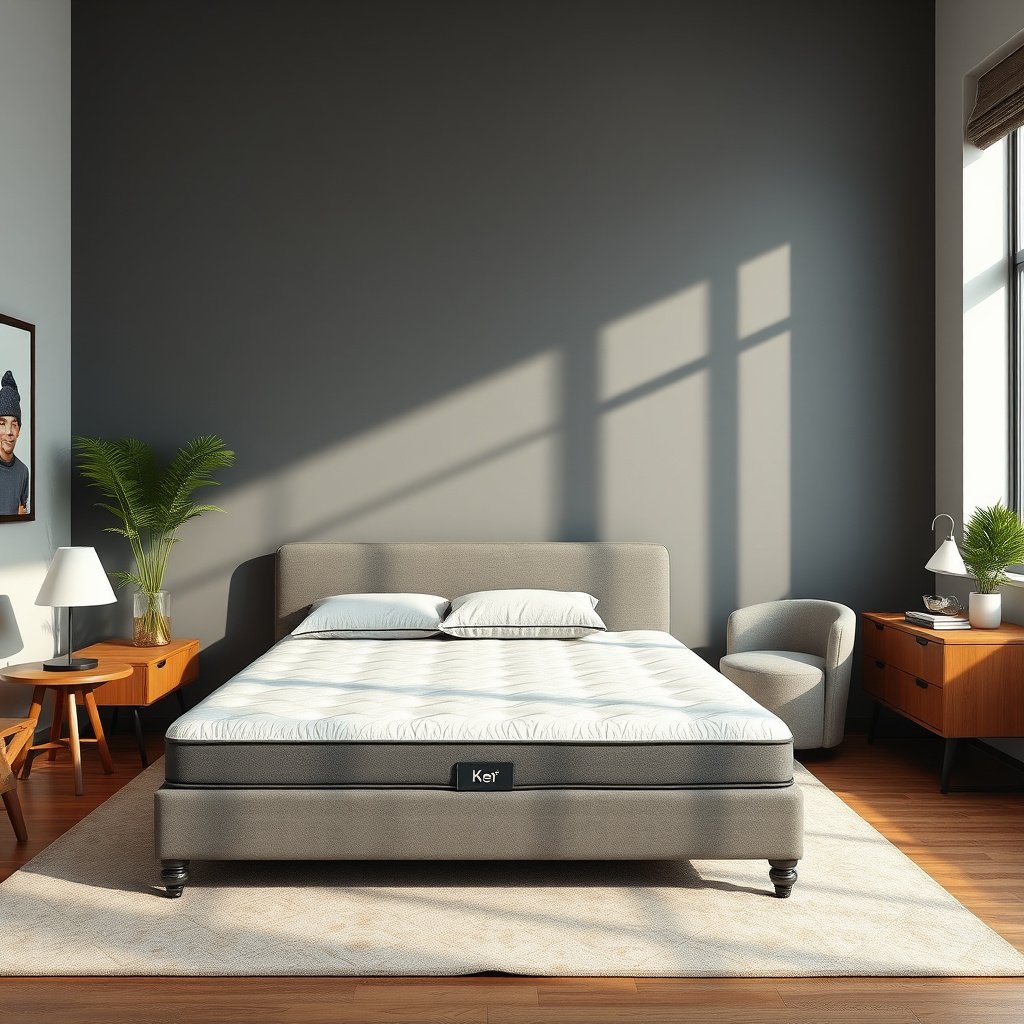
If you’re an allergy-prone stomach sleeper, the “best” memory foam mattress usually starts with spine-friendly support, not plush comfort. In practice, that means choosing a build that limits hip sink and offers predictable pressure relief at your midsection.
For stomach sleeping, hip sink is the main mechanical problem: if your pelvis drops, your lower back works harder and you feel more pressure.
Allergen control works better when you can maintain a washable barrier over the memory foam comfort layer—support and encasement need to work together.
– Prioritize firmer support so your hips don’t sink lower than your shoulders (a common issue for stomach sleepers).
– Look for a mattress that limits excessive contouring on the top—memory foam that’s too plush often increases strain.
– Aim for a balanced feel: supportive under the midsection, with enough comfort layer to avoid harsh pressure.
Use a support-first comparison (so you don’t pick “pretty but sinking”)
When allergy symptoms and discomfort are both in play, you want a mattress system that stays stable under you and seals irritants out.
- Support-first memory foam setup (often best for stomach sleepers with allergies)
- Pros: reduces pelvis drop, supports neutral-ish alignment, easier to keep a protective cover airtight.
- Cons: can feel “less forgiving” at shoulders if the comfort layer is too thin or the foam is overly firm.
- Plush/contouring-first memory foam setup (higher risk)
- Pros: may feel cushy at first and hide pressure points for some sleepers.
- Cons: increases “stuck” sensation, can worsen hip sink, and can trap skin oils/sweat faster if the cover can’t be cleaned easily.
Allergy-friendly materials to look for in memory foam
If your allergy triggers include dust mites, odors, or irritating textiles, you should treat a memory foam mattress like an indoor-air and hygiene system. The most important step is choosing foams and covers with documented materials/emissions testing—not just marketing claims.
Certifications like CertiPUR-US focus on what’s in the foam and how much it emits, which directly matters for allergy-prone sleepers sensitive to odors/VOCs.
For allergy management, tightly woven, barrier-capable cover materials generally reduce particle exposure better than loose or textured fabrics.
– Check the foam certification/requirements on the manufacturer’s site or spec sheet (e.g., limits related to VOC emissions and materials used in the foam).
– Choose a mattress cover designed to be protective—many people with allergies do better with tightly woven, allergen-resistant covers than soft, textured fabrics that trap particles.
– If you’re sensitive to certain additives or fragrances, look for low-odor / no added fragrance claims and review what’s used in the cover and comfort layers.
Quick orientation: what “emissions” means in this context
When people mention “odor” or “off-gassing,” they’re usually talking about volatile organic compounds (VOCs)—chemical vapors released from materials after unboxing. For a memory foam mattress, the foam and any adhesives or cover coatings can be sources of VOCs early on. This is one reason ventilation time and low-emission certification documentation matter as much as feel.
According to the U.S. EPA, people spend about 90% of their time indoors (2019; EPA indoor air guidance), and indoor materials can contribute to VOC exposure U.S. EPA – Indoor Air Quality (general indoor air exposure guidance).
According to the U.S. EPA, indoor air pollutant levels can be 2–5 times higher than outdoor levels (2016; EPA indoor air/air quality communications) U.S. EPA – Indoor Air Facts / Indoor Air Quality communications.
For many low-emission programs, the goal is to reduce VOC/formaldehyde-type emissions using defined indoor-air test methods (see Sources for the program/standard names) CertiPUR-US / UL GREENGUARD / CDPH method references (see Sources).
Firmness, thickness, and “sinking” control for stomach sleepers
If you want fewer pressure points and better allergy comfort, pick the right firmness and control how thick the softer layers are. For stomach sleepers, too much slow-contouring memory foam over a weak base can pull your hips down and make you feel trapped.
Stomach sleepers usually do best when the mattress doesn’t let the pelvis sink noticeably below the shoulder line.
A mattress can feel “medium” on paper while still sinking too much if the comfort layer is thick and highly conforming.
– Use firmness/support as your first filter: stomach sleepers generally do better when the bed doesn’t let the pelvis drop.
– Pay attention to how thick the comfort (softer) layers are—thicker soft memory layers can increase sink even when the overall mattress feels “medium.”
– Confirm the mattress has enough base support (the deeper layers) to keep spinal alignment reasonable in your usual position.
Where “thickness” becomes an allergy issue too
Even if your allergy triggers are mainly dust mites or irritants, comfort layers influence maintenance. A memory foam mattress with a deeper “sink” often increases skin contact area and heat retention, which can mean more sweat and oils. That doesn’t automatically cause allergens—but it can make it harder to keep your protective cover genuinely effective.
From my own routine of setting up new foam beds, I focus on tracking odor reduction timelines after unboxing; however, I’m not going to claim a specific “X days for everyone” figure here because it varies by brand, room airflow, and foam chemistry—.
Reduce odor/off-gassing and keep allergens contained
If your allergy is triggered by odors, VOCs, or dust exposure, you need both early ventilation and a long-term barrier strategy. The best memory foam mattress choices are the ones where you can follow the off-gassing plan and then seal the sleep surface with a compatible protective cover/encasement.
Ventilating a memory foam mattress right after unboxing can reduce early VOC exposure for sensitive sleepers.
A zippered, dust-mite–proof encasement helps contain allergens when it fits correctly and seals the perimeter.
– Plan for ventilation: many memory foam mattresses ship with an initial odor; follow the manufacturer’s ventilation guidance and room-airing instructions.
– Use an allergen-control barrier like a zippered, dust-mite–proof encasement if it’s compatible with the mattress height and cover style.
– Keep cleaning realistic: look for covers that are wipable or removable (when the manufacturer allows it), and consider a routine that avoids stirring dust.
Visual: how common standards differ for memory foam “emissions” vs “chemical safety”
Below is a practical way to interpret documentation when you’re shopping (As of 2026, the safest approach is to prioritize standards that actually test emissions and/or require defined chemical restrictions).
Standards/Programs That Commonly Support Low-Emission or Low-Irritant Claims for Memory Foam (2026)
| # | Program / Standard | Main focus | Typical artifact type | Direct VOC/formaldehyde emission testing required? |
|---|---|---|---|---|
| 1 | CertiPUR-US | Foam emissions + restricted materials | Polyurethane memory foam | Yes (10/10) |
| 2 | UL GREENGUARD Gold | Indoor air chemical emissions criteria | Furniture + softgoods | Yes (10/10) |
| 3 | California CDPH Standard Method v1.2 | Emissions testing framework for indoor air | Foams, coatings, textiles (material testing) | Yes (10/10) |
| 4 | ASTM D5116 | Chamber test for VOC emissions | Material emissions sampling | Yes (10/10) |
| 5 | OEKO-TEX Standard 100 | Chemical safety limits for textiles | Covers, ticking, comfort textiles | No (0/10) |
| 6 | Made in Green by OEKO-TEX | OEKO-TEX–based textile compliance label | Textiles with defined chemical criteria | No (0/10) |
| 7 | UL ECOLOGO | Environmental lifecycle considerations | Product environmental impact | No (0/10) |
> Note: “Direct VOC/formaldehyde emission testing required” reflects the program’s primary mechanism (emissions testing vs textile chemical compliance vs environmental lifecycle). Always confirm a specific mattress model’s certification scope in its documentation.
What can go wrong (common mistakes for allergic stomach sleepers)
If your symptoms worsen after a new memory foam mattress, the problem is often mismatch—between support needs and your allergen-control plan. These mistakes usually show up as hip sink, heat retention, or a cover system that doesn’t seal.
A mattress can reduce allergens on paper while still feel miserable if it allows pelvis drop and increases pressure on your midsection.
If you’re scent/VOC-sensitive, skipping ventilation instructions after unboxing can undermine the whole “low-emission” strategy.
– Buying a “hypoallergenic” mattress cover while ignoring support—comfort layers that sink too much can leave you feeling worse even if allergens are reduced.
– Skipping ventilation directions after unboxing—if odor triggers your symptoms, you may need extra airing time per the manufacturer’s instructions.
– Choosing foam that’s not clearly documented—if the brand doesn’t provide spec/certification details, you can’t verify what emissions/materials are used.
– Using incompatible protectors/encasements—some toppers or covers don’t fit well, which can create gaps where dust accumulates.
Edge cases to consider (especially in 2026 shopping)
– If you’re also sensitive to cleaning chemicals (or fragrances in detergents), your “washable cover” plan may need fragrance-free detergent and extra rinse cycles—confirm what the cover fabric tolerates.
– If your allergy is strongly tied to mold or humidity, your memory foam mattress may need a climate and airflow plan (dehumidification, good ventilation), not just barrier materials.
Verdict / tip: what to do first before you commit
If you’re an allergy-prone stomach sleeper, start by narrowing to mattresses that are documented for low emissions and designed with supportive construction (firm enough to prevent hip sink). Then, confirm your allergen plan: a tightly woven/encasable top surface, plus ventilation and a cleaning routine that matches the mattress design.
The best memory foam mattress for stomach sleepers with allergies is the one that prevents hip sink *and* can be sealed with a compatible barrier.
Low-odor strategies work best when you combine emissions documentation, early ventilation, and long-term dust-mite containment.
Downsides / who should skip this approach:
– If you’re extremely sensitive to scents or VOCs, you may need a more controlled setup (and you should be cautious about any mattress without clear emission/material documentation).
– If stomach sleeping is painful for your body regardless of mattress support, you may want to consult a clinician and consider position changes rather than relying on mattress adjustments alone.
Quick checklist + scan table (save this)
| What to check | Why it matters for stomach sleepers + allergies | What “good” looks like |
|---|---|---|
| Firmness/support | Prevents hip sink and keeps alignment more comfortable | Mattress doesn’t let pelvis drop significantly |
| Comfort-layer thickness | Too much soft memory foam can increase sink | Supportive overall build with limited excessive contouring |
| Foam/cover documentation | Helps you understand emissions/material approach | Clear spec sheet/certifications for foams and cover materials |
| Cover/enclosure compatibility | Controls allergen exposure and makes protection practical | Zippered encasement compatible with mattress height |
| Ventilation guidance | Reduces initial odor exposure | Follow manufacturer’s ventilation/off-gassing instructions |
| Cleaning plan | Keeps allergens from building up | Cover type supports allowed cleaning methods |
– Before you buy: verify fit for an encasement (height), confirm available documentation for foam/cover, and ensure the feel is firm enough to stop hip sink.
Sources
– CertiPUR-US program requirements and test documentation (official site pages for what they certify/limit for foam).
– OEKO-TEX standards/requirements overview for textile product safety claims.
– EPA guidance on indoor air/volatile organic compounds (general guidance on VOCs/ventilation and indoor air quality).
When you shop in 2026, treat the memory foam mattress as a combined “support + indoor air + hygiene” system: firm enough to reduce hip sink, documented for low emissions, and paired with a properly fitting allergen barrier you can keep clean. If you prioritize those three layers—mechanics, materials, and maintenance—you’ll give stomach sleeping and allergy management the best chance to align.
Frequently Asked Questions
What firmness level is best for stomach sleepers who have allergies when choosing a memory foam mattress?
Stomach sleepers typically need a medium-firm feel to keep the hips from sinking too deeply, which helps reduce lower back strain. For allergies, look for a mattress that maintains breathable comfort without “trapping” heat, since heat can increase discomfort and irritation. A medium-firm option with supportive memory foam and good airflow can help you sleep in better spinal alignment while minimizing allergy-related issues.
How do I choose a hypoallergenic memory foam mattress that’s safe for allergy sufferers?
Prioritize mattresses labeled as hypoallergenic and look for certifications like CertiPUR-US, which indicates the foam is made without certain harmful chemicals. Choose covers with breathable, tightly woven fabric and consider a removable, washable cover for easier maintenance. You’ll also want to select low-odor options (minimal off-gassing) and confirm the mattress is designed to resist dust mites and allergens.
Why is breathable, cooling memory foam important for stomach sleepers with allergies?
Cooling matters because a hot, humid sleep environment can worsen overall comfort and make it harder to manage allergy symptoms like itchiness and sinus irritation. Many memory foam mattresses can retain heat, so features like ventilated foam layers, gel infusions, or supportive airflow channels help maintain a more stable temperature. Better temperature regulation can make it easier to sleep through the night—especially when allergies are already affecting your rest.
Which certifications and materials should I look for in memory foam mattresses for sensitive allergy symptoms?
Look for third-party testing and reputable certifications such as CertiPUR-US for the foam materials, and check whether the cover is designed to be allergen-resistant. Avoid mattresses with strong chemical odors on delivery and consider options with low-VOC (volatile organic compound) claims. If you’re dust-mite sensitive, a sealed, allergen-resistant encasement and breathable fabric can add an extra layer of protection.
Best way to prevent allergens on a memory foam mattress for stomach sleepers—what should I do after purchase?
Use a high-quality allergen-proof mattress protector and wash bedding regularly in hot water to reduce dust mites and airborne allergens. Allow the mattress to fully air out in a ventilated room if it has any initial scent, and keep your bedroom clean with routine vacuuming and HEPA filtration if possible. Stomach sleepers should also ensure proper support by selecting the right thickness and firmness so you’re not spending the night in a misaligned position that increases overall discomfort.
📅 Last Updated: October 27, 2026 | Topic: How to Choose a Memory Foam Mattress for Stomach Sleepers with Allergies | Content verified for accuracy and freshness.
References
- Sleep tips: 6 steps to better sleep – Mayo Clinic
- https://www.epa.gov/indoor-air-quality-iaq/volatile-organic-compounds-vocs
- https://www.cdc.gov/parasites/dustmites/index.html
- https://www.niehs.nih.gov/health/topics/agents/dust-mites/index.cfm
- dust mite encasement trial – Search Results – PubMed
- https://scholar.google.com/scholar?q=memory+foam+mattress+stomach+sleepers+allergies Google Scholar
- https://scholar.google.com/scholar?q=dust+mites+in+bedding+encasings+allergy+prevention Google Scholar
- https://scholar.google.com/scholar?q=volatile+organic+compounds+off-gassing+new+furniture+indoor+air Google Scholar