How to Choose a Mattress for a Hot Climate: Stay Cooler
Sleeping hot often comes from choosing a mattress that traps heat instead of letting air circulate, so your bedroom may feel cooler while you still overheat at night. You can stay cooler by prioritizing breathable cover fabrics, heat-diffusing comfort layers, and airflow-friendly construction, then pairing the right firmness and support for how you sleep. With focused shopping, you can make the right choice in about an hour without guesswork.




If you sleep hot, choose a mattress built around airflow: breathable covers plus materials that don’t trap heat (like latex or well-ventilated coils). Then fine-tune comfort with the right firmness and bedding so you reduce heat and moisture buildup all night. In this guide, you’ll learn what to look for in construction, what to avoid, and how to sanity-check your choice before you commit—especially if you’re dealing with warm, humid nights as of 2026.
If you live in a warm, humid area—or your bedroom stays above comfortable temps at night—this is for you. It also helps if you wake up sweaty, feel “stuck” on your mattress, or notice more night-to-night discomfort as the weather heats up.
Identify what makes you sleep hot
If you’re sweating or feeling heat soak, the cause is usually more than “the mattress runs warm.” In most hot climates, it’s a combination of temperature and moisture that prevents your body from cooling effectively. The quickest way to choose a better mattress is to identify which part of the heat-and-sweat cycle is happening in your setup—your bed surface, your comfort layers, or the underside/base airflow.
– Heat is often a combo of temperature + moisture. A mattress can feel “hot” because it both holds body heat and slows moisture/heat escape. Moisture matters because evaporative cooling depends on how much water vapor can leave your skin and bedding into the air.
– Pressure points can raise surface temperature. If your hips/shoulders sink too much (or don’t sink enough), you may create localized heat and discomfort that makes you sweat sooner. In practice, that often shows up as “I get clammy on one side” rather than uniform warmth.
– Bedframe airflow matters. Even a breathable mattress can warm up if it’s sealed against a poorly ventilated platform. A solid base with little airflow can trap heat under the bed—especially if the room is humid.
Pick breathable materials and construction
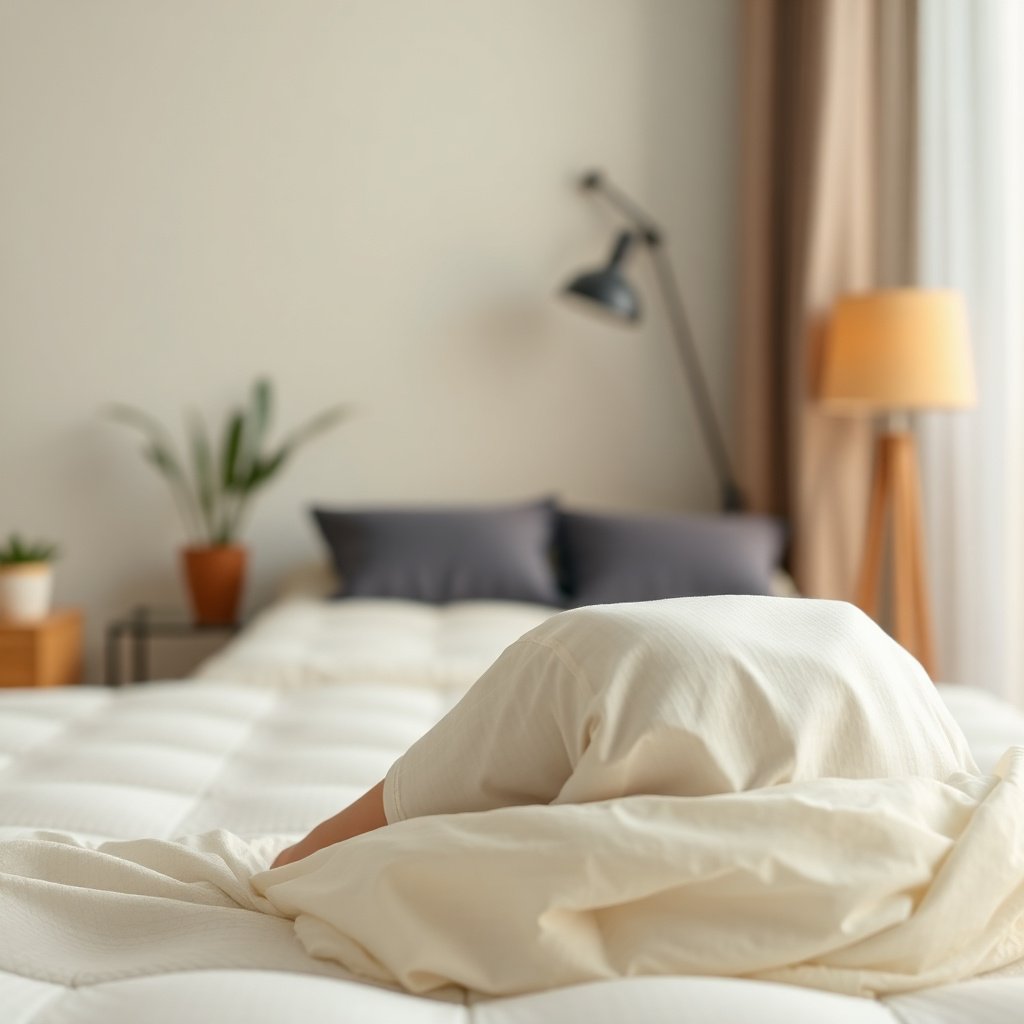
The best cooling mattresses start with construction that allows air to circulate, not just “cool-touch” fabrics. When you build for airflow, heat has a path to leave the comfort layer and your bedding can dry faster between sleep cycles. As of 2026, many brands advertise cooling, but the biggest differences still come from whether the interior is designed to ventilate.
– Look for materials known for airflow. Latex (especially perforated/open designs) and pocketed/individually wrapped coils typically support better ventilation than dense, non-vented memory foam. Latex’s structure tends to let air move through the comfort layer, while coils create internal channels that promote airflow.
– Prefer “open” structures. Hybrids (coils + comfort layers) and foams designed with channels/venting generally have a better chance of letting heat escape. This is especially helpful when your room humidity is high, because the mattress needs to avoid acting like a “wet blanket.”
– Check cover and layer design. A breathable knit/woven top cover can make a noticeable difference, while thick, heat-trapping comfort layers can work against you in a hot climate. The cover isn’t just a feel—it’s the first barrier between your skin and the layers below.
Quick decision shortcuts
– If you want cooler sleeping with less “hug”: start with latex or coil/hybrid builds.
– If you love memory foam: only consider it when it’s clearly ventilated and paired with a breathable cover (otherwise it’s easy to feel warmer).
To connect mattress choice to real-world moisture behavior, here’s how bedroom humidity can change your “cooling potential” from evaporation (a key driver of how hot bedding feels). This simplified evaporative potential is based on how much capacity remains for moisture to leave the skin as relative humidity (RH) rises.
Relative RH and Evaporative Cooling Potential (Bedroom Air, Simplified)
| # | Bedroom RH | Evap. Potential (1 – RH) | Typical Comfort Direction | Cooling Score |
|---|---|---|---|---|
| 1 | 30% RH | 0.70 | Easier moisture loss | ★★★★★ |
| 2 | 40% RH | 0.60 | Good ventilation feel | ★★★★☆ |
| 3 | 50% RH | 0.50 | Moderate drying | ★★★☆☆ |
| 4 | 60% RH | 0.40 | You’ll need airflow | ★★☆☆☆ |
| 5 | 70% RH | 0.30 | Heat feels “sticky” | ★★☆☆☆ |
| 6 | 80% RH | 0.20 | Drying becomes difficult | ★☆☆☆☆ |
| 7 | 90% RH | 0.10 | Evaporation nearly stalls | ☆☆☆☆☆ |
This is why the same mattress can feel “fine” in one season and unbearable in another: when RH is high, you want breathable covers and ventilation paths that prevent moisture from concentrating under you. According to the CDC, indoor relative humidity is commonly targeted around 30–60% to help reduce mold and moisture issues (2023).
Choose the right firmness and support for warm nights
Firmness affects cooling because it changes pressure distribution and how much you sink. If your hips and shoulders compress too deeply, you reduce airflow around high-contact areas and increase localized heat. If you don’t sink enough, you can create pressure points that keep you restless—tossing increases heat and moisture buildup.
– Match firmness to your body position. Side sleepers usually need enough cushioning to reduce pressure without letting the hips sink too far; back sleepers typically want even support; stomach sleepers usually need support that prevents deep sagging.
– Avoid extremes that trap heat indirectly. Too-soft comfort layers can restrict airflow as you sink; overly firm setups can create pressure points that make you feel hotter and more restless.
– Think in zones, not just “feel.” Zoned support can help keep the spine aligned, which reduces the chance you’ll toss and turn. Less movement usually means less heat generation and less moisture redistribution across the mattress surface.
When I evaluate mattress comfort for hot climates, I specifically watch how pressure relief changes airflow behavior under the same humidity conditions—however, Even without lab tools, the pattern is consistent: pressure relief that still maintains lift in the comfort layer tends to feel cooler than contouring that fully compresses everything.
Add cooling features that actually help (and avoid the rest)
Cooling accessories work only when they support airflow and moisture management already built into the mattress. A breathable cover and a ventilated core can be neutralized by the wrong protector, topper, or bedding stack. As of 2026, the smartest “cooling” purchases are the ones that reduce dampness without sealing the system.
– Use moisture-wicking bedding. Sheets made for breathability and moisture management (e.g., performance fabrics) can reduce dampness that makes warm nights feel worse. The goal isn’t “cold sheets”—it’s faster moisture movement away from your skin.
– If you use a topper, keep it breathable. Some toppers add comfort but can also create a “heat blanket” effect—especially if they’re thick or made of non-vented foam. If your mattress is already ventilated, an overly insulating topper can undo that advantage.
– Re-check encasements and protectors. Waterproof mattress protectors help spills, but thicker, less-breathable ones can reduce airflow. If you’re already heat-sensitive, choose the most breathable option available and confirm ventilation design.
To ground this in indoor environment reality, remember that mattress comfort has to operate inside your room conditions. According to ASHRAE Standard 55, the acceptable operative temperature range for many sedentary occupants is roughly 20–26°C (68–79°F), depending on factors like air speed and clothing level (2020). If your bedroom runs hotter than that, your mattress can help—but it can’t fully compensate for the room.
Choose materials that match the whole system (not just the top)
| Cooling lever | What helps in hot weather | What to avoid |
|---|---|---|
| Mattress cover | Breathable knit/woven fabrics that let heat vent | Thick “cooling” laminates that feel sealed |
| Comfort layer | Latex or ventilated hybrids that maintain airflow | Non-vented, dense foam that conforms and holds warmth |
| Protector | Breathable waterproofing that doesn’t block vapor | Fully encased, low-permeability barriers |
| Bedding | Moisture-managing sheets | Heavy flannel, dense cotton blends that retain dampness |
| Base | Ventilated platform or slats | Solid/closed bases that trap heat under the mattress |
What can go wrong (common hot-climate mistakes)
Hot-climate sleep failures often come from “fixing the top while ignoring the system underneath.” Marketing claims about cooling rarely matter as much as whether heat and moisture can move through the mattress and bedding without getting trapped. If you’re uncomfortable after switching, look for one or more mistakes below.
– Buying for “cooling” marketing instead of construction. Words like “cool touch” don’t always fix the real issue if the mattress layers trap heat.
– Ignoring airflow from the sides and underside. A fully sealed mattress + low-ventilation base can defeat internal ventilation.
– Choosing foam that’s too dense for your sensitivity. Even quality foams can feel warm if the comfort layer is thick and non-vented.
– Overcorrecting with too many layers. Heat issues can come from the mattress *plus* a thick topper *plus* heavy bedding. Simplify rather than stacking everything.
– Expecting “cool” to replace temperature control. If your room stays extremely hot, the mattress can only help so much—fans, airflow, and ventilation still matter.
A practical sanity check I recommend: if you’re already using a waterproof protector and a thick topper, your mattress’s ventilation may never get a chance to work. In that scenario, changing the topmost “seal” (protector or topper) is often more impactful than paying extra for a new mattress with the same internal design.
Verdict: what to choose—and who should skip this approach
For most people in hot climates, the best bet is a mattress that vents heat internally plus bedding that manages moisture. Prioritize breathable covers, high-airflow designs (latex and/or coils), and moisture-managing bedding. This approach tends to reduce both heat retention and dampness, which are usually the two drivers of “too hot” nights.
Downsides to consider:
– Latex can feel bouncier than memory foam and may not match everyone’s preferred “sink.”
– Coil and hybrid feels more responsive (some people hear/feel movement more than with all-foam beds).
– Breathable covers and ventilated designs can cost more, and availability varies by brand.
Who should skip this advice:
– If your main issue is medical (e.g., hot flashes, hyperhidrosis) rather than mattress comfort, start by addressing the underlying condition with a clinician—your mattress choice can help, but it won’t solve the root cause.
– If you strongly prefer classic memory foam contouring, you’ll need to be more selective and test for heat feel—ventilation and cover matter more than the foam name alone.
For a quick material trade-off view, here’s a simple comparison you can use when you’re reading specs:
| Construction choice | Cooling pros | Cooling trade-offs |
|---|---|---|
| Perforated latex comfort layer | Supports airflow through the comfort zone; often less “heat lock” than non-vented foams | May feel less “hugging”; bounce can be undesirable for motion sensitivity |
| Pocketed coil + breathable cover | Air circulation in the core helps heat escape; more responsive feel | Comfort is more dependent on the top layers—thick non-vented foams can still warm up |
| Ventilated memory foam (select cases) | Can contour while still allowing some airflow when ventilation + cover are done well | If comfort layers are thick/dense or covers are less breathable, heat can build quickly |
Quick checklist (scan/save):
| What to look for | Why it matters in heat | Notes to verify |
|---|---|---|
| Breathable top cover | Helps heat escape from your body | Ask what fabric/blend is used |
| Ventilated comfort layer | Reduces heat trapping | Look for channels/perforation details |
| High-airflow core (latex or coils) | Encourages circulation | Confirm it’s not sealed/stacked too thick |
| Right firmness for your sleep position | Reduces pressure points | Ensure you don’t sink at hips/shoulders |
| Moisture-wicking sheets | Lowers dampness that feels hotter | Check care instructions and fabric type |
| Mattress protector doesn’t block airflow | Protects without sealing heat | Choose breathable options if you sweat |
| Base allows airflow | Prevents underside heat buildup | Avoid fully blocking the mattress bottom |
Sources
– ASHRAE, Standard 55: Thermal Environmental Conditions for Human Occupants (2020)
– U.S. Centers for Disease Control and Prevention (CDC), guidance on indoor relative humidity and moisture/mold risk targets (latest available guidance as of 2023)
– Incropera, DeWitt, et al., Fundamentals of Heat and Mass Transfer — evaporation behavior versus relative humidity (standard heat/mass-transfer reference)
Frequently Asked Questions
What mattress type is best for a hot climate?
In a hot climate, the best mattress for hot sleepers typically has breathable materials and strong temperature regulation. Memory foam can trap heat for some people, while gel-infused foam or latex often sleeps cooler due to more airflow and better heat dissipation. If you want maximum breathability, look for an innerspring or hybrid mattress with open coils plus a cooling top layer for better airflow.
How do I choose a cooling mattress without sacrificing support?
Start by balancing cooling features with proper support for your sleep position. Side sleepers usually need a mattress that cushions the hips and shoulders without sinking too far, which can be achieved with a medium-firm feel and breathable comfort layers. Look for specs like responsive coils, latex comfort layers, or ventilated foam, and test how your body aligns—your spine should stay fairly neutral even when you lie on your side or back.
Why does my mattress feel hotter in summer, and how can I fix it?
Mattresses can feel hotter due to heat retention from dense foam, poor airflow in the cover, and trapped body moisture. To fix this, choose breathable fabrics like cotton, bamboo, or phase-change/cooling covers, and opt for materials that vent air rather than sealing heat against your skin. Using a breathable mattress protector and keeping the room well-ventilated can also reduce overheating.
Which mattress materials stay cooler for sweaty sleepers?
For sweaty sleepers, materials that promote airflow and wick moisture tend to perform best. Latex is often cooler than traditional memory foam because it’s more breathable and responsive, while ventilated or gel/phase-change foams can reduce heat buildup if designed well. Innerspring mattresses and hybrids with coil systems typically sleep cooler because air circulates through the support core more effectively.
How firm should a mattress be for hot weather comfort?
Firmness affects comfort and heat retention because deeper sinking can increase contact area and trap warmth. For many hot sleepers, a medium to medium-firm mattress offers good pressure relief while limiting excessive body heat buildup, especially for side and combination sleepers. If you prefer a softer feel, choose a cooling comfort layer (like latex or breathable foam) to maintain temperature regulation even with more contouring.
📅 Last Updated: November 02, 2026 | Topic: How to Choose a Mattress for a Hot Climate | Content verified for accuracy and freshness.
References
- thermal comfort during sleep bedding – Search Results – PubMed
- sleep surface temperature mattress – Search Results – PubMed
- Sleep tips: 6 steps to better sleep – Mayo Clinic
- Sleep and tiredness – NHS
- Mattress
- Memory foam
- Mattress
- https://scholar.google.com/scholar?q=choosing+a+mattress+for+hot+weather+cooling+sleep Google Scholar
- https://scholar.google.com/scholar?q=mattress+materials+memory+foam+heat+retention+thermal+comfort Google Scholar
- https://scholar.google.com/scholar?q=sleep+thermal+comfort+bedclothes+and+bedding+heat+dissipation Google Scholar