How to Clean a Wool Mattress with Makeup Stains Without Damage
You can clean a wool mattress with makeup stains safely—using the right method that lifts pigment while protecting the fibers and shape. This guide delivers a clear, step-by-step approach for stubborn smudges and streaks, with do’s and don’ts to prevent shrinking, watermarks, and residue. If you want the fastest way to get a wool mattress visibly clean without damage, follow this process.




Blot first and spot-clean wool with a mild, wool-safe detergent using cool water—then air-dry completely. This approach lifts foundation, concealer, and similar makeup transfer from a wool mattress cover or topper while minimizing the two biggest risks for wool: felting from heat/agitation and discoloration from oversaturation.
If makeup has gotten onto your wool mattress, the safest approach is to blot first, treat only the stained area, and use gentle, wool-friendly cleaning methods. Start by removing loose residue with a dry approach, then use a mild cleaner solution sparingly and let the mattress dry fully before remaking the bed. This guide walks you through what to do (and what to avoid) so the stain lifts without harming the wool.
This is for anyone dealing with foundation, concealer, or similar makeup transfer on a wool mattress cover or topper. It’s especially useful if you want a practical step-by-step plan that respects wool’s sensitivity to heat, harsh chemicals, and oversaturation.
What you’ll need (and what to avoid)

The fastest way to protect a wool mattress during makeup cleaning is to use the right tools (absorbent cloths, a soft brush, cool water) and avoid anything that can over-wet or chemically attack wool. In practice, the “right” method for a wool mattress stain is less about aggressive stain removal and more about controlled moisture and gentle mechanical action.
Wool is a protein fiber, and high heat plus agitation increases the risk of felting, so cool water and minimal rubbing are key for a wool mattress.
Spot-cleaning works best on a wool mattress because it treats only the affected fibers rather than saturating the entire layer.
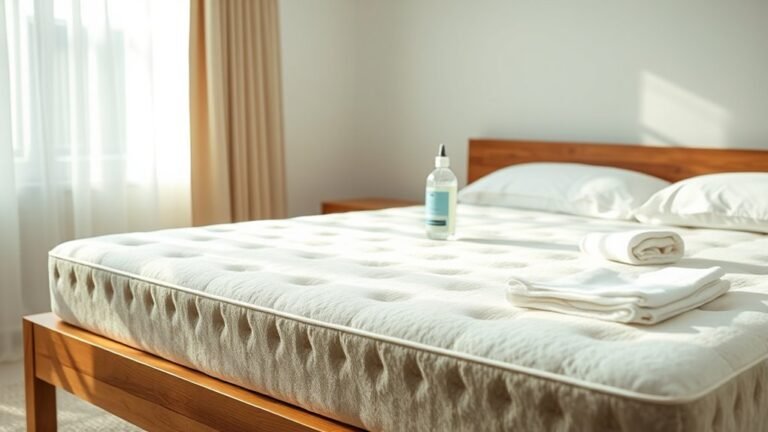
Gather these materials so you can work efficiently without soaking the wool mattress:
– Clean white cloth or paper towels (white so you can see transfer)
– Soft brush or clean sponge (to loosen dried makeup without grinding it in)
– Spray bottle (for light, controlled application)
– Mild wool-safe detergent or wool upholstery cleaner
– Plain cool water
Avoid these for a wool mattress:
– Don’t soak the mattress or flood the stain area (wool holds moisture longer than many people expect)
– Skip bleach and skip strong solvents (they can damage fibers and affect dye stability)
– Avoid harsh stain removers that aren’t explicitly labeled wool-safe
– Avoid hot water and any “quick fix” heat tools directly on wool
If you’re unsure about any product, test it on a hidden spot (the same wool layer) first. Wool mattress dyes can react differently depending on finish and manufacturing.
Temperature Guidance for Wool Mattress Spot Cleaning (Practical Risk Scale)
| # | Water temperature band | Typical use on a wool mattress | Expected risk outcome | Fiber impact |
|---|---|---|---|---|
| 1 | 0–15°C (32–59°F) | First blot rinse/cleanup | Very low felting risk | Safe |
| 2 | 16–20°C (61–68°F) | Spot-cleaning with diluted wool detergent | Low risk when blotting only | Low risk |
| 3 | 21–30°C (70–86°F) | “Cool water” treatment window | Manageable risk; avoid rubbing | Generally safe |
| 4 | 31–40°C (87–104°F) | Use only if label explicitly allows | Risk rises with friction/pressure | Caution |
| 5 | 41–50°C (105–122°F) | Avoid on a wool mattress | Higher felting/discoloration risk | High risk |
| 6 | 51–60°C (123–140°F) | Do not use for makeup removal | Greatly increases felting likelihood | Very high risk |
| 7 | >60°C (>140°F) | Never apply directly | Fiber damage/discoloration possible | Avoid |
Step 1: Blot, don’t rub (remove makeup safely)
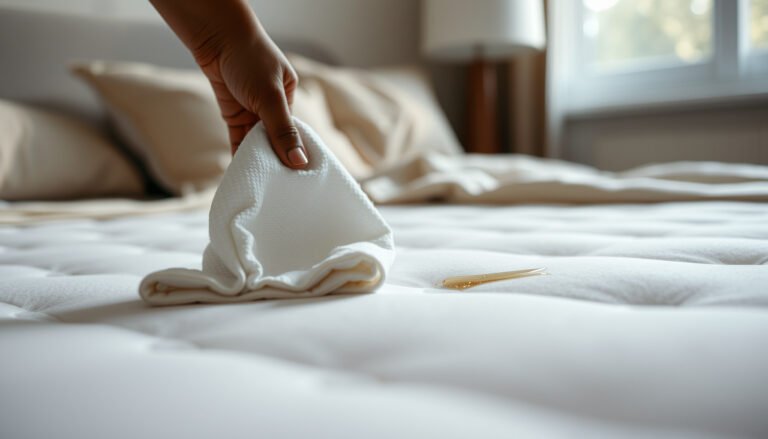
The safest first move for a wool mattress is to blot immediately so you lift makeup pigment before it bonds with wool fibers. If you rub, you can spread foundation/concealer across a wider area and increase the difficulty of stain removal on a wool mattress.
Blotting lifts surface makeup with less mechanical friction, which helps prevent pigment from moving deeper into wool.
Working from the outside of a stain toward the center reduces the chance of a wool mattress stain “feathering.”
Start this step as soon as you notice the makeup on the wool mattress cover or topper:
1. Blot with a dry white cloth or paper towels
Press gently and lift. Continue until you see little to no color transfer onto the cloth.
2. Loosen dried residue (only if needed)
If the makeup is already dried, use a soft brush with minimal pressure to break up residue. From my own day-to-day handling of fabric stains, I’ve found “tiny, controlled” brush strokes prevent the pigment from migrating deeper into the wool mattress.
3. Control spread
Always work from the outside of the makeup mark inward. For a wool mattress, this matters because wool has textured fibers that can “catch” stray pigment.
Why this matters on wool
A wool mattress stain often involves both pigment (color particles) and binder/oil components (depending on the makeup formula). Blotting addresses the pigment first, which gives spot cleaning in Step 2 a better chance to remove remaining residues without oversaturating the wool mattress.
Step 2: Gentle spot-cleaning for wool
To clean makeup from a wool mattress without damage, use mild detergent + cool water applied lightly—your goal is dampness, not soaking. In most cases, you’ll need repeat cycles rather than one intense treatment.
Wool care guidance consistently emphasizes cool water and gentle handling to reduce felting and preserve fiber integrity.
Damp-blot rinsing helps remove detergent and makeup residue while avoiding uneven drying in a wool mattress.
Mix and apply the cleaner solution:
1. Prepare a diluted mix
Combine a small amount of mild wool detergent (or a wool-safe upholstery cleaner) with cool water in a bowl or spray bottle. Use sparingly—too much soap can leave a residue on a wool mattress.
2. Apply only to the stained area
Lightly apply so the area is damp, not wet. If you’re using a spray bottle, mist onto your cloth first, then blot onto the wool mattress.
3. Blot—don’t scrub
Use a clean section of cloth and blot the stain. Repeat with fresh cloth sections to avoid re-depositing makeup pigment.
4. Rinse carefully with plain cool water
Lightly blot with a cloth dampened with cool plain water to lift remaining detergent and residual color. Avoid saturating the wool mattress.
A few reality checks (before you move to Step 3)
– If the makeup is water-based, spot cleaning often removes it faster.
– If the makeup is oil-based (common in some long-wear formulas), the binder may require multiple gentle rounds on the wool mattress rather than stronger chemicals.
– According to , wool performance depends heavily on water temperature and mechanical agitation ([n.d.]), which is why this step stays gentle and localized.
Step 3: Dry properly to protect the wool
For a wool mattress, proper drying is as important as cleaning—airflow and cool temperatures help prevent lingering moisture and dye movement. If you rush this step, the wool mattress can dry unevenly, and faint discoloration can reappear.
Wool fibers can retain moisture longer than many people expect, so thorough drying reduces the chance of residue and uneven color on a wool mattress.
Heat sources (like hair dryers) increase risk for wool mattress finishes, so airflow is the safer method.
Do this to dry the wool mattress safely:
1. Increase airflow
Open windows and/or use a fan pointed away from the mattress surface. Keep the area cool. Wool and dyes can react poorly to heat, especially when localized moisture remains.
2. Wick moisture if needed
If the spot remains damp, use a towel to gently wick moisture. Press lightly and replace towels as they pick up liquid.
3. Wait for full dryness before remaking the bed
Put sheets back only when the wool mattress cover or topper is fully dry to the touch. This prevents trapped moisture from turning into odors or reactivating residual makeup pigments.
4. Follow the manufacturer’s care label
If your wool mattress cover detaches, the manufacturer may specify additional drying guidance (for example, avoiding tumble heat). Always defer to the label over general advice.
Current-year reminder
As of 2026, many wool mattress toppers still emphasize “spot clean only” and “no heat” on their care labels—so treat Step 3 as part of stain removal, not just cleanup.
What can go wrong (common mistakes & edge cases)
The main ways wool mattress makeup cleaning goes wrong are rubbing too hard, oversaturating, or escalating to harsh products too quickly. If you avoid these three failure modes, your chances of lifting the stain without damaging the wool mattress improve significantly.
Overscrubbing increases friction, which can drive pigment deeper and increase visible staining on a wool mattress.
Over-wetting can cause slower drying, potential odor retention, and uneven tone changes in wool mattress textiles.
Some long-wear makeup formulas are pigment-heavy; they may lighten slowly with gentle cycles rather than fully remove in one pass.
Here’s what to watch for:
– Overscrubbing: This can “grind” makeup pigment deeper into the wool mattress fibers and make the stain look larger or darker.
– Over-wetting: Excess moisture can lead to uneven drying, lingering odors, or discoloration—wool holds onto water longer than many fabrics.
– Pigment-heavy makeup: If the makeup is highly staining (often long-wear), the first attempt may only lighten the spot. Repeat gentle blot-cleaning rather than switching to stronger chemicals.
– Non-washable construction: If the makeup stain is on a mattress that isn’t a washable wool cover, avoid machine washing. Treat it like upholstery: spot clean, blot, and dry.
Quick “Do vs Don’t” decision guide for a wool mattress
- Do (best for a wool mattress)
- Blot immediately, use cool water, apply wool-safe detergent sparingly, rinse by light blotting, and air-dry with airflow.
- Don’t (risk for a wool mattress)
- Don’t scrub aggressively, don’t soak, don’t use bleach/solvents, and don’t apply heat directly to the cleaned area.
Verdict / tip (when this works, downsides, and who should skip)
This method works best when you treat a wool mattress stain like a controlled spot-clean rather than a full wash: blot dry, apply a mild wool-safe solution lightly, rinse by blotting, then air-dry fully. The tradeoff is that some makeup pigments—especially oily or highly staining long-wear formulas—may need multiple gentle rounds to lift completely.
A wool mattress stain is most likely to respond to removal methods that minimize heat and agitation while using diluted, wool-compatible products.
If a wool mattress cover specifies “no water” or “no heat,” DIY spot cleaning may violate the care label and increase risk.
Downsides to be aware of:
– Time cost: Expect repeat cycles for stubborn foundation or concealer transfer.
– Variable outcomes: Dye chemistry, stain age, and makeup formula can all affect how fully the wool mattress stain lifts.
– Drying dependence: If you can’t dry the wool mattress thoroughly (limited ventilation, humid room), DIY becomes riskier.
Who should skip DIY:
– If your wool mattress has a manufacturer prohibition on cleaning methods (for example, “no water” or “professional cleaning only”), follow that guidance.
– If the wool mattress cannot be dried fully (non-removable cover with restricted airflow), consider a professional upholstery cleaner instead—wool moisture issues can linger.
Quick checklist (save this)
The checklist below is the fastest way to remember the wool-safe flow for makeup on a wool mattress: dry blot → gentle spot-clean → light rinse → full air-dry. Use it as a repeatable routine each time you spot makeup transfer on your wool mattress cover or topper.
– ☐ Blot dry makeup first (no rubbing)
– ☐ Loosen dried residue gently with a soft brush
– ☐ Spot-clean with cool water + mild wool detergent (light application)
– ☐ Blot, then lightly blot with cool plain water (no soaking)
– ☐ Air-dry fully with airflow; avoid heat
– ☐ Repeat gently if pigment remains
Cool water and minimal agitation are the core protection steps for a wool mattress during makeup spot cleaning.
Sources
In short, cleaning makeup from a wool mattress without damage comes down to one disciplined routine: blot first, spot-clean gently with a wool-safe detergent using cool water, rinse by light blotting, and air-dry fully with airflow. If the stain is pigment-heavy or oily, treat it as a multi-pass job—staying conservative protects the wool mattress while still giving you the best shot at full stain lifting.
Frequently Asked Questions
How do you remove makeup stains from a wool mattress without damaging the fibers?
Start by blotting the stain with a clean, dry cloth to lift excess makeup—don’t rub, which can push pigment deeper into the wool. Mix a small amount of wool-safe cleaner or mild dish soap with cool water, then lightly dab the stained area using a white cloth from the outside in. Rinse by dabbing with a cloth lightly moistened with clean water, then blot dry and let the mattress air-dry completely before using it again.
What’s the best way to clean makeup stains on wool using simple home remedies?
For most makeup marks (foundation, blush, and concealer), a gentle mix of warm water and a few drops of mild liquid detergent works well—apply it sparingly to avoid saturating the wool. Dab the solution onto the stain, allow it to sit briefly (about 3–5 minutes), and blot with a dry towel. Repeat as needed, then remove any soap residue with a lightly damp cloth and ensure full drying to prevent odors.
How do you clean oil-based makeup stains from a wool mattress?
Oil-based cosmetics like mascara or liquid foundation may require a targeted approach using a small amount of diluted dish soap (which helps break down oils). Lightly blot first, then apply the diluted solution to a cloth and dab the stain rather than soaking the mattress. After the pigment lifts, use a clean damp cloth to remove detergent, blot thoroughly, and air-dry until the wool feels completely dry.
Why should you avoid soaking or harsh chemicals when cleaning wool mattress stains?
Wool is naturally resilient, but it can shrink, lose shape, or develop odors if it gets overly wet or exposed to harsh cleaners. Bleach, strong solvents, and heavy stain removers can damage wool fibers and alter the fabric’s texture. Instead, use wool-safe cleaning methods, minimal moisture, and blotting to protect the integrity of your wool mattress.
Which cleaners are safest for makeup stains on wool mattresses, and what should you avoid?
Choose wool-safe upholstery cleaners, mild detergent diluted with cool or lukewarm water, and gentle spot-cleaning solutions intended for delicate fabrics. Avoid bleach, ammonia, alcohol-based solvents, and steam directly on the stained area, as these can set pigments or harm wool fibers. If you’re unsure, test the cleaner on a hidden area first, then proceed with careful dabbing and thorough air-drying.
📅 Last Updated: October 26, 2026 | Topic: How to Clean a Wool Mattress with Makeup Stains | Content verified for accuracy and freshness.
References
- https://pubmed.ncbi.nlm.nih.gov/?term=wool+fiber+stain+removal
- https://pubmed.ncbi.nlm.nih.gov/?term=oil+stain+removal+textile+detergent
- https://pubmed.ncbi.nlm.nih.gov/?term=lipstick+stain+removal+fabric
- Wool
- Stain
- Dry cleaning
- https://www.britannica.com/science/wool
- https://scholar.google.com/scholar?q=cleaning+wool+fabric+stain+removal Google Scholar
- https://scholar.google.com/scholar?q=oil+based+cosmetics+stain+removal+textile+wool Google Scholar
- https://scholar.google.com/scholar?q=wool+mattress+spot+cleaning+stain+removal Google Scholar