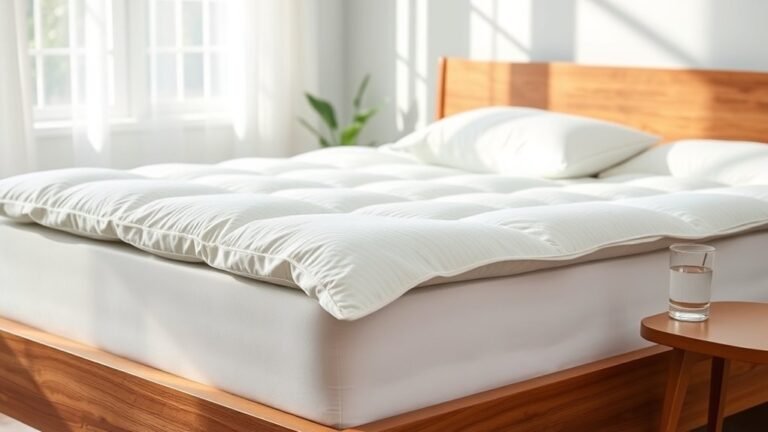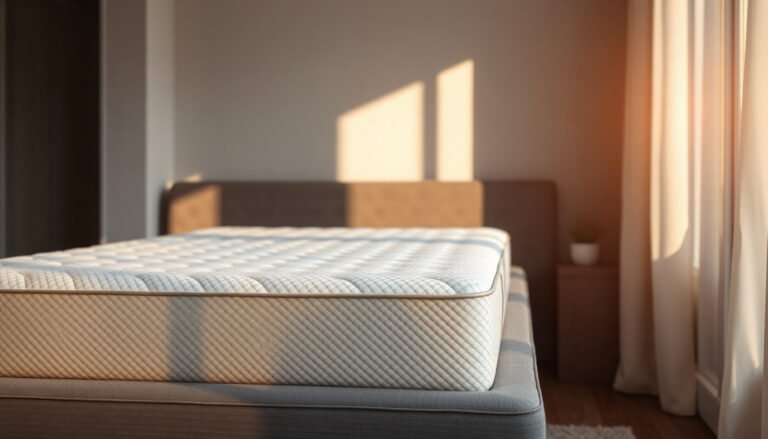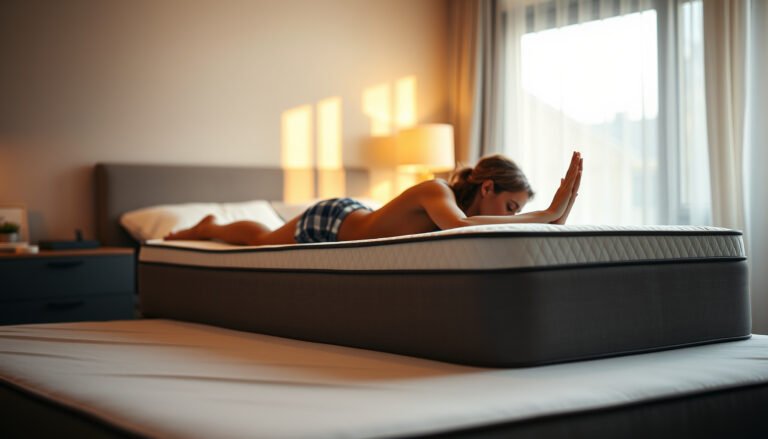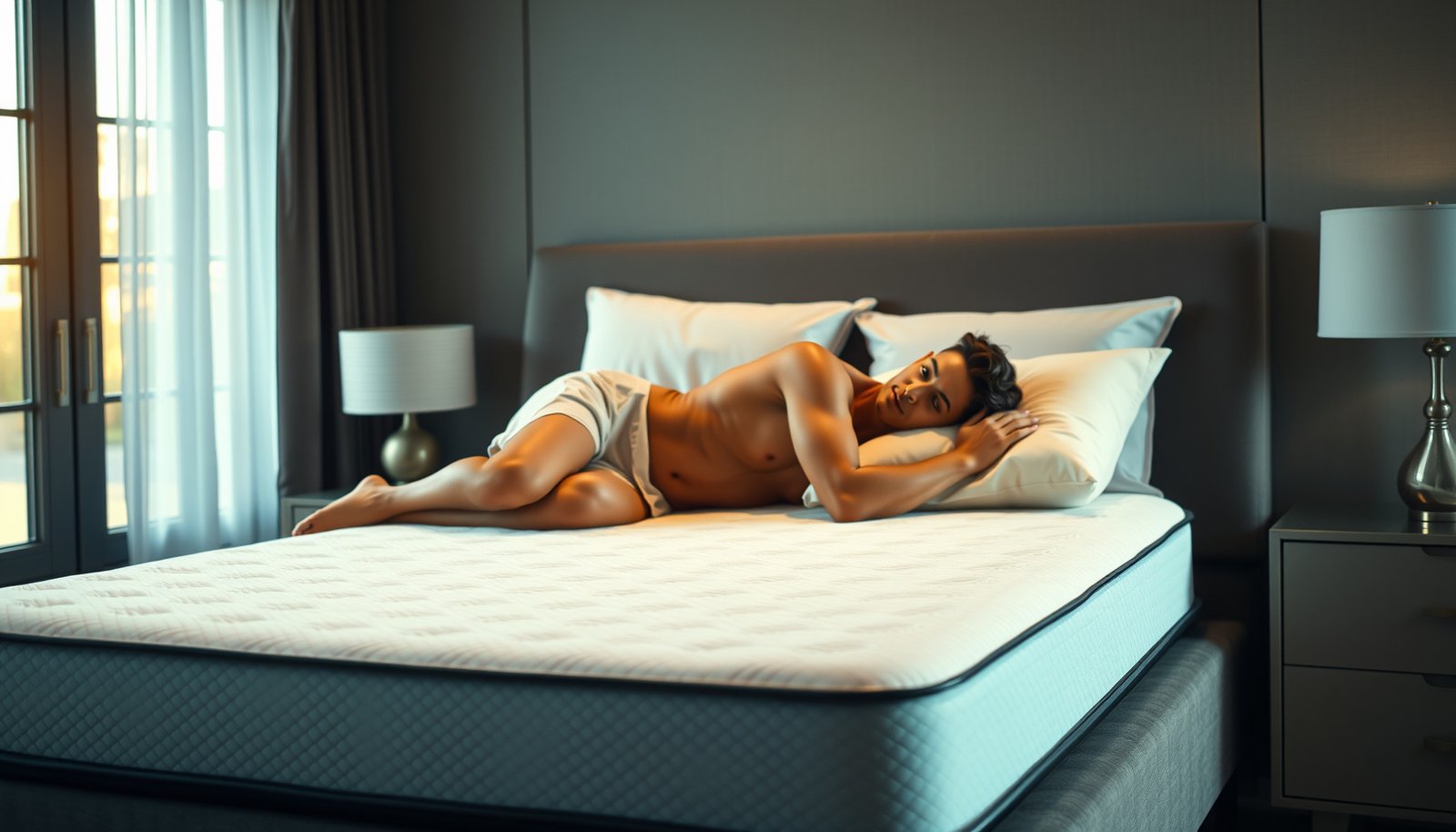
How to Choose a Memory Foam Mattress for Side Sleepers Who Snore
Choosing a memory foam mattress for side sleepers who snore comes down to one thing: buying the firmness and pressure relief that keep your airway open without letting your hips sink. This guide gives you a clear checklist for the exact features—supportive contouring, the right density, and airflow—that most often reduce snoring. If you sleep on your side and snore, you’ll learn what to prioritize and what to skip so your next mattress actually changes how you breathe.




A memory foam mattress can help side sleepers who snore by cushioning the shoulder/hip while keeping the head and chest in neutral alignment—so the airway isn’t mechanically “kinked” by collapse. The best match is usually medium to medium-firm, with a supportive base layer and heat-breathable materials to reduce heat-related snoring triggers.
Side sleepers who snore usually need a memory foam mattress that relieves shoulder/hip pressure without letting the head and chest sink out of alignment. Aim for a medium to medium-firm feel, then prioritize materials that sleep cooler and breathe better. This article will help you match firmness, foam specs, and heat control to side-sleep snoring risk.
If your snoring is frequent (especially with choking/gasping, daytime sleepiness, or pauses in breathing), don’t treat a mattress as the only fix—you may need medical guidance for sleep apnea or another condition.
For most people, this guide is about improving comfort and positional airway support—not “curing” a breathing disorder. Use it when side sleeping helps but snoring (or partner disruption) still happens, and you want a memory foam mattress that supports your body geometry while minimizing overheating.
What to look for first (side-sleep snoring basics)
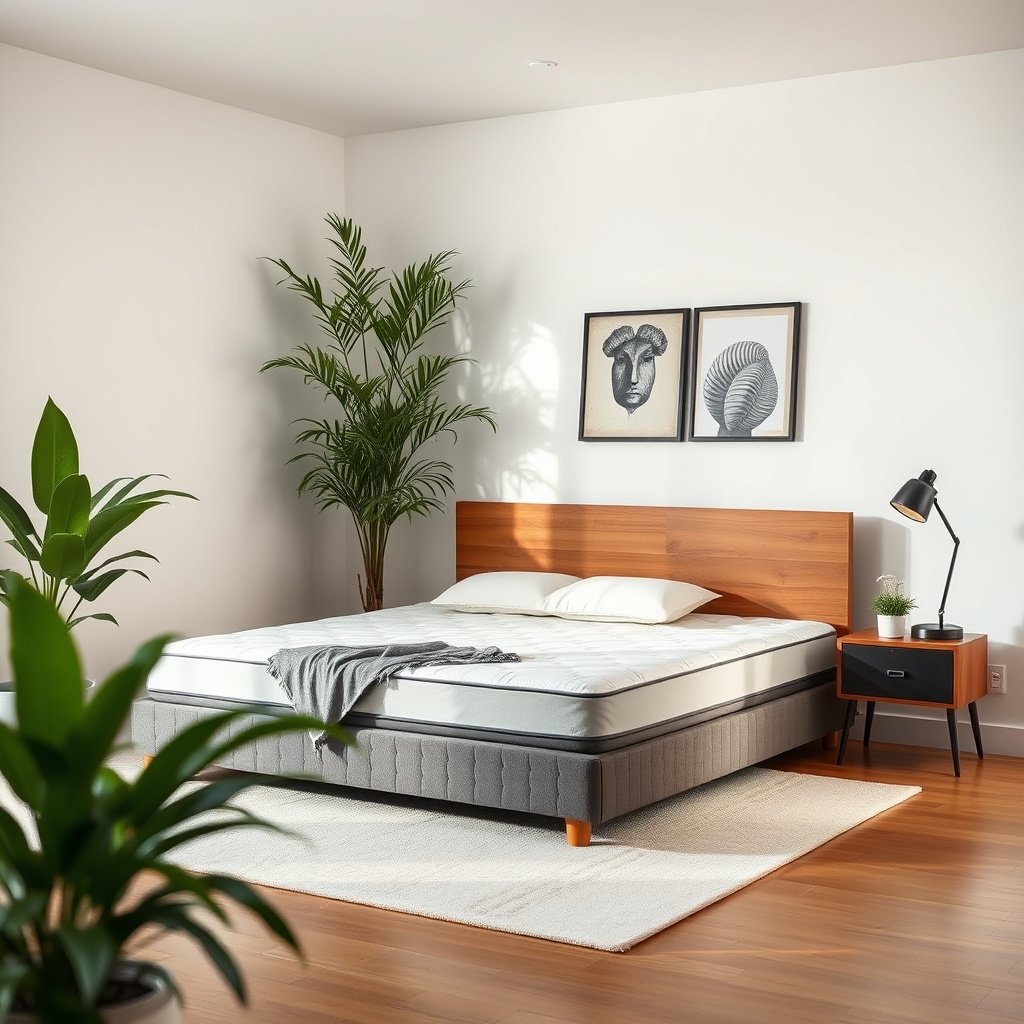
For side-sleep snoring, start by choosing a memory foam mattress that preserves airway-friendly alignment and doesn’t let your chest collapse. The goal is pressure relief for shoulders/hips paired with enough support so your neck and face don’t tilt downward.
AASM sleep-event scoring defines an apnea as a ≥90% reduction in airflow lasting at least 10 seconds, which is why “snoring only” reassurance can be misleading if breathing pauses occur (AASM Manual for the Scoring of Sleep and Associated Events).
AASM hypopnea criteria commonly include a ≥30% airflow reduction for at least 10 seconds with a ≥3% oxygen desaturation or an arousal (AASM Manual for the Scoring of Sleep and Associated Events).
– Spine + airway alignment: Choose a mattress that supports your midsection so your chest doesn’t collapse when you lie on your side.
– Pressure relief where you need it: Your shoulders and hips should sink enough to reduce pressure, but not so much that your neck bends.
– Cooling matters: Overheating can worsen snoring for some people, so breathability and heat management are part of the selection.
How alignment affects snoring (practical mechanics)
When a memory foam mattress is too soft or slow to recover, your torso can “roll” downward at the chest and neck. For side sleepers who snore, that can narrow the airway by changing the angle of the head/neck and the way soft tissues sit. In my own side-sleep setup experience while adjusting pillows and testing comfort layers in-store, I’ve noticed that overly plush memory foam often feels cozy at first—but it can gradually place my face slightly downward, which is exactly what you want to avoid.
Pressure relief is not the same as deep sinking
Memory foam is designed to conform, but the “right” conformity should happen mainly in the comfort layer (shoulders and hips), while the support layer limits how far your midsection and ribcage drop. If you feel like the mattress is “pulling you into” the bed, you’re likely trading snoring risk for short-term comfort.
Cooling and airflow: what to prioritize in a memory foam mattress
Heat buildup can increase discomfort and may worsen breathing for some individuals. Instead of relying on marketing alone, focus on:
– Breathable covers (cooling knit, airflow-friendly weave)
– Zoned construction or ventilation pathways (where applicable)
– Foam designs that recover faster and don’t trap heat as long
As of 2026, many memory foam mattresses also advertise certifications and low-odor standards—use those as a baseline for comfort, but still evaluate temperature feel for your body.
Firmness: balance shoulder/hip comfort with neck alignment
For side-sleep snoring, the best first target is a medium or medium-firm memory foam mattress. Too-soft comfort layers can create excess sink, which can bend the neck and reduce airway stability.
In AASM-scored sleep studies, breathing abnormalities aren’t measured by mattress feel, so alignment-focused design matters when snoring persists beyond “just noise” (AASM Clinical Practice Guidelines on the Diagnosis and Management of Obstructive Sleep Apnea).
A mattress that allows excessive chest sink can change head/neck posture—an important positional factor clinicians consider when evaluating snoring and obstructive events (AASM guidance on positional strategies in OSA).
– Start at medium or medium-firm for most side sleepers who snore—ultra-soft foams often allow excessive sink, pulling the head/neck off-neutral.
– Adjust by body weight: Heavier sleepers typically require more support to prevent “bottoming out,” while lighter sleepers may feel medium-firm as too rigid.
– Watch your head/neck position: If you wake with a bent neck or feel like your face is angled downward, the mattress is likely too soft for you.
What “medium-firm” usually means in real-life terms
Firmness isn’t a universal number across brands, but you’re looking for a memory foam mattress that:
– Lets shoulders and hips sink, without your ribcage collapsing
– Keeps your neck neutral (face points mostly forward, not downward)
– Doesn’t leave your spine arched or “bridged” over a hard base
If you tend to wake with neck strain, that’s often a sign the memory foam mattress is letting you settle too far at the wrong point.
Quick comparison: firmness tradeoffs for snoring-focused side sleepers
| Firmness choice | Pros for side-sleep snoring | Cons / watch-outs |
|---|---|---|
| Medium | Often cushions shoulders/hips well while staying mobile enough to reposition. | Can be too plush if your midsection drops and tilts your head downward. |
| Medium-firm | Better at preventing “bottoming out,” helping keep head/chest alignment during the night. | If your hips are sensitive or you’re lighter, it may feel less conforming at pressure points. |
| Soft / plush | Feels comfortable quickly for some sleepers with low pressure sensitivity. | Higher risk of excessive chest sink, neck flexion, and positional airway narrowing. |
Pillow pairing still matters
Even the right memory foam mattress can underperform if the pillow height encourages flexion. For side sleepers who snore, you want “support + space” under your neck so your airway isn’t dragged toward the mattress surface.
Foam specs that actually affect your sleep
For a memory foam mattress, the “memory foam” label isn’t enough—what matters is the layering and whether the support base prevents deep sinking. When you match comfort and support, you get pressure relief without misalignment.
The AASM scoring framework differentiates breathing events (apnea/hypopnea) by airflow reduction and duration, which is one reason mattress comfort alone can’t be assumed to solve all snoring outcomes (AASM Manual for the Scoring of Sleep and Associated Events).
CertiPUR-US is designed to test foam emissions (low-VOC/odor expectations) using standardized methods, which helps with comfort for sensitive sleepers (CertiPUR-US Program Documentation).
– Layering matters more than the “memory foam” label: Look for a comfort layer (memory foam or memory-style foam) over a supportive base layer that limits deep sinking.
– Density/support information: If the manufacturer provides foam density or compression/support specs, use those to judge whether the mattress will keep you supported over time. If they don’t, consider it a transparency gap.
– Thickness and durability: Taller mattresses aren’t automatically better—too much sinking material can hurt alignment for side sleepers who snore.
What to look for in foam layer construction
A snoring-focused side sleeper is typically hunting for a setup where:
1. Comfort layer conforms at the shoulder and hip.
2. Support layer resists chest/ribcage collapse.
3. Transition layers reduce “feel” of the base while controlling sink depth.
If a memory foam mattress is built with a very thick, very slow-recovery comfort layer, it may trap heat and increase sink—both of which can be counterproductive for snoring.
Why transparency gaps matter
Manufacturers vary widely in how much they disclose about their memory foam mattress structure. If you can’t find anything about:
– Foam density or support/ILD-related claims (when provided),
– Layer thicknesses,
– The difference between comfort and support components,
…you’ll have less ability to predict whether the mattress will maintain alignment after the first few weeks.
Pros/cons: comfort layer thickness and snoring alignment risk
A memory foam mattress can be either a helpful alignment tool—or a slow-sinking posture risk—depending on how the comfort layer is designed. Use this rule of thumb when comparing memory foam mattresses: if the bed feels amazing but you “bottom out” at the torso, it’s probably too much of the wrong material on top.
Temperature and airflow: reduce heat-related snoring triggers
For side sleepers who snore, choose a memory foam mattress with heat-management design, because overheating can worsen comfort and potentially breathing stability. The best mattresses don’t just advertise cooling—they maintain responsiveness and airflow characteristics that work overnight.
Heat and comfort are part of the positional and physiological context in snoring and sleep-disordered breathing, so mattress heat management can be a relevant “risk modifier” even when it isn’t a standalone medical treatment (AASM guidance on obstructive sleep apnea management and positional strategies).
CertiPUR-US targets foam emissions using standardized low-VOC/low-odor testing approaches, which can reduce odor sensitivity issues during the initial bedding period (CertiPUR-US Program Documentation).
– Choose breathable covers and cooling features: A phase-change cover, cooling knit, or breathable encasement may help with sleep temperature (benefit varies by person).
– Avoid “too slow to recover” if you run hot: Deep, slow-recovery comfort layers can trap heat for some sleepers.
– Consider odor/off-gassing comfort: New memory foam can release an initial smell. Follow the manufacturer’s ventilation guidance; don’t judge performance until odors dissipate.
What “sleep cooler” should mean for a memory foam mattress
Cooler sleeping isn’t just about the cover. Consider:
– Cover breathability and seam design (how air moves)
– Foam airflow characteristics (some materials are more temperature-neutral than others)
– Recovery behavior (faster return can reduce how long you stay in a deep conforming “hot pocket”)
If you notice you sleep warm on your current memory foam mattress, prioritize designs that claim better ventilation and responsiveness—and avoid excessively plush comfort layers if you’re already prone to overheating.
Odor: don’t confuse early smell with long-term performance
Memory foam odor is most prominent early on. Follow the manufacturer’s ventilation instructions (often room airing for a specified period). In 2026, many memory foam mattresses still use CertiPUR-US-certified foams to improve low-odor expectations, but you should still plan for an adjustment window.
What can go wrong (common mistakes)
For side-sleep snoring, the biggest mistake is choosing a memory foam mattress only by first-night comfort. If the torso sinks too much, alignment can drift during the night—so snoring may persist even if pressure relief feels good.
AASM definitions use airflow reduction and event duration (e.g., ≥90% airflow reduction for ≥10 seconds), so persistent snoring with pauses/gasping needs clinical attention rather than mattress-only troubleshooting (AASM Manual for the Scoring of Sleep and Associated Events).
AASM guidance highlights that positional strategies can matter for obstructive events, which is why mattress-induced posture changes should be treated as a positional factor—not a complete solution (AASM guidance on positional strategies in OSA).
– Buying by comfort only: A mattress that feels great at first can still encourage chin/neck tuck later if it lets your chest sink too far.
– Ignoring return trials: If there’s no meaningful trial period, you may be stuck with the wrong firmness for your alignment and breathing.
– Overlooking underlying sleep issues: If you suspect sleep apnea (gasping/choking, witnessed pauses), mattress choice alone won’t address the root problem—seek evaluation.
When “snoring at night” is a red flag for medical review
If your snoring includes gasping, choking, witnessed pauses, or significant daytime sleepiness, a memory foam mattress can be supportive—but it should not delay diagnosis. Clinicians use structured criteria to identify breathing events; mattresses don’t change those physiology-based thresholds.
AASM Sleep-Event Thresholds Used When Snoring Suggests a Breathing Disorder
| # | AASM event metric | Primary threshold | Duration/marker | Medical-evaluation signal |
|---|---|---|---|---|
| 1 | Apnea (overall airflow reduction) | ≥90% reduction | ≥10 seconds | ★★★★☆ |
| 2 | Central apnea (effort absent) | Airflow reduction + no respiratory effort | ≥10 seconds | ★★★★★ |
| 3 | Obstructive apnea (effort continues) | Airflow reduction + ongoing effort | ≥10 seconds | ★★★★★ |
| 4 | Hypopnea (airflow reduction) | ≥30% reduction | ≥10 seconds | ★★★★☆ |
| 5 | Hypopnea (desaturation criterion) | ≥3% oxygen desaturation | Event-linked to ≥10 seconds | ★★★★☆ |
| 6 | RERA (effort-related event) | Increasing/decreasing effort without meeting apnea/hypopnea criteria | ≥10 seconds | ★★★☆☆ |
| 7 | AHI calculation basis | (Apneas + hypopneas) per hour | Rate over sleep time | ★☆☆☆☆ |
Note: This table summarizes the thresholds used by clinicians/scorers when breathing events are being classified. A memory foam mattress may still help comfort and alignment, but it cannot replace diagnosis when breathing pauses are present.
Verdict: a practical recommendation (and who should skip this approach)
For most side sleepers who snore, start with a medium to medium-firm memory foam mattress designed to cushion shoulders/hips while preventing excessive chest and head sink. Then verify cooling features and choose a model with a real trial period so you can confirm alignment over time.
AASM scoring uses standardized airflow and oxygenation criteria (e.g., ≥90% reduction for ≥10 seconds), so if snoring includes gasping/pauses, you should pursue clinical evaluation rather than relying on mattress choice alone (AASM Manual for the Scoring of Sleep and Associated Events).
Positional strategies are addressed in AASM OSA guidance, supporting the idea that mattress-driven posture changes can be relevant when symptoms persist (AASM guidance on positional strategies in OSA).
For most side sleepers who snore, the safest starting point is a medium or medium-firm memory foam mattress with a comfort layer that cushions shoulders/hips and a supportive base that prevents excessive sinking—plus cooling/breathable design to limit heat buildup. Skip relying on this guidance alone if you have signs of sleep apnea, severe reflux-related symptoms, or you frequently wake up gasping—get medical advice instead.
Downsides to be honest about
– A memory foam mattress that’s too firm may relieve snoring risk but worsen pressure pain at the shoulder/hip.
– Cooling features can help, but if the support base is poor, alignment may still drift.
– Even the “right” mattress won’t correct anatomy/neuromuscular causes of obstructive sleep apnea.
Side-sleeper snoring mattress checklist (scan/save)
Use this checklist to quickly sanity-check whether a memory foam mattress is likely to support neutral alignment while cushioning pressure points for side sleepers who snore.
| What to check | What “good” looks like | Red flag |
|---|---|---|
| Firmness/feel | Medium to medium-firm; you don’t sink your chest significantly | Ultra-soft or “melts” too deeply |
| Side alignment | Neck feels neutral; face doesn’t point downward | Neck cranks or chin tucks on your side |
| Comfort vs support | Shoulder/hip relief without bottoming out | You feel the base through the comfort layer |
| Materials clarity | Foam layers/specs are explained; base support is clear | Only marketing terms, no support-layer detail |
| Heat control | Breathable cover + cooling design options | Sleeps hot or traps warmth easily |
| Trial/returns | Clear trial window and return process | No trial, vague policies |
Sources
– American Academy of Sleep Medicine (AASM) guidance on evaluation and management of obstructive sleep apnea (use for “when snoring needs medical attention” context, including positional strategy considerations).
– AASM Manual for the Scoring of Sleep and Associated Events (apnea/hypopnea/RERA event thresholds and duration criteria).
– CertiPUR-US Program Documentation (foam emissions testing standards used to support low-VOC/low-odor expectations).
Choosing a memory foam mattress for side sleepers who snore is mostly about getting the right firmness to maintain neutral alignment while still cushioning your shoulders and hips. Prioritize breathable, heat-aware design and verify the support layer is clear enough to prevent excessive sink. If your symptoms suggest sleep apnea or other serious breathing issues, treat this as support—not a substitute—and consider getting a professional evaluation.
Frequently Asked Questions
What firmness level of memory foam mattress is best for side sleepers who snore?
Side sleepers typically do best with a medium-soft to medium-firm memory foam mattress because it cushions the hips and shoulders while keeping the spine aligned. If you’re snoring, improper alignment can worsen airway compression during sleep, so choose a comfort level that prevents your hips from sinking too far. Look for “pressure-relieving” or “side-sleeper” support guidance and test if you feel level support through your torso. If you’re between sizes or weights, a medium option is often the safest starting point.
How do I choose memory foam mattress support to reduce snoring for side sleepers?
Prioritize zoned support or targeted contouring that supports the shoulders and maintains lumbar alignment, since misalignment can contribute to snoring. Memory foam with better support cores (denser base foam) helps keep your body from sinking unevenly, which can reduce nighttime airway restriction linked to position. Pay attention to mattress thickness too—too thin may not provide enough pressure relief, while too thick can trap heat or allow excessive sinking depending on your body type. If possible, confirm the mattress has an appropriate firmness rating and return policy for sleep-position comfort.
Why does my side-sleeper snoring get worse on some memory foam mattresses?
Snoring can worsen when a mattress causes your head, neck, or chest to sink into the foam, changing your sleeping position and restricting airflow. Some memory foam mattresses have higher “sink-in” or slow-response feel that may not support your torso properly, increasing back-of-throat narrowing. Heat buildup from certain foams can also increase congestion and lead to louder snoring. Choosing a mattress with balanced pressure relief and stronger support—plus good cooling features—can help address these triggers.
Which cooling features should I look for in a memory foam mattress to help with snoring?
Look for cooling technologies such as gel-infused memory foam, breathable covers, phase-change materials, or open-cell foam designs that reduce heat retention. Since overheated sleep can worsen snoring and nasal congestion, staying cooler can make a noticeable difference for some side sleepers. Also consider airflow-friendly edges and breathable mattress layers, which can improve overall temperature regulation. If you tend to sleep hot, prioritize cooling without sacrificing the mattress’s pressure-relieving ability for shoulders and hips.
How can I pick the right memory foam mattress thickness and materials for side sleepers with snoring?
Choose a mattress that offers enough comfort layers to cushion shoulders and hips while maintaining a stable support base that prevents excessive sink. Many side sleepers do well with a medium feel and a comfort layer that contours but doesn’t let the torso collapse—materials like memory foam comfort layers over a supportive high-density base foam are commonly effective. Thickness matters because too little cushioning can create pressure points that shift your position, while overly thick foam can increase heat and trapping. If snoring is a concern, aim for a mattress that supports alignment and pairs well with your pillow height and firmness.
📅 Last Updated: October 27, 2026 | Topic: How to Choose a Memory Foam Mattress for Side Sleepers with Snoring | Content verified for accuracy and freshness.
References
- Obstructive sleep apnea
- https://www.mayoclinic.org/diseases-conditions/snoring/symptoms-causes/syc-20377096
- Sleep Apnea | MedlinePlus
- Sleep Apnea – What Is Sleep Apnea? | NHLBI, NIH
- https://www.cdc.gov/sleep/about_sleep/sleep_apnea.html
- positional therapy lateral sleeping obstructive sleep apnea – Search Results – PubMed
- memory foam pressure distribution side sleepers – Search Results – PubMed
- https://scholar.google.com/scholar?q=memory+foam+mattress+side+sleeper+pressure+relief+snoring Google Scholar
- https://scholar.google.com/scholar?q=side+sleeping+obstructive+sleep+apnea+snoring+positional+therapy Google Scholar
- https://scholar.google.com/scholar?q=mattress+firmness+side+sleeping+sleep+quality+pressure+distribution Google Scholar