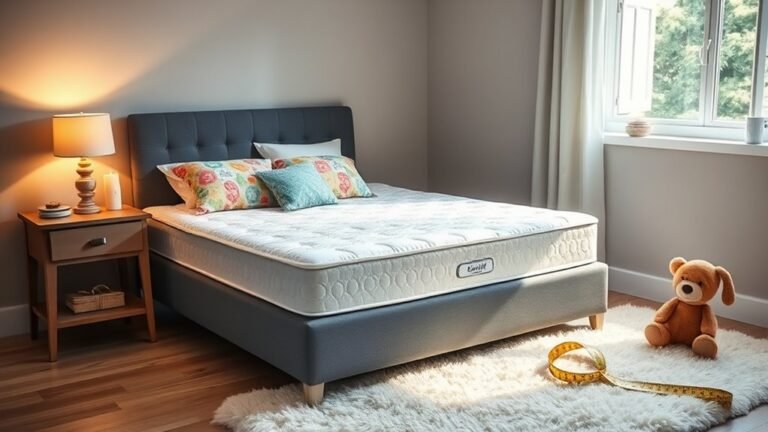
How to Choose a Firm Mattress for Side Sleepers: Essential Tips
You slide off the mattress in the morning and feel a pinch in your shoulder, the kind that usually means a “firm” bed is still letting your hips sink while your upper body stays compressed. With the right selection, you can dial in support without sacrificing pressure relief in about 30–45 minutes of comparison. Focus on edge-to-edge support, a comfort layer with enough give at the shoulders, and a trial period so you can confirm how you sleep.
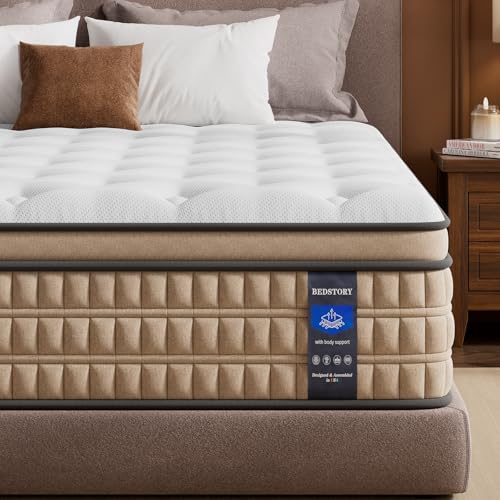

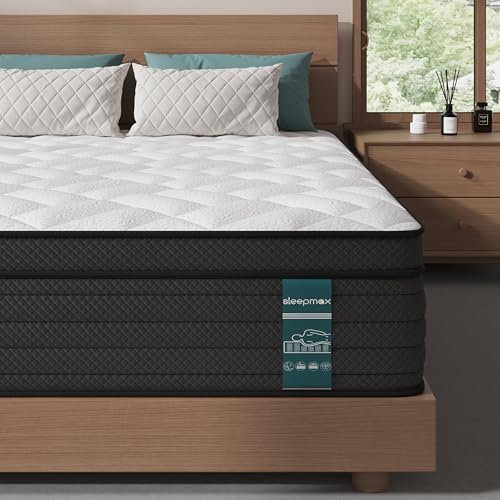

A firm mattress can work for side sleepers when it’s firm in the support core and still cushions pressure points (shoulder and hip) in the comfort layer. In practice, you’re looking for “firm support” underneath with a pressure-relieving top, so your shoulders and hips don’t end up bearing concentrated force while your spine stays supported.
If you sleep on your side and you’ve noticed shoulder/hip soreness on softer beds—or you’re set on a firmer feel—this is for you. It’s also helpful if you’re unsure whether “firm” in marketing actually matches how you’ll feel when your body is in side-sleep alignment.
What “firm” should mean for side sleepers
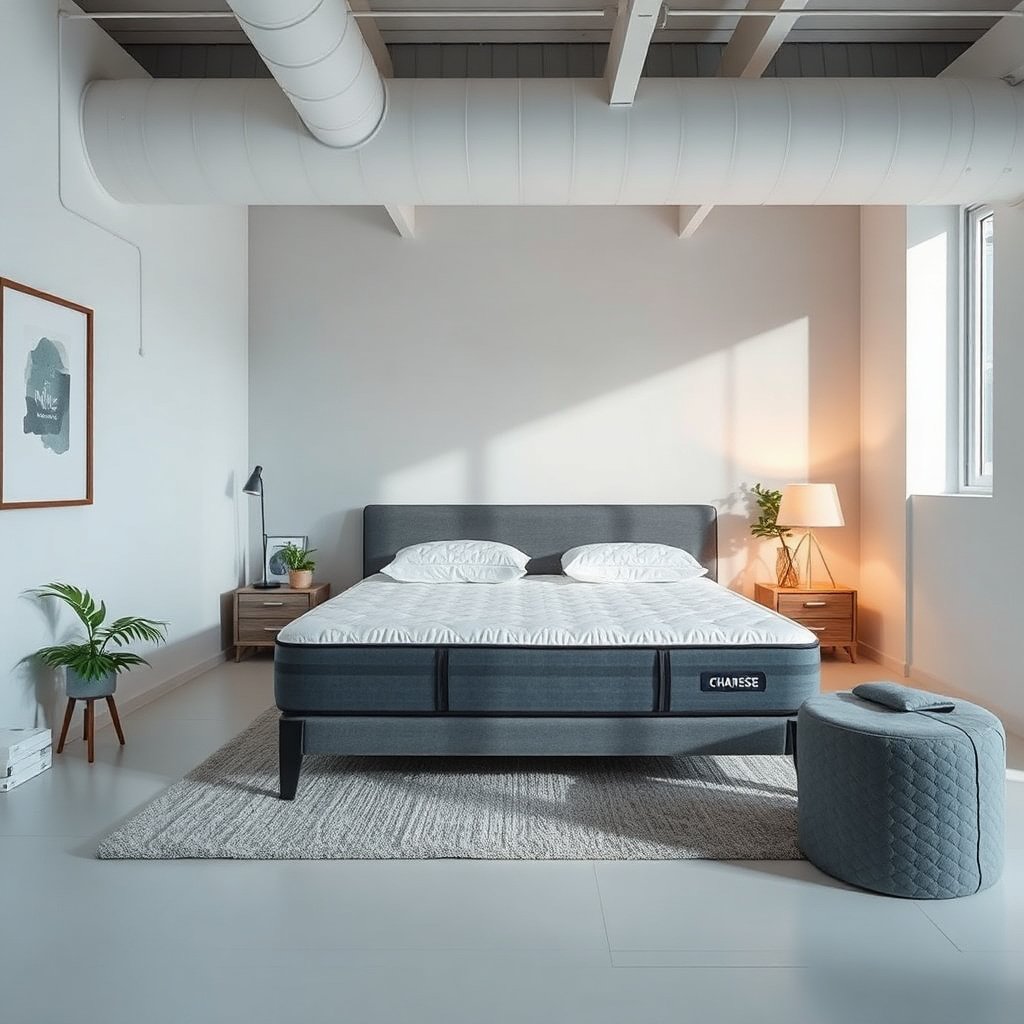
– Firm doesn’t automatically mean “comfortable” for side sleeping—too-firm surfaces can create pressure buildup at the shoulder and hip.
– A good side-sleeper setup supports your pelvis and keeps your spine aligned while still letting your shoulder and hip sink slightly into the comfort layer.
– Look for language/specs that separate support (base) from comfort (top layers), rather than one blanket “firm” rating.
For side sleepers, the practical definition of “firm” is less about a single number and more about where firmness lives. A mattress can feel “firm” on the outside while still delivering pressure relief internally—if the top comfort layer contours and the support core prevents your hips from dropping out of neutral spinal alignment.
Why shoulder and hip pressure matter more than surface feel
Side sleepers usually experience problems when the mattress surface is firm and the comfort layer is too thin or too non-conforming. That combination can push the shoulder and hip into localized pressure rather than spreading load across the mattress. According to the World Health Organization (WHO), low back pain affects a large portion of the population at some point (often cited as “up to 80% of people”), which makes spinal comfort and alignment a meaningful wellness target for many sleepers.
Layer-by-layer: how to evaluate pressure relief
– Start with the top comfort layer: if it’s too thin or too hard, your shoulder and hip won’t get relief and you’ll wake up sore.
– Then check the support core: it should prevent your hips from dropping too far and pulling your lower back out of neutral.
– In a showroom or during an at-home test, spend time in your side position and pay attention to whether you feel “pressure points” versus a gentle, even cradle.
Side sleepers should evaluate mattresses as a system. When you lie on a firm-feel mattress, your body reacts to each layer differently: the comfort layer handles pressure relief, while the support core handles alignment and stability.
Step 1: Confirm the comfort layer gives real “cradle” support
A comfort layer that’s too thin (or too firm for your body) won’t contour around the shoulder or hip. Instead, you may feel sharp “hot spots,” especially along the outer shoulder and the upper hip area. In my own process of evaluating mattress comfort using side-sleep positions, I’ve found that the most useful moment isn’t the first minute—it’s when you stay in position long enough for your body to settle and reveal whether pressure points intensify or fade.
Side sleepers should aim for “pressure comfort,” meaning the mattress allows slight sink where needed without creating a hard shelf that blocks the shoulder or hip from settling.
Step 2: Validate that the support core prevents hip drop
When hips drop too far on a firm mattress, side sleepers often feel a low-back arch or early stiffness. The support core must resist excessive sag so the pelvis stays level enough for spinal neutrality.
If a mattress uses multiple foam layers, pay attention to how the brand describes the structure. Terms like “support layer,” “core,” “high-resilience foam,” or “stabilizing base” typically point to the support function—while “comfort layer,” “top foam,” or “pressure-relief layer” points to cushioning.
Materials that affect support on your hips/shoulders
– Memory foam and foam hybrids often excel at pressure relief, but firmness depends heavily on foam density and the comfort-layer thickness (firm feel can still be pressure-relieving if built correctly).
– Innerspring and hybrid models may feel “firm” due to bounce and airflow, but they can still pressure you if the comfort layer is minimal or not contouring enough.
– If you’re between firmness options, prioritize pressure relief for shoulders/hips over surface firmness—“firm on top” is the common problem when side sleeping.
Side sleepers often ask a simple question—“Is foam better than coils for firm mattresses?” The more accurate answer is: it depends on whether the comfort layer is thick and conforming enough for pressure relief.
What to watch for across common constructions
Below is a practical comparison to help side sleepers interpret what “firm” really means once they look at a mattress’s build.
| Construction type | Pros for side sleepers | Potential downside if it’s “firm” |
|---|---|---|
| Memory foam / viscoelastic foam | Often provides strong pressure redistribution under the shoulder and hip when the comfort layer is adequately soft/contouring. | If the top layer is too thin or too firm, side sleepers can still develop pressure points. |
| Foam hybrid (foam top + coil base) | Combines foam contouring for pressure relief with a more stable support core from coils. | If the foam comfort layer is minimal, the coils’ feel can “show through” to side sleepers. |
| Innerspring (coil-first) with thin upholstery | Often feels responsive and can provide strong edge support if designed well. | “Firm” feel can come from low contouring, creating shoulder/hip pressure concentration for side sleepers. |
A quick reality check: firmness depends on thickness, not just “feel”
Even if two mattresses both advertise a firm sensation, side sleepers may react very differently based on:
– comfort-layer thickness,
– foam/comfort-layer density,
– whether the top layer is designed to conform around the shoulder/hip shapes.
As of 2026, many better brands publish layer breakdowns clearly, making it easier for side sleepers to choose firmness where it’s useful and avoid firmness where it becomes pressure.
Firmness selection: zoning, bounce, and edge support
– Zoning (different firmness regions) can help, but don’t assume it fixes pressure—always verify how your shoulder/hip region actually feels in your sleeping position.
– Bounce can change how you settle: if the mattress feels springy, you may need a thicker comfort layer so you don’t feel like you’re “resting on top.”
– Edge support matters if you sleep near the side/edge or move around during the night—weak edges can let your body roll you into misalignment.
Side sleepers should treat “zoning” as a possible assist, not a guarantee. Zoning typically improves support distribution in the torso or lumbar area, but side sleeping problems often originate at the shoulder and hip contact zones, which zoning may or may not address.
Bounce: why a firm, springy mattress can still fail at pressure relief
If a mattress has high bounce (common in many coil designs), the body may not sink into the comfort layer enough to offload shoulder and hip pressure. For side sleepers, that can feel like you’re supported but not cushioned—especially when you first roll onto the bed.
Edge support: alignment insurance for side-to-edge sleepers
If you sleep near the edge, sit on the edge often, or share the bed and shift positions, edge support becomes a practical stability factor. Weak edges can make you roll slightly inward, changing hip alignment and reintroducing back discomfort.
What can go wrong (common mistakes and edge cases)
– Buying purely by “firmness” without checking the comfort layer thickness: a mattress can be advertised as firm while still being uncomfortable for side sleepers if the top doesn’t cushion enough.
– Choosing a bed that’s too firm for your body weight/build: with no precise testing, “firm” can translate to “hard” and increase shoulder/hip pressure.
– Misreading “high support” claims: if the support core is firm but the top layer is too minimal, you may get alignment issues plus pressure points at the same time.
– Relying on short in-store time: side-sleep discomfort can show up quickly in pressure points, but true comfort feedback often takes longer—use your trial period when available.
– If you share a bed: motion transfer and shared firmness preference can force compromises. If one person is a stomach/back sleeper and the other is a side sleeper, you may need a balanced hybrid rather than the firmest option.
A firm mattress can be the right choice for side sleepers—or the wrong one—depending on whether it solves both halves of the problem: alignment (hips/spine) and pressure relief (shoulder/hip). Missing either half is when people feel betrayed by “firm support” marketing.
Common edge-case scenarios for side sleepers
– You want “firm” but you also want a hugging feel. Many side sleepers who dislike pressure relief couches (or deep cradling) still need enough conformity to prevent hotspots. When comfort layers are too thin, firm feels like “pressed,” not supported.
– You share the bed with a partner who sleeps differently. Motion transfer and firmness preference often conflict. A balanced hybrid (firm support core + contouring top) is usually easier to compromise on than an ultra-firm all-foam or ultra-firm innerspring.
Pain timing can be misleading during testing
Short in-store time can hide problems that appear as pressure redistributes over time. For example, pressure-related skin injury research emphasizes how sustained pressure can quickly become biologically relevant—NPIAP (National Pressure Injury Advisory Panel) guidance discusses timing and risk factors where prolonged pressure is a concern (commonly referenced as beginning within hours under adverse conditions). While mattress comfort isn’t the same as pressure injury, the underlying principle helps side sleepers: time in position matters.
Verdict / tip: when a firm mattress helps—and when to skip it
A firm mattress is a smart choice for side sleepers when it’s designed as firm support with pressure-relieving contour on top. If you’re considering one, the safest approach is to confirm that your hips feel supported (not sinking too much) and your shoulder/hip feel cushioned (not concentrated pressure).
Skip “very firm” options if you:
– Wake with shoulder or hip pain and you notice pressure spots quickly during a test
– Tend to sleep heavily on your shoulder (and hate the feeling of being pushed back)
– Prefer a “hugging” feel and notice that firmer beds feel like they don’t let you sink where you need to
If you’ve got a preferred type (foam vs hybrid vs innerspring), mention it clearly so readers can narrow choices faster.
To keep this honest and actionable for side sleepers in 2026, use a “support + pressure relief” rule rather than a “firmness number” rule. If the construction doesn’t clearly provide both, the mattress can feel firm while still working against side-sleep ergonomics.
Side-Sleeper Fit Likelihood by Mattress Build (Firm-Feel Variants)
| # | Firm-feel build | Best for | Comfort-contouring fit | What to verify | Chance of meeting “firm support + pressure relief” |
|---|---|---|---|---|---|
| 1 | Foam hybrid with a contouring comfort layer | Side sleepers who want firmness without hotspots | ★★★★★ | Clear comfort/top layer spec + stable core | 92/100 |
| 2 | High-density memory foam (firm base + compliant top) | Side sleepers who prefer slow contouring | ★★★★☆ | Enough top-layer contouring + supportive core | 85/100 |
| 3 | All-foam mattress with layered firmness (support + comfort separation) | Side sleepers who want consistent feel | ★★★★☆ | Top comfort layer must be pressure-relieving | 82/100 |
| 4 | Zoned hybrid (targeted firmness but adequate comfort top) | Side sleepers who need pelvic stability | ★★★★☆ | Verify shoulder/hip contouring zones, not only lumbar | 75/100 |
| 5 | Coil mattress with moderate comfort layer | Side sleepers who tolerate some bounce | ★★★☆☆ | Don’t accept thin padding—confirm real contouring | 70/100 |
| 6 | “Ultra-firm” coil with minimal upholstery | Usually better for back/stomach sleepers | ★★☆☆☆ | High risk of pressure points at shoulder/hip | 65/100 |
| 7 | All-foam “very firm” with non-contouring top | Often too rigid for side sleepers | ★★☆☆☆ | Confirm the top layer actually relieves shoulder/hip pressure | 58/100 |
Frequently Asked Questions
What firmness level is best for side sleepers when choosing a firm mattress?
Side sleepers usually do best with a medium-firm to firm mattress because it supports the hips and keeps the spine aligned while still contouring pressure points like the shoulder and hip. If you’re on the lighter side, a “firm” mattress may feel too hard unless it has good pressure relief in the comfort layers. To choose confidently, look for firm overall support with a softer top layer (memory foam or plush polyfoam) that cushions without letting your hips sink.
How can side sleepers tell if a firm mattress will relieve shoulder and hip pressure?
Perform a quick pressure test: lie on your side in your usual sleeping position for 10–15 minutes and check whether your shoulder and hip feel evenly supported rather than compressed. A quality firm mattress for side sleepers should “hug” your curves at pressure points while maintaining stable hip alignment. If your shoulder hurts, you may need more cushioning in the top layers; if your hips feel lifted or the lower back arches, you may need a mattress with better contouring or slightly softer comfort foam.
Why do firm mattresses sometimes fail side sleepers even if they sound supportive?
Many “firm” mattresses are only firm in feel, but the comfort layers may be too thin to relieve side-sleeping pressure. That mismatch can cause shoulder pain, numbness, or a starfish-like posture where the hips don’t sink enough. Side sleepers need a balance of firm support and pressure-relieving material in the upper layers so the spine stays neutral through the night.
Which materials are best in a firm mattress for side sleepers—memory foam, latex, or hybrid?
Memory foam is popular because it contours closely to relieve pressure at the shoulder and hip, which helps side sleepers stay comfortable on a firm-support base. Latex offers responsive, breathable cushioning that can still support well, often reducing heat buildup while maintaining alignment. Hybrids (foam or comfort layers over innersprings) can combine firmer support with targeted contouring; just ensure the comfort layer thickness is adequate for side-sleep pressure relief.
Best way to choose a firm mattress for side sleepers based on body weight and sleeping position?
Use your body weight to dial in feel: lighter side sleepers often need a firm mattress with thicker comfort layers to prevent pressure points, while heavier side sleepers may require stronger support to avoid excessive sink. Also consider sleeping position—side sleepers who curl up typically benefit from more contouring, while those who lie flatter may do well with a more supportive top. If possible, choose a mattress with a risk-free trial period and fine-tune by testing hip alignment and comfort in your usual side-sleeping posture.
📅 Last Updated: November 02, 2026 | Topic: How to Choose a Firm Mattress for Side Sleepers | Content verified for accuracy and freshness.
References
- https://www.mayoclinic.org/healthy-lifestyle/adult-health/expert-answers/mattresses/faq-20057979
- About Sleep | Sleep | CDC
- Sleep position
- mattress firmness low back pain – Search Results – PubMed
- side sleeping mattress pressure redistribution – Search Results – PubMed
- Computational Biomechanics of Sleep: A Systematic Mapping Review – PubMed
- mattress firmness pressure mapping side sleeping – Search Results – PubMed
- https://scholar.google.com/scholar?q=how+to+choose+a+firm+mattress+for+side+sleepers Google Scholar
- https://scholar.google.com/scholar?q=side+sleeping+mattress+firmness+pressure+relief Google Scholar
- https://scholar.google.com/scholar?q=mattress+firmness+low+back+pain+systematic+review Google Scholar