How to Choose an Innerspring Mattress for Side Sleepers
To choose an innerspring mattress for side sleepers, focus on pressure relief where you make contact—your shoulders and hips—by matching the comfort layer thickness and material to your weight and sleeping preferences. You can narrow options in about 20–30 minutes if you have your height, weight range, and preferred firmness, then compare coil type, quilted top feel, and how the mattress responds when you lie on your side. Start by testing your alignment and comfort side-by-side, and you will know which one supports without pushing back.
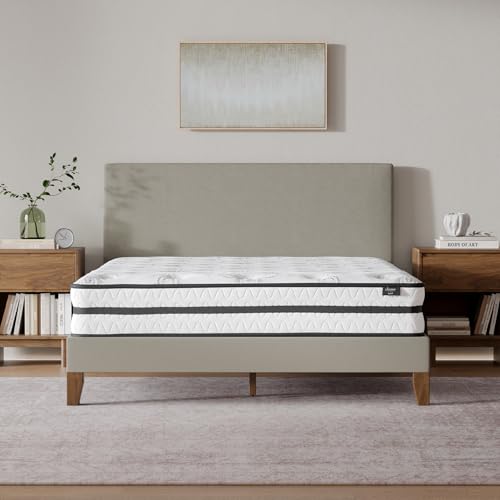



Side sleepers usually do best with an innerspring mattress that cushions the shoulder and hip while keeping your spine aligned, not one that simply feels “soft” at first. In practice, that means pairing responsive coils (often pocketed) with comfort padding thick enough to prevent pressure points—while still feeling stable when you settle onto your side in 2026.
If you sleep primarily on your side (or you switch between side and back), the right innerspring choice can reduce shoulder pressure and limit hip sink. This guide is especially useful if you’re comparing pocket coil vs. other innerspring styles, trying to find your firmness “sweet spot,” or deciding whether you’ll need a topper to get the feel right.
Who this is for (and when it matters)
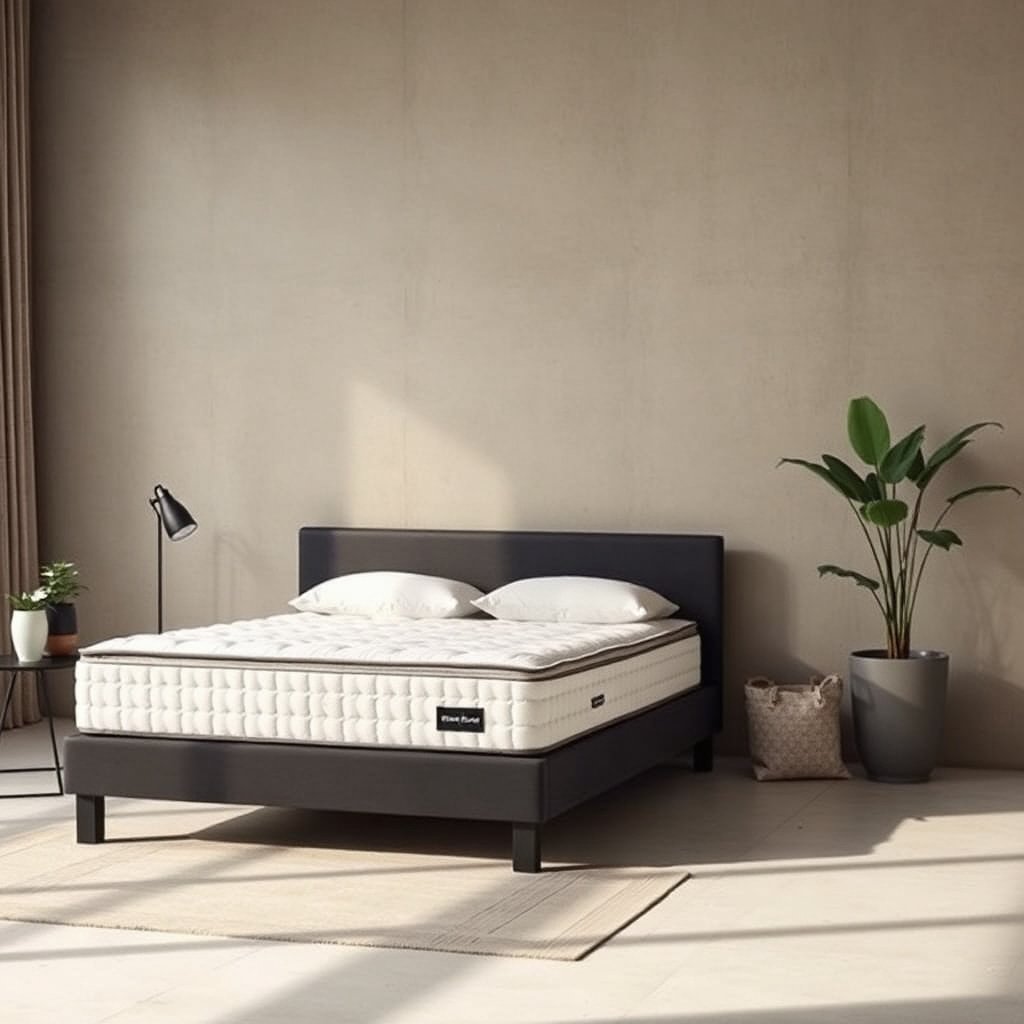
If you wake up with numb arms, aching shoulders, or a midsection that feels “stuck in the mattress,” this innerspring mattress guide is for you. It’s also a practical starting point for shoppers in 2025–2026 who want to compare designs using real construction differences (coil behavior + comfort layers), not just marketing labels.
What side sleepers need from an innerspring mattress
Side sleepers generally need an innerspring mattress that balances pressure relief with spinal alignment—comfort at the shoulder/hip matters as much as support under the waist. The goal is a surface that lets your shoulder and upper hip “nest,” without your torso drooping into an obvious hammock shape.
– Prioritize pressure relief at the shoulder and upper hip, not just a general “soft vs. firm” rating.
Side-sleep pressure is highly localized: the shoulder and iliac area (upper hip) usually take most of the load first. An innerspring mattress can be medium-firm overall and still create a problem if the comfort layer above the coils is too thin or too stiff at those contact points.
– Look for support that keeps your torso level—too much sag will push your shoulder/hip out of alignment.
Alignment problems often show up as “waist dip” (your midsection sinking more than your chest). For an innerspring mattress, that usually signals either softer-than-needed comfort padding or coils that compress too uniformly.
– Aim for a mattress that feels comfortable on your side for at least a few minutes, not only when you first lie down.
The first 30 seconds can feel fine even on an innerspring mattress that later bottoms out at the shoulder. When you stay still longer, the comfort layer either distributes pressure effectively—or it reveals weak spots.
Coil type, support, and why it matters
Coil behavior is the foundation of most side-sleeper outcomes on an innerspring mattress, because it largely determines whether you stay supported as you sink in. Your best match often comes down to coil responsiveness and how independently the system supports different body parts.
– Pocketed coils are often chosen for side sleeping because they tend to support your body more independently than some continuous-coil designs.
“Pocketed” means each coil is individually wrapped (typically in fabric), which helps reduce how much neighboring coils move together. That independence can help an innerspring mattress feel more stable when your shoulder presses down and your hip needs a different amount of support.
– Coil “support” claims should match your body behavior: if you sink too quickly or feel unstable, the support system may be too soft or poorly matched.
In an innerspring mattress, “support” isn’t just firmness—it’s how quickly you reach the comfort layer’s working zone and whether the coil array resists further compression once you’re settled.
– Pay attention to manufacturer details like coil construction and any stated “support level” (if provided in specs), and compare those across models.
For an innerspring mattress, construction terms you can compare include coil gauge (wire thickness, when listed), coil count (sometimes listed by size), whether the mattress uses zoned support, and what padding sits immediately above the steel.
Side-sleeper stability: what you should feel
In an innerspring mattress, stable side sleeping usually feels like “even resistance” under your shoulder/hip with no sudden drop-off. A quick in-store check is to lie on your side and gently shift your body a few inches—if your torso wobbles or your waist noticeably drops compared to your chest, the innerspring support system may be mismatched.
Reference data table: innerspring coil features that influence side sleeping
Innerspring Coil Constructions and Side-Sleeper Fit (Practical Guide)
| # | Coil construction | What it tends to change | Where it helps most | Side-sleep fit |
|---|---|---|---|---|
| 1 | Zoned pocket coils (body-region comfort zones) | More targeted firmness by area | Waist support without over-squashing shoulders | ★★★★★ |
| 2 | Individually pocketed coils (non-zoned) | Independent response under load | General pressure relief at shoulder/hip | ★★★★☆ |
| 3 | Thicker-gauge pocket coils (denser coil wire) | Higher resistance to deep compression | Side sleepers who sink too far | ★★★★☆ |
| 4 | Offset/continuous coil with supportive padding | Less independent coil movement | People who prefer a more uniform feel | ★★★☆☆ |
| 5 | Bonell-style continuous coils (traditional spring shape) | More uniform spring action | When paired with thick, pressure-relieving top layers | ★★★☆☆ |
| 6 | Microcoils layered over pocketed support (coil-on-coil or coil topper layer) | More localized cushioning over shoulders/hips | Side sleepers who need extra pressure relief without losing base support | ★★★★☆ |
| 7 | Edge-robust pocket coil system (strong perimeter rails) | Less edge collapse under side-sleep shifts | Side sleepers who sit up or drift toward the edge | ★★★★☆ |
Comfort layers: the difference between “feels nice” and “sleeps well”
The comfort layers above the springs decide whether your innerspring mattress actually relieves pressure—or just postpones the problem. For side sleeping, your shoulder and upper hip need enough “give” to distribute load while avoiding a soft layer that lets the spine tilt.
– The comfort layer above the springs is what determines how much your shoulder and hip get to “nest” without bottoming out.
If you feel springs through the surface, the innerspring comfort padding is either too thin or too firm. If you sink heavily at the waist after a minute or two, the padding may be too plush or too slow to support your weight once you settle.
– If the top is too thin, you may feel the springs or get pressure points; if it’s too plush, your spine may sink.
This is the classic innerspring trade-off: thicker comfort can feel premium at first but may reduce alignment if the coil base doesn’t counterbalance your midsection.
– If you’re unsure, consider a model with clearly described layers (e.g., quilted top and foam/fiber materials above the coils) so you can judge thickness and feel more predictably.
In an innerspring mattress, “mystery quilting” makes it hard to compare. Even if you can’t feel the exact density in-store, you can often compare whether the top layer includes a comfort quilt plus a distinct foam or fiber layer above the coil unit.
A practical “settling test” for comfort layers
Lie in your normal side-sleep position and breathe normally for several minutes. Then do one small movement: press your shoulder into the mattress as if you were changing positions. A well-matched innerspring mattress will feel like the comfort layer cushions at your shoulder without continuing to collapse deeper at the waist.
Firmness and alignment: how to choose the right feel
Side sleepers often need “medium” or “medium-firm” on an innerspring mattress, but the correct choice depends on how your body distributes weight. The best firmness is the one that prevents excessive waist dip while still allowing shoulder cushioning.
– Side sleepers often need “medium” or “medium-firm” in practice, but the correct choice depends on your weight range, shoulder width, and how quickly you sink.
Two people can both be “medium-firm” on paper and have very different results because the comfort layer thickness and coil response differ.
– A quick at-home check: when you’re in your side-sleep position, see whether your waist dips much more than your chest—excessive dipping is a warning sign.
On an innerspring mattress, this indicates that either the comfort layer is too compliant for your frame or the coil support system doesn’t resist compression under the torso.
– Don’t ignore shoulder placement: even a great mattress can feel wrong if the comfort layer doesn’t cushion your shoulder geometry.
If your shoulder sits too high or too low relative to your neck, you may need different top cushioning (or a different pillow), even if the innerspring mattress is objectively supportive.
Mattress feel vs. alignment: quick comparison
A comfortable “first impression” isn’t the same as correct load distribution. If your innerspring mattress makes your waist drop after a few minutes, it may be cushioning your shoulder while under-supporting your torso.
Motion, temperature, and edge support (common innerspring trade-offs)
Innerspring mattresses usually sleep cooler than all-foam, but temperature and motion still depend heavily on the comfort layers and cover materials. If you share the bed, coil stability and motion transfer become even more important for side sleeping.
– Innersprings can vary widely in motion transfer—if you share a bed and you’re easily disturbed, look for construction that reduces movement across the mattress (often discussed in the manufacturer’s materials/specs).
For an innerspring mattress, pocketed coils generally provide more independent motion than some continuous systems, but the comfort foam/fiber above the coils still affects how “bouncy” it feels.
– Heat retention is driven by the comfort layers and cover, so check what the top materials are (and whether ventilation is part of the design).
Quilt layers, breathable covers, and thinner comfort materials can help. If your innerspring mattress has deep, insulating padding, your sleep temperature may rise.
– Edge support matters for side sleepers who sit on the edge or partially use the perimeter; weak edges can make it harder to get comfortable.
If the perimeter collapses, you may end up shifting toward the center repeatedly—interrupting side-sleep comfort on an innerspring mattress.
Pros and cons: where innerspring mattresses tend to win (and lose)
| Trade-off area | Pros for side sleepers | Potential downside to watch |
|---|---|---|
| Pressure relief | Coils can provide responsive support under the shoulder/hip when comfort layers are thick enough | If padding is too thin, you may feel pressure or springs; if it’s too plush, you can get waist dip |
| Spinal alignment | Zoned or supportive coil bases can reduce midsection sag | Some continuous-coil constructions can feel “evenly soft,” increasing torso droop |
| Motion + sleep disruption | Pocketed coils often reduce partner disturbance compared with more linked spring designs | Comfort foams/fibers can damp motion—or can make the surface feel bouncy, depending on build |
| Temperature + airflow | Air gaps in coils can promote airflow compared with dense all-foam beds | Thick quilted layers and less breathable covers can still trap heat |
What can go wrong (and when to skip an innerspring)
Common side-sleep problems usually come from mismatch between comfort-layer behavior and coil support, not from the word “innerspring.” Here’s what typically goes wrong when shoppers choose an innerspring mattress for side sleeping.
– Choosing “soft” just because it feels good at first: plush tops can create shoulder pressure relief for some people, but they can also cause too much hip sink and misalignment.
If your innerspring mattress feels great immediately but your waist drops after a few minutes, the softness is likely outpacing your coil base’s support.
– Ignoring thickness: a mattress can be “medium” overall yet still bottom out at the shoulder if the comfort padding above the coils is too thin.
Total thickness isn’t enough; what matters is the thickness and material behavior above the spring unit in your shoulder zone.
– Assuming all pocket coils are the same: designs differ in how they control movement and distribute weight—always compare construction details from the manufacturer.
Two “pocket coil” innerspring mattresses can feel very different if one uses zoned support, edge reinforcements, or different top cushioning.
– Skipping the innerspring route if you require very specific pressure relief: if you have severe shoulder issues or need a highly customized feel, you may be better served by a foam, hybrid, or an innerspring system designed with your pressure-relief needs in mind.
Topper caution: helpful dial, not a cure-all
A topper can fine-tune cushioning, especially if your innerspring mattress is too firm at the shoulder. But if the topper is too thick or too soft, it can worsen waist dip and compromise alignment.
Verdict / tip (what to buy approach, plus downsides)
If you’re a side sleeper, choose an innerspring mattress that delivers real shoulder and upper-hip pressure relief without letting your midsection sink into a hammock. In many cases, a medium to medium-firm feel plus a comfort layer that cushions enough to prevent bottoming out is the most reliable starting point.
Downsides to keep in mind: compared with many foam beds, innerspring mattresses can show more variability in pressure distribution depending on coil type and how comfort materials settle over time. You should also consider whether you tolerate the specific “settled-in” feel of coils once you’re fully resting—not just when you first lie down.
If you’re very sensitive to pressure or your shoulder condition requires extremely targeted contouring, you may want to consider foam, hybrid, or a specialized pressure-relief system instead of relying on coil generalities. And if the product line’s warranty restricts toppers, respect those rules before you buy an innerspring mattress expecting to “fix it later.”
Quick checklist for side-sleeper innerspring shopping | What to look for
| Quick checklist for side-sleeper innerspring shopping | What to look for |
|---|---|
| Coil construction | Pocketed vs. other innerspring styles; compare what the manufacturer states |
| Support behavior | Feels stable on your side; no obvious “waist dip” |
| Comfort layer thickness | Enough cushioning for shoulder/hip without bottoming out |
| Firmness/feel | Typically medium to medium-firm, adjusted to your body response |
| Motion control | If sharing: less movement transfer (per manufacturer info where available) |
| Temperature & cover | Materials and airflow/cover design that won’t trap heat |
| Edge support | Comfortable to use near the perimeter if you sit or shift |
| Trial/return & warranty | Confirm comfort policy and how returns work before committing |
Sources
– Manufacturer mattress specifications and warranty/comfort policy documents (for construction details, cover/materials, and return conditions):
– Manufacturer testing/claims documentation included with the mattress specs (for motion/comfort support statements):
– U.S. Consumer Product Safety Commission (CPSC) flammability testing requirements for mattresses (for compliance context):
Side sleeping comfort usually comes down to balance: cushion your shoulder/hip while keeping your torso supported. Use the checklist to compare coil behavior, comfort-layer thickness above the springs, and the “settled” feel on your side—because if an innerspring mattress feels good briefly but wrong after a few minutes, that’s the signal to keep shopping or adjust within the mattress’s permitted trial/warranty rules.
Frequently Asked Questions
What firmness level is best for an innerspring mattress for side sleepers?
Side sleepers typically do best with a medium-soft to medium-firm innerspring mattress because it allows the hips and shoulders to sink slightly while keeping the spine aligned. If you choose something too firm, pressure can build around the shoulder and hip, leading to tossing and discomfort. Consider your body weight too: lighter sleepers often prefer softer feels, while heavier sleepers may need medium-firm support to prevent bottoming out.
How do I choose the right support and coil type for side sleeping?
Look for an innerspring mattress with pocketed coils or individually wrapped coils, which tend to contour better and reduce motion transfer for side sleepers. If you’re heavier or need more lift, thicker gauge coils or a higher coil count can improve edge-to-edge support and overall durability. Also check for a supportive base layer and proper zoned support so your lumbar area stays supported without pushing your hips out of alignment.
Why does pressure relief matter more for side sleepers on an innerspring mattress?
Side sleeping places more body weight on the shoulder and hip, so pressure relief is essential to prevent numbness and painful waking. Choose comfort layers above the coils—like foam, latex, or a plush Euro top—so the mattress can cradle your shoulders and hips while still providing innerspring support underneath. Materials that balance softness on top with stable support at the core are key to maintaining spinal alignment.
Which comfort layers on top of coils work best for innerspring mattresses for side sleepers?
For side sleepers, quilted comfort layers and soft-to-medium foams (often with a breathable cover) can help reduce pressure points while keeping you supported. Latex is another good option because it offers responsive cushioning and helps with cooling, while fiber or wool blends can add comfort without excessive sink. If you tend to sleep hot, prioritize breathable upholstery and a thinner, more ventilated comfort top rather than a mattress that feels overly “trapped” or slow to recover.
Best way to test an innerspring mattress for side sleeping before buying?
When trying an innerspring mattress, spend at least 10–15 minutes in your normal side sleeping position and check how your shoulder and hip feel. Your spine should feel straight—avoid conditions where your waist dips or your shoulder feels trapped against the surface. If possible, compare motion isolation by having someone else move on the bed; side sleepers often notice partner movement more, especially with traditional innerspring designs that don’t isolate motion well.
📅 Last Updated: November 02, 2026 | Topic: How to Choose an Innerspring Mattress for Side Sleepers | Content verified for accuracy and freshness.
References
- https://www.mayoclinic.org/healthy-lifestyle/adult-health/in-depth/mattress-buying/art-200453651
- Mattress
- https://en.wikipedia.org/wiki/Side_sleeping
- mattress firmness low back pain – Search Results – PubMed
- mattress pressure distribution sleep side sleeping – Search Results – PubMed
- innerspring mattress pressure distribution comfort – Search Results – PubMed
- https://www.sciencedirect.com/search?qs=innerspring%20mattress%20pressure%20distribution%20side%20sleepers
- https://scholar.google.com/scholar?q=innerspring+mattress+side+sleepers+firmness+pressure+relief Google Scholar
- https://scholar.google.com/scholar?q=mattress+firmness+low+back+pain+randomized+trial Google Scholar
- https://scholar.google.com/scholar?q=sleeping+position+side+sleepers+spinal+alignment+mattress Google Scholar