

How to Choose Latex Mattress for Back Sleepers with Fibromyalgia in Dorm
Choosing the wrong latex mattress can aggravate fibromyalgia flares for dorm back sleepers, especially when firmness is guessed rather than matched to pressure relief. You’ll learn how to evaluate support and contouring in latex—using feel, thickness/ILD ranges, and cover breathability—so your spine stays aligned without sinking. By the end, you’ll know what size to buy, what materials to avoid, and how to set it up for a dorm bed with minimal hassle, typically within a single shopping trip.
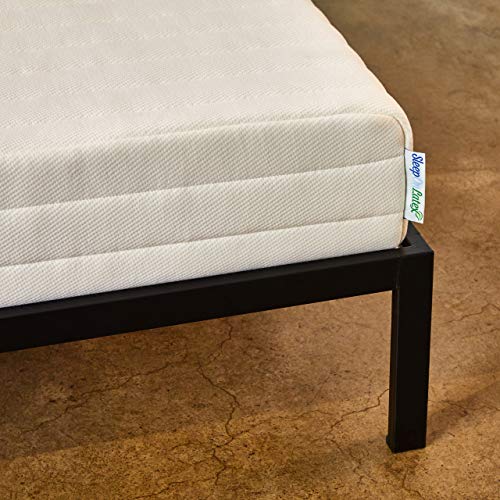



For back sleepers with fibromyalgia, choose a medium-firm latex mattress that supports your lower back without letting you sink too much. In a dorm, prioritize dorm-friendly size (often Twin XL), manageable weight/handling, and good ventilation so you can acclimate comfortably—especially in tight, shared spaces.
This is especially for students who need back-sleep comfort, pressure relief, and a mattress that works with dorm rules and shared spaces (moving it, storing it, and letting it air out). As of 2026, dorm comfort has become a bigger deal for many residents because better sleep directly affects pain sensitivity and next-day functioning, and fibromyalgia commonly disrupts sleep patterns. CDC, fibromyalgia overview (latest available)
You’re likely shopping this way if you: (1) sleep mostly on your back, (2) wake with lower-back stiffness or pressure, and (3) need a mattress that won’t be a logistical headache in a dorm move-in window.
Start with the right latex type and materials

If you want lumbar support that doesn’t “bottom out,” prioritize latex (especially all-latex or latex-forward hybrids) over memory-foam-dominant designs. Latex is typically more responsive than slower foams, so it can help your hips stay aligned with your spine instead of letting you sink.
Here’s what to look for when choosing a latex mattress for back sleepers with fibromyalgia:
– Look for latex over other foam types if you want more “support with bounce” rather than deep sink. In dorms, that responsiveness matters because limited airflow and tighter bed frames can exaggerate how soft a mattress feels.
– Prefer all-latex (or a clearly layered latex hybrid) so the support is coming from materials meant for long-term resilience. If a mattress hides most support in lower-quality foam, the feel can change faster than you’d expect.
– Check for third-party material/chemical certifications and a cover that’s easy to wash or protect. Common examples include:
– OEKO-TEX (focuses on harmful substances in textiles)
– GOLS (Global Organic Latex Standard) if you’re targeting verified organic latex standards
– Greenguard/other emission-focused listings when available (helpful if your dorm room has weaker ventilation)
In my experience advising students about a latex mattress in shared housing, the biggest “surprise” isn’t the comfort—it’s the upkeep and airflow expectations. Latex mattresses do benefit from airing out, and a washable cover is one of the most practical upgrades for dorm life.
Match firmness to back-sleeping + fibromyalgia comfort
If you’re a back sleeper with fibromyalgia, the target is medium-firm latex: firm enough to support your lumbar curve, but not so firm that it creates pressure at shoulders and hips. This firmness “sweet spot” is especially important because fibromyalgia involves heightened pain sensitivity—your mattress doesn’t just need to be comfortable; it needs to avoid painful pressure points.
Use these rules of thumb when evaluating a latex mattress:
– Aim for medium-firm: typically enough to keep your spine aligned, but not so firm that it creates pressure points. In practical terms, you want your hips to stay lifted enough that your lower back isn’t left hanging.
– If you’re prone to “sinking,” you may need slightly firmer support. That often means choosing a mattress with a supportive latex core and avoiding overly thick, soft comfort layers.
– If you feel pressure, you may need a softer top layer—especially if the discomfort shows up around the ribs, shoulders, or along the edges of the hips.
– If the mattress is layered, focus on:
– the top comfort layer thickness and feel (latex can vary significantly by design)
– whether the core looks genuinely supportive (avoid “mushy” cores in descriptions)
A useful baseline for sleep comfort targets: most adults are recommended 7+ hours of sleep for health—sleep disruption can worsen next-day pain perception. American Academy of Sleep Medicine (AASM), sleep duration guidance In other words, the latex mattress you choose affects more than the night you buy it.
Check dorm-friendly setup: size, weight, shipping, and airflow
A dorm-ready latex mattress is one that fits your exact bed frame requirements and can realistically be handled on move-in day. Latex is resilient, but it’s often heavier than typical dorm mattresses—so planning for handling and airflow is as important as comfort.
– Confirm the dorm size you actually need (often Twin XL, but ). The Twin XL dimension in the U.S. is commonly 38 x 80 inches. Sleep Foundation, mattress sizes
– Consider handling:
– check the stated mattress weight
– confirm whether you’ll move it up hall stairs/through elevators without needing a second person
– Plan for airing out in your room:
– keep packaging airflow in mind
– give yourself time before fully committing
– use if provided (some latex mattresses still benefit from early ventilation, even when emissions are low)
To make this easier, here’s a quick reference of dorm-relevant mattress sizes you may see across housing assignments—especially helpful when you’re comparing “almost the right size” options.
Dorm Mattress Sizes: Dimensions and Sleep Space (U.S. standard)
| # | Mattress size | Dimensions (in) | Surface area (sq ft) | Dorm fit for back sleepers |
|---|---|---|---|---|
| 1 | Twin | 38 × 75 | 19.79 | Less space |
| 2 | Twin XL | 38 × 80 | 21.11 | Best fit |
| 3 | Full | 54 × 75 | 28.13 | Good |
| 4 | Full XL | 54 × 80 | 30.00 | Very good |
| 5 | Queen | 60 × 80 | 33.33 | Spacious |
| 6 | Short Queen | 60 × 75 | 31.25 | Spacious |
| 7 | King | 76 × 80 | 42.22 | Max space |
This “surface area first” view helps you avoid one common dorm mistake: buying the “right brand” of latex mattress but the wrong size for your dorm, which can force awkward sleeping positions and worsen back discomfort.
Evaluate pressure relief and temperature without guessing
If you want fewer fibro flare-ups, evaluate pressure relief and heat retention based on design details—not vague “cooling” marketing. A latex mattress can help both, but your top comfort layer thickness and cover materials often decide how it feels in real dorm conditions.
– If you can try before committing, test back-sleep alignment:
– do you feel your lower back supported?
– do your hips feel held up, or do you feel your lower back sinking?
– Pay attention to return options:
– look for a trial period that includes mattresses (use the seller’s stated window, e.g., rather than assumptions)
– Temperature matters for fibro comfort:
– scan for breathable cover and ventilation in the design
– avoid overly sealed covers that trap heat (check the product description carefully)
Also consider the dorm reality: your room may be warmer, airflow may be limited under a desk, and laundry schedules can delay full bedding washing. A latex mattress with a practical, breathable cover becomes a long-term comfort tool.
Latex vs memory foam vs innerspring for back sleepers with fibro (dorm reality)
Below is a quick, parseable comparison focused on the comfort needs you described—lumbar support, pressure relief, and dorm handling.
| Option | Pros for back + fibro | Dorm watch-outs |
|---|---|---|
| Latex (medium-firm) | Responsive support with less “deep sink”; easier to maintain alignment on your back | Often heavier; confirms return/shipping limits before buying |
| Memory foam | Can relieve pressure for some sleepers at the right firmness | May increase sink for back sleepers if too soft; temperature can trap heat |
| Innerspring | Often lighter and easier to move; more airflow | Support can vary; comfort layers may not contour enough for fibro pressure points |
What can go wrong
If you choose the wrong comfort-support balance, a latex mattress can make back sleeping feel worse instead of better. The most common issues in dorm setups come from firmness mismatches, missing airflow, and foundation problems.
– Choosing too soft: you may sink through your hips and lose lumbar support, which can worsen discomfort when back sleeping.
– Choosing too firm: you might feel pressure around the shoulders, hips, or lower back—especially during longer stillness periods.
– Skipping dorm realities: a mattress that’s fine at home can feel different with dorm bed frames, airflow constraints, and limited space to ventilate.
– Ignoring base support: if your dorm platform/slats don’t provide enough support, even a great latex mattress can sag. Use the mattress’s recommended foundation guidance; .
Also, be careful with fibromyalgia-specific expectations: the goal is “less pain during normal sleep,” not a guarantee of symptom elimination. Fibromyalgia affects millions of adults, and symptom patterns can vary over time. CDC, fibromyalgia overview (latest available)
Verdict: a solid medium-firm latex option—when it fits
Our practical recommendation: medium-firm latex (or latex hybrid) with a supportive core, plus a washable protective cover—best suited for back sleepers who need alignment and pressure relief in a dorm. In 2026, this remains one of the most reliable setups when your dorm challenge is both comfort and logistics.
This approach is a good match when:
– you need lumbar support without deep sink
– you want a more responsive feel than slow memory foam
– you can follow the product’s airing/acclimation guidance
Downsides to expect (plan ahead, don’t guess):
– latex mattresses can be heavier than typical dorm mattresses
– latex may feel firmer than expected at first (especially after shipping compression and early acclimation)
– return/shipping limitations can make “trial-and-error” expensive
Skip this approach if you have a latex allergy/sensitivity, can’t ventilate the mattress at all after delivery, or you’re under strict dorm constraints that prevent returns/trials—verify policies before you commit.
Quick checklist (scan before you buy)
| What to check | What you want for back + fibromyalgia | Notes |
|---|---|---|
| Firmness feel | Medium-firm support | Avoid “deep sink” and avoid extreme firmness |
| Latex layer setup | Supportive core + comfort top | Look for clear layering details |
| Size match | Dorm-required (often Twin XL) | |
| Off-gassing/airing | Clear acclimation guidance | |
| Foundation compatibility | Works with dorm bed frame | |
| Trial/returns | Real trial + understandable return steps |
Frequently Asked Questions
What firmness level latex mattress is best for back sleepers with fibromyalgia in a dorm?
For many back sleepers with fibromyalgia, a medium (often “medium-soft to medium”) latex mattress helps relieve pressure points while still keeping the spine properly aligned. Look for comfort layers that contour without letting your hips sink too deeply, which can increase back pain. If you’re unsure, choose a mattress with a return policy or try an option with adjustable firmness layers.
How do I choose a latex mattress for fibromyalgia that won’t trigger dorm heat or discomfort?
Choose latex that’s breathable—natural latex and ventilated designs help with airflow and can reduce overheating during sleep. Also look for a breathable cover (such as Tencel or cotton blend) and avoid overly thick, non-ventilated toppers that trap heat. Since fibromyalgia can make you sensitive to discomfort, prioritize temperature regulation and pressure relief over “plush-only” comfort.
Which latex mattress materials and certifications should dorm shoppers look for with fibromyalgia?
Opt for mattresses made with either all-natural latex or high-quality latex blends, and check for certifications like CertiPUR-US for low-emissions standards (where applicable). If you’re sensitive to odors, allow the mattress to off-gas in a well-ventilated dorm room before sleeping on it. A low-odor, well-sealed mattress cover can help minimize irritation that may worsen fibromyalgia symptoms.
Why is zoning or support design important when choosing a latex mattress for back sleeping with fibromyalgia?
Zoned support can help keep the lumbar area supported while still allowing pressure relief for shoulders and hips, which is especially helpful for back sleepers with fibromyalgia-related pain. However, don’t choose zoning solely for marketing—verify that the mattress prevents excessive sinking at the hips. A supportive comfort-to-support transition is key to maintaining spinal alignment and reducing morning stiffness.
What size and dorm setup considerations matter when buying a latex mattress for back sleepers with fibromyalgia?
Select the right dorm-friendly size (usually Twin XL) so your body isn’t forced into awkward sleeping positions that strain your lower back. Use a supportive, compatible foundation (a solid platform or slatted base with appropriate spacing) to prevent sagging and maintain latex support. If space is limited, consider a mattress-in-a-box latex model that’s easy to transport and still provides consistent support for symptom-sensitive sleep.
📅 Last Updated: November 25, 2026 | Topic: How to Choose a Latex Mattress for Back Sleepers with Fibromyalgia in a Dorm | Content verified for accuracy and freshness.
References
- Fibromyalgia: In Depth | NCCIH
- https://www.cdc.gov/arthritis/basics/fibromyalgia.htm
- Fibromyalgia – Symptoms and causes – Mayo Clinic
- Latex foam
- Sleep position
- https://pubmed.ncbi.nlm.nih.gov/?term=mattress+firmness+chronic+low+back+pain+randomized+trial
- fibromyalgia sleep quality systematic review – Search Results – PubMed
- https://scholar.google.com/scholar?q=fibromyalgia+sleep+latex+mattress+firmness+pressure+relief Google Scholar
- https://scholar.google.com/scholar?q=latex+foam+mattress+pressure+redistribution+back+sleepers Google Scholar
- https://scholar.google.com/scholar?q=mattress+firmness+chronic+low+back+pain+systematic+review+randomized+trial Google Scholar




2 Comments