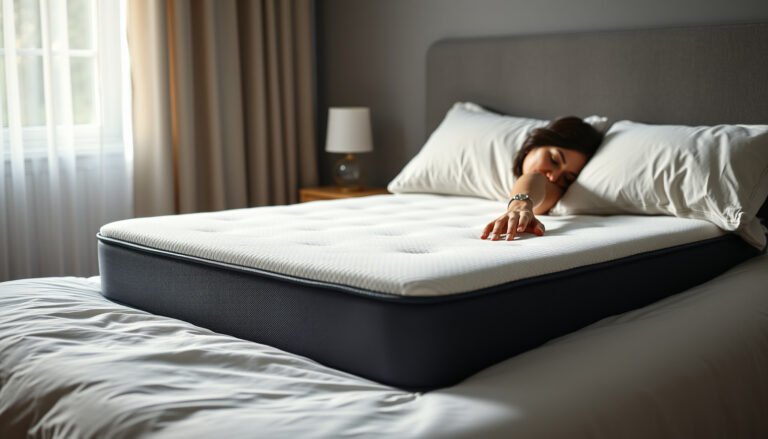
Beautyrest Mattress Reviews: Best Models by Sleep Needs
Beautyrest mattresses typically rely on pocketed coil layers, a design intended to deliver targeted support without transferring every movement. To recommend the best model for your sleep needs, we compare firmness feel, pressure relief for shoulders and hips, edge support, temperature comfort, motion isolation, and practical value like warranty and trial terms. The best choice shifts with your primary sleep position, so we highlight which Beautyrest lines fit side, back, and stomach sleepers best—and where others disappoint.
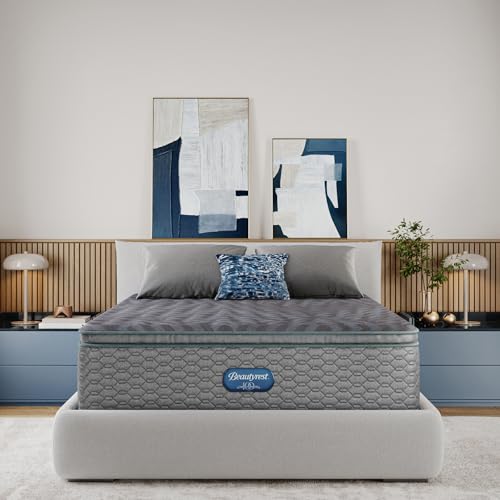

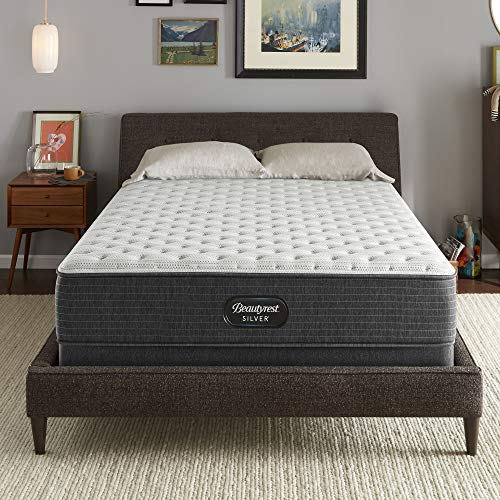

If you want the “best” Beautyrest mattress fast, match your sleep position to the right firmness and then verify the specific comfort/support specs for that model. This guide translates Beautyrest’s construction-focused language into practical outcomes—pressure relief, lumbar support, motion isolation, and durability—so you can choose with fewer surprises.
If you’re looking at Beautyrest options, the quickest way to choose is to match your sleep position and firmness preference first, then narrow by the specific support/comfort feel described in each model’s specs. In this review-style guide, we’ll break down what to look for in Beautyrest mattresses (comfort layer, support system, motion isolation, and durability indicators) so you can decide faster with fewer regrets.
If you’ve been comparing multiple Beautyrest models and can’t tell which one will actually work for your back/side/stomach sleep, this is for you—especially if you want an honest checklist instead of vague “best mattress” claims.
How to read Beautyrest mattress reviews (without getting misled)
The quickest way to avoid bad Beautyrest mattress picks is to ignore vague “comfortable” opinions and instead map each model’s layers to the outcome you need. Here’s how to read Beautyrest mattress reviews like a spec-based checklist, not a popularity contest—so you can predict feel before you buy.
– Focus on construction details that affect feel: comfort materials, support layer design, and overall firmness range.
– Separate “comfort” claims from practical outcomes (pressure relief for side sleepers, spinal alignment for back sleepers, reduced sink for stomach sleepers).
– Use the brand’s own spec language to interpret performance (e.g., what their support system is designed to do) rather than relying on marketing alone.
What to “translate” from model specs into real sleep results
Beautyrest models are typically built around two key concepts: (1) a comfort system that controls contouring and pressure relief, and (2) a support system designed to stabilize your body and reduce deep sagging. When you’re reading a Beautyrest mattress review, you’re looking for words that describe those functions—then you confirm whether that function matches your sleep position.
For example, side sleeping usually fails when the comfort layer is too firm and doesn’t cushion the shoulder/hip enough. Back sleeping usually fails when the comfort layer lets the lower back sink too far into the mattress. Stomach sleeping usually fails when the mattress contour is too deep, which can pull the pelvis down and put stress on the lumbar spine.
To keep your comparison grounded, use a simple decision framework:
– Comfort layer outcome → “Will I feel pressure relief without bottoming out?”
– Support system outcome → “Will my hips and mid-back stay aligned?”
– Motion isolation outcome → “Will my partner’s movement travel across the bed?”
– Durability indicators → “Will the mattress keep its support after long-term use?”
A fast way to judge review claims (pros/cons)
Below is a practical way to evaluate Beautyrest mattress reviews without getting misled. Use it as a filter before you commit to a specific model.
| Review claim type | Why it can mislead | What to look for instead (Beautyrest specs) |
|---|---|---|
| “It’s comfortable.” | Comfort is subjective and depends on firmness, body weight, and sleep position. | Firmness/feel wording + comfort layer thickness/materials that control sink and pressure. |
| “No motion transfer.” | Many reviews confuse “quiet” with “low transfer,” and bounce can still travel. | Model details about coil responsiveness and damping layers (as described in specs). |
| “It doesn’t sag.” | Support longevity depends on body weight distribution and material retention. | Durability indicators: warranty coverage terms and construction choices that reduce breakdown. |
| “Cooling.” | Temperature regulation varies with cover fabric, top foam design, and airflow. | Official cover/comfort-layer material notes (and any breathability or temperature-management claims). |
A quick reality check: comfort affects sleep health, not just feelings
Sleep quality can swing significantly with discomfort. According to the American Academy of Sleep Medicine, adults should get 7 or more hours of sleep per night (2015) American Academy of Sleep Medicine (2015). If a Beautyrest mattress doesn’t support your spine and relieve pressure, you may wake more often—especially as you switch positions through the night.
Comfort vs. support: what matters for your sleep position
The best Beautyrest mattress for you is the one that balances comfort (pressure relief) with support (spinal alignment) for your primary sleep position. If you get that balance right, you’ll usually feel fewer “tradeoffs” like back pain with soft models or shoulder pressure with firm ones.
– Side sleepers: prioritize pressure relief at shoulders/hips and a comfort layer that doesn’t let you “bottom out.”
– Back sleepers: look for balanced support that keeps the lower back from sagging while still cushioning the hips.
– Stomach sleepers: generally do best with firmer options that reduce excessive contouring; check that the mattress won’t trap you in a deep sink.
Side sleepers: cushion the shoulder and hip without collapse
For side sleeping, the comfort layer is doing heavy lifting. You need enough give to reduce pressure at the shoulder and hip, but you also need support that keeps the hips from sinking too far below the torso. In practice, the “wrong” Beautyrest for side sleeping often feels great for the first few minutes—then you start to notice shoulder tightness or numbness after longer periods.
When reading Beautyrest mattress reviews, look for outcomes like:
– “Shoulders feel less compressed”
– “Hips don’t sink more than the ribs”
– “I don’t feel bottomed out when I move”
Back sleepers: stop lower-back sag while keeping gentle contour
Back sleepers usually need a comfort system that cushions the lumbar area without allowing the pelvis to sink. A support system that stabilizes your midsection helps keep the spine in a neutral line.
When a Beautyrest mattress is mismatched for back sleeping, you may feel:
– lower-back discomfort after settling
– a “hammock” feel (too much sink)
– pressure that builds rather than spreads
Stomach sleepers: reduce deep sink to avoid lumbar strain
Stomach sleeping typically does best when the mattress doesn’t contour too deeply. Excess contouring can pull the pelvis down and increase strain in the lower back and hips. For Beautyrest buyers, this is the point where “softer” is often riskier—unless the model is designed to provide pressure relief with controlled buoyancy.
Firmness levels and who should choose each
The most reliable Beautyrest approach is to choose firmness based on how you want the mattress to cradle you, then confirm that your preferred comfort/support profile matches your sleep position. Beautyrest’s firmness and feel language matters because it describes the intended balance between sink, pressure relief, and support.
– Choose a firmness based on your body weight range and how easily you feel the mattress cradle you .
– If you share a bed, prioritize motion isolation characteristics as described in the model details (and avoid overly bouncy feel options).
– If you run warm at night, use the listed cover/comfort-layer materials and any official heat-related notes in the spec sheet rather than guessing.
How firmness changes your “sink” experience in a Beautyrest mattress
A Beautyrest mattress can feel different across the same firmness label depending on comfort-layer thickness and the responsiveness of the support system. A mattress that’s “medium” in one line might feel more contouring than another due to how the comfort materials are layered.
Here’s the model-matching logic most buyers miss:
– Side sleepers often need enough softness to relieve pressure—but not so much that the hips fall out of alignment.
– Back sleepers often need medium to firmer support to prevent lower-back sag.
– Stomach sleepers often need firmer designs to avoid a deep sink.
Quick reference: Beautyrest lines commonly chosen for different needs
Below is a practical comparison of Beautyrest collections and what people typically prioritize with them. (Because model SKUs and years vary, always validate the exact firmness option and layer specs for the specific model you’re considering.)
Beautyrest Collections Buyers Most Often Match to Sleep Needs (Typical Line Positioning)
| # | Beautyrest collection | Common best-fit sleep position | Typical firmness choices | Core support identity | Warranty length (years) |
|---|---|---|---|---|---|
| 1 | Beautyrest Black | Back/side | Soft–Firm | High-end pocketed coil support | 10 |
| 2 | Beautyrest Silver | Back/side | Medium–Firm | Pocketed coil comfort-support blend | 10 |
| 3 | Beautyrest Harmony Lux | Side/back | Plush–Firm | Pocketed coil support focus | 10 |
| 4 | Beautyrest Platinum | Back/stomach (firmer options) | Medium–Firm | Stability-leaning pocketed coil system | 10 |
| 5 | Beautyrest Recharge | Back/side | Soft–Firm | Layered comfort with pocketed support | 10 |
| 6 | Beautyrest BR (budget entry lines) | Side/back | Medium–Firm | Pocketed coil support base | 10 |
| 7 | Beautyrest B (classic coil models) | Back/stomach (firmer) | Medium–Firm | Pocketed coil stability | 10 |
Note: Even within the same Beautyrest collection, the exact firmness and comfort-layer recipe can change by year and size. For a real purchase decision, confirm the specific model’s comfort/support materials in the spec sheet. Also, .
Cooling checks for warm sleepers (what to verify in Beautyrest specs)
If you run warm at night, don’t rely on “cooling” claims without reading the construction. Beautyrest models vary based on:
– cover fabric and weave
– whether the comfort layer uses heat-dispersing materials
– any official notes about temperature management
What can go wrong when buying a Beautyrest
The biggest risk with a Beautyrest mattress purchase is choosing based on comfort impressions alone and then realizing the support balance doesn’t match your sleep position. Here’s what commonly goes wrong—and how to avoid it with a more disciplined spec-first approach.
– Buying only by reviews that mention “comfortable” without clarifying firmness expectations, sleep position, or partner movement.
– Choosing a softer mattress when you need more lumbar support (commonly leads to back discomfort for some sleepers) or choosing too-firm when you need more pressure relief (common for shoulders/hips).
– Ignoring your return/warranty trial terms—especially if the model you like isn’t comfortable in the first .
The hidden “mismatch” patterns (and who they affect)
Beautyrest mattress mismatch pattern #1: Side sleeper + too-firm comfort.
If the Beautyrest comfort layer can’t cushion your shoulder and hip, you may get pressure points and sleep fragmentation—especially after you rotate into that side again.
Beautyrest mattress mismatch pattern #2: Back sleeper + too-deep contour.
If the Beautyrest comfort layer allows the hips to sink too far, your lumbar spine can feel unsupported. This is one reason firmness alone doesn’t solve everything—you also need the right support stabilization.
Beautyrest mattress mismatch pattern #3: Stomach sleeper + overly plush feel.
Stomach sleepers often need surface-level support that prevents deep pelvic sink. If the Beautyrest comfort system contours too much, you may wake with hip or low-back tightness.
Verdict: which Beautyrest mattress review to trust (and when to skip)
The best Beautyrest mattress reviews are the ones that connect construction details to outcomes for your sleep position and firmness preference. If a review can’t explain pressure relief, sink depth, lumbar support behavior, or motion transfer in a model-specific way, treat it as a weak signal.
Beautyrest mattresses can be a strong fit if you pick the model based on sleep position and firmness rather than only comfort impressions. That said, this review approach may not help if you’re very sensitive to specific materials (e.g., certain foams or covers) or if you need a very specialized sleep setup—then you should rely more heavily on the exact model specs and your trial/return options .
When you should skip “best of” lists entirely
Skip broad “best Beautyrest mattress” roundups if:
– you need a very specific pressure-relief outcome (documented pain points)
– you have a partner with very different firmness preferences
– you require strict temperature control and the model’s cover/comfort materials aren’t clearly described
Quick checklist: Beautyrest model decision in 5 minutes
Use this checklist to cut through Beautyrest claims and make your choice based on the outcomes that matter to you.
– My primary sleep position is: [back / side / stomach]
– I prefer: [softer / medium / firm]
– I need: [pressure relief / strong lumbar support / minimal motion transfer]
– Shared bed? Yes/No → if yes, I’m prioritizing motion isolation from the model details.
– I’ve confirmed the return/trial terms before deciding: .
Sources
– American Academy of Sleep Medicine (2015)
Beautyrest mattress reviews are only useful when they translate construction into sleep outcomes you can predict—especially pressure relief for side sleepers, lumbar support for back sleepers, and reduced sink for stomach sleepers. If you follow the spec-to-sleep approach (comfort layer, support system, motion isolation, and durability signals) and confirm the exact trial/return terms, you’ll dramatically reduce the odds of ending up with the “right mattress, wrong fit” problem—while still respecting the real downsides of firmness sensitivity and material preference.
Frequently Asked Questions
What are the most common pros and cons of Beautyrest mattresses in reviews?
Many Beautyrest mattresses are praised for support, pressure relief, and motion isolation, especially in models that use pocketed coil designs. Common complaints in Beautyrest mattress reviews include difficulty choosing the right firmness, occasional concerns about long-term durability for certain lines, and the need for a break-in period before the feel matches expectations. Reading recent, model-specific Beautyrest mattress reviews helps you spot patterns rather than relying on generic feedback.
How do Beautyrest mattresses compare to other popular mattress brands for back and side sleepers?
Beautyrest mattresses often appeal to back and side sleepers because pocketed coil support can help maintain spinal alignment while still cushioning the shoulders and hips. In comparison to some memory foam-focused brands, Beautyrest tends to feel more responsive and less “stuck,” which can be helpful for combination sleepers. To find the best fit in Beautyrest mattress reviews, focus on firmness recommendations for your sleeping position and consider whether you prefer contouring (foam) or balanced support (coils).
Why do some people report cooling issues or heat retention with certain Beautyrest models?
Cooling depends on the specific Beautyrest model’s top comfort materials and cover features, not just the brand name. Some reviewers notice warmer sleep when the comfort layer has thicker foam or a denser feel, while others report neutral temperatures thanks to breathable covers or cooling technologies. If you search Beautyrest mattress reviews for heat concerns, look for mentions of “hot,” “warm,” or “temperature,” and cross-check with the model’s materials.
Which Beautyrest mattress firmness is best for couples who share a bed?
Couples typically do well with a mid-range firmness because it balances pressure relief with enough support to prevent the sleeper’s hips from sinking. Beautyrest mattresses are frequently reviewed for motion isolation due to pocketed coil systems, which can reduce partner disturbance during movement. For best results in Beautyrest reviews, choose firmness based on the more sensitive sleeper (often a side sleeper) and confirm that both partners feel supported at their preferred angles.
What features should you look for when choosing the best Beautyrest mattress for your budget?
Start by identifying the comfort system and support construction mentioned in Beautyrest mattress reviews, such as pocketed coil type, foam thickness, and any cooling or lumbar support features. Then compare warranties, trial periods, and return policies, since the “best” Beautyrest mattress depends heavily on whether the feel matches after break-in. If you’re comparing similar price points, look for consistent review themes—like durability, edge support, and pressure relief—rather than only star ratings.
📅 Last Updated: November 01, 2026 | Topic: beautyrest mattresses reviews | Content verified for accuracy and freshness.
References
- https://pubmed.ncbi.nlm.nih.gov/?term=mattress+sleep+quality
- https://pubmed.ncbi.nlm.nih.gov/?term=mattress+pressure+distribution
- Mattresses Online from Beautyrest – Where Luxury Meets Innovation
- Sleep | Sleep | CDC
- How Sleep Works – How Sleep Works | NHLBI, NIH
- eCFR :: 16 CFR Part 1633 — Standard for the Flammability (Open Flame) of Mattress Sets
- Mattress
- https://scholar.google.com/scholar?q=Beautyrest+mattress+reviews Google Scholar
- https://scholar.google.com/scholar?q=mattress+sleep+quality+systematic+review Google Scholar
- https://scholar.google.com/scholar?q=mattress+pressure+distribution+foam+study Google Scholar