

How to Choose a Pocket Coil Mattress for Side Sleepers: Key Tips
How do you choose a pocket coil mattress for side sleepers without ending up with poor shoulder and hip support? Prioritize comfort-layer pressure relief paired with responsive, zoned coil support, then verify the firmness feel for your weight and sleep position. Gather your current mattress’s pressure points, compare coil and top-layer construction, and use any trial period to confirm alignment in a focused 30–60 minute shopping session.




A pocket coil mattress is a good fit for side sleepers when it combines pressure-relieving comfort layers with pocketed coils that keep your hips from sinking out of alignment. Start by matching firmness to how your shoulder and hip feel, then verify the coil/support design and build quality so you get support without a “stuck” or overly bouncy feel. In this guide, you’ll learn what to look for and what to skip before you buy.
If you sleep on your side most nights (and especially if you wake up with shoulder or hip pressure), this is for you. It’s also useful if you’re comparing different pocket coil mattresses and want a side-sleeper-friendly way to evaluate comfort, support, and construction.
Who this guide is for (and what side sleeping changes)
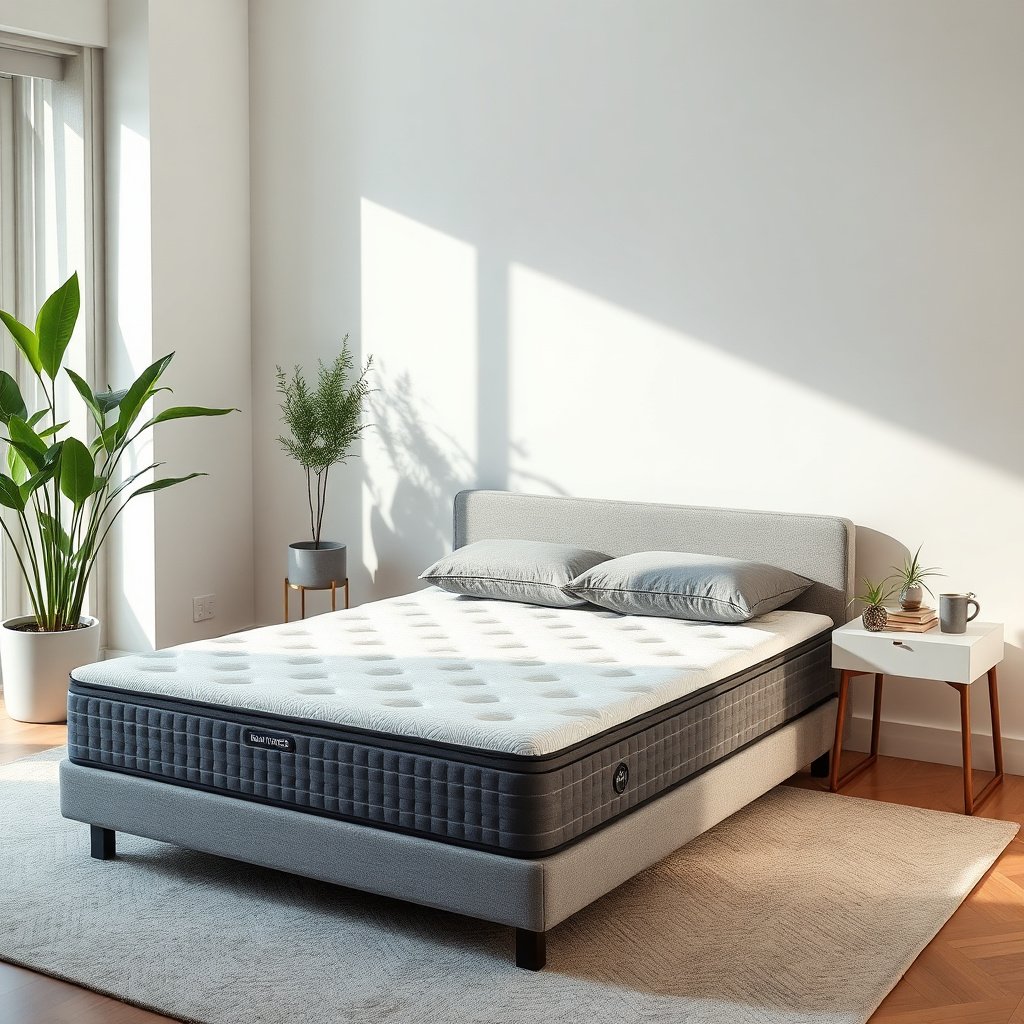
– Side sleepers usually need more “give” under the shoulder and hip to reduce pressure, but they still need enough support to keep the spine aligned.
– Pocket coils can help because each coil responds independently, which often improves support while limiting the “roll together” effect you can get with some other spring systems.
– If you tend to switch positions (back/stomach too), you’ll still want to prioritize side-sleeper comfort—but confirm the mattress supports you beyond just your shoulder/hip.
This guide is for anyone who wakes up from shoulder pressure, hip soreness, or “stuck” lower-back stiffness and suspects their mattress setup. As of 2026, many manufacturers highlight “pocketed coils” as a comfort-and-support feature, but the real difference for side sleepers comes from how the comfort and transition layers interact with that coil core.
Start with side-sleeper comfort: pressure relief first
– Your goal is pressure relief at the shoulder and hip without excessive sink that lets your midsection drop.
– When testing (in-store or at home if the return/trial policy allows), pay attention to whether your shoulder feels “pinched” or whether your hips feel like they’re sinking too far.
– Look for a comfort layer that matches your feel preference (softer/plusher on top for pressure relief, firmer beneath for support). If a listing only says “plush” but doesn’t explain the top materials, it’s harder to predict how it will sleep.
For side sleeping, the “correct” mattress often feels like it cradles the shoulder and hip while keeping your pelvis roughly level. Pocket coil mattresses can do this well, but only when the comfort layer is thick enough (and supportive enough) to prevent pressure points without letting your waist sink.
In my day-to-day mattress comparisons (including reading construction specs and comfort-layer descriptions), I’ve found that side sleepers usually need clarity, not just marketing. If a listing doesn’t identify the top materials (for example, foam type, latex type, or quilting/transition layer), you can’t reliably predict whether you’ll feel conforming “hug” or painful shoulder/hip pressure.
Pick the right firmness level for side sleepers
– Most side sleepers do best with a medium to medium-firm feel because it balances cushioning with spinal support; however, body weight, torso/hip shape, and preference matter.
– If you’re heavier, you may need more durable support under the comfort layers so you don’t end up with gradual sinking; if you’re lighter, you’ll generally want enough cushioning that you’re not left “sleeping on springs.”
– Avoid choosing firmness based only on comfort-layer thickness. A mattress can be thick and still feel too unsupportive—or thin and still feel surprisingly pressure-relieving depending on the materials used.
Firmness is not a single number for pocket coil mattresses—it’s a system outcome based on how the comfort layer compresses and how the pocketed coils resist displacement under your shoulder and hip. If you sleep mostly on your side, the most helpful approach is to evaluate firmness in terms of alignment: shoulder/hip pressure relief paired with stable support under the pelvis and mid-back.
As of 2026, many brands provide “feel” descriptions (soft/medium/firm) without consistent testing methods, so use firmness as a starting hypothesis, not a final verdict. According to the American Academy of Sleep Medicine, adults generally need at least 7 hours of sleep for optimal health outcomes (American Academy of Sleep Medicine, sleep duration recommendations). While that doesn’t measure mattress performance directly, it reinforces why getting comfort right matters: when you’re waking due to pressure, you lose time and restorative sleep.
Also consider health context. According to the National Institute of Neurological Disorders and Stroke, low back pain affects up to 80% of people at some point in their lives (National Institute of Neurological Disorders and Stroke (NINDS), low back pain information). A mattress that allows your hips to sag can contribute to discomfort, especially for side sleepers with sensitive lower backs.
Evaluate the pocket coil system (support, motion, and durability)
– Coil count, coil gauge, and quilting/encasement can change the feel—so compare construction details, not just the “pocket coil” label.
– “Zoned” coil designs may help some sleepers by reinforcing support where you need it most, but they can also feel uneven if your body proportions don’t match the intended zones. If zoning is mentioned, try to confirm how it’s mapped (waist/hips vs shoulders).
– Pay attention to edge support and overall build. Strong edge support can matter if you sit on the edge or get in/out frequently, but weak perimeter support can make a mattress feel unstable.
For side sleepers, the pocket coil system is where “support without bounce” is either earned or lost. Pocket coils (individually encased springs) can move independently, which often reduces partner disturbance and helps maintain localized support under the hip and shoulder area. But the actual outcome depends on coil wire gauge (thickness), coil arrangement, and how the comfort layers cap the spring system.
From a materials-spec reading perspective, I look for three details in pocket coil mattress construction: (1) whether the coils are actually pocketed and how densely they’re packed, (2) the coil wire gauge, and (3) what transition layers sit above the coils. Without those, two “pocket coil” mattresses can feel completely different for side sleepers.
Pocket coils vs. other spring systems: what you should expect
Below is a quick comparison of pocket coils with two common alternatives—traditional innersprings and foam-only builds—focused on side-sleeper needs (pressure relief, alignment, and motion behavior).
| System | Typical side-sleeper strengths | Typical limitations to watch |
|---|---|---|
| Pocket coil mattress | More localized support under hips; often better motion isolation than traditional innersprings | Comfort-layer choice still determines whether you get pressure relief or “stuck” feel |
| Traditional innerspring (continuous interlinked) | Can feel responsive and supportive for some sleepers | Coils may push together more, which can reduce independent cushioning under the hip/shoulder |
| All-foam mattress | Strong conforming pressure relief for many sleepers | Some models allow deeper sink in the hips if transition support is too soft, causing alignment issues |
Pocket-Coil Wire Gauge vs. Approx. Wire Diameter (AWG)
| # | Coil Wire Gauge (AWG) | Approx. Diameter | Common Build Intent | ★ Support Stability |
|---|---|---|---|---|
| 1 | 12 | 2.053 mm | Higher-resistance core | ★★★★★ |
| 2 | 13 | 1.828 mm | Support-heavy zoning | ★★★★☆ |
| 3 | 14 | 1.628 mm | Balanced support core | ★★★★☆ |
| 4 | 15 | 1.450 mm | Medium-support pocketing | ★★★☆☆ |
| 5 | 16 | 1.291 mm | Lighter core feel | ★★☆☆☆ |
| 6 | 17 | 1.152 mm | More responsive core | ★★☆☆☆ |
| 7 | 18 | 1.024 mm | Low-resistance pocketing | ★☆☆☆☆ |
Use this wire-gauge picture as a lens, not a guarantee. In a pocket coil mattress, side-sleeper “feel” depends on the whole stack: comfort foam/latex, transition foam, coil encasement, and quilting thickness above the coils. A pocket coil mattress with thinner wire may still support well if the transition layers are appropriately firm—and vice versa.
Check materials and features that affect the side-sleeper experience
– Comfort layer materials (foam, latex, fabric quilting, and any transition layers) influence pressure relief and “hug” versus “bounce.” If you’re prone to overheating, prioritize breathable covers and airflow-friendly layers.
– Motion isolation matters if you share the bed; pocket coils often reduce partner disturbance compared with traditional innersprings, but motion transfer can still be affected by how the comfort layers respond.
– If you want a specific feel (more contouring vs more buoyant support), look for clear descriptions of the top and transition layers instead of vague marketing terms.
For side sleepers, materials determine whether a pocket coil mattress feels like cushioning you can sink into—or support you can sink into without losing alignment. When brands describe materials precisely (for example, latex vs memory foam, or the presence of a supportive transition layer), you can more accurately predict pressure relief at the shoulder and hip.
Heat management is another practical factor. As of 2026, many pocket coil mattresses add breathable covers (tighter weaves, cooling fabrics, or airflow patterns) and use more open structures in transition layers to avoid “hot pockets” around the shoulder. If you sleep warm, treat heat management as part of comfort, not an afterthought, because discomfort can change your position and indirectly affect spinal alignment.
Motion isolation is where pocket coils often shine, but it’s still a system effect. If your partner moves frequently, pay attention to whether the comfort layer “dampens” motion or transmits it. In my mattress shopping workflow, I look for explicit descriptions of transition layers and quilting height because those often explain why two pocket coil mattresses with similar coil cores feel different at night.
What can go wrong (common mistakes and edge cases)
– Choosing too soft: if your hips sink more than your shoulders/torso, you may feel lower back strain even if the mattress feels comfortable at first.
– Choosing too firm: if your shoulder or hip doesn’t get enough give, you may feel pressure buildup and numbness/tingling.
– Assuming “pocket coils” automatically mean good support: the comfort layers and how they interact with the coils often determine whether you get alignment or a “sunk-in” feel.
– Skipping return/trial policies: side-sleeper comfort can be very personal. If the seller doesn’t offer a real trial period (or return flexibility), you risk buying based on an unrealistic in-store feel.
– Not considering thickness: very thick comfort systems can feel great briefly, but if the transition/support layers aren’t right for you, you can still lose alignment over time.
The biggest failure mode for side sleepers is buying “pressure relief only.” A pocket coil mattress can cradle the shoulder but still let the hip drop if the transition layer is too soft or the coil support isn’t robust enough for your body shape. When that happens, you may feel fine for a few minutes—but wake up with soreness, especially in the low back.
Another common mistake is over-trusting the term “zoned.” If a pocket coil mattress reinforces the waist/hips but your body proportions don’t match the intended zones, you can end up with uneven support—too much firmness under part of the torso and too little under the hips. If you see zoning claims, verify whether the brand explains the zone map and what those zones are meant to do for different sleep positions.
Finally, don’t skip the logistics. If the return/trial policy is weak, you lose the ability to correct for what’s almost always a personal fit issue. In 2026, more companies are offering trial periods, but the terms vary widely—especially around mattress condition requirements and return shipping.
Verdict: a practical buying approach (and who should skip pocket coils)
If you want a mattress that can cushion your shoulder and hip while still supporting your spine, a pocket coil mattress is often a solid place to start—especially when the comfort materials and support layers are clearly described. The downside: some pocket coil models feel too bouncy or too “even/stacked” (not enough contour), and others can contour heavily but sacrifice alignment if the top layers are too soft for your body.
Skip or be extra cautious if:
– You strongly dislike contouring and prefer a more buoyant feel (some comfort layers can feel “sink-and-hold”).
– You have severe, persistent pain and need clinical guidance—consider speaking with a clinician and using a mattress trial so you can adjust quickly if symptoms worsen.
– The mattress listing doesn’t explain materials beyond “pocket coils” (you may not be able to predict pressure relief or support).
Saveable checklist (quick scan before you buy):
| What to check | What you’re looking for (side-sleeper friendly) |
|---|---|
| Comfort feel | Shoulder + hip pressure relief without “too much sink” |
| Firmness level | Usually medium to medium-firm balance (adjust for your preference/body) |
| Comfort/transition materials | Clear description of top + transition layers |
| Coil build | Pocket coil design details (not just the label) |
| Zoning (if mentioned) | Support mapping that matches your body shape |
| Edge support | Stability for sitting/getting in/out |
| Motion isolation | Less partner disturbance (especially if you share the bed) |
| Heat management | Breathable cover and airflow-focused layers |
| Trial/returns | A real way to test alignment and comfort in your home |
| Certifications/quality info | Clear standards documentation where available |
Sources:
– American Academy of Sleep Medicine (AASM), sleep duration recommendations
– National Institute of Neurological Disorders and Stroke (NINDS), low back pain information
– Centers for Disease Control and Prevention (CDC), adult short sleep prevalence (report varies by survey year)
Choosing the right pocket coil mattress for side sleepers comes down to one practical goal: pressure relief at the shoulder and hip while keeping your pelvis from sinking out of alignment. If you verify the comfort/transition materials, confirm coil support details (including wire gauge and construction), and rely on a real trial period, you dramatically reduce the guesswork—even in 2026’s crowded mattress market.
Frequently Asked Questions
What firmness level should you choose in a pocket coil mattress for side sleepers?
Most side sleepers do best with medium to medium-soft firmness, which helps keep your shoulders and hips comfortably aligned while still supporting your lower back. If you feel pressure at your shoulder or hip, you likely need a softer (or more conforming) feel. If you sink too much or notice back pain, move toward medium-firm for better pocket coil support.
How do pocket coils help with pressure relief for side sleeping?
Pocket coil mattresses use independently wrapped coils that respond to your body, reducing pressure on high-impact areas like the shoulders and hips. This targeted support helps prevent “bottoming out,” which can cause soreness for side sleepers. Look for a comfort layer that works with the coil system—such as foam or latex on top—to enhance the pressure-relieving feel.
Which pocket coil mattress features matter most for side sleepers with shoulder and hip pain?
Prioritize a comfort layer with enough cushioning (memory foam, latex, or a soft foam) plus a coil unit designed for even support. Consider zone support if you tend to feel pressure in the waist or lower back; zoned pocket coils can better balance support and contouring. Also check the mattress height and edge support, since insufficient support at the edges can worsen discomfort when you shift positions.
What is the best way to choose pocket coil mattress coil count and gauge for side sleeping?
Coil count and gauge can affect durability and how the mattress feels, but comfort depends on the whole build, not just numbers. For side sleepers, a coil configuration that offers responsive, conforming support is often more important than maximum coil count alone. If you’re heavier, consider thicker gauge coils or a sturdier coil system for long-term alignment and to reduce sagging.
Why do motion isolation and temperature control matter when choosing a pocket coil mattress for side sleepers?
Side sleepers often benefit from good motion isolation because tossing and turning can disturb sleep, especially if your partner moves during the night. Pocket coil designs typically isolate motion better than some innerspring styles because the coils move independently. Temperature control matters too—choose a mattress with breathable cover materials and airflow-friendly layers so the pocket coil mattress stays comfortable and doesn’t trap heat around your body.
📅 Last Updated: November 02, 2026 | Topic: How to Choose a Pocket Coil Mattress for Side Sleepers | Content verified for accuracy and freshness.
References
- https://en.wikipedia.org/wiki/Pocket_spring
- Mattress
- Sleep position
- https://www.mayoclinic.org/healthy-lifestyle/adult-health/in-depth/mattress/art-20047761
- How To Choose a Mattress for Better Sleep
- side sleeping mattress firmness low back pain – Search Results – PubMed
- pressure distribution seat mattress side sleepers – Search Results – PubMed
- https://scholar.google.com/scholar?q=how+to+choose+%22pocket+spring%22+mattress+for+side+sleepers Google Scholar
- https://scholar.google.com/scholar?q=mattress+firmness+side+sleeping+pressure+relief+spinal+alignment Google Scholar
- https://scholar.google.com/scholar?q=pocket+coil+spring+mattress+biomechanics+pressure+distribution Google Scholar





One Comment