How to Choose a Soft Mattress for Side Sleepers: What to Look For
A truly soft mattress that still supports your hips and shoulders can help side sleepers wake up with better spinal alignment and fewer pressure points. In the next few minutes, you’ll learn exactly what to look for—comfort feel, material support, and firmness zoning—so you can narrow options and test the right sleep setup with confidence. By the end, you’ll know how to choose a softness level that matches your body, not just your preferences.



A soft mattress can work for side sleepers—but only if the top layers cushion your shoulders/hips without letting your spine sink out of alignment. The real trick is balancing “pressure relief” (comfort layers) with “support” (deeper transition/base layers), so soft doesn’t turn into saggy.
If you sleep on your side most nights (or wake up with shoulder or hip pressure), this guide helps you evaluate whether a “plush,” “medium,” or “soft” feel will actually hold your body in a neutral sleeping posture. As of 2026, more beds market softness aggressively, so it’s worth checking layer-by-layer before you buy.
Start with how soft “soft” should feel for side sleeping
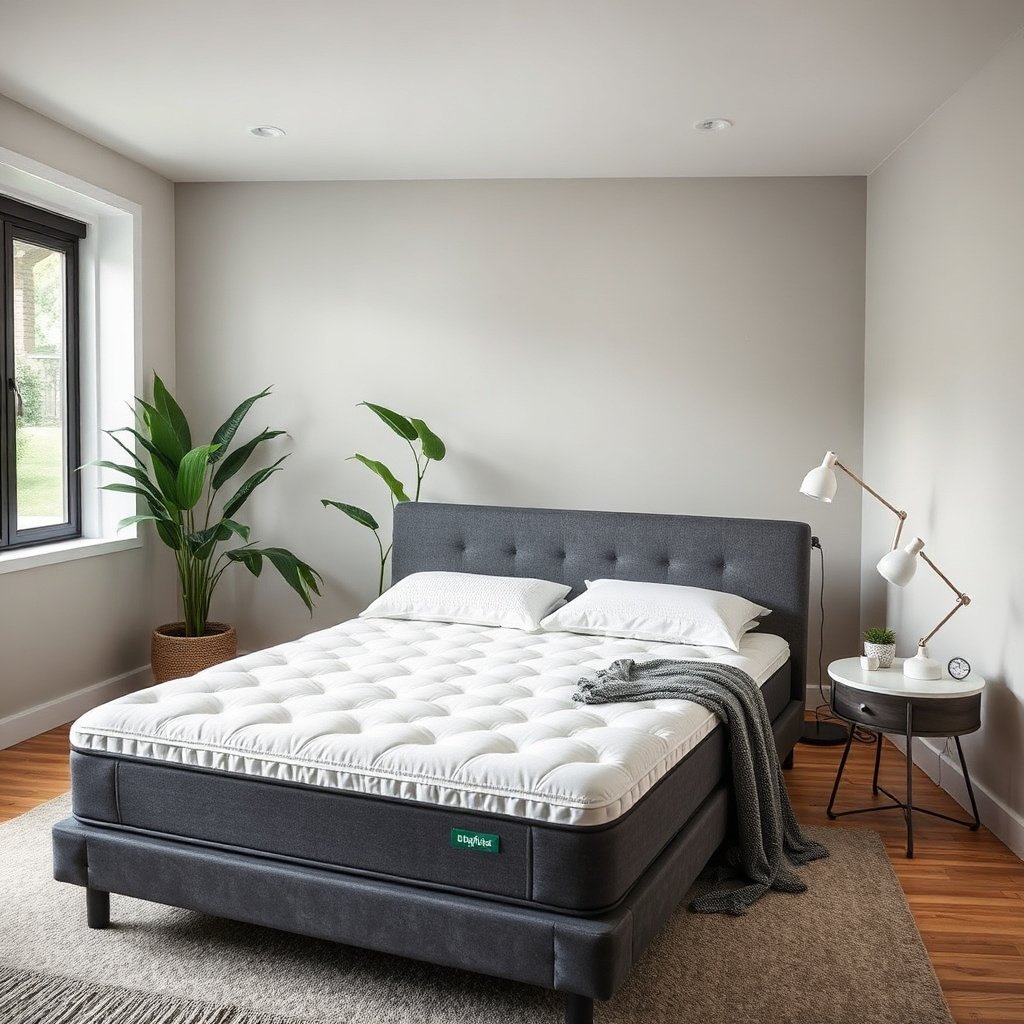
A truly side-sleeper-friendly soft mattress should feel like it “hugs” your shoulder and hip while preventing your waist from dropping. In other words: comfort on the surface, control underneath.
– Look for cushioning that reduces pressure at your shoulder and hip, not a mattress that lets you sink until your waist drops. A good side-sleep pattern keeps the hips from sinking much farther than the ribcage.
– Aim for a gradual “hug” on the surface with support underneath—side sleeping typically needs both, not just one. If the mattress feels soft only when you lie on it, but collapses quickly, you’re likely getting pressure relief without alignment.
– If you share a bed, also consider motion comfort so a partner’s movement doesn’t yank you out of your sleep position. Soft foams can absorb motion well, but weak support layers can still cause uncomfortable “roll-off” into the pocket.
Choose the right comfort layer depth and type
Soft is mostly determined by your comfort layer depth and material—not by the marketing label on the box. Side sleepers usually need enough top cushioning to redistribute pressure, plus a comfort-to-transition transition that doesn’t bottom out.
– Thicker comfort layers can feel softer, but too much top cushioning without enough support can increase sink depth; prioritize the balance. If you get a “floaty” surface but feel your torso climbing downward into the bed, the comfort system is likely too deep or too yielding for you.
– Common comfort options include memory foam, foam blends, latex, or pillow-top designs—each changes how you “feel” softness (and how fast you settle). Memory foam typically allows slower settling and more contouring; latex often feels more responsive; pillow-top designs vary depending on what’s inside the quilted layer.
– Check whether the mattress uses a true comfort layer (foam/latex) versus mostly quilting—quilting can soften the surface but may not provide enough pressure relief. Quilting can improve initial touch feel, but pressure relief usually requires material thickness that actually deforms under your shoulder/hip load.
Typical Foam/Latex Comfort Materials Used for Soft Side-Sleeper Builds (Common Manufacturer Ranges)
| # | Comfort Material Type | Common ILD/Softness Range | Typical Comfort-Layer Thickness | Contour Feel (★) | Support Density (lb/ft³) |
|---|---|---|---|---|---|
| 1 | Soft Memory Foam (comfort grade) | 8–14 ILD | 2.0–3.0 in | ★★★☆☆ | 2.0–2.5 |
| 2 | Medium Memory Foam (comfort→transition bridge) | 12–20 ILD | 2.0–2.5 in | ★★★★☆ | 2.5–3.0 |
| 3 | High-Density Memory Foam (deeper contour) | 18–28 ILD | 1.5–2.5 in | ★★★★☆ | 3.2–4.5 |
| 4 | Soft Polyfoam (comfort grade) | 10–16 ILD | 2.0–3.0 in | ★★★☆☆ | 1.5–2.0 |
| 5 | Support Polyfoam (transition) | 18–26 ILD | 1.0–2.0 in | ★★★☆☆ | 2.0–2.7 |
| 6 | Talalay Latex (soft comfort) | 16–24 ILD | 2.0–3.5 in | ★★★★☆ | 3.5–4.5 |
| 7 | Dunlop Latex (firmer support comfort) | 20–34 ILD | 1.5–3.0 in | ★★★☆☆ | 4.0–5.5 |
The key takeaway for a soft mattress for side sleepers is that comfort materials can be soft, but the density and transitions determine whether the bed keeps your pelvis from dropping. This table summarizes commonly reported comfort-layer ranges; for exact specs, always verify the mattress’ published layer chart from the manufacturer.
Verify support layers are built for alignment (not just softness)
A soft mattress that supports side sleepers well should limit sink depth in the hips while still allowing the shoulders to cushion. This is where many “soft” beds fail: they feel plush at first, then bottom out or create a hammock effect.
– “Support” usually comes from transition and base layers that control how far you sink when lying on your side. Look for a layered plan that firms up under the torso/hips rather than only under your lower back.
– For many side sleepers, mattresses marketed as soft still rely on firmer transition layers to keep hips from dropping—confirm that the deeper layers exist and aren’t just marketing. If the brand only states “soft comfort” and then describes the rest as generic “high support foam,” ask for the actual layer thickness and material type.
– If the mattress uses coils, look for zoning/coil density and how the comfort system sits over them (a soft top over weak support can still feel “bottoming out”). Zoning that feels good on the showroom floor may not translate if the comfort layer is too thin to distribute pressure.
Match firmness to your body needs and sleep habits
A soft mattress can be the right choice for side sleepers at many firmness levels—but it should match your body weight distribution and how you move in bed. The goal is consistent spinal alignment, not just a “cushioned” first impression.
– Heavier side sleepers generally need more structural support under the comfort layers to prevent excessive sink; lighter sleepers may prefer less aggressive support. If you’re unsure, prioritize controlled hip sink over maximum plushness.
– If you change positions often (side to back), choose a feel that still supports your lumbar area when you’re on your back. A bed can be “perfect” for shoulder pressure relief but still allow low-back sag when you roll.
– If you share a bed, prioritize edge support and motion control so you’re not pushed off position during the night. Side sleepers are especially sensitive to shifting because even small posture changes can increase shoulder pressure.
What can go wrong (and how to spot it fast)
A soft mattress for side sleepers can backfire when sink depth or pressure relief is out of balance. If you learn the failure patterns early, you’ll waste less time and fewer returns.
– Too much sink: If your waist feels pulled downward, “soft” is overpowering support—try a firmer overall model or a different comfort system. A quick test: lie on your side, then ask yourself whether your hips feel noticeably lower than your ribs.
– Shoulder/hip pressure returns quickly: If pressure relief fades within minutes, the comfort layer may be too thin or too firm for your body shape. This often happens when the surface is “soft” but doesn’t provide enough deformable depth.
– Sagging after break-in: If the mattress quickly develops a body impression that persists, it may not be holding its shape for your needs. Pay attention to brands that don’t clearly specify comfort-layer material thickness.
– Heat retention surprises: Some softer foams trap warmth—if you sleep hot, prioritize breathable covers or cooler-material comfort layers. Memory foam can feel contouring but may reduce airflow depending on the design.
– Quilting-only softness: If “soft” is mostly in a removable cover/quilt without meaningful comfort foam/latex depth, you may not get true pressure relief.
Also consider material safety and emissions standards if you’re sensitive. For example, CertiPUR-US program documentation specifies emissions limits for polyurethane foams; according to CertiPUR-US testing requirements (TVOC limit), TVOC emissions must not exceed 0.5 mg/m³ after 24 hours of testing (2024). According to CertiPUR-US testing requirements (formaldehyde limit), formaldehyde emissions are limited to 0.05 ppm (2024). And according to CertiPUR-US testing requirements (heavy metals), certain heavy metals are restricted with limits that keep total metal content low (2024). (Use these as a baseline, not as the only factor for comfort.)
Verdict: a good “soft for side sleepers” match (with downsides)
A soft mattress is a smart choice for side sleepers when the top layers provide pressure relief and the support layers prevent excessive sink. The tradeoff: many genuinely soft feels can be harder to find if you need strong spinal alignment, and some comfort materials may sleep warmer.
Skip this approach (or be extra cautious) if:
– You reliably wake up with shoulder/hip pain and feel your torso sinking—your current “soft” likely lacks enough support.
– You’re very sensitive to heat retention and are considering thicker memory foam comfort layers.
– You prefer a “buoyant” feel and dislike the slow-rebound characteristics of memory foam ().
Quick scan checklist (save this)
| What to check | What you want for side sleepers |
|---|---|
| Comfort layer | Cushions shoulder/hip without letting your waist drop |
| Support/transition layers | Keeps spine alignment as you settle |
| Overall firmness label | “Soft” is fine **only** if sink depth is controlled |
| Edge + motion | Doesn’t shift you out of position when you move |
| Temperature feel | Doesn’t trap too much heat for *your* sleep style |
| Break-in expectations | You don’t develop a lasting “hammock” impression quickly |
Sources
– CertiPUR-US: program documentation for foam emissions/chemical restrictions (used when considering foam comfort layers) — .
Choosing a soft mattress for side sleepers is less about “plushness” and more about structural balance: cushion the shoulder and hip, control the hip sink, and keep the spine aligned. If you evaluate comfort depth, support transitions, and real layer specifications—especially in 2026-style marketing—you’ll buy a softer bed that still holds its shape and supports your posture night after night.
Frequently Asked Questions
What firmness level is best for a soft mattress if I sleep on my side?
Most side sleepers do best on a medium-soft (often around 4–6 on a 10-point scale) because it cushions your shoulders and hips while still keeping your spine aligned. If your mattress is too soft, your hips can sink excessively and cause lower back pain. If it feels too firm, pressure builds at the shoulder and causes tossing, so choose a soft mattress that still provides steady support.
How do I choose a soft mattress that prevents shoulder and hip pressure for side sleepers?
Look for adaptive comfort layers—such as memory foam, gel foam, latex, or high-density polyfoam—thick enough to relieve pressure but not so thick that you bottom out. A good soft mattress should allow your shoulder to sink slightly while keeping your hips level, which improves circulation and reduces numbness. You can also check for features like targeted cushioning zones or contouring foam to balance pressure relief with support.
Why does a soft mattress sometimes worsen side-sleeper back pain, and how can I avoid that?
Soft mattresses can increase back pain when the support core is too weak or the top layers are overly plush, allowing your hips to drop out of alignment. For side sleepers, proper spinal alignment is key, so prioritize a supportive base layer (often high-density foam or a durable coil system) beneath the comfort layer. Consider trying the mattress on your side and assessing whether your waist and lower back feel supported without feeling “stuck” or sinking too far.
Which mattress materials work best in a soft mattress for side sleepers?
Memory foam is popular because it contours closely to relieve pressure on shoulders and hips, but choose one with good foam density to avoid excessive sink. Latex is another excellent option for soft comfort with more responsiveness and often better durability, which can help with side-sleeper alignment. For those who want a softer feel with airflow, some hybrid mattresses combine a soft comfort top with supportive coils for stability and temperature control.
How can I test a soft mattress in-store to make sure it supports my spine as a side sleeper?
When you lie down on your side, notice whether your shoulder and hip feel cushioned without your lower back feeling arched or your hips sinking too deeply. Spend a few minutes in your natural sleep position and check for pressure points—if your shoulder feels compressed or numb quickly, the mattress may be too firm or lacking contouring. If you have a waist “gap” or your spine feels twisted, the mattress may be too soft or not supportive enough, even if the top feels comfortable.
📅 Last Updated: November 02, 2026 | Topic: How to Choose a Soft Mattress for Side Sleepers | Content verified for accuracy and freshness.
References
- https://www.mayoclinic.org/healthy-lifestyle/adult-health/in-depth/mattress/art-20048331
- Mattress
- Sleep position
- pressure distribution mattress side sleeping – Search Results – PubMed
- Physiologic responses during rest on a sleep system at varied degrees of firmness in a normal pop…
- foam mattress pressure relief side sleepers – Search Results – PubMed
- mattress firmness back pain randomized trial – Search Results – PubMed
- https://scholar.google.com/scholar?q=how+to+choose+a+soft+mattress+for+side+sleepers Google Scholar
- https://scholar.google.com/scholar?q=mattress+firmness+side+sleeping+spinal+alignment+pressure+relief Google Scholar
- https://scholar.google.com/scholar?q=foam+latex+mattress+pressure+distribution+side+sleepers Google Scholar