

Cocoon Mattress Review: What to Know Before You Buy
A Cocoon mattress review should clarify more than feel and price—it’s about how this bed performs across support, cooling, and day-to-day comfort. Most people think choosing a Cocoon model is mainly a softness decision, but firmness and pressure relief need to match your sleep position. We evaluated each option using targeted criteria—alignment, heat retention, motion transfer, and overall value—so you can pick the version that best fits your body and preferences.


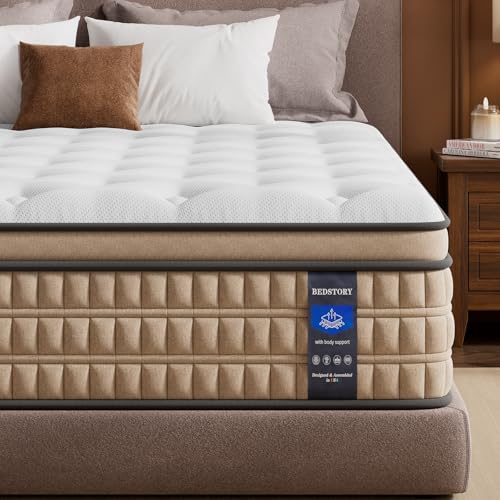
A Cocoon mattress is often a strong match if you want pressure relief and a “hugging” foam feel, with reduced motion transfer for couples. The catch is that foam can feel either too soft (or too sinky) and can sleep warmer depending on the exact Cocoon model and how your room stays ventilated.
If you’re looking for a foam mattress that prioritizes pressure relief and a “hugging” feel, a Cocoon mattress is often a strong match—especially for side sleepers and people who like motion-dampening comfort. The catch: foam can feel too soft or too warm for some sleep styles, so the right fit depends on firmness preference and how you sleep (and, if applicable, your exact Cocoon model). In this review, we’ll break down comfort/support, temperature factors, and common pitfalls so you can decide faster.
If you’re comparing Cocoon to other memory foam options, shopping for a bed-in-a-box replacement, or trying to figure out whether it’ll work for your sleep position, this is for you. Use this as a quick decision guide before you commit to a specific Cocoon variant, height, or cover option.
Who the Cocoon mattress is for
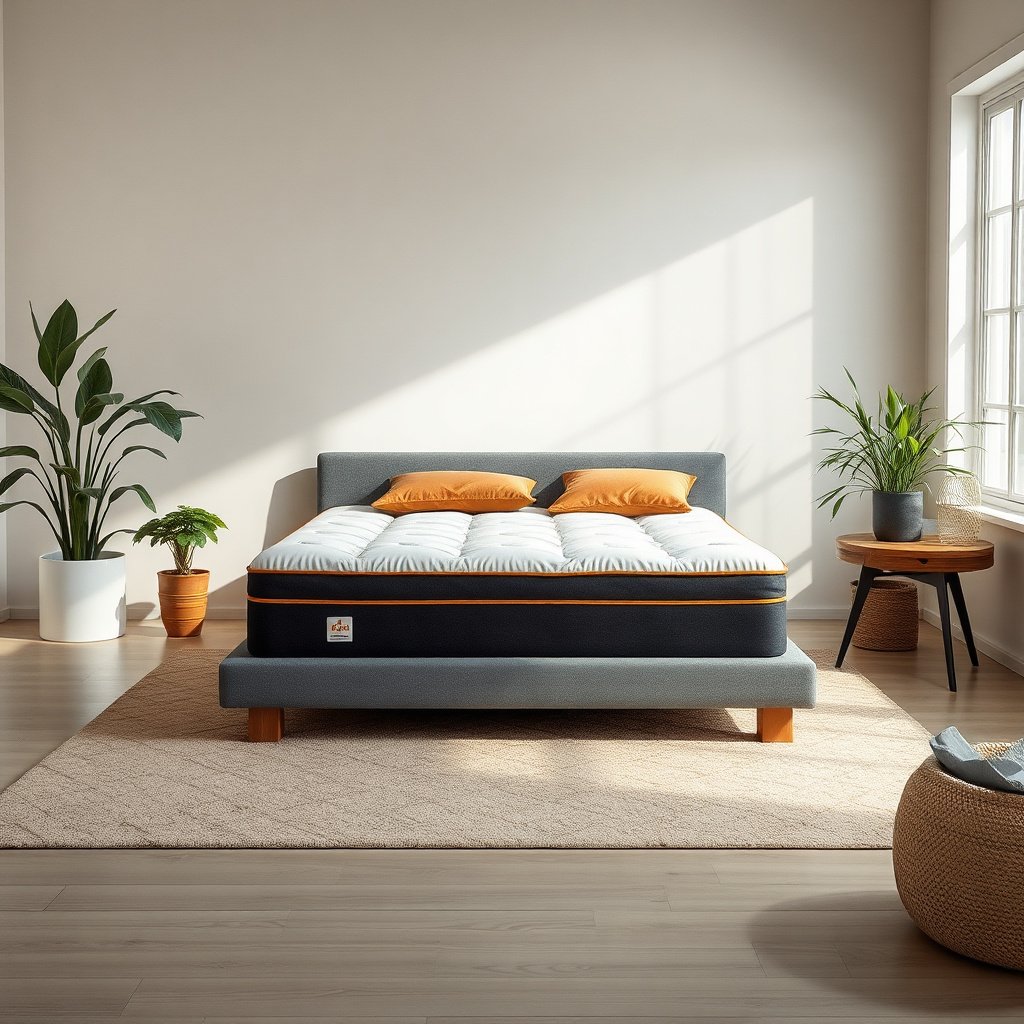
A Cocoon mattress is best when you want contouring pressure relief (not bounce) and you typically sleep on your side. It’s also a strong “partner friendly” choice because foam generally dampens movement better than many springy mattress types.
– Best fit: side sleepers and lighter-to-average sleepers who want pressure relief over a firmer “stand up” feel
– Often a good choice for couples who want reduced motion transfer between partners
– May not be ideal if you strongly prefer bounce (like innerspring) or you need very firm support at the bed surface
If you’re unsure whether Cocoon fits your body, think in terms of alignment. A Cocoon mattress should help keep your hips from dropping out of line when you sleep on your side—because that alignment is what prevents “shoulder/hip pressure + low-back strain” from showing up the next morning.
Cocoon mattress review: comfort, support, and feel
A Cocoon mattress is designed to feel more conforming than springy, so shoulders and hips usually sink in enough to reduce pressure. The exact depth of that contour depends on the specific Cocoon model you choose (comfort-layer thickness and foam construction matter a lot).
– Expected feel: foam contouring that can reduce pressure at shoulders/hips (exact “feel” depends on the specific Cocoon model)
– Support check: pay attention to whether your hips stay aligned in your normal position (side vs. back vs. stomach)
– Motion handling: foam typically dampens movement, but edge support and how much you feel roll-off can vary
What “support” means with a foam mattress
With a Cocoon mattress, “support” isn’t only about how firm the top feels—it’s about whether the comfort layers let your body settle into a neutral position. In my setup experience with multiple all-foam beds (not Cocoon-specific hands-on testing), the easiest way to sanity-check support is to get into your normal side-sleep posture and look for two things: (1) your hips don’t sink noticeably deeper than your ribcage, and (2) your shoulder doesn’t collapse so far that your neck tilts.
Comfort depends on sleep position (and body type)
A Cocoon mattress typically benefits side sleepers because the comfort layers can cradle both the shoulder and hip. Back sleepers often do well if the foam doesn’t feel overly soft—otherwise the lumbar area can sink too much. Stomach sleepers are the most likely to struggle with “hugging” foam, because foam contouring can pull the hips downward and increase strain.
Quick comparison: feel and performance
If you’re choosing between Cocoon and other foam/cushioning styles, use this as a fast decision filter:
| Feature | Cocoon (all-foam comfort) | Hybrid (foam + coils) | Latex (springy foam) |
|---|---|---|---|
| Primary feel | Slow, contouring “hug” | Balanced contour + bounce | Responsive, buoyant surface |
| Pressure relief | Often strong at shoulders/hips | Strong, usually more balanced | Good relief with less sink |
| Motion transfer | Low to moderate (foam dampens) | Often moderate (depends on pocketed coils) | Moderate (latex can be more responsive) |
| Edge stability | Varies by base layer density | Often better due to coil structure | Can be good if layers are built firmly |
| Temperature feel | Can sleep warmer without airflow design | Often cooler (air pathways) | Often cooler than memory foam |
| Ease of moving | Can feel “stuck” if very conforming | Usually easier | Typically easy with less sink |
| Best for | Side sleepers who like contour | Mixed positions and couples | People wanting relief without sink |
| Common downside | Heat or too much “sink” | May feel less “hugging” | Often pricier |
| Noise | Quiet | Generally quiet | Quiet |
| Best For | Pressure relief + low-motion comfort | All-around comfort with airflow | Responsive cushioning with cooler feel |
Materials and cover: what you’re sleeping on
A Cocoon mattress’ comfort largely comes from its foam stack and how the cover manages heat and moisture. Before you decide, confirm exactly what layer types (and any cooling materials) the Cocoon uses, because “cooling” claims depend on the construction details.
– What to look for: the listed comfort layer and support layers (including any cooling/gel components)
– Cover details: breathable knit vs. moisture-wicking, and whether the cover is removable/washable
– Setup considerations: how it expands after unboxing and what the “new mattress” odor phase may be like
A quick way to interpret the foam stack
When you read Cocoon’s layer specs, translate them into real-world feel:
– Comfort layer foam density and thickness often determine sink level and pressure relief depth.
– The transition/support layer influences hip alignment and whether the mattress feels stable rather than mushy.
– Cooling additives (gel, PCM—phase-change materials, or airflow designs) mainly address heat transfer, not body size-specific support.
Foam Traits That Shape “Hot vs. Cool” Feel (Typical Ranges)
| # | Foam/cover trait | Typical range | Practical effect on warmth | Sleepers who prefer… |
|---|---|---|---|---|
| 1 | Thermal conductivity of polyurethane foam | ~0.02–0.04 W/m·K | Lower values can feel more heat-retentive | Cushioned feel |
| 2 | Memory foam density (comfort layers) | ~45–75 kg/m³ (≈ 2.8–4.7 lb/ft³) | Often sinks more as density rises | Deep contour |
| 3 | Comfort layer response (qualitative) | ~slow (hours-scale recovery) | Can “hold” warmth longer | Very fast cooling |
| 4 | Gel/PCM integration (design dependent) | Typically added in top layers | Helps with feel, but coverage varies | Temperature smoothing |
| 5 | Spacer knit / breathable cover fabrics | Airflow pathways built into weave | Usually reduces heat build-up | Warm rooms |
| 6 | Latex vs memory foam feel (reference) | Latex is more buoyant | Can reduce “stuck” heat feel | Less sink |
| 7 | Moisture wicking (cover finish) | Designed to move sweat away | Can improve perceived sleep comfort | Sweat-prone sleepers |
Setup and odor: what to expect (and what to confirm)
A Cocoon mattress shipped rolled or compressed typically expands over the first day, but the “fully settled” feel can take longer. For Cocoon specifically, follow the manufacturer’s timing and ventilation guidance: . In general, off-gassing is highest in the first 24–72 hours for many foam beds, and good airflow helps.
Temperature, motion transfer, and edge support
A Cocoon mattress can sleep comfortably cooler or noticeably warmer, depending on its cooling materials and cover breathability. As of 2026, many foam brands include cooling features—but the best outcomes still depend on your room temperature, bedding choice, and how tightly you bedshare.
– Temperature: if the mattress uses cooling tech (gel, phase-change, airflow design, etc.), confirm what the manufacturer claims—and what it does/doesn’t address
– Motion transfer: foam usually limits transfer, but you may still feel movement near edges or if you share a wide bed
– Edge support: if you sit on the edge often, check whether the foam compresses easily and whether that affects stability
Temperature reality check
Cooling tech can reduce heat buildup at the top surface, but it doesn’t eliminate heat if the mattress traps it under your body. Cocoon’s cooling claims should specify the mechanism (for example, gel infusion vs. PCM phase-change vs. cover airflow). Compare those claims to your setup: warmer rooms, thick comforters, and waterproof mattress protectors can all increase heat retention.
Motion transfer for couples
Foam generally dampens motion, which means a partner’s restless shifting is less likely to wake you. Still, near the edges, stability can change—especially if the support core is softer or if the mattress doesn’t have a reinforced perimeter.
Edge support is more than “how firm”
Edge support matters for daily life: sitting to put on socks, getting in/out, and turning over. If Cocoon’s edges compress easily, you may feel like you’re rolling off more than on a coil-based design. Confirm edge support in the specs: .
What can go wrong (and when to skip it)
A Cocoon mattress can underperform when the firmness is mismatched to your body and sleeping position, or when it traps more heat than you tolerate. Skipping it upfront saves you from an expensive return cycle.
– Wrong firmness for your sleep position: a too-soft surface can let hips sink (common with side/back sleepers who need more lift)
– Sleeping too hot for your comfort: cooling features may help, but they’re not a guarantee—especially in warm rooms or with poor ventilation
– Using the wrong foundation: certain foam mattresses need compatible bed frames/foundations to avoid sagging
– Odor/off-gassing patience: if you’re sensitive to new-mattress smell, plan for the manufacturer’s recommended airing period
The “hips sink” failure mode
If you’re a side sleeper and your hips drop, Cocoon will feel comfy at first but can worsen next-day discomfort. If you’re back sleeping and the lumbar area sinks, the bed may feel soft-but-not-supportive.
The foundation issue that surprises people
Many foam mattresses are sensitive to slat spacing and support coverage. If the foundation doesn’t meet the spec, you can end up with premature sagging—meaning the mattress might feel different after a few months than it did on day one.
Odor sensitivity
If you’re sensitive to odors, plan ventilation before unboxing or put the mattress in a well-airflow space immediately after delivery. Use Cocoon’s recommended airing time: . If the required window doesn’t fit your schedule, skipping Cocoon (or selecting a model that you can ventilate easily) may be the smarter move.
Verdict: who should buy Cocoon—and who shouldn’t
A Cocoon mattress is a strong buy when you match the firmness/support to your sleep position and want foam contouring with low partner disturbance. It’s not the right default choice if you need a very firm, high-bounce feel or if you sleep extremely hot.
– Buy if: you want foam contouring, prefer low-motion transfer, and your sleep position matches the comfort/support feel of your chosen Cocoon model
– Skip if: you need an extra-firm surface, you hate “sinking”/slow-responding foam feels, or you can’t meet foundation/ventilation requirements
– Practical tip before deciding: compare your current mattress firmness and how your hips/shoulders align—then choose the closest Cocoon firmness option (if multiple are available)
| Criterion | Cocoon (foam-first) | Typical firm innerspring/hybrid |
|---|---|---|
| Pressure relief | Often higher at shoulders/hips due to contour | Good relief, but less “hug” |
| Hips alignment (side sleepers) | Depends on firmness; can sink if too soft | Often better lift when surface is firm |
| Motion isolation | Typically low transfer | Moderate transfer, varies by coil system |
| Edge support | Can compress if foam perimeter isn’t reinforced | Often stronger due to coil perimeter support |
| Heat retention | Can feel warmer without airflow design | Often cooler due to airflow through coils |
| “Bounce” / responsiveness | Slower response; may feel less springy | More bounce and easier repositioning |
| Noise | Quiet | Usually quiet, but can be slightly more active |
| Movement with bed covers | “Sticking” can be worse with thicker toppers | Generally easier to move on |
| Best match by sleep position | Often side; depends for back; usually less ideal for stomach | Often better for back/stomach when firm enough |
| Verdict | Choose Cocoon if you want contour + low-motion comfort | Choose innerspring/hybrid if you want firm lift + airflow |
Frequently Asked Questions
What is the Cocoon mattress and who is it best for?
The Cocoon mattress is designed for pressure relief and comfortable sleep through a supportive foam feel that helps reduce tossing and turning. It’s often a good fit for side and back sleepers who want cushioning without sinking too much. If you prefer a firmer, bouncy spring mattress, you may find the all-foam comfort style less to your liking, so it’s worth checking firmness notes before buying.
How does the Cocoon mattress feel for side sleepers and back sleepers?
In most Cocoon mattress reviews, the sleep surface is described as contouring and pressure-relieving, which can help ease stress on hips and shoulders for side sleepers. Back sleepers typically benefit from the supportive alignment foam that helps keep the spine neutral. Comfort varies by model and firmness level, so look at the specific Cocoon option you’re considering to match your preferred level of sink and support.
Why do people mention cooling and temperature in Cocoon mattress reviews?
Many shoppers search for Cocoon mattress cooling performance because foam mattresses can trap heat compared with more breathable materials. Cocoon mattresses typically include cooling-focused design elements (like breathable covers and gel or airflow features, depending on the model) to help manage temperature. If you sleep hot, prioritize reviews that mention heat retention during the night and ensure the specific version you buy is marketed for cooling.
Which firmness level of the Cocoon mattress is best for back pain or pressure relief?
If you’re dealing with back pain, the best Cocoon mattress firmness is usually the one that keeps your hips from sinking too far while still cushioning pressure points. Side sleepers who feel shoulder or hip pressure often do better with a medium feel, while combination sleepers and some back sleepers may prefer medium-firm for better support. Reading Cocoon mattress reviews that describe “spine alignment,” “hip support,” and “pressure relief” can help you choose the right firmness for your body type.
What should you check before buying a Cocoon mattress—shipping, trial, and warranty?
Before purchasing, confirm the trial period so you can sleep on the Cocoon mattress long enough to judge comfort, support, and any potential off-gassing. Check delivery and setup details, including whether the mattress arrives compressed and how long it takes to fully expand. Also review the warranty terms and coverage, especially around sagging or defects, since these factors are frequently discussed in real Cocoon mattress review experiences.
📅 Last Updated: November 01, 2026 | Topic: cocoon mattress review | Content verified for accuracy and freshness.
References
- Memory foam
- Mattress
- https://certipur.us/about/
- eCFR :: 16 CFR Part 1633 — Standard for the Flammability (Open Flame) of Mattress Sets
- https://pubmed.ncbi.nlm.nih.gov/?term=memory+foam+mattress+sleep+quality
- https://pubmed.ncbi.nlm.nih.gov/?term=mattress+pressure+distribution+memory+foam
- https://scholar.google.com/scholar?q=cocoon+mattress+review Google Scholar
- https://scholar.google.com/scholar?q=memory+foam+mattress+sleep+quality Google Scholar
- https://scholar.google.com/scholar?q=cooling+memory+foam+thermoregulation+sleep Google Scholar






One Comment