How to Choose a Gel Memory Foam Mattress for Side Sleepers
A gel memory foam mattress can work well for side sleepers because it reduces pressure at the shoulder and hip while still “hugging” your body for support. To choose the right one, focus on mattress layers (comfort + transition support), the foam specs (density/firmness), and whether the cooling design actually matches your heat level. This guide walks you through what to check before you buy, plus common ways people end up with the wrong feel.




If you sleep on your side most nights—or you wake up with shoulder/hip soreness—this is for you. It’s also useful if you’re trying to balance pressure relief with cooling, since “gel” can mean different things across brands.
Look for pressure relief that still keeps your spine aligned
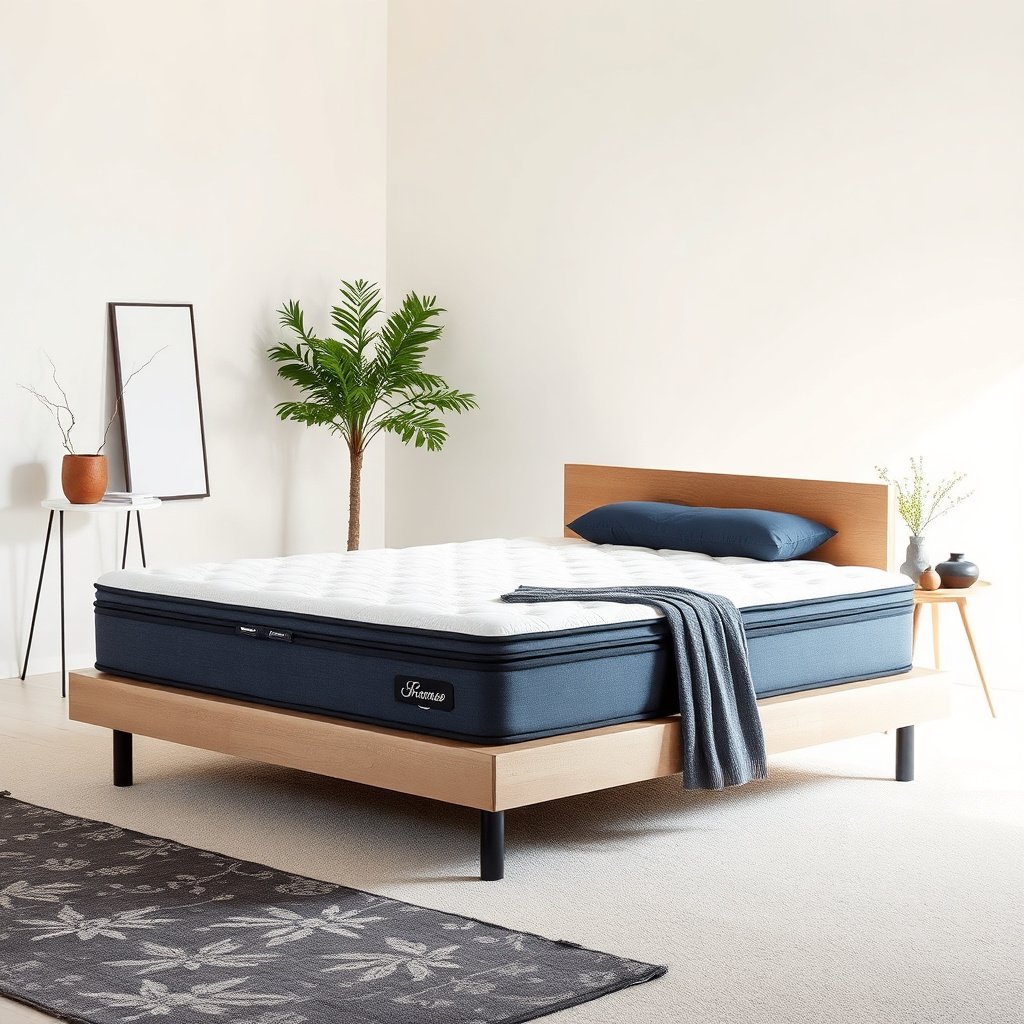
A side-sleeping gel memory foam mattress should relieve pressure without letting your hips sink out of alignment. The easiest way to verify that is to evaluate how the comfort layer contours and how the next layer “catches” your body before you bottom out.
Start by thinking in pressure zones: the shoulder and hip need to sink a bit so the mattress can distribute weight, but your midsection shouldn’t collapse. That collapse risk is what causes that “stuck or sore” feeling—especially by morning.
– Prioritize a comfort layer that contours at the shoulder/hip so you don’t bottom out and collapse your midsection. A comfort layer that’s too thick or too soft can create a “bow” under your waist rather than a neutral alignment from head to hips.
– Make sure there’s enough transition support beneath the comfort foam so your torso doesn’t sink too far compared to your head/neck. Transition layers (often firmer foam, a second memory foam layer, or a supportive polyfoam) reduce excessive sinking while keeping the pressure relief where you need it.
In my experience reading dozens of spec sheets and comparing firmness descriptions across brands, the most reliable sign of alignment support is not the word “plush,” but whether the company clearly describes layer-by-layer thickness and firmness—not just the comfort feel. If they don’t, you’re left guessing.
Understand what “gel memory foam” means (and what it doesn’t)
A gel label isn’t automatically a true cooling guarantee for side sleepers. In 2026, most “gel memory foam” products use gel to help spread heat or change surface feel, but cooling effectiveness still varies significantly based on foam density, airflow design, and cover material.
Here’s the key: gel usually impacts how heat is distributed at the mattress surface, not whether the mattress can actively remove heat all night. If your bedroom is warm, you may still feel hot even with gel, unless the mattress also improves breathability (like ventilation, open-cell structures, or a highly breathable cover).
– “Gel” can be infused into memory foam or added in other ways; cooling performance varies, so check the construction details (how/where gel is used). Some designs use gel throughout, others use gel particles in a specific layer, and others use a gel-coated surface. Those are very different experiences.
– Gel usually helps more with heat distribution than “active cooling,” so if you’re very hot at night, you may need to combine the mattress with breathable bedding and/or a cooling mattress cover.
If you run hot, the practical checklist is simple: gel may reduce the “warm lock-in” effect, but airflow (room + bedding) usually determines whether you stay comfortable after the first couple hours.
Cooling Features in “Gel” Mattresses: What They Actually Do
| # | Cooling mechanism | Primary effect | What side sleepers typically notice | Cooling help |
|---|---|---|---|---|
| 1 | Gel-infused memory foam | Heat redistribution | Less “warm pooling” at the surface; cooling feel can be subtle | ★★★☆☆ |
| 2 | PCM (phase-change) materials | Absorb/release heat at a target range | Often steadier temperature than gel alone | ★★★★☆ |
| 3 | Open-cell or ventilated foam | Airflow + reduced thermal buildup | Feels less trapped; better for consistently warm sleepers | ★★★★☆ |
| 4 | Breathable cover fabric (knit/mesh blend) | Moisture wicking + surface airflow | Helps with “damp warmth” more than initial chill | ★★★☆☆ |
| 5 | Latex (non-gel) alternatives | Naturally higher airflow than typical memory foam | Often sleeps cooler without relying on gel | ★★★★☆ |
| 6 | Perforations + internal airflow channels | Directly improves ventilation | Better sustained coolness for heavy side sleepers | ★★★★☆ |
| 7 | Surface gel “coating” only | Limited heat-sink volume | May feel cool briefly, but often won’t last all night | ★☆☆☆☆ |
Check the foam specs that matter for side-sleep comfort
A good gel memory foam mattress for side sleepers depends on the right foam behavior: it should contour deeply enough for pressure relief, then firm up enough to prevent excess sinking. Foam specs help you compare different mattresses more objectively than “soft/medium/firm” marketing claims.
Look for two types of guidance:
1) Density (how much material is in a given volume), which often correlates with durability and how quickly the foam regains shape.
2) Firmness guidance (often described via ILD/IFD—indentation load deflection/indentation force deflection—how much force it takes to compress a foam sample to a standard depth).
Also, compare layer thicknesses. A 2-inch comfort layer of very compliant memory foam can behave differently than a 1-inch top layer over a firmer transition system.
– Use the manufacturer’s listed foam density and firmness/indentation guidance to compare options; avoid judging only by comfort descriptions like “plush.” When brands give numbers, you can map softness to pressure relief rather than guessing from a showroom demo.
– Confirm layer thicknesses (comfort vs. transition vs. base support) so you can estimate whether the mattress will contour without letting you sink past the supportive zone. For side sleeping, the “zone control” between comfort and transition matters more than the base alone.
Important practical note: certifications (like CertiPUR-US) are about emissions and material restrictions, not cooling. Still, they matter for trust and material safety. For example, CertiPUR-US Certification Program Technical Requirements specify emissions criteria such as total VOC emissions at or below 0.5 mg/m³ and formaldehyde emissions at or below 0.05 ppm (per their testing framework). ASTM D3574 is commonly used to measure indentation load/deflection for foam performance comparisons.
Pick the right firmness for your body and side-sleep needs
A side sleeper usually needs “pressure-relieving soft” combined with “supportive stable.” That means the mattress should let your shoulder and hip sink enough to reduce pressure, while keeping your hips from dropping below your torso.
Firmness is also body-size dependent. If you’re lighter, too-firm mattresses can feel like they “ride up” and fail to contour pressure points. If you’re heavier, an overly soft comfort layer can cause your hips to sink and create misalignment—leading to morning stiffness.
– Side sleepers often do best when the mattress provides a noticeable “give” at pressure points but maintains support around the waist and hips to prevent misalignment. Think of it as “compliance for the shoulder/hip” plus “support for the center of your body.”
– If you’re between feels (e.g., “medium” vs. “soft”), lean toward the option that stops your hips from sinking—misalignment is a common reason side sleepers feel worse over time.
From a spec-reading standpoint, the best way to predict this is to look for a thicker transition support layer relative to the comfort layer, plus firmness guidance that isn’t only about the top foam.
If you want an extra reality check, take a simple posture test during your trial:
– Lie on your side and ask whether your spine looks relatively straight from head to hips (not curved down at the waist).
– Spend a full segment (at least 10–15 minutes) feeling for “bottoming” (the sensation that you’re going too far into the mattress).
Avoid the most common buying mistakes (what can go wrong)
A gel mattress can still miss your needs if you buy based on the cooling headline or ignore setup variables. Many “wrong feel” complaints come from the mattress being fine on paper, but not delivering in your bedroom conditions.
Also, side sleepers are sensitive to small changes in support. A comfort layer that’s slightly too soft, a frame that flexes, or bedding that traps heat can all shift how the mattress contours around the shoulder and hip.
– Buying based only on the “cooling” headline: if the comfort layer is too thick/too soft, you can still end up overheating (plus getting pressure buildup from poor support). Heat retention and pressure relief are connected through how the foam compresses and how air moves.
– Skipping practical factors like mattress height, frame compatibility, and whether your bedding traps heat (even the best cooling foams can feel warm with the wrong setup).
Edge case: couples. If one sleeper wants softer pressure relief and the other wants cooler, you may need to compromise—or consider zoning (hybrid or multi-zone support designs). Side sleeping on a single shared surface can exaggerate temperature and pressure differences between partners.
Also consider that some people simply dislike the slower “memory” feel. Gel doesn’t change that fundamental characteristic; it mostly affects temperature distribution and surface sensation.
Verdict: what to choose, and who should skip gel memory foam
If you want side-sleeper pressure relief and you tend to feel too firm (or wake up with shoulder/hip discomfort), gel memory foam is often a reasonable direction—just don’t treat “gel” as a guarantee of coolness. The most dependable approach in 2026 is to select a mattress where the comfort layer is contouring, the transition layer prevents excessive sinking, and the cooling design includes more than just a gel headline.
The downside is that gel memory foam can still sleep warm for some people, and very soft builds may allow excessive sinking. If you’re sensitive to heat or want consistently fast “bounce” responsiveness, you may prefer alternatives with more open airflow.
Who should skip it:
– If you strongly dislike the slow “memory” feel (some people prefer more responsive foams or hybrids).
– If you consistently sleep hot and don’t want to manage bedding airflow/covers, you may need a different cooling approach than gel alone.
If you’re not sure, focus on construction transparency first. A mattress that clearly lists layer thicknesses and offers a meaningful trial period typically reduces the risk of ending up with the wrong feel.
Quick side-sleeper checklist (scan before you decide)
| What to check | Why it matters for side sleeping | Pass/fail notes |
|---|---|---|
| Comfort + transition layers | Helps shoulder/hip pressure while keeping the torso supported | |
| Foam density/firmness guidance | Prevents bottoming out or feeling too firm | |
| Layer thicknesses | Too-thick comfort can cause sinking; too-thin may not relieve pressure | |
| Where gel is used | “Gel” varies by design and may not equal true cool-to-the-touch | |
| Return/trial terms | Lets you verify feel after your body adjusts | |
| Mattress height + frame fit | Wrong setup can worsen alignment or reduce support |
Frequently Asked Questions
What firmness level is best for a gel memory foam mattress for side sleepers?
Side sleepers usually do best with medium to medium-firm (about 4–6 out of 10) because it supports your hips and shoulders while still allowing your body to sink slightly. If you choose too soft, you may sink too deeply and strain your lower back; too firm can leave pressure on the shoulder and hip. Consider your weight and how you like to feel “hugged” by memory foam when selecting firmness.
How can I choose gel memory foam thickness for side sleeping comfort?
Look for total mattress thickness around 10–14 inches for most gel memory foam models, since it typically provides enough support layers to maintain spinal alignment. Thicker options can add more pressure relief, but they aren’t always better if the support core is too soft. If you’re heavier, you may prefer slightly thicker mattresses with denser support foam to prevent sagging.
Why does cooling matter in a gel memory foam mattress for side sleepers?
Side sleepers often press more surface area into the mattress, which can trap heat around the shoulder and hip. Gel-infused memory foam is designed to help dissipate heat and reduce sleep temperature buildup, improving comfort during the night. For better cooling, also check for breathable covers, airflow channels, or open-cell foam construction alongside gel technology.
Which gel memory foam mattress features help relieve shoulder and hip pressure for side sleepers?
Prioritize a top comfort layer that conforms closely (memory foam) paired with a supportive base layer to keep your spine aligned. A medium feel plus pressure-relieving foam zones can help reduce “shoulder sink” and hip discomfort. If available, look for designs that include contouring or targeted support (like ergonomic zoning) and a cover that won’t trap heat.
Best way to test whether a gel memory foam mattress is right for side sleeping?
Use your home trial period to assess comfort in your most common side-sleeping position, paying attention to pressure points at the shoulder, hip, and lower back. You should feel your shoulders and hips supported without excessive sinking, and you should wake up without numbness or lingering aches. If you can, compare models with similar firmness but different foam densities—higher-density support generally improves long-term alignment and reduces premature sag.
📅 Last Updated: November 02, 2026 | Topic: How to Choose a Gel Memory Foam Mattress for Side Sleepers | Content verified for accuracy and freshness.
References
- Memory foam
- Sleep position
- https://pubmed.ncbi.nlm.nih.gov/?term=memory+foam+pressure+distribution+sleep
- gel memory foam thermal comfort temperature – Search Results – PubMed
- mattress firmness pressure relief side sleeping – Search Results – PubMed
- How To Choose a Mattress for Better Sleep
- https://www.mayoclinic.org/healthy-lifestyle/adult-health/expert-answers/mattress/faq-20058232
- https://scholar.google.com/scholar?q=gel+memory+foam+mattress+side+sleepers+pressure+relief Google Scholar
- https://scholar.google.com/scholar?q=mattress+firmness+side+sleeping+pressure+distribution Google Scholar
- https://scholar.google.com/scholar?q=gel+memory+foam+thermal+comfort+temperature+study Google Scholar