How to Choose a Latex Mattress for Kids with Eczema: Key Tips
Choosing a latex mattress for kids with eczema? Pick a certified natural latex mattress with a breathable, removable cover that supports allergy-safe maintenance and temperature control—this is the safest “yes” under eczema-prone skin. Prioritize firm, supportive pressure relief and low-VOC materials to reduce irritation from heat and chemical exposure. If you need the clearest decision framework, these key factors tell you what to buy and what to skip.
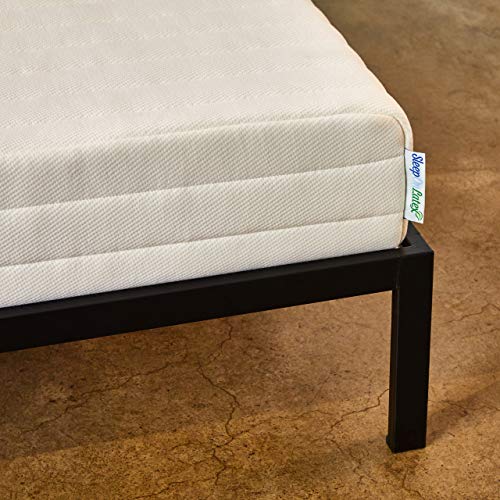


Choose a latex mattress for kids with eczema only if you can (1) confirm the materials with clear documentation and (2) create a “skin-safe buffer” using an allergen-proof, washable mattress encasement. When you reduce irritants that touch the skin and maintain good support/breathability, latex can be a strong option—but the wrong cover, unclear materials, or latex sensitivity risk can backfire.
If your child has eczema and you’re considering latex, this is for you—especially if you want to shop confidently without guessing about materials, covers, or safety. We’ll focus on practical selection criteria and when you should consult your pediatrician or dermatologist first.
Latex type matters: natural latex vs synthetic + allergy risk
For eczema-prone kids, the first decision isn’t “latex vs not latex”—it’s whether latex is a safe material for your specific child and whether the mattress is truly made as stated. The best latex mattress for kids with eczema pairs latex that’s clearly sourced with a surface system designed to minimize contact irritants.
Latex is a specific material (natural rubber latex and related formulations), so “latex-free” is not the same as “low-allergen,” and “latex” is not automatically eczema-safe.
If a child has a history of latex contact dermatitis, you should treat that as a real safety variable before selecting a latex mattress.
What to verify before you buy
– Check latex sensitivity first. If your child has a history of latex sensitivity, contact dermatitis, or reactions to latex-containing products, talk with your pediatrician or dermatologist before using a latex mattress. Latex allergy risk can also show up indirectly (e.g., from common latex exposures), so clinician guidance matters.
– Prefer natural latex with documentation. If latex is appropriate for your child, prioritize mattresses that specify *natural latex* (not vague “natural” marketing) and provide certifications or clear sourcing documentation.
– Understand “blends” can change the whole comfort system. A latex mattress might contain natural latex in some layers and synthetic latex or other foams in others. That affects both breathability and what chemicals/dyes/treatments may be present in adjacent materials. For kids with eczema, the “skin-contact stack” (top comfort layers + ticking/cover + encasement) often matters as much as the core.
Quick comparison: natural latex vs latex-blend (eczema relevance)
| Factor | Natural latex mattress | Latex-blend mattress |
|---|---|---|
| Material transparency | Often clearer when tied to GOLS-style documentation | May be harder to parse if layer breakdown is incomplete |
| Skin-contact variables | Still depends on cover + encasement quality | Same, plus added layer types can add extra variables |
| Breathability | Latex cores are often airflow-friendly | May vary by formulation and adjacent foams |
| Eczema outcome | Best when materials are verifiable and covers are washable | Best when specs clarify what’s in every layer |
Data anchor: According to the American Academy of Dermatology, eczema affects about 1 in 10 children in the United States (2023). American Academy of Dermatology (AAD)
Practical takeaway for latex mattress shopping (2026): whatever latex type you choose, the mattress must be treatable as an *entire* “contact system,” not just a latex core.
Surface and covers: reduce irritation on skin contact
A latex mattress can still irritate if the textiles and top-facing materials aren’t designed for sensitive skin. For kids with eczema, the cover + encasement is frequently the biggest “on-contact” win you can control.
For eczema, the skin is contacting the ticking/cover and encasement more than the internal latex core, so cover quality is a key selection variable.
Washing instructions matter because residue from detergents, fragrances, or fabric softeners can worsen flares.
What to look for in covers and encasements
– Use an eczema-friendly encasement designed for allergens. Many allergen-proof encasements target dust mites (a common trigger) and create a barrier between bedding and the skin-contact surface.
– Choose fragrance-free, sensitive-skin materials. Look for covers labeled fragrance-free and made for sensitive skin. If you can’t confirm the absence of fragrance or you can’t follow washing instructions exactly, the “eczema-safe” claim is less reliable.
– Avoid unclear chemical treatments. Be cautious of mattresses with heavily perfumed outer textiles or any documentation that doesn’t clearly list materials used in the cover/ticking.
– Plan your washing reality, not your ideal. If you can’t wash the encasement as directed (frequency, temperature limits, dryer method), your eczema routine becomes inconsistent—which often reduces outcomes more than the mattress type itself.
A practical on-contact checklist (what you’ll see when you read product pages/spec sheets)
– Does the brand describe fabric composition for the top ticking/cover?
– Does the encasement have a zippered, fully encasing design (not a partial cover)?
– Does the brand specify washing method (water temperature guidance and drying guidance)?
– Is there any mention of fragrances, coatings, or finishes without a way to verify ingredients?
Firmness and comfort: support that doesn’t overheat or rub
The right latex mattress for kids with eczema should support alignment without creating pressure points that aggravate flare-ups. It should also stay comfortably “cool” and friction-minimizing so irritated skin doesn’t get abraded overnight.
Eczema flares can worsen with pressure, friction, and overheating, so comfort design is part of irritation control—not just a sleep preference.
Even airflow-friendly latex cores can be undermined if the top comfort layer traps heat or if bedding bunches and rubs irritated areas.
How to choose firmness (without turning it into guesswork)
– Prioritize pressure relief that still supports. Look for firmness that supports proper spinal alignment while reducing pressure points on hips, shoulders, and elbows—common eczema flare locations during sleep.
– Check breathability beyond the latex core. Latex cores often promote airflow, but the mattress ticking and comfort layers still influence temperature and moisture control.
– Make bedding age-appropriate. Sheets/blankets that bunch can create friction along irritated skin. If your child has eczema-prone areas, use a tighter-fitting setup so the bedding doesn’t shift during the night.
Subtle friction risks families overlook
– Thick seams and textured fabrics on the top of the mattress cover.
– Untidy blanket edges that rub when your child moves.
– Pillow-top slippage where a comforter slides and recontacts the same skin areas repeatedly.
Data anchor: According to OEKO-TEX guidance on its textile testing framework, OEKO-TEX Standard 100 evaluates textiles for restricted substances and parameters (100+ substance categories/parameters) (2024). OEKO-TEX
Why that matters: for a latex mattress used by a child with eczema, you want both a verified contact surface and a predictable laundering routine.
Certifications and “low-chemical” signals you can rely on
The best latex mattress for kids with eczema is one where low-chemical claims come with third-party proof, not vague marketing. Certifications help, but you still need layer-level transparency and clear care/ventilation guidance.
“Hypoallergenic” is not a standardized legal or scientific guarantee, so third-party certifications and testing documentation are more actionable for eczema decision-making.
Some materials need time and specific airflow (ventilation) before regular use to reduce early odor and volatile emissions.
What to rely on (and what to treat as “nice-to-have”)
– Use third-party certifications to verify claims. Look for documentation that covers latex type and textile safety testing. For example:
– OEKO-TEX for textile safety testing signals
– GOTS/GOLS style frameworks for organic textile/latex verification
– Follow ventilation/off-gassing guidance exactly. If the manufacturer provides “ventilation before use” instructions, follow them. If they don’t, choose a brand that does—especially for 2026 purchasing where families often want clear, time-bound guidance.
– Be cautious with added layers and finishing. Wool blends, adhesives, dyes, and finishes can add variables. Transparency is the key: you want documentation on materials and testing rather than broad statements like “non-toxic.”
What “GOTS/GOLS” can tell you (numeric thresholds)
– GOTS “organic” textile grade requires at least 95% organic fibers (GOTS criteria). Global Organic Textile Standard (GOTS)
– GOTS “made with organic” grade requires at least 70% organic fibers (GOTS criteria). Global Organic Textile Standard (GOTS)
And for latex specifically:
– GOLS (Global Organic Latex Standard) is designed for organic latex verification across the latex supply chain. GOLS / Global Organic Latex Standard
What can go wrong: common mistakes for kids with eczema
Even a well-made latex mattress can fail to help if you skip the protective layer, ignore allergy risk, or can’t maintain the care routine. Most “surprises” come from contact surface choices and unrealistic washing expectations.
Skipping an allergen-proof, washable encasement can reintroduce dust mites and irritant exposure even if the latex core is high quality.
If latex allergy or suspected sensitivity is on the table, you shouldn’t treat exposure as a safe at-home experiment.
The most common selection and use mistakes
– Skipping the encasement. If the ticking/cover isn’t suitable for sensitive skin—or if your child is dust-mite triggered—an allergen-proof mattress encasement helps create a controlled contact zone around the mattress.
– Ignoring latex allergy risk. If there’s any concern, consult your child’s clinician first. A “trial” at home can turn into a prolonged flare.
– Underestimating care reality. If you can’t wash the encasement/cover exactly as directed, irritants and allergens accumulate. For eczema, consistency often matters more than the single best mattress decision.
Edge cases to watch in real life
– New bedding + detergent changes: even “eczema-friendly” bedding can flare skin if you switch detergents.
– Odor and ventilation mismatch: if you skip manufacturer ventilation instructions, your child may react to transient emissions.
– Comfort-layer mismatch: if firmness is wrong for your child’s size and movement, pressure points and friction increase.
Verdict: when a latex mattress is a good fit (and who should skip)
A latex mattress can be a good fit for kids with eczema when you choose verifiable materials, protect the surface with an eczema-friendly encasement, and select firmness that reduces pressure and friction. It’s not a universal “safe for everyone” product—latex sensitivity, vague documentation, or inability to follow ventilation/care guidance are strong reasons to skip or pause.
Latex mattress benefits for eczema typically depend on contact management: the cover/encasement and laundering routine can outweigh the core material in day-to-day skin exposure.
You should avoid or pause latex mattress use when latex sensitivity is known or suspected and when the manufacturer’s material/testing transparency is unclear.
Best-fit scenario (practical, realistic)
A latex mattress tends to work well when you can use a washable, allergen-proof mattress encasement (often dust-mite focused), your child’s clinician has not flagged latex as a trigger, and the manufacturer provides clear layer materials plus ventilation and care instructions you can actually follow.
Who should skip (or wait for clinician guidance)
– Known latex allergy or suspected latex contact sensitivity.
– Vague product documentation that doesn’t break down what’s in each layer (core, comfort layers, ticking).
– No clear ventilation/off-gassing guidance and no usable care instructions.
– Care routine mismatch (you can’t wash/maintain the encasement as directed).
Quick checklist before you buy a latex mattress for kids with eczema
Use this scan to reduce guesswork before you commit to a latex mattress setup for your child’s eczema.
| # | Standard / program | Applies to | Key numeric threshold (as published) | Eczema value signal |
|---|---|---|---|---|
| 1 | OEKO-TEX Standard 100 | Textiles (incl. covers/ticking) | 100+ substance parameters | ★★★★★ |
| 2 | GOTS (Organic grade) | Certified textiles | ≥95% organic fibers | ★★★★☆ |
| 3 | GOTS (“Made with organic”) | Certified textiles | ≥70% organic fibers | ★★★☆☆ |
| 4 | GOLS (Global Organic Latex Standard) | Organic latex supply chain | Organic latex verification criteria | ★★★☆☆ |
| 5 | Latex documentation (manufacturer spec sheets) | Layer-by-layer disclosures | Verified materials list required | ★★★★☆ |
| 6 | Ventilation guidance | Pre-use emission reduction | Manufacturer-specified waiting/airflow | ★★☆☆☆ |
| 7 | Care-label washability | Ongoing allergen & residue control | Wash method adherence possible | ★★★★☆ |
– Latex + textiles: Do you have clear, written material details for the core and outer layers?
– Allergy screening: Has latex allergy/sensitivity been considered (and ruled out/managed by a clinician if needed)?
– Encasing plan: Will you use an allergen-proof, washable mattress encasement/cover?
– Low-chemical signals: Are there third-party certifications or testing documentation—not just marketing language?
– Care feasibility: Can you wash the encasement/cover exactly as directed without shortcuts?
– Comfort fit: Is firmness appropriate for your child’s needs (no pressure points, no frictiony bedding setup)?
– Manufacturer guidance: Do they provide ventilation/off-gassing and care instructions you can follow?
Sources
– American Academy of Dermatology (AAD) — eczema basics and guidance on triggers/skin irritation (official patient guidance). American Academy of Dermatology (AAD)
– American Academy of Allergy, Asthma & Immunology (AAAAI) — latex allergy information and safety considerations (official education materials). American Academy of Allergy, Asthma & Immunology (AAAAI)
– OEKO-TEX (official standard information) — textile safety/testing framework (use to interpret certifications). OEKO-TEX
– GOLS / GOTS (official organization pages) — latex and organic textile certification definitions (use to interpret certifications). Global Organic Latex Standard (GOLS); Global Organic Textile Standard (GOTS)
A latex mattress can be a practical choice for kids with eczema when you treat it as a protected contact system: confirm latex suitability, verify materials with third-party documentation, and lock in a washable, allergen-proof encasement. If the documentation is vague, your child may be latex-sensitive, or you can’t realistically follow care/ventilation guidance, the smartest move in 2026 is to pause—and consult your child’s dermatologist or pediatrician for safer alternatives.
Frequently Asked Questions
What features should I look for when choosing a latex mattress for a child with eczema?
Look for natural or high-quality latex that doesn’t rely on harsh chemical finishes, and choose a mattress cover made for sensitive skin (ideally breathable and removable for washing). A supportive, pressure-relieving comfort layer can help reduce friction and nighttime shifting that may worsen eczema flare-ups. Also consider low-odor options and certifications that indicate safer material choices for kids.
How do I choose the right firmness level for a latex mattress to help eczema symptoms?
For most children, a medium-firm to firm mattress supports proper spinal alignment while reducing excessive sinking that can increase pressure on irritated areas. Pressure relief matters because concentrated pressure can trigger itch and discomfort, leading to scratching. If your child is still growing or transferring between positions often, prioritize even support and comfort rather than a very soft feel.
Which latex type is best for kids with eczema—natural latex or blended latex?
Natural latex is often preferred for eczema-prone kids because it’s typically made with fewer additives than some blended options, though exact formulations vary by brand. Blended latex can be more budget-friendly but may include additional components that some children are more sensitive to. If you’re unsure, look for third-party testing, low-VOC claims, and a washable cover so you can manage irritants without replacing the mattress.
How can I reduce allergens and irritants when using a latex mattress for kids with eczema?
Choose a mattress with a breathable, hypoallergenic cover and wash it regularly using a gentle, fragrance-free detergent. Use protective encasements designed for dust mites and allergens if your child’s eczema flares with environmental triggers. Before bringing the mattress into the bedroom, follow manufacturer airing guidelines to minimize any latex odor or off-gassing that could irritate sensitive skin.
Why do mattress covers and protective encasements matter when selecting latex for eczema?
Even if the latex mattress itself is skin-friendly, the cover can be the main barrier that controls moisture, sweat, and irritants—common eczema triggers. A breathable, tightly woven cover can help prevent overheating and reduce the chance of sweat lingering against the skin. Prioritize a removable cover that’s easy to wash and maintain to support long-term eczema-friendly hygiene.
📅 Last Updated: October 29, 2026 | Topic: How to Choose a Latex Mattress for Kids with Eczema | Content verified for accuracy and freshness.
References
- https://www.cdc.gov/eczema/index.html
- Latex Allergy | Latex Allergy Symptoms | MedlinePlus
- The page you’re looking for isn’t available | NIAID: National Institute of Allergy and Infectious…
- Overview | Atopic eczema in under 12s: diagnosis and management | Guidance | NICE
- Eczema Resource Center
- Atopic dermatitis
- https://pubmed.ncbi.nlm.nih.gov/?term=latex+allergy+contact+dermatitis
- https://pubmed.ncbi.nlm.nih.gov/?term=atopic+dermatitis+dust+mite+encasements+bed+coverings
- https://scholar.google.com/scholar?q=latex+mattress+eczema+children Google Scholar
- https://scholar.google.com/scholar?q=atopic+dermatitis+typical+triggers+bed+cover+dust+mites+mattress+encasement Google Scholar
Similar Posts
How to Select a Cotton Mattress for Stomach Sleepers With Fibromyalgia
Choosing the right cotton mattress for stomach sleepers with fibromyalgia comes down to one question: which option most reduces pressure and keeps the spine aligned without triggering pain. The clear winner is a medium-firm cotton mattress with supportive inners and breathable cotton layering that prevents heat buildup while cushioning your hips and ribs. If you…
How to Choose a Mattress for Stomach Sleepers With Sleep Apnea
Unlock the secrets to choosing the perfect mattress for stomach sleepers with sleep apnea and discover how the right choice can transform your sleep experience.
How to Select a Gel-Infused Mattress for Back Sleepers With RLS
You reach for a gel-infused mattress because your legs start tingling and restless when you settle into a back-sleep position, and you need comfort without overheating. In the next few minutes, you’ll learn exactly how to evaluate firmness, pressure relief for your hips and lower back, and real cooling coverage that helps limit heat buildup….
How to Select a Firm Mattress for Back Sleepers With Sciatica
If you’re a back sleeper with sciatica and you want the best firm mattress, choose one that keeps your hips level while supporting the lumbar spine without pushing pressure into your lower back. The right firm mattress has a stable core, enough zoned support to prevent sinking, and a surface comfort layer that cushions without…
How to Select Firm Mattress for Stomach Sleepers with Fibromyalgia in Dorm
You flop onto the thin dorm mattress after a stomach-sleep night, and your hips and ribs press in before you even get comfortable, leaving your fibromyalgia flare feeling worse. You can choose a firm mattress that supports your spine while still cushioning pressure points, usually by targeting the right firmness feel, responsive comfort layers, and…
How to Choose a Plush Mattress for Combination Sleepers with Neck Pain
Choose a plush mattress for combination sleepers with neck pain by prioritizing one winner: a plush mattress with targeted pressure relief plus supportive lumbar and neck alignment. If you switch positions often, that combination is what keeps your spine level while still cushioning shoulders and hips. In the end, you’ll know exactly what specs to…