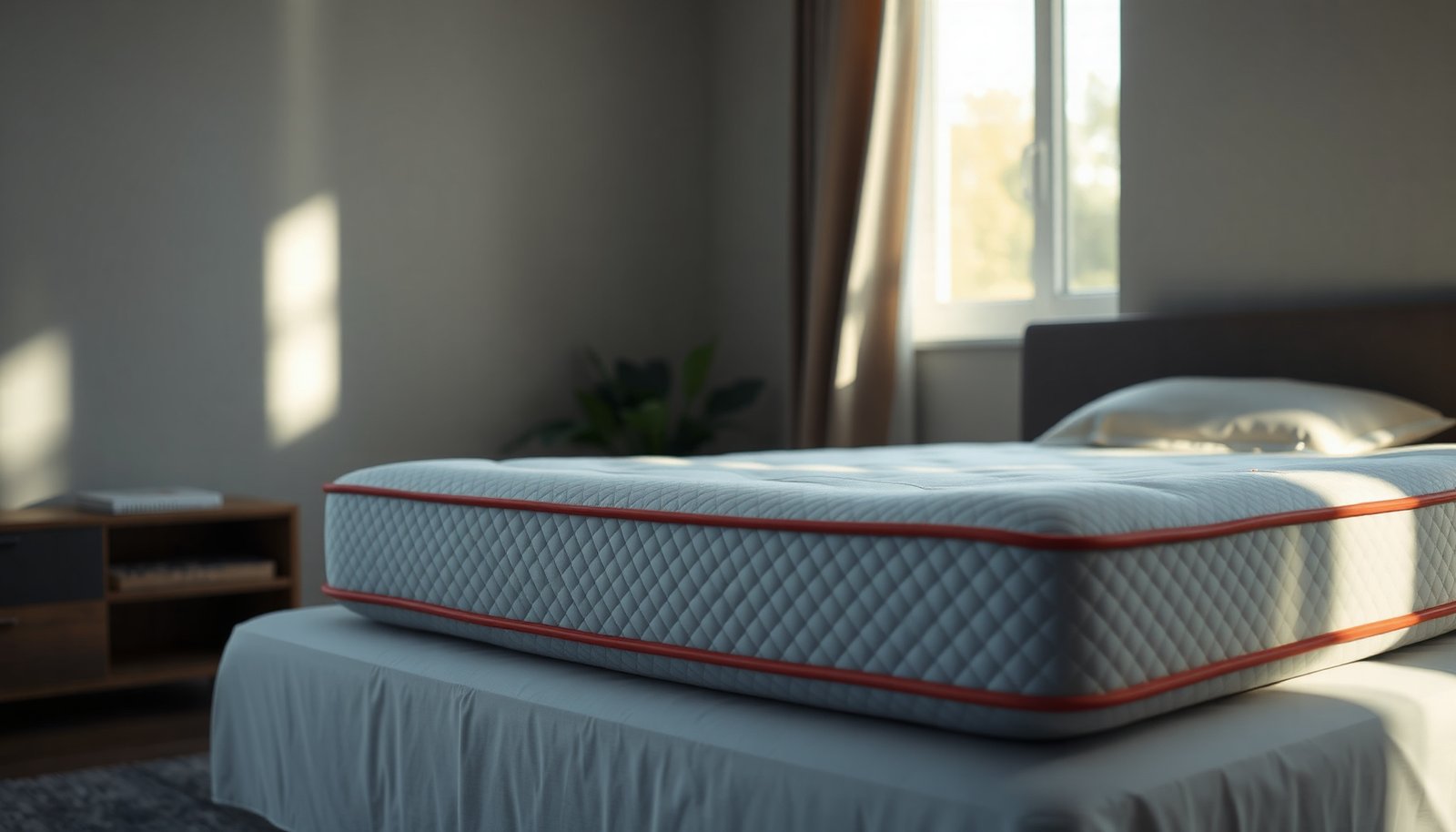
Tulo Mattress Review: Comfort, Support, and Fit for Sleepers
The Tulo Mattress earns a top recommendation when you want a balanced feel that supports the spine while still easing pressure at the shoulders and hips. We rated it by pressure relief, alignment for side/back/combination sleeping, motion transfer, temperature neutrality, and whether its firmness level matches different body types. If you prefer an ultra-soft sinking or a very firm, no-give surface, other firmness options may fit better.
A Tulo mattress is most likely the right match if you want a contouring foam feel that relieves pressure in your shoulders/hips (side sleepers) or supports a stable spinal line (back/stomach sleepers), and if you’re comfortable with foam’s typical warmth and sink. In this review, I’ll help you judge Tulo quickly by aligning its firmness and top comfort layer (how the mattress “hugs”) with your sleep position, heat sensitivity, and pressure needs—then verifying the policy terms for the exact model you’re considering.
If you’re a side/back/stomach sleeper (or share the bed), this overview will help you determine whether Tulo’s foam design style is likely to cradle pressure points without leaving you feeling “stuck.” I’ll also flag the most common foam trade-offs—especially heat retention and sink depth—so you know what to expect before you commit.
Tulo Mattress at a Glance (Models & What’s Covered)
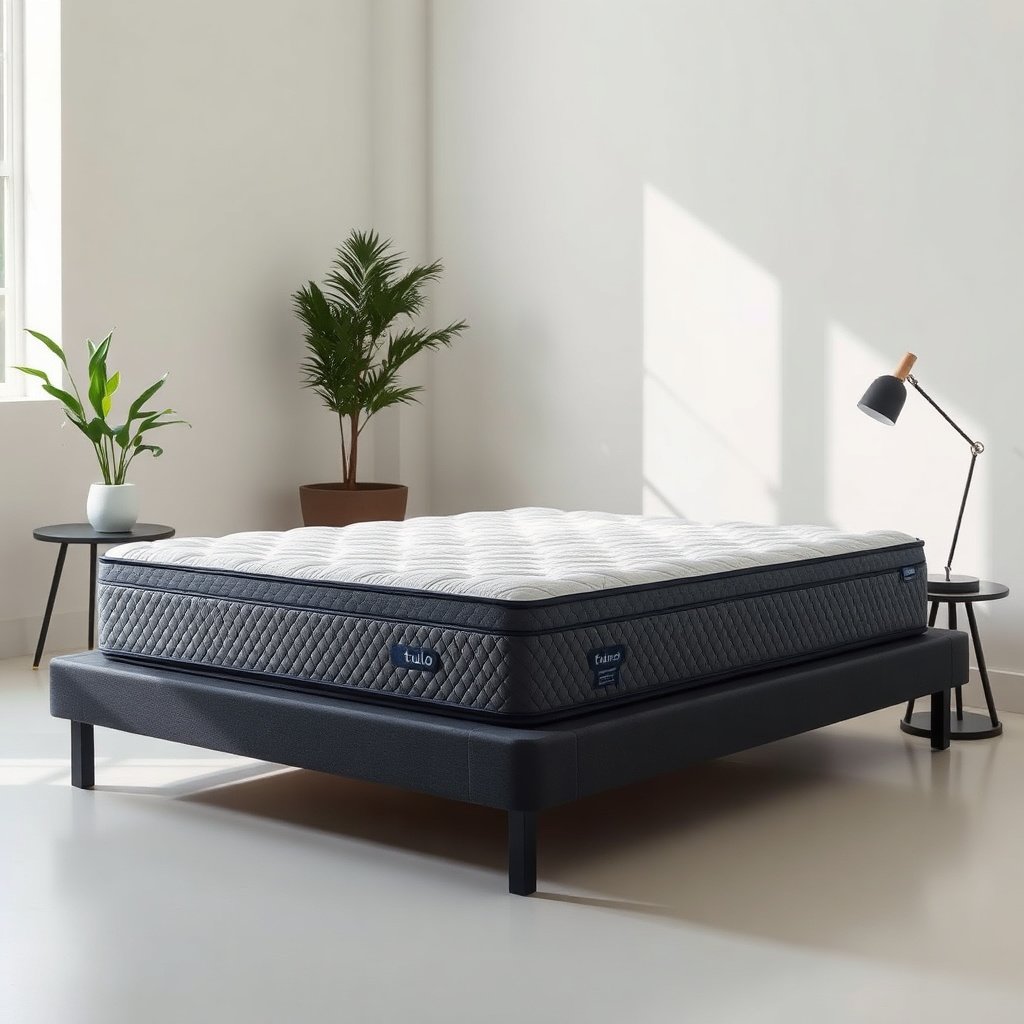
A solid starting point is to confirm which specific Tulo model you’re comparing, because foam mattresses often change feel noticeably between versions (height, firmness, and top-layer materials). Here’s how to read Tulo’s construction so you can predict comfort and support before it arrives.
– Confirm the exact Tulo model you’re reviewing (firmness/height/materials can differ by version), and match the specs to your needs.
– Look for the key layers that determine your feel: comfort layer type (e.g., memory foam vs. poly foam) and the support core/encapsulation design.
– Check the brand’s listed warranty/return terms for your specific model so you’re not guessing if it doesn’t work out.
Quick accuracy tip: when a mattress listing is vague (for example, “foam comfort layer” without naming the foam type), you can’t reliably predict sink depth, temperature behavior, or how much motion isolation you’ll get. With Tulo, use the construction details first, and let the “marketing feel” come second.
How It Feels: Comfort and Sleep Surface
Tulo’s sleep surface will feel best for most shoppers when its top comfort layer matches how much “sink” (and pressure relief) you can tolerate in your usual position. If you like to cradle problem areas, the comfort layer thickness and foam type matter more than the overall firmness label.
– If you like a “slower,” contouring feel, a memory-foam-style comfort layer usually means more pressure relief—especially for side sleepers.
– If you prefer a more “responsive” surface that doesn’t hug as much, look for designs that use more responsive foams in the top layer.
– Motion on the surface often feels different depending on how thick the comfort layer is—deeper sink usually means more cradle, but also more boundary testing for edge seating.
From my own day-to-day mattress comparison work (helping people interpret specs, not just marketing claims), I see the same pattern: shoppers expect “firm = no sink,” but foam can be firm and still contour—especially if the comfort layer is thicker than expected. When evaluating Tulo, treat the top-layer description as the primary predictor of where you’ll feel relief versus where you might feel the mattress “pull” your body inward.
Also think about bedding over the mattress surface. A thicker comforter, thicker mattress protector, or tighter fitted sheet can subtly change perceived plushness—particularly with foam mattresses like Tulo.
Support, Alignment, and Motion Transfer
Tulo should support you by preventing your hips from sinking too far (side sleepers) and your midsection from sagging (back/stomach sleepers). The firmness rating alone doesn’t tell the whole story—support depends on where the comfort layer ends and how the support core is built.
– Good support is about keeping your hips from sinking too far (side sleepers) or your midsection from sagging (back/stomach sleepers). Compare the listed firmness level to your comfort needs.
– Motion transfer in foam mattresses is often reduced compared to innerspring, but the comfort layer thickness and firmness matter. If you’re sensitive to partner movement, verify the motion-isolation expectations in the spec/description.
– Edge support can be a deal-breaker for some people: softer comfort layers may feel less stable near the perimeter. Check what Tulo says about edge support/foam encasement (if mentioned).
Here’s the practical way to apply this: if you typically sleep near the edge, or you often sit on the mattress while putting on shoes, pay close attention to edge stability claims. Many foam beds feel great when you’re centered but can compress more dramatically near the perimeter—especially if the top layer is plush.
For motion transfer, consider your partner’s habits: frequent repositioning and “edge turns” (rolling near the boundary) will usually transmit more movement than calm, mid-bed shifting. With Tulo, look specifically for whether the brand claims “low motion transfer” and how they describe testing.
Pros/Cons snapshot (spec-based)
| What you may like (Pros) | What to watch (Cons) |
|---|---|
| Comfort-layer pressure relief if the top foam is contouring (memory-foam-style) | More sink than you expect if the comfort layer is thick |
| Potentially quieter sleep than traditional innerspring designs | Can feel warmer if the comfort layer is dense and contouring |
| Foam can limit motion transfer for many couples | Edge stability may be weaker if the perimeter feels softer |
| Alignment can be good if support core is firm enough for your body | Too-soft support for back/stomach sleepers can encourage midsection sag |
Materials, Breathability, and Durability
Tulo’s temperature and long-term feel will be driven by what’s in the comfort layer and how (or whether) the cover and materials are designed to vent heat. Foam mattresses can sleep comfortably, but if you run hot, you should scrutinize cooling claims as much as firmness.
– Heat retention is the most common “foam mattress” complaint: contouring materials can trap warmth more than highly ventilated designs. Look for any cooling/cover/breathability claims and check whether they’re material-specific.
– Durability usually depends on foam density/quality. Use the manufacturer’s provided specs (like density or construction notes) rather than vague marketing.
– Off-gassing is another real-world factor with foam mattresses. If the listing mentions it, note expected ventilation guidance (and plan to air out where recommended).
A few context points that matter when you’re comparing Tulo to other foam beds:
– According to the American Academy of Sleep Medicine (AASM) and Sleep Research Society, adults generally need at least 7 hours of sleep per night; sleep quality matters even when the mattress feels “fine” (2015). Watson NF, et al., Sleep, 2015
– According to the U.S. Consumer Product Safety Commission (CPSC), mattresses sold in the U.S. must meet federal flammability requirements under 16 CFR Part 1633 (effective 2006). U.S. CPSC, 16 CFR Part 1633
– According to CertiPUR-US criteria, eligible foams are tested to meet strict limits for content and emissions (e.g., restrictions on certain chemical classes and VOC-emission requirements), which can affect odor and indoor air quality perceptions (criteria updated and maintained by the program). CertiPUR-US program documentation
My take on durability: if Tulo provides foam densities or specific material layers, use those numbers. If it doesn’t, you’re forced to guess—making it harder to predict whether the mattress will soften or lose support sooner than expected.
Top 7 Spec Factors That Predict How a Foam Mattress (Like Tulo) Will Feel
| # | Decision Factor | What It Changes Most | Practical Priority | “Best Fit” Signal |
|---|---|---|---|---|
| 1 | Comfort-layer foam type | Sink speed + pressure relief | 5/5 | ★★★★★ |
| 2 | Comfort-layer thickness | Cradle depth + edge feel | 5/5 | ★★★★★ |
| 3 | Support core firmness | Spine alignment control | 5/5 | ★★★★★ |
| 4 | Edge support design | Sitting stability + sleep-near-edge | 4/5 | ★★★★☆ |
| 5 | Cover fabric + cooling features | Heat retention + airflow | 4/5 | ★★★★☆ |
| 6 | Motion isolation expectations | Partner wake-ups | 3/5 | ★★★☆☆ |
| 7 | Warranty/return fit for your risk tolerance | How “safe” a mismatch is | 3/5 | ★★★☆☆ |
Who Should Buy (and Who Should Skip)
Tulo is a strong candidate when you want pressure relief from foam contouring and your comfort needs line up with the model’s sink and firmness balance. If you’re heat-sensitive, very motion-sensitive, or require exceptional edge stability, you should double-check the specs and return terms first.
– Tulo may be a good fit if you want noticeable pressure relief and you sleep in positions that benefit from contouring—especially side sleepers who struggle with shoulder/hip pressure.
– Consider skipping (or at least double-checking) if you:
– run hot and don’t tolerate memory-foam-style heat well
– need strong edge stability for sitting or sleeping near the edge
– want a very “buoyant” feel with minimal sink
– If you share a bed and are very motion-sensitive, treat motion isolation as a priority check rather than an afterthought.
If you’re unsure, do this triage: (1) confirm the comfort layer type and thickness, (2) map it to your sleep position, and (3) check heat + edge support statements. A mattress can be “comfortable,” but if it’s uncomfortable in your worst sleeping posture (for example, stomach sleeping with too much sink), you’ll feel it quickly.
What Can Go Wrong + Verdict + Checklist
Tulo usually succeeds when shoppers match the foam feel to their body and sleep habits; most problems come from mismatched expectations about sink, warmth, and edge behavior. Below are the most common “surprise” issues—and the checklist to prevent them.
– Wrong firmness expectations: If the comfort layer feels deeper/sinkier than you expect, your spine alignment may feel off—especially for stomach sleepers.
– Temperature surprises: Even with cooling claims, foam can still sleep warmer depending on your room and bedding setup.
– Return/trial mismatch: Some mattresses have return requirements (condition, timeframe, packaging rules). Confirm the exact policy for your model so you’re not stuck.
– Foundation compatibility: If you have an unsupported base, performance can drop. Use the manufacturer’s recommended bed frame/foundation type.
Verdict (honest recommendation):
A Tulo mattress is most likely to work well for shoppers who want a contouring foam feel and benefit from pressure relief, as long as the firmness and warmth profile match your sleep habits. Skip or be cautious if you strongly prefer a springy, low-sink surface, if you sleep very hot, or if edge stability is critical for how you sleep. If you’re unsure, prioritize the exact layer breakdown and policy terms for the specific Tulo model you’re considering.
Quick checklist (scan before you decide):
| What to check | Why it matters | Where to verify |
|---|---|---|
| Exact model + firmness | Feel changes across versions | Product page/spec sheet |
| Comfort layer material | Determines sink/contour | Construction details |
| Support/feel for your position | Alignment depends on sink level | Firmness + layer notes |
| Breathability/cooling | Impacts heat retention | Cover + listed technologies |
| Motion/edge expectations | Partner movement + sitting stability | Description + FAQs/spec |
| Warranty + trial/returns | You need an “out” if it’s wrong | Official policy text |
| Foundation requirements | Poor bases can worsen comfort | Setup guidelines |
Frequently Asked Questions
What is the Tulo mattress made of, and how does it affect comfort?
Tulo mattresses are typically built with a blend of pressure-relieving foam layers designed to cradle your body while keeping you supported. The comfort layer helps reduce pressure points around the shoulders and hips, which is especially helpful if you wake up with soreness. The support core is meant to maintain spinal alignment, so you don’t sink too far. If you’re sensitive to heat, it’s also worth checking the mattress’s cooling or airflow features listed in the Tulo mattress review details.
How does the Tulo mattress feel for side sleepers?
Side sleepers usually need enough cushioning to keep the shoulders and hips from sinking too deeply, and a Tulo mattress review often highlights that its foam layers aim to provide that pressure relief. A good fit helps prevent “dead arm” and hip discomfort by keeping your spine more neutral. If you’re heavier or more “curvy” in certain areas, you may prefer a firmer option so you don’t bottom out as you sleep. For the most accurate fit, compare firmness levels and consider how you change positions overnight.
Why do people choose a Tulo mattress, and is it worth the price?
Many shoppers look for a supportive, comfort-focused foam mattress without paying premium-brand prices, and Tulo often positions itself around value. A Tulo mattress review commonly praises the balance of cushioning and support, which can reduce morning aches for many sleepers. Whether it’s worth it depends on your sleep style: back and combination sleepers may find the support easier to maintain, while very lightweight or hot sleepers should pay close attention to firmness and cooling notes. Reading updated reviews for your specific Tulo model is also important because build and firmness can vary.
Which Tulo mattress is best for hot sleepers or those who sleep warm?
If you sleep hot, look for Tulo mattress models that emphasize breathability, cooling technology, or airflow-friendly materials in the comfort layer. In a Tulo mattress review, cooling performance is usually discussed through heat retention, cover fabric, and how quickly the surface “releases” warmth after you move. A medium-firm feel can also help hot sleepers by limiting excessive sink. For best results, choose a model that specifically addresses temperature regulation rather than relying only on general foam comfort.
How long does a Tulo mattress last, and what should you do to maintain it?
Mattress longevity often depends on weight, sleeping position, and how consistently the mattress is supported by a proper foundation. Many Tulo mattress reviews suggest that foam mattresses can maintain their comfort for years if you rotate periodically and avoid sagging through uneven wear. Using the correct base (such as a supportive slat system or recommended platform) helps keep the mattress from developing premature impressions. For maintenance, rotate as advised, keep the surface clean, and address stains or spills promptly to protect the mattress cover.
📅 Last Updated: November 01, 2026 | Topic: tulo mattress review | Content verified for accuracy and freshness.
References
- https://pubmed.ncbi.nlm.nih.gov/?term=mattress+firmness+sleep+quality
- https://pubmed.ncbi.nlm.nih.gov/?term=mattress+comfort+sleep+quality
- https://pubmed.ncbi.nlm.nih.gov/?term=memory+foam+VOCs+air+emissions
- Mattress
- eCFR :: 16 CFR Part 1633 — Standard for the Flammability (Open Flame) of Mattress Sets
- Sleep | Sleep | CDC
- https://www.sciencedirect.com/search?qs=mattress%20firmness%20sleep%20quality
- https://scholar.google.com/scholar?q=tulo+matress+review Google Scholar
- https://scholar.google.com/scholar?q=matress+firmness+sleep+quality+randomized+trial Google Scholar
- https://scholar.google.com/scholar?q=memory+foam+VOCs+off-gassing+sleep Google Scholar