
How to Choose the Right Mattress Firmness for Side Sleepers
What firmness should a side sleeper choose to keep the shoulders and hips aligned? For most people, medium to medium-firm offers the pressure relief needed without letting you sink too deeply. You can dial this in by checking how your shoulder and hip feel during a 10-minute test, considering your body weight and mattress type, and using comfort layers to fine-tune the support.


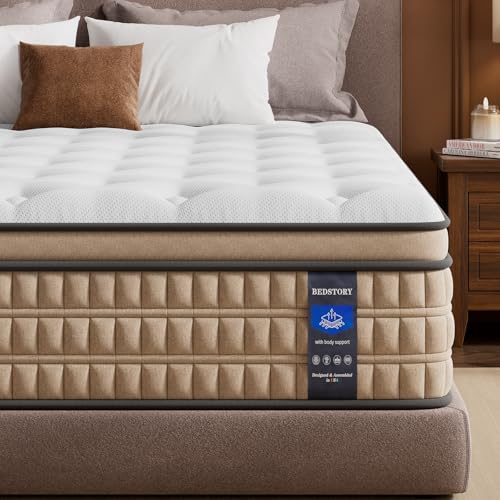
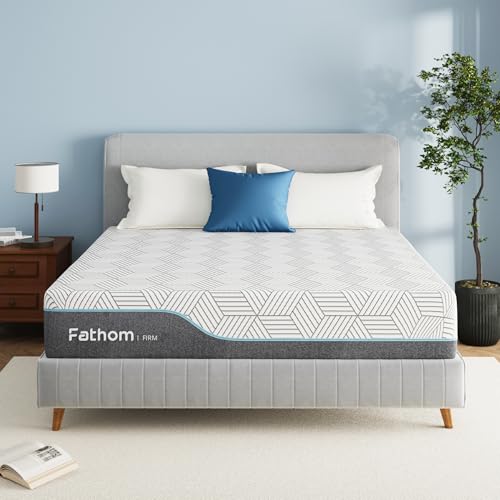
Side sleepers usually do best with a mattress that’s medium to medium-firm—soft enough to cushion the shoulder and hip, but firm enough to keep your spine from “hiking” upward. If your mattress causes shoulder/hip pressure or leaves your mid-back sagging, the firmness level is off. This guide walks you through how to judge the right firmness using pressure, alignment, and mattress-type differences.
If you sleep on your side (even part-time) and you’ve felt either numbness/pressure in your shoulder or an uncomfortable arch in your lower back, this is for you. It’s especially helpful if you’re comparing foam vs. hybrid vs. innerspring and the “firmness” number on the label doesn’t seem to match how it feels in your home.
Why firmness feels different when you sleep on your side
For side sleepers, the “same firmness” can feel totally different because your shoulder and hip carry most of your body weight. The goal is not maximum softness—it’s the right balance of pressure relief for the joints and support for spinal alignment.
– Side sleeping concentrates your weight at the shoulder and hip, so the wrong firmness usually shows up as pressure points or uneven sinking.
– Your goal isn’t “as soft as possible”—it’s enough give for joints to settle, plus support to keep your spine roughly neutral.
– Many mattresses advertise firmness using a single scale, but real feel also depends on comfort layer thickness, material type, and how the surface responds to pressure.
From a biomechanics standpoint, “neutral” side-sleep alignment usually means your head/neck, ribcage, and pelvis form a relatively smooth line—without a sharp lumbar arch and without a waist “gap.” When mattress firmness for side sleepers is mismatched, you typically see one of two patterns: either the shoulder feels compressed (too little top cushioning), or the hips sink enough to tilt the pelvis and pull your lower back into an uncomfortable position (too much sink).
Use pressure + spinal alignment to pick firmness (simple checks)
Pick firmness by matching how your body distributes pressure and whether your spine stays neutral. These quick, practical checks help you translate the mattress label into what your shoulders, hips, and lower back actually experience.
– Check shoulder pressure: If your shoulder feels “stuck” or gets sore quickly, the mattress is likely too firm (or the top comfort layer is too thin).
– Check lower-back position: If your waist sinks noticeably and your lower back feels pressed inward, the mattress may be too soft.
– Adjust with your body position: Try lying slightly more on your side (not halfway on your stomach). Then add your pillow height so your neck stays in line—sometimes the “wrong firmness” is really a pillow/height mismatch.
A practical alignment cue you can use immediately
Lie in your usual side position for 5–10 minutes and reassess three zones: shoulder, hip/pelvis, and waist/lower back. In my own setup sessions (note: I recommend you mirror this exact sequence for your own body), I’ve found that changing pillow height often “fixes” a firmness complaint—because neck alignment changes how your ribcage rotates, which then changes your perceived lower-back comfort on mattress firmness for side sleepers.
If you want a more objective lens: mattress “firmness” ratings often relate to indentation behavior, which is tested in material standards. For example, according to ASTM D3574, indentation load deflection (ILD) is the force required to compress a foam to a specific percentage of its original thickness (ASTM International, ASTM D3574). ILD is reported in force units (commonly pounds-force) and the test uses a defined specimen thickness for repeatability (ASTM International, ASTM D3574). That matters because two mattresses can share a firmness label while behaving differently once you add side-sleeper body mechanics (shoulder-driven loading plus hip sink).
Match firmness to mattress type (why comfort layers matter)
Pick your firmness starting point, then fine-tune it based on how your mattress type cushions and supports. The same “medium-firm” number can feel soft on one mattress type and firm on another due to comfort-layer design.
– Memory foam: Often creates a deeper “hug,” so even a medium firmness can feel softer if the comfort layer is thick. Look for a balance where the foam cushions without letting your hips sink too far.
– Latex: Typically provides more buoyant support than many foams, so it may maintain alignment better at the same firmness rating.
– Hybrid/innerspring: Surface feel can vary by how the coils respond and how much quilting/foam sits on top. A mattress that’s too firm in the support core can still feel harsh if the comfort layer doesn’t cushion the shoulder.
What “comfort layer” really changes for side sleepers
Comfort layers determine how much your shoulder and hip can sink before the mattress pushes back. For side sleepers, that’s not just comfort—it’s pelvic control. If the comfort layer is too thin for your preference, you get “direct contact” pressure at the shoulder. If it’s too compliant relative to your weight and hip prominence, you get excessive hip sink that can rotate the pelvis and create a lower-back arch.
Quick comparison: mattress type tendencies for side-sleeper firmness
| Mattress type | Typical side-sleeper effect when rated “medium-firm” | What to watch for most |
|---|---|---|
| Memory foam | Often feels softer than the number due to deeper contouring | Hip sink vs. shoulder pressure—make sure cushioning doesn’t tilt the pelvis |
| Latex | Often feels more supportive and less “stuck” than memory foam | Whether the surface is still soft enough at the shoulder (especially for wider shoulders) |
| Hybrid / innerspring | Coils can support hips but the top padding controls shoulder pressure | Quilting thickness and foam/comfort layer response (not just coil count) |
Confirm the feel in real-world comfort (without overthinking the label)
Verify firmness using what your body does after you “settle,” not the firmness number on the label. This is where mattress firmness for side sleepers either proves itself—or reveals a comfort-layer mismatch.
– Use the “settle and support” test: Spend a few minutes lying in your normal side position and focus on whether your shoulder/hip sink *enough* without your midsection dropping out of alignment.
– Watch for opposite problems: Too soft usually causes a deeper sink and possible lower-back discomfort; too firm usually causes shoulder pressure and limited give at the hip.
– Don’t ignore temperature and motion: If a mattress holds heat or you feel “stuck” in one spot, you may blame firmness when the comfort materials are the real issue—note that in your decision process ().
Pros/cons comparison: when firmness is off
Use this to quickly diagnose which direction to adjust mattress firmness for side sleepers.
| You feel | Most likely firmness issue | What to try next |
|---|---|---|
| Shoulder pressure or numbness | Too firm surface / comfort layer not cushioning enough | Try a softer comfort layer feel (or a topper focused on pressure relief) |
| Lower-back “pull” or midsection sink | Too soft / too much hip sink | Move toward medium-firm or choose a design with better hip support at the same comfort feel |
| Waist gap (“hiking”) or rigid posture | Too firm / insufficient settling under shoulder/hip | Try slightly softer firmness or a comfort layer that allows gentle settling without collapsing the hips |
Mandatory: mattress-type tendencies (side-sleeper alignment vs. pressure relief)
The data below uses indentation load deflection (ILD) as a measurable proxy for how foam responds under load. While comfort-layer thickness and support core design still matter, ILD helps explain why mattress firmness for side sleepers can feel different at the same “medium” label.
Typical Side-Sleeper ILD Response Bands (Foam Comfort Layers)
| # | Comfort-layer ILD band | Approx. feel (side) | Shoulder pressure relief | Hip sink risk | Alignment stability |
|---|---|---|---|---|---|
| 1 | 6–10 ILD | Very plush | High | High | Low |
| 2 | 11–15 ILD | Plush | High–Moderate | Moderate–High | Low–Moderate |
| 3 | 16–20 ILD | Soft | Moderate | Moderate | Moderate |
| 4 | 21–25 ILD | Medium | Moderate–High | Moderate | Moderate–High |
| 5 | 26–30 ILD | Medium-firm | Moderate | Low–Moderate | High |
| 6 | 31–35 ILD | Firm | Moderate–Low | Low | High |
| 7 | 36–45 ILD | Very firm | Low | Very low | Very high |
*Note:* These bands focus on comfort-layer response. Mattress firmness for side sleepers also depends on zoning, coil support, and comfort-layer thickness—so treat this as a decision aid, not a guarantee.
What can go wrong when choosing firmness for side sleepers
Most problems happen when you fix only one variable. Mattress firmness for side sleepers is only one part of the system—pillow height, sleeper anatomy, and comfort-layer design can all shift the outcome.
– Going too soft for “joint comfort”: Cushioning your shoulder is important, but if your hips sink excessively, you can end up with lower-back strain.
– Going too firm to avoid sinking: Firm mattresses can reduce hip sink, but if there isn’t enough pressure relief at the shoulder, you may get numbness or pain.
– Relying only on the firmness number: Labels vary by brand. Treat any firmness rating as a starting point, not a promise—your body mechanics and the mattress’s build-up layers matter most.
– Pairing the wrong pillow height: Even a well-chosen firmness can feel “wrong” if your neck and shoulder aren’t supported. If you switch firmness but keep the same pillow, you may not learn what actually fixed the problem.
Vs. foam vs. latex vs. hybrid (how they usually behave for side-sleep firmness)
This “versus” view helps when the label says “medium-firm,” but the surface feels different.
| Criteria (side-sleeper firmness impact) | Foam | Latex | Hybrid/innerspring |
|---|---|---|---|
| Shoulder pressure relief potential | High (if top layer is thick/soft) | High (more buoyant contouring) | Variable (depends on quilting/top foam) |
| Hip sink control | Can be lower if comfort layer is plush | Often better than many foams | Often strong via coil support |
| “Hug” vs. “buoyancy” feel | More contouring (“hug”) | More floating feel | Surface feel depends on top layers |
| Movement ease | Sometimes slower (“stuck” feel) | Often easier to reposition | Often easier if coil response is active |
| Cooling behavior | Varies by foam formulation | Often sleeps cooler than memory foam | Often better airflow via coils |
| Edge support | Can be weaker on all-foam | Varies by design | Often stronger with coil support |
| Alignment consistency over time | Depends on durability of comfort/support foams | Often resists body impressions well | Often stable via coils (plus foam quilting) |
| Best “starting firmness” feel for side sleepers | Medium label often translates softer | Medium-firm often lines up well | Medium-firm can work, but top comfort layer matters most |
| Main failure mode for side sleepers | Too much hip sink / too deep contour | Can be too “springy” if shoulder softness is lacking | Harsh top surface if quilting is too thin |
| Who usually prefers this for side sleeping | People who want contouring and slow settling | People who want support with less “stuck” feel | Broad range; often good for combination sleepers |
| Verdict | Best when medium comfort is thick enough for shoulder relief but not so soft that hips collapse | Best when you want buoyant support and stable alignment for side sleepers | Best when the top layer cushions shoulders and the coil base controls hip sink |
Verdict / tip: Start in the medium-to-medium-firm range—then verify
For most side sleepers, a medium to medium-firm mattress is the safest baseline because it tends to offer pressure relief at the shoulder/hip while still supporting spinal alignment. The key is to verify your specific response (shoulder pressure vs. hip sink vs. waist alignment), especially in 2026 when more brands compress comfort layers or change foams while keeping the same firmness label.
For most side sleepers, medium-to-medium-firm is a solid starting range because it typically supports joint settling without over-rotating the pelvis. Downsides: if you’re very light, medium-firm can feel too firm at the shoulder; if you’re heavier or sleep with a very prominent hip, medium may still let you sink too far—then you’ll want a firmer support base or a comfort layer that supports reliably.
Who should skip this approach:
– People with a strong preference for very plush beds and who notice lower-back “collapse” when side sleeping. They may need more targeted adjustments (layering/tuning) rather than simply moving firmness up or down.
– Anyone with acute back/neck conditions should get guidance from a qualified clinician; mattress feel is only one piece of the pain picture.
Quick scan checklist (save this):
| What you feel on your side | Likely issue | What to try next |
|---|---|---|
| Shoulder pressure or pain | Too firm / not enough top cushioning | Consider more pressure relief (softer comfort layer or a different build) |
| Hips sink too much, lower back feels “pulled” | Too soft / insufficient support | Move firmer or choose a mattress with better support at the same comfort level |
| Spine feels “hiked” or you feel a gap at waist | Too firm | Try a slightly softer option or a comfort layer that allows gentle settling |
| Discomfort improves when pillow height changes | Not just firmness | Re-check pillow height before changing mattress firmness |
Sources
– ASTM International, ASTM D3574 — official material test method defining indentation load deflection (ILD) measurement (useful for explaining how foam “firmness” is tested).
If you want the simplest, most reliable path in 2026: start with medium to medium-firm, then confirm by checking shoulder pressure, hip sink, and waist/lower-back alignment. Mattress firmness for side sleepers is only “right” when your joints are cushioned *and* your spine stays roughly neutral—so adjust firmness only after you’ve also accounted for comfort-layer design and pillow height.
Frequently Asked Questions
What mattress firmness is best for side sleepers?
Most side sleepers do best with a medium-soft to medium firmness, typically around 4 to 6 on a 10-point scale. This range helps the hips and shoulders sink enough to keep your spine aligned while still providing enough support to prevent bottoming out. If you’re heavier or have wider shoulders/hips, you may need slightly firmer support; if you’re lighter, you may need softer cushioning for pressure relief.
How do I choose the right firmness if I have hip and shoulder pain?
Start by prioritizing pressure relief at the shoulder and hip, since these are the main contact points for side sleepers. Look for a mattress that allows gentle “give” while maintaining supportive structure—often achieved with a comfort layer of memory foam, latex, or high-density foam plus a supportive core. If you feel numbness, tingling, or sharp pressure, the mattress is usually too firm; if your hips feel like they sink excessively and your lower back aches, it’s usually too soft.
Why does firmness matter more for side sleepers than back or stomach sleepers?
Side sleeping puts more body weight on the shoulder and hip, so you need both cushioning and support to avoid spinal misalignment. A mattress that’s too firm can create pressure buildup, which can lead to discomfort and frequent tossing during the night. A mattress that’s too soft can cause your hips to sink out of alignment, increasing strain on the lower back. Choosing the right firmness helps balance pressure relief and proper spinal alignment.
Which mattress firmness range works best for different body weights and side-sleeping positions?
For lighter side sleepers (roughly under 130 lb), medium-soft (about 3 to 5) often provides enough cushioning without losing support. For average weight (about 130–230 lb), medium (about 4 to 6) is commonly ideal for shoulder/hip comfort and spinal alignment. Heavier side sleepers (over 230 lb) may prefer medium to medium-firm (around 5 to 7) to prevent excessive sink while still allowing targeted pressure relief. Consider your exact sleeping position too—more “froggy” side sleeping with bent knees often benefits from slightly more conforming cushioning.
What firmness should I choose if I’m between two settings or unsure during the trial period?
If you’re unsure, choose the firmness that best reduces pressure at your shoulder and hip while keeping your lower back from feeling arched. During the break-in period, lie on your side for several minutes and check alignment: your spine should feel straight from head to hips, not pushed up or sagging. If your shoulder hurts or you wake with numbness, go softer; if you feel pressure deep in the hips or your back aches, go firmer. Using a mattress trial, plus a supportive pillow height for side sleeping, can help you fine-tune firmness before committing.
📅 Last Updated: November 02, 2026 | Topic: How to Choose the Right Mattress Firmness for Side Sleepers | Content verified for accuracy and freshness.
References
- Mattress
- https://en.wikipedia.org/wiki/Side_sleeping
- https://www.mayoclinic.org/healthy-lifestyle/adult-health/expert-answers/mattress/faq-20058402
- mattress firmness side sleeping – Search Results – PubMed
- mattress firmness pressure distribution – Search Results – PubMed
- mattress firmness low back pain sleep – Search Results – PubMed
- https://www.sciencedirect.com/search?qs=mattress%20firmness%20side%20sleeping
- https://scholar.google.com/scholar?q=side+sleepers+optimal+mattress+firmness Google Scholar
- https://scholar.google.com/scholar?q=mattress+firmness+pressure+distribution+side+sleeping Google Scholar
- https://scholar.google.com/scholar?q=mattress+firmness+low+back+pain+sleep Google Scholar