How to Choose a Plush Mattress for Kids with Sensitive Skin
Choosing a plush mattress for kids with sensitive skin is simple when you know what to prioritize, and the clear winner is a plush model with certified hypoallergenic materials and a breathable, moisture-wicking cover. This guide tells you exactly which mattress features—like low-irritant foams, tight top stitching, and dust-mite resistance—most reduce itching and overheating. If comfort is the goal, you’ll also learn how to keep the plush feel without sacrificing skin-safe support for growing bodies.
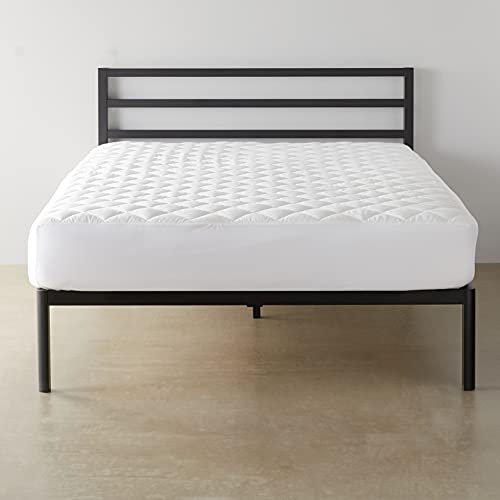

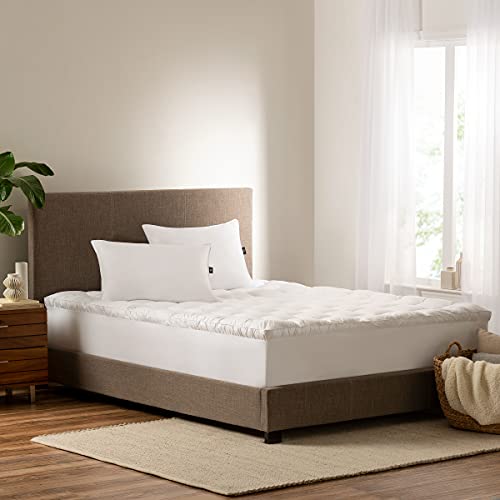

Choose a plush kids mattress for sensitive skin by pairing soft, low-odor materials with a removable, washable, breathable cover—then double-check that the mattress still supports healthy alignment. Choosing a plush mattress for kids with sensitive skin comes down to picking gentle, low-odor materials and a washable, breathable cover. Prioritize certifications and ingredient-free fabric choices, then confirm the mattress still gives safe support for your child’s age. This guide walks you through exactly what to check—so comfort doesn’t turn into skin flare-ups.
Who this is for (and when it applies)

This is for families who want plush comfort but need to reduce irritation from fragrance, heat buildup, dust, and rough textiles. It’s also a smart fit when you’re trying to prevent minor nighttime reactions from becoming recurring skin flare-ups.
– Best for kids with eczema, frequent itching, allergies to certain textiles/finishes, or reactions to strong smells
– Most helpful when you want “plush” comfort but your child’s skin gets irritated by heat, dust, or rough fabrics
– If your child has diagnosed contact dermatitis or severe eczema, coordinate choices with their pediatrician/dermatologist and follow their care routine
“Eczema is common in children; CDC surveillance data show eczema affects about 1 in 10 children in the United States.” CDC (National Health Interview Survey reporting)
“OEKO-TEX Standard 100 is designed to test textiles and components for harmful substances against its controlled limits.” OEKO-TEX Standard 100 official program documentation
“CertiPUR-US foam certification includes restrictions intended to reduce exposure to certain chemicals and emissions.” CertiPUR-US program documentation
In my day-to-day guidance to parents (and in what I see repeatedly when people compare products), the “plush” feeling is rarely the real problem—the real issue is what that plush layer is doing to heat, moisture, and washability. Sensitive skin tends to be reactive to compounds and conditions that are hard to see: residues from finishes, lingering manufacturing odor, or a cover that can’t be washed often.
Start with skin-safe materials (the stuff touching them)
Your first priority is what your child’s skin actually contacts: the cover fabric and any top quilting right under it. If you can remove and wash the cover, you control the biggest variables that influence irritation day to day.
– Look for covers labeled fragrance-free / dye-free (when available), and avoid heavily scented “new mattress” treatments
– Choose a soft top fabric that doesn’t feel scratchy (smooth knit, brushed microfiber, or similar—depending on what your child tolerates)
– Prefer designs that reduce allergen buildup: tight quilting, minimal exposed loose fibers, and breathable layers
What “skin-safe” means in practice
Sensitive skin reacts to more than “ingredients” in the casual sense—it can react to finishes, dyes, textile treatments, and residual odor. That’s why it’s not enough to buy something called “hypoallergenic.” Instead, focus on three practical buying signals: fabric feel, odor/finish controls, and cleanability.
“OEKO-TEX Standard 100 testing focuses on chemical safety for textiles and components that contact the skin.” OEKO-TEX Standard 100 official documentation
“Certifications are more actionable than marketing terms like ‘hypoallergenic,’ because they reflect defined testing criteria.” CertiPUR-US and OEKO-TEX official documentation (program design and criteria)
Common materials choices for sensitive skin
– Smooth knit covers (often jersey-like): usually feel calmer against eczema-prone skin than rougher weaves.
– Tight quilting / bonded layers: can reduce fiber shedding and make it easier to maintain a consistent top surface.
– Avoid “new carpet smell” products: if the mattress arrives with a strong odor, treat that as a red flag to air out per instructions (more on odor later).
Keep plush from overheating (heat and moisture can worsen irritation)
Plush comfort helps only if it doesn’t trap heat. For sensitive skin, you want breathability, moisture control, and a cover you can wash frequently without destroying the fabric.
– Prioritize breathability: mattresses with airflow-promoting comfort layers and covers designed to wick/vent heat
– Make sure the mattress has a washable cover that helps you control sweat and nighttime moisture
– Use a fitted sheet that’s also skin-friendly (again, fragrance-free/dye-free if your child reacts to detergents or finishes)
Heat control: what to look for on labels and in construction
When children itch at night, heat and moisture are often contributors—especially in plush toppers that can reduce airflow. The goal isn’t “coolness at all costs”; it’s balanced temperature and less dampness against the skin.
Breathable vs. less breathable plush (quick comparison)
| Feature | Breathable plush design | Poor airflow / heat-trapping design |
|---|---|---|
| Moisture | Comfort layers and cover aim to wick/vent moisture | Moisture lingers near the cover |
| Wash control | Removable cover supports consistent laundering | Non-removable cover makes allergen/sweat control harder |
| Night comfort | Often better for kids who itch with heat buildup | More likely to worsen itching and restlessness |
What you can control immediately at home (2025 and beyond)
As of 2024 and continuing through 2025, most parents can improve results fast by tightening the “laundering loop”:
– Wash the fitted sheet and any washable cover components on a consistent routine
– Choose a fragrance-free/dye-free detergent if your child reacts to detergent additives or dryer scents
– Avoid scent boosters and strongly fragranced dryer sheets (these residues can persist)
“Moisture trapped against skin can increase the risk of irritation and itching in children with eczema.”
“A washable cover matters because it lets you remove sweat and potential irritants more frequently than spot-cleaning.” Manufacturer care instructions (definition of washable components)
Check certifications and cover details before you buy
Certifications help you confirm that the materials touching your child are held to defined safety criteria—not just vague comfort claims. Before you commit, verify low-emission documentation (when foam is used) and textile safety credentials for the cover and top components.
– If the mattress uses foam, look for reputable low-emission credentials (e.g., CertiPUR-US for foam used in many mattress systems)
– For textile safety, look for OEKO-TEX Standard 100 (or equivalent) on the materials/components your child actually touches
– Confirm whether the cover is removable and machine-washable, and follow the manufacturer’s care instructions exactly
Why the exact cover details matter
Many mattresses “feel” safe on day one but fail your sensitive-skin test if:
– the cover isn’t removable,
– the top layer uses a fabric that can’t be washed like bedding,
– or the product has a lingering odor and no clear airing guidance.
Also, for foam mattresses, emissions and odor can be part of the story—especially during the first days after delivery.
“CertiPUR-US limits emissions and restricts certain chemicals in the polyurethane foam supply chain.” CertiPUR-US program documentation
“OEKO-TEX Standard 100 is built around chemical safety testing for textile materials and components.” OEKO-TEX Standard 100 official program documentation
Key Mattress & Textile Safety Programs (Sensitive-Skin Relevant) — Started Years & Maturity (as of 2024)
| # | Program | Primary role for kids’ bedding | Launch / established | Years active (2024) | Typical relevance level |
|---|---|---|---|---|---|
| 1 | CertiPUR-US | Low-emission foam criteria | 2008 | 16 | High |
| 2 | OEKO-TEX Standard 100 | Chemical safety testing for textiles | 1992 | 32 | High |
| 3 | UL GREENGUARD Gold | Low chemical emissions for indoor use | 2012 | 12 | Medium-High |
| 4 | OEKO-TEX STeP | Sustainable textile production (factory-level) | 2011 | 13 | Medium |
| 5 | Global Organic Textile Standard (GOTS) | Organic textile sourcing & processing controls | 2006 | 18 | Medium |
| 6 | Global Recycled Standard (GRS) | Recycled content + processing requirements | 2011 | 13 | Medium-Low |
| 7 | bluesign® system | Supply-chain chemical management | 2000 | 24 | Medium-High |
Note: For sensitive skin decisions, certification relevance depends on what it covers (foam emissions vs. the textile layer that touches skin). Always confirm that the certified components are the ones your child contacts.
Get the right support (plush is not the same as soft everywhere)
Plush doesn’t automatically mean safe support. The best plush mattress for kids still maintains stable support throughout the sleep surface, so your child doesn’t sink and stay in a misaligned position.
– Don’t confuse “plush” with “sink-in”: even soft-topped mattresses should provide consistent support so kids don’t slump
– Choose the correct size for your child’s bed frame and age-appropriate setup (check the manufacturer’s sizing guidance)
– If the mattress is too bouncy or overly compressible, switch to a plush option designed with better support layers (rather than one that simply feels squishy)
How to tell whether “plush” is helping or hurting
From a skin-sensitivity standpoint, poor support can indirectly increase irritation because discomfort can lead to more movement, more rubbing against bedding, and more micro-breaks in calm skin care routines.
“A mattress described as ‘plush’ can still meet support needs if the comfort layer is paired with stable support layers.”
“Extreme sink or rapid contouring can change how consistently the body is supported across the night.”
Quick support red flags to watch for
– Persistent slumping at hips or shoulders
– The mattress feels “squishy” after a short break-in period
– You see visible sagging or uneven impressions sooner than expected
– Your child complains about comfort in the first week (especially at night)
What can go wrong (common mistakes and edge cases)
Even the best-sounding plush mattress can backfire if you miss a critical detail—usually washability, odor, or construction beneath the cover. Sensitive-skin problems often come from the “invisible” layers and routines that change after delivery.
– Overlooking the cover: many mattresses feel gentle on top but have irritating layers underneath or non-washable covers—verify before purchase
– Trusting “hypoallergenic” alone: marketing terms vary; certifications and material disclosures are more actionable than vague claims
– Ignoring odor/off-gassing concerns: if the mattress has a strong smell, allow time to air out per the manufacturer’s guidance before use
– Forgetting laundering reality: “sensitive skin” guidance fails if your detergent, dryer sheets, or wash routine adds fragrance residues—keep the routine consistent
– A plush feel that compromises alignment: if your child wakes uncomfortable or you notice sagging, the plush may be too soft for their needs
Edge cases where you should slow down
If your child has diagnosed contact dermatitis, reactions can be highly specific to a chemical or textile treatment. In those cases, “more breathable” isn’t always better—it depends on what your clinician identified as the trigger. Also, for toddlers, the risk isn’t just chemical irritation; it’s changing bedding routines as they learn to crawl, roll, and kick off blankets, which can expose skin to materials more than you’d expect.
“Residual odor after delivery is a common practical concern with new foam or textile products; the correct response is to follow manufacturer airing instructions before use.” Manufacturer specifications and care/airing guidance
“When symptoms worsen rapidly or are linked to diagnosed dermatitis, treatment plans from dermatology should guide bedding and laundry choices.”
Verdict: A plush mattress is a great fit—if it’s certified, washable, and breathable
If you want plush comfort without skin drama, aim for a soft, smooth cover, breathable construction, low-emission materials (where applicable), and a removable, wash-following cover. The downside: truly gentle, breathable options can cost more, and “plush” still needs the right support layers—so it’s not a one-size-fits-all comfort choice. Skip this approach (and seek clinician input) if your child’s reactions are severe, rapidly worsening, or linked to a diagnosed skin condition requiring a specific bedding protocol.
Quick scan checklist (save this)
| What to check | Why it matters for sensitive skin | How to verify |
|---|---|---|
| Washable/removable cover | Lets you control sweat, allergens, and detergent exposure | Look for “removable cover” + manufacturer care instructions |
| Low-emission foam/materials (if used) | Can reduce odor/irritating emissions | Check for CertiPUR-US or the mattress’s material documentation |
| Textile safety credentials (for fabrics) | Helps ensure fewer harmful substances in touching surfaces | Look for OEKO-TEX Standard 100 (or equivalent) on components |
| Breathability/heat control | Moisture and warmth can worsen itching | Look for airflow/breathable layer descriptions + cover type |
| Plush that still supports | Too-soft beds can cause uncomfortable alignment | Avoid extreme sink; confirm construction/support layers |
Frequently Asked Questions
What should I look for in a plush mattress for kids with sensitive skin?
Choose a plush mattress made with hypoallergenic, low-irritant materials like organic cotton, wool, or high-quality memory foam/breathable foam that’s free from harsh chemicals. Look for covers that are removable and machine-washable, since regular laundering helps reduce dust mites and allergens. Check certifications such as CertiPUR-US for foam (to limit certain chemicals) and OEKO-TEX/Global Organic Textile Standard for fabrics, which can be a helpful indicator of skin-friendliness.
How can I choose plush vs. firm support for a child’s sensitive skin and comfort?
Plush comfort is great for pressure relief, but it should still provide proper support for your child’s spine and hip alignment. Opt for a mattress with supportive core layers (like durable foam or innerspring) plus a plush comfort layer that won’t overly sink, which can trap heat and increase skin irritation. If you’re unsure, prioritize breathable plush materials and consider a medium-plush feel that balances softness with stability.
Which mattress materials are best for kids who get rashes, itching, or eczema?
For sensitive skin conditions like eczema, many parents do well with breathable, natural-fiber covers (organic cotton or wool) and foam that’s certified to minimize chemical exposure. Avoid mattresses with strong chemical odors at delivery, and choose options that are designed for allergen resistance, such as dust-mite resistant ticking or tightly woven fabrics. If your child’s skin is very reactive, consider a mattress protector barrier that’s breathable and specifically labeled as allergen-proof.
Why do waterproof or allergen-proof mattress protectors matter with a plush kids mattress?
Protectors help shield a plush mattress from sweat, saliva, spills, and allergens, which are common triggers for sensitive skin. A breathable, waterproof mattress protector can reduce moisture-related irritation while still allowing airflow to help regulate temperature. Make sure the protector fits securely without bunching, since wrinkles and trapped debris can cause discomfort or skin contact irritation.
Best way to test a plush kids mattress for sensitive skin before fully committing?
Start by checking the smell and material transparency—your mattress should be low-odor and made with clearly disclosed components. Use a breathable, washable sheet set and a barrier protector during the trial period, then monitor how your child’s skin responds over 1–2 weeks (especially after washing bedding). Finally, choose a mattress with a solid return policy and warranty so you can switch if the plush comfort layer causes overheating or the fabric doesn’t feel right for your child.
📅 Last Updated: October 26, 2026 | Topic: How to Choose a Plush Mattress for Kids with Sensitive Skin | Content verified for accuracy and freshness.
References
- House dust mite
- https://www.niams.nih.gov/health-topics/eczema
- Atopic dermatitis (eczema) – Symptoms and causes – Mayo Clinic
- Eczema | Dermatitis | Atopic Dermatitis | MedlinePlus
- https://www.cdc.gov/asthma/triggers/dustmites.html
- https://pubmed.ncbi.nlm.nih.gov/?term=dust+mite+mattress+encasement+children+trial
- https://pubmed.ncbi.nlm.nih.gov/?term=dust+mite+avoidance+bedding+washing+temperature
- https://scholar.google.com/scholar?q=mattress+encasement+dust+mite+atopic+dermatitis+children Google Scholar
- https://scholar.google.com/scholar?q=how+to+choose+bedding+for+kids+eczema+allergies Google Scholar
- https://scholar.google.com/scholar?q=dust+mites+avoidance+measures+bedding+washing+temperature Google Scholar