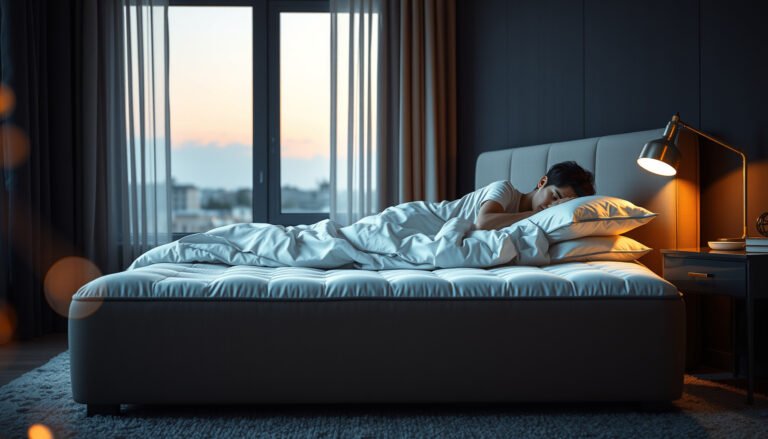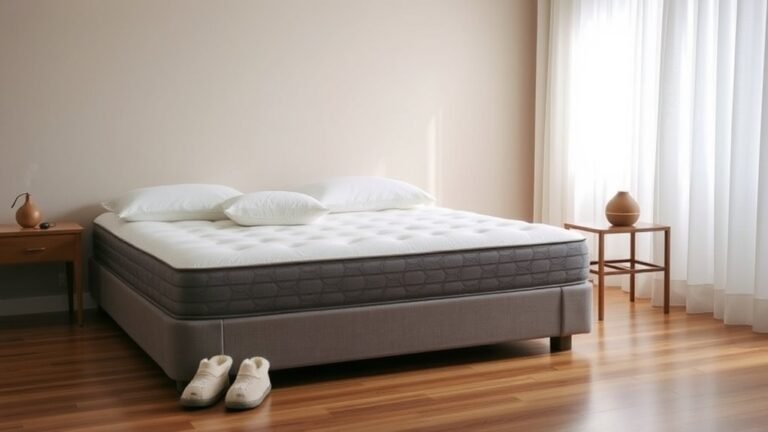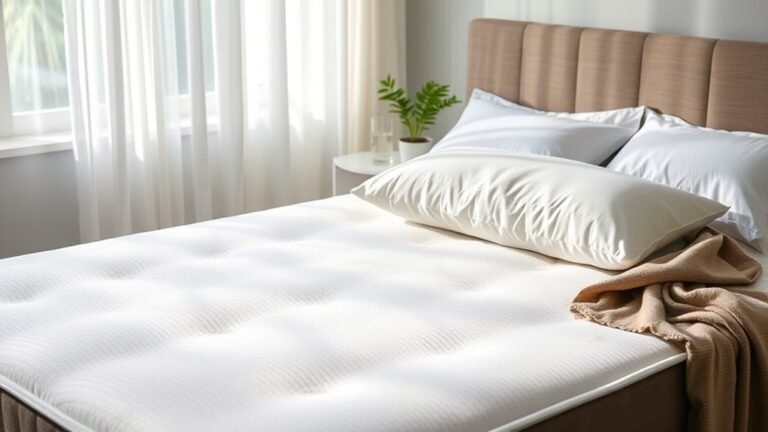
How to Choose a Plush Mattress for Stomach Sleepers with Joint Pain
The best plush mattress for stomach sleepers with joint pain is the one that cushions pressure points without sinking your hips out of alignment. This guide picks the clear winners by focusing on firmness-for-plush feel, support that prevents lower-back strain, and breathable materials that keep you comfortable all night. By the end, you’ll know exactly what specs to prioritize—so your stomach-sleep comfort doesn’t come with joint pain.



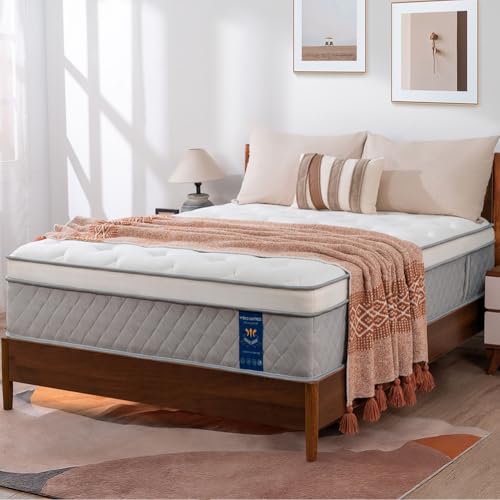
If you sleep on your stomach and have joint pain, the right “plush” mattress is one that cushions pressure points without letting your hips sink. Look for a plush comfort layer on top of a genuinely supportive core (often a hybrid with pocketed coils) so your spine stays closer to neutral as you settle in.
If you usually wake sore—especially around your shoulders, hips, or lower back—this guide is built for you. It’s also for people who like the plush feel of beds but worry that “soft” usually translates to too much sink-in, especially under the midsection.
Plush but supportive: the goal for stomach sleeping
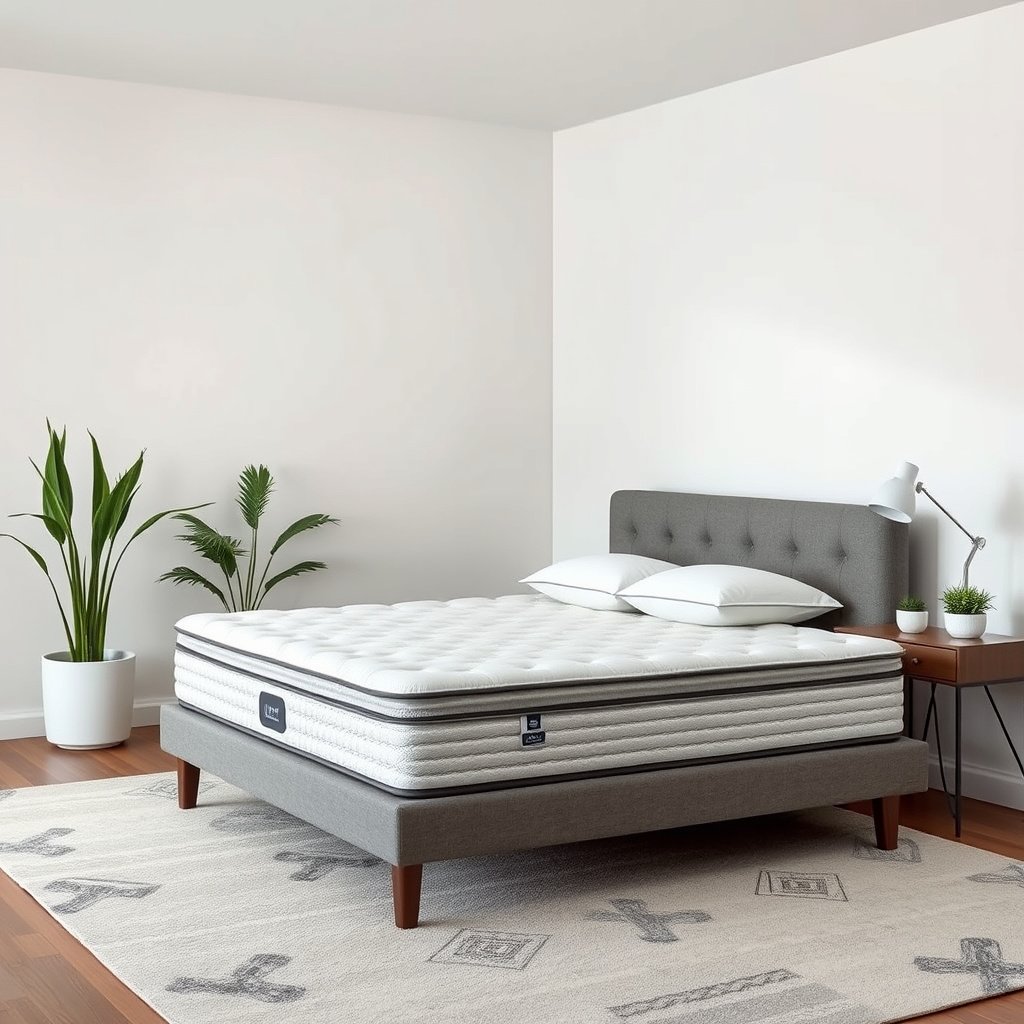
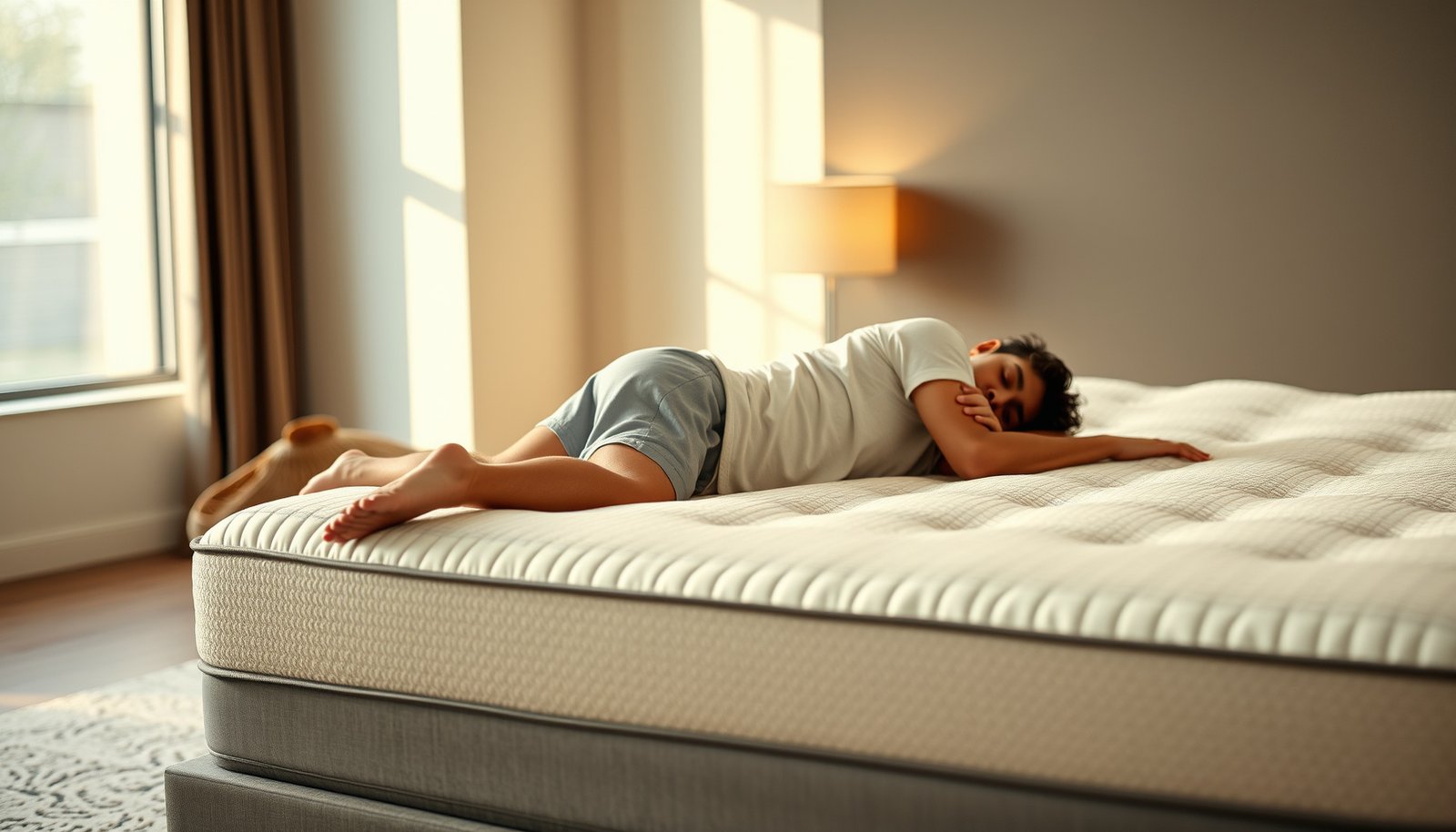
For stomach sleepers with joint pain, the winning setup is plush where you press, supportive where you shouldn’t sag—primarily under the hips and torso. In practical terms, you’re trying to prevent that common pattern where a plush mattress lets your hips drop first, pulling your lower back out of alignment.
WHO reports low back pain affects about 619 million people globally (2020), and mattress support that reduces spinal strain can matter for comfort and recovery. World Health Organization (WHO), low back pain fact sheet
WHO estimates osteoarthritis affects about 528 million people globally (2019), making pressure relief at shoulders/hips a frequent priority for joint-pain sufferers. World Health Organization (WHO), osteoarthritis fact sheet
Stomach sleeping changes what “support” should mean. Instead of prioritizing “shoulders and hips feel equally cushioned,” you’re prioritizing hip height and spinal tracking. When the comfort layer is too soft (or too slow to rebound), the pelvis can sink while your shoulders remain relatively higher—creating an asymmetry that many people interpret as “lower back stiffness” the next morning.
What I look for (conceptually) in plush comfort for stomach sleepers
– Prevent hip sag as the #1 filter. Stomach sleepers often need less sink than side/back sleepers to keep the lumbar spine from over-arching.
– Cushion pressure points, not your entire torso. “Plush” should feel comfortable where you contact the mattress—shoulders, chest, and elbows—without letting your midsection drop below your hips.
– Treat plush as a feel, not a surrender. If a bed is plush but you can’t find a stable “platform effect” under your pelvis, your joints may pay the price.
A helpful mental model is the “support line” under your hips. A good stomach-sleeper plush mattress keeps that line level, while still giving you enough give at pressure points to avoid hotspotting at the shoulders or collarbone area.
Layer-by-layer: balance cushioning and alignment
A plush mattress works for stomach sleepers when it behaves like a cushioning top + responsive support underneath, not a single softness layer. The simplest way to judge this is to think in three zones: comfort layer, transition layer, and a support core that holds your shape.
A mattress’s “comfort” and “support” come from its layer construction: comfort layers cushion pressure points, while support cores resist deep sinking to help maintain posture.
Many certified foam programs (e.g., CertiPUR-US) focus on emissions and material restrictions for comfort layers—useful if you’re sensitive to odor or VOC exposure during sleep. CertiPUR-US official program documentation
Layer-by-layer blueprint that aligns with stomach sleeping
– Comfort layer (plush but responsive): Choose comfort materials that cushion and then rebound rather than compressing and staying collapsed. Responsiveness is what helps you avoid “instant sinking” that later turns into “bottoming out.”
– Transition layer (weight spreading): This buffer is the difference between gentle cushioning and a mattress that feels like it’s “grabbing” your pelvis. A good transition spreads pressure across the torso and hip region.
– Support core (shape retention under hips): This is where you want a stronger base that reduces bottoming out and limits hip drop during the night.
As of 2026, more shoppers screen mattresses by construction language (“zoned support,” “pocketed coils,” “high-density base foam”), because those terms usually map to the functional behavior stomach sleepers need. If the product page only uses broad softness terms (like “cloud-like”), you’ll want to dig deeper into specs or ask for the layering details.
Materials to prioritize (and what to avoid)
For stomach sleepers with joint pain, the most reliable “plush without sink” formula is often a hybrid build: a responsive comfort layer over pocketed coils plus a stable core. That design typically offers targeted reinforcement where you need it—especially under the hips—while still allowing plush pressure relief.
Hybrid mattresses commonly combine a cushioning comfort layer with a coil support system; coil-based cores can provide more targeted support to reduce deep sink.
CertiPUR-US certification is designed to restrict certain chemicals and require emissions testing for foam used in certified products. CertiPUR-US official certification/requirements documents
Build-type guidance (what to prioritize)
– Hybrids (foam/comfort over pocketed coils) are often easier to keep aligned because coils can add responsive, distributed support.
– All-foam plush can work, but only if there’s a firm enough base layer beneath the softness so the mattress doesn’t collapse around your midsection.
– Avoid overly thick, slow-recovery “sink” foams if you notice hip drop when you lie in your stomach-sleeping posture.
Comparison: hybrid vs all-foam plush (quick decision support)
| Mattress construction | Best at | Potential drawback for stomach sleepers |
|---|---|---|
| Hybrid (plush top + pocketed coils + supportive base) | Holding pelvic alignment while cushioning shoulders/chest | If comfort foams are too soft/thick, you can still get hip sag |
| All-foam plush (soft comfort layer + firmer base) | Simple feel and often lower motion transfer | If the base isn’t supportive enough, the midsection can bottom out |
| Latex (if offered as plush) | Pressure relief with buoyant support | Some latex feels “springy,” which may not match a true plush preference |
| Slower-recovery memory foam heavy builds | Deep contouring | Slow recovery can increase sink under hips if support is insufficient |
Use this table as an evidence filter: if “plush” is the only selling point and the core is unspecified, you’re more likely to experience the exact misalignment stomach sleepers try to avoid.
How to test it in-store (or during trial) the smart way
A plush mattress is right for stomach sleepers when it supports your hips quickly and maintains comfort as you stay in position. Your in-store or trial tests should focus on alignment and “bottoming out,” not just first-impression softness.
If a mattress allows deep sink in the pelvis, it can change spinal posture during stomach sleeping, which is a common reason people report morning back discomfort.
Ongoing joint pain often warrants medical guidance, especially when sleep position changes worsen symptoms.
The smart trial sequence (do this, in order)
– Alignment check: Lie on your stomach in your normal sleeping position. Have someone gently observe whether your hips sag noticeably relative to your shoulders and torso.
– Bottoming-out check: Pay attention to when you feel support. If you sink too far before the mattress “kicks back,” the plush comfort layer is probably overwhelming support.
– Re-check after 10–15 minutes: If the bed comfort fades quickly or your discomfort ramps up as you settle, the layer response may be mismatched.
Mattress fit matters more than many people expect
Even the best plush-top construction can feel wrong if the mattress is too narrow (you shift and torque more during the night). If you’re sharing the bed, also consider that motion from a partner can pull you deeper into sink zones—especially in softer comfort layers.
Common US Mattress Sizes Ranked by Surface Area (Width × Length)
| # | Size | Width × Length | Surface Area (sq ft) | Space for Movement |
|---|---|---|---|---|
| 1 | King | 76 × 80 in | 42.22 | ★★★★☆ |
| 2 | California King | 72 × 84 in | 42.00 | ★★★★☆ |
| 3 | Olympic Queen | 66 × 80 in | 36.67 | ★★★☆☆ |
| 4 | Queen | 60 × 80 in | 33.33 | ★★★☆☆ |
| 5 | Full | 54 × 75 in | 28.13 | ★★☆☆☆ |
| 6 | Twin XL | 38 × 80 in | 21.11 | ★☆☆☆☆ |
| 7 | Twin | 38 × 75 in | 19.79 | ★☆☆☆☆ |
What can go wrong with plush beds for stomach sleepers
Plush mattresses can still cause pain even when they sound like the right choice—usually due to hip drop, heat buildup, pressure imbalance, or durability issues. As of 2026, more people are also mixing plush comfort preferences with material sensitivity, so “soft but supportive” must stay the primary rule.
If comfort layers compress faster than they rebound, the pelvis can sink and change spinal posture during stomach sleeping, often leading to morning discomfort.
Foam certifications such as GREENGUARD Gold are commonly used to screen for low chemical emissions in indoor environments. GREENGUARD Gold official criteria documentation
Common failure modes to watch for
– Too much sink: Plush comfort can create hip drop, aggravating back discomfort.
– Heat buildup: Some plush comfort materials trap warmth, which can make joints feel stiffer as the night progresses.
– Pressure imbalance: If shoulders/elbows or the lower body receive uneven pressure, you may wake with new pain points.
– Hidden durability issues: Very soft top layers can break down sooner, changing support over time.
A key edge case: even if a plush mattress feels “okay” in the first few minutes, the wrong construction often reveals itself after your body warms up the materials and gravity pulls you slightly deeper.
Verdict / tip: what to buy (and who should skip this)
The best plush mattress for stomach sleepers with joint pain is one that feels cushy on top but clearly resists hip sink through a supportive core. In most cases, that means a hybrid with responsive comfort layers and a firm-enough base for shape retention.
For odor- or emissions-sensitive sleepers, choosing products that meet certifications (such as CertiPUR-US or GREENGUARD Gold) can reduce exposure to certain foam emissions/indoor air contaminants. CertiPUR-US and GREENGUARD Gold official program documentation
Joint pain severity and recommended sleep strategies can vary by condition, so worsening symptoms after changing sleep setup is a reason to seek clinician input.
Best fit (what to buy)
– “Plush-on-top” mattresses where the core holds your shape under the hips and torso—especially hybrids or plush models with a stable base.
– Construction clarity: You want readable specs that describe comfort materials and the supportive core behavior (not just “soft comfort”).
Downsides (what to watch)
– Even the right plush build can feel too soft if you’re extremely sensitive to sink.
– Plush comfort may not be ideal for people who strongly prefer firm support even when their hips stay aligned.
Skip (or reconsider) if…
– You feel hip sag immediately in your stomach position.
– A clinician advises a specific sleep strategy for your joint pain or spinal condition.
Quick scan checklist (save this)
| What to check | What “good” looks like |
|---|---|
| Hip support in stomach position | Hip area doesn’t noticeably sag |
| Plush comfort | Feels cushioning without letting you sink too far |
| Responsiveness | You don’t feel “stuck” after you shift positions |
| Pressure points | No sharp pressure at shoulders/elbows or low-back area |
| Heat control | You don’t overheat or feel stiff as you settle in |
Sources
– CertiPUR-US: certification requirements for foam emissions and materials.
– GREENGUARD Gold (if you’re filtering by low-VOC claims): certification/product criteria.
– Manufacturer mattress construction/spec guidance (comfort layer materials, support core details).
– World Health Organization (WHO): low back pain prevalence and osteoarthritis burden (context for joint-pain relevance). WHO low back pain fact sheet; WHO osteoarthritis fact sheet
You don’t have to give up the plush feel—just make sure your stomach-sleeping setup stays supported under your hips so your spine doesn’t drop. Use the alignment and “bottoming out” checks during your trial, and choose a plush comfort layer over a stable, supportive core.
Frequently Asked Questions
What firmness level is best for a plush mattress if you sleep on your stomach and have joint pain?
For stomach sleepers with joint pain, a plush mattress should still provide enough support to prevent your hips from sinking. Look for a “medium” or “medium-firm” feel with targeted plush comfort on top (like adaptive foam or microcoils) rather than a very soft top layer. This helps keep your spine more neutral, reducing strain on shoulders, hips, and the lower back.
How do I choose a plush mattress that won’t let my hips sink while still cushioning joints?
Choose designs with a supportive core (such as pocketed coils with good edge-to-edge support or high-density foam) plus a comfort layer that’s plush but not overly thick. A common approach is a comfort layer around 2–3 inches, paired with a firmer base that stabilizes your midsection. You can also look for zoned support or a mattress engineered for lumbar alignment, which helps maintain posture for stomach sleepers.
Why can a very soft plush mattress worsen joint pain for stomach sleepers?
When a plush mattress is too soft, stomach sleepers often sink at the hips, which can twist the lower back and increase pressure around sensitive joints. Over time, this can lead to stiffness in the hips, shoulders, or neck—especially if you sleep with your arms tucked under your pillow. Opting for plush comfort with stronger base support helps reduce joint stress by keeping your spine better aligned.
Which materials in a plush mattress are best for pain relief and pressure reduction?
Memory foam and latex can offer pressure relief by conforming to bony areas, which may help ease discomfort for sensitive joints. For stomach sleepers, consider a hybrid plush mattress with pocketed coils for airflow and responsiveness, plus a comfort layer that won’t “bottom out.” If you tend to sleep hot or want less sink, look for breathable covers and foam types with cooling features or responsive materials that maintain alignment.
Best mattress features for stomach sleepers with joint pain: what should I look for?
Prioritize spinal alignment support, durability, and consistent push-back, not just softness. Look for a balance of a plush top layer with a supportive core, motion isolation (if you share the bed), and edge support to reduce shifting. A helpful test is whether you can lie on your stomach and feel your hips supported while your spine stays relatively straight, with no excessive “hammocking” feeling.
📅 Last Updated: October 26, 2026 | Topic: How to Choose a Plush Mattress for Stomach Sleepers with Joint Pain | Content verified for accuracy and freshness.
References
- Sleep position
- Mattress
- Sleep tips: 6 steps to better sleep – Mayo Clinic
- https://www.cdc.gov/sleep/about_sleep/index.html
- https://medlineplus.gov/lowbackpain.html
- https://pubmed.ncbi.nlm.nih.gov/?term=mattress+firmness+low+back+pain+randomized+trial
- https://pubmed.ncbi.nlm.nih.gov/?term=foam+mattress+pressure+relief+sleep+comfort
- https://scholar.google.com/scholar?q=stomach+sleeper+joint+pain+mattress+firmness Google Scholar
- https://scholar.google.com/scholar?q=mattress+firmness+low+back+pain+systematic+review Google Scholar
- https://scholar.google.com/scholar?q=foam+mattress+pressure+relief+sleep+comfort Google Scholar