How to Choose a Twin XL Mattress for Back Sleepers: Key Factors
Which Twin XL mattress will keep your lower back properly aligned while you sleep on your back? Choose for support and pressure relief: aim for medium-firm, verify lumbar support, and pair the comfort layer with your body weight and back-sleeping habits. Once you confirm these factors and your preferences for cooling and motion transfer, picking the right Twin XL becomes a fast, confident decision.




Back sleepers usually do best with a Twin XL mattress that keeps the spine neutral—firm enough to prevent the hips from sinking, but not so firm that it creates uncomfortable pressure under the lower back. In this guide, you’ll learn what to prioritize (support, firmness, materials, and fit) and what common buying mistakes to avoid before you commit to a specific model.
If you’re sharing a room, using a Twin XL bed frame, or need extra length for long legs, your “right” mattress is mostly about how well it maintains alignment on your back—not just overall comfort. The steps below are specifically tuned for back sleepers choosing a Twin XL size.
What back sleepers need from a Twin XL mattress
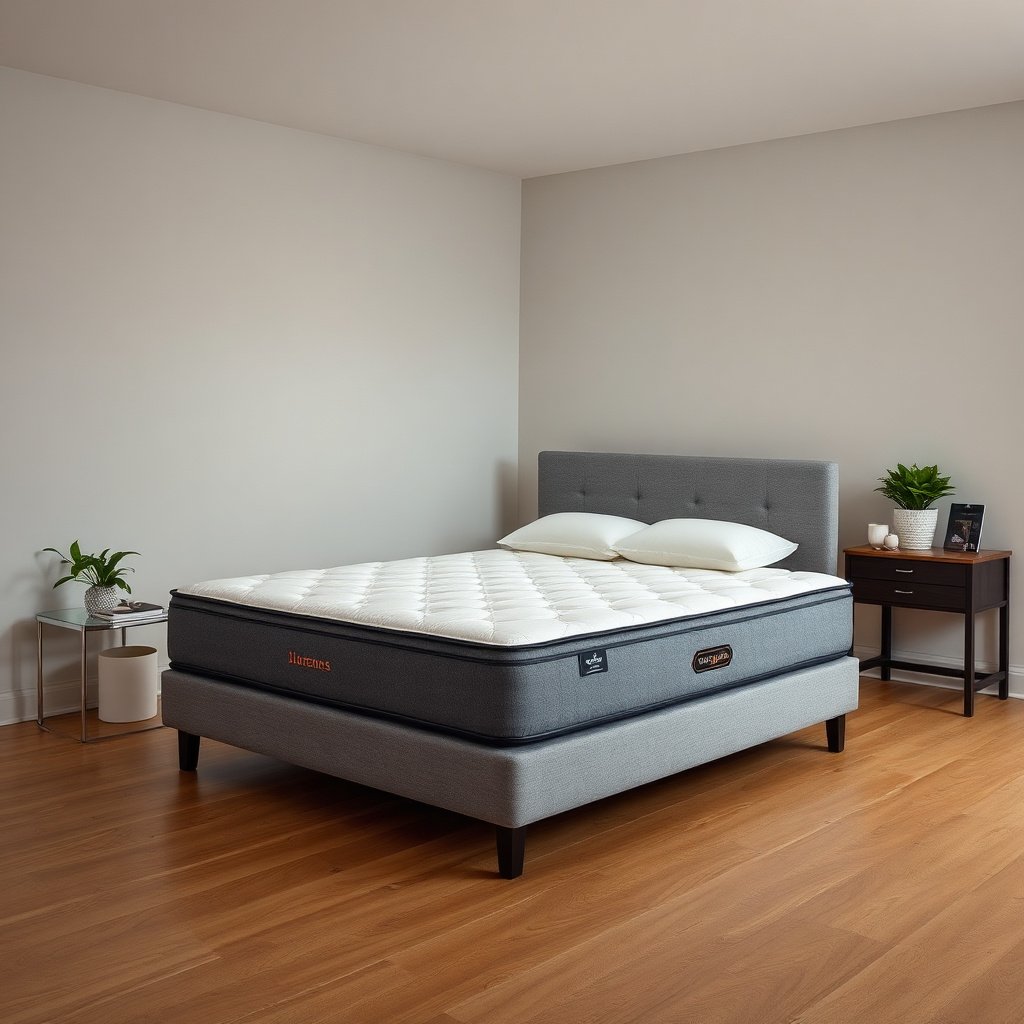
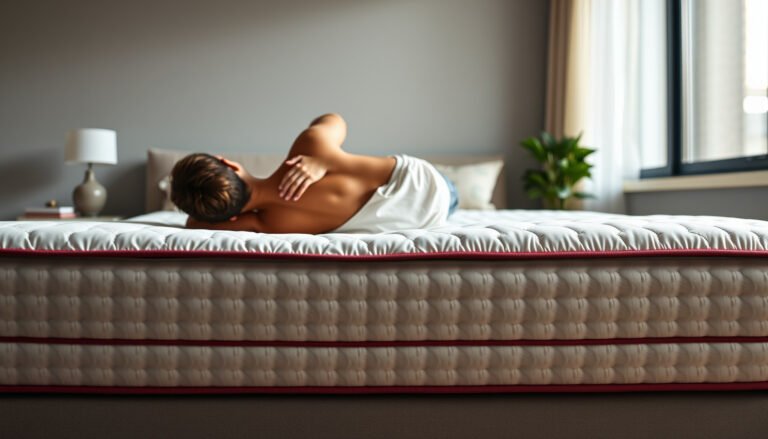
For back sleeping, the goal of a Twin XL is simple: maintain a level spine by supporting the lumbar area while preventing hip sink. When that alignment is right, your lower back can relax instead of compensating.
– Look for alignment support: the goal is to keep your hips from dropping while your shoulders and lower back stay comfortably supported.
– Prioritize pressure relief at the right spots: back sleepers typically need help around the lumbar (lower back) area, not deep cushioning everywhere.
– Don’t ignore the “feel” of support: mattresses that are too soft can let heavier areas sink; mattresses that are too firm can push back uncomfortably.
Here’s what “neutral” usually looks like in practice: your hips should settle at roughly the same height as your ribcage, so the waist doesn’t form a noticeable arch or “hammock” shape. In my experience helping people narrow mattress choices, most returns happen because the first few nights feel fine—then the comfort layer softens slightly, and the mattress either allows gradual hip sink or creates new pressure points at the lumbar area.
Also, Twin XL isn’t just “a longer Twin”—it’s a different support challenge because you may be heavier through the hips and more of your legs can be supported by the mattress surface at once. As of 2026, buyers increasingly compare mattresses using support-first frameworks (zoned construction, firmer cores, and responsive comfort layers) rather than choosing purely by plushness.
Choose the right firmness level (and how to judge it)
The safest starting point for most back sleepers on a Twin XL is a medium-firm feel that supports your hips without forcing your lower back to fight the mattress. From there, you adjust based on pressure at the waist and how quickly the mattress “lets you in” or “pushes back.”
– Start with “medium-firm” as a common target for back sleepers, then adjust based on your body weight and how you experience pressure in the lower back.
– Use a simple in-home check: lie on your back and see whether your waist/lower back feels supported without your hips sinking.
– If you’re between feels, favor lumbar support features (zoned support, firmer core, or targeted comfort layers) instead of going extreme on firmness.
How to judge firmness beyond the label
Manufacturers may describe the same mattress as “medium-firm,” “balanced,” or “supportive,” but the actual performance depends on layer thickness and the firmness of the support core. According to CertiPUR-US, foam used in many mattresses must meet standards for low emissions and specific chemical restrictions (the feel varies by formulation, even when certifications match). CertiPUR-US program overview
So while certifications help with material selection, they don’t automatically guarantee the right back-sleeping alignment.
To judge firmness, use this quick sequence:
1. Lie on your back in your normal position (pillow height matters too).
2. Check whether your hips sink noticeably lower than your shoulders.
3. Then check the waist: do you feel “pressure” (pinching or aching) under the lower back, or do you feel “support” (a gentle lift that keeps you level)?
If you feel your waist is unsupported and your lower back aches, go firmer—or choose a mattress with more targeted lumbar support. If you feel pinched at the lumbar area, you may be too firm in the comfort layer, even if the core is supportive.
Pick the support system: foam, innerspring, or hybrid
For back sleepers, the support system determines whether your mattress holds your shape under the hips while still cushioning pressure points at the lumbar area. Choose based on how you want the mattress to behave when your body weight settles in.
– Memory foam vs. responsive foam: memory foam often contours more; responsive foams may reduce “stuck” feelings while still supporting the back.
– Innerspring and hybrids: coil support can help keep the spine straighter by maintaining a more structured base, especially for hips.
– Comfort-layer thickness matters: thicker comfort can increase cushioning, but if it’s too deep/soft it may reduce alignment support for back sleeping.
Foam vs. coils vs. hybrid (pros/cons for back sleepers)
| Mattress type | Pros for back sleeping | Trade-offs to watch |
|---|---|---|
| Responsive foam (non-memory) | Often delivers “support on contact,” helping reduce hip sink while staying comfortable under the waist. | If the comfort layer is thick and soft, it can still allow hammocking. |
| Memory foam | Good pressure relief for the lumbar area when paired with a firmer support core. | Can feel “too conforming” if the support base isn’t stiff enough, and it may trap more heat depending on the foam blend. |
| Innerspring | Coils provide a more structured base that often helps keep hips level. | Without enough comfort padding, you may feel pressure on the lower back or feel too “firm” on the surface. |
| Hybrid (coils + comfort layers) | Usually the most flexible option: you can get coil-level alignment with foam comfort tailored to back sleepers. | Layer thickness and zoning matter a lot—some hybrids have plush tops that still let hips drop. |
Materials and heat/emissions considerations (quick but useful)
If you sleep warmer or want a cleaner material profile, you can filter mattresses using third-party standards. For example, OEKO-TEX and GREENGUARD focus on textile and emissions-related requirements depending on certification type. OEKO-TEX overview GREENGUARD program overview
As of 2026, many buyers don’t just ask “Is it comfortable?” They ask “Will it stay supportive after break-in?” and “Will it stay breathable enough to sleep through the night?” That’s why the support core firmness and comfort-layer thickness often matter more for back alignment than the marketing term “cooling.”
Confirm the Twin XL fit details (so it actually works on your bed)
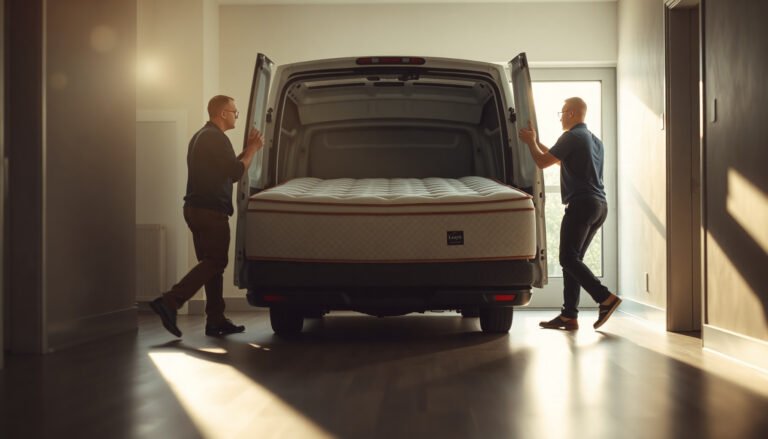
The right Twin XL mattress has to match your bed frame height, sheet setup, and—if you sit on the edge—its edge support. Otherwise, even a “perfect” mattress on paper can feel unstable or awkward in real life.
– Verify your mattress height: Twin XL models vary in thickness, and too-tall mattresses can affect headboard clearance and bed-frame fit.
– Check sheet compatibility: Twin XL uses the same width as a Twin, but extra length means not all fitted sheets will truly fit.
– Consider edge support: if you sit on the edge often, stronger edge support helps you feel stable without sinking.
Mattress dimensions that affect real comfort
Twin XL is commonly listed as 38 in × 80 in (width × length) in U.S. market sizing, which means it adds 5 inches of length compared with a standard Twin mattress (often 38 in × 75 in).
That length difference matters for back sleepers because your legs are more fully supported, which can reduce the urge to “adjust your posture” at night.
Frame height and headboard clearance
When you choose a thicker Twin XL mattress, your headboard clearance, pillow height, and overall bed height change. As a practical step, measure:
– the distance from the frame top to the underside of the headboard (if applicable),
– the distance from floor to top of frame slats/support surface,
– and how much room you want between mattress and wall.
If you’re unsure about a frame’s allowable mattress thickness, check the frame’s manufacturer guidance before ordering.
What can go wrong when choosing for back sleeping
Common back-sleeper problems come from alignment surprises: the mattress feels good on day one, but it doesn’t hold shape where it matters. In 2026, more shoppers are learning this through longer trials and return logistics—so it’s worth planning up front.
– Buying based only on “comfortable lying” on day one: comfort can shift after the comfort layer softens or if your hips start sinking over time.
– Choosing a mattress that’s too soft for your lower back needs: this can lead to waking up with stiffness or feeling “bunched” at the waist.
– Overlooking motion and temperature issues: if you sleep with a partner or overheat at night, support choices (foam vs. coils) can affect both.
– Ignoring return/warranty terms: a mattress you can’t return easily is a bigger risk when firmness preferences are hard to predict.
A quick comparison: what “bad” alignment usually feels like
| What you notice | Likely cause | What to adjust |
|---|---|---|
| Lower back feels “bunched” | Hip sink or hammock effect from a too-soft comfort layer or too-flexible core. | Choose a firmer core, more zoned lumbar support, or a hybrid with more structured base support. |
| Pinching/pressure under the waist | Surface is too stiff or comfort layer is too thin/too firm to cushion lumbar pressure. | Increase comfort-layer plushness while keeping the support base firm (often a “medium-firm” with better lumbar zoning). |
| More motion wake-ups | Higher responsiveness/coil movement (or insufficient foam damping) when your partner changes positions. | Look for foam-damping comfort layers or a hybrid designed to isolate movement. |
The practical takeaway: when you test, don’t just assess comfort—you’re assessing alignment stability. As a general approach, you want the lower back supported without feeling like you’re balancing on the edge of a firm surface.
Verdict: a practical way to decide (with downsides)
If you want a straightforward path, target a Twin XL mattress that maintains spinal alignment for back sleeping—typically medium-firm—with a support base that prevents hip sink. The upside is usually better posture comfort and fewer “woke up sore” mornings.
The downside is that some medium-firm options can feel too firm at first (especially if you like a plush surface), and very contour-heavy foam can sometimes allow hips to sink if the support core isn’t firm enough.
Who should skip this approach: if you already know you dislike medium-firm feels (or you strongly prefer plush cushioning), you may need to shop more narrowly by comfort style and confirm lumbar support in your own sleep position. Also, if you have medical back conditions, consider checking with a clinician about support needs before changing sleep setups.
Common Mattress Lengths Compared With Twin (U.S. sizing)
| # | Size | Dimensions (in) | Length (in) | Extra length vs Twin (in) |
|---|---|---|---|---|
| 1 | Twin | 38 × 75 | 75 | 0 |
| 2 | Twin XL | 38 × 80 | 80 | +5 |
| 3 | Full | 54 × 75 | 75 | 0 |
| 4 | Queen | 60 × 80 | 80 | +5 |
| 5 | King | 76 × 80 | 80 | +5 |
| 6 | California King | 72 × 84 | 84 | +9 |
| 7 | Split King | 76 × 80 | 80 | +5 |
> Note: Mattress sizing conventions vary by market and vendor listings.
Quick Twin XL Back-Sleeper Checklist
| Decision area | What to look for | Quick sign it’s working |
|---|---|---|
| Lumbar support | Helps stop excessive lower-back pressure and hip sink | Lower back feels supported without “hammocking” |
| Firmness level | Often medium-firm range for back sleepers | Spine feels more level than curved |
| Mattress type | Foam, innerspring, or hybrid with a supportive base | You don’t feel stuck or overly bottomed out |
| Twin XL fit | Correct height + sheet compatibility | Sheets fit the extra length; bed feels stable |
| Edge + movement | Edge support and motion behavior (if relevant) | You don’t feel unstable when sitting/turning |
Sources
– CertiPUR-US program overview and standards (primary source): https://www.certipur.us/
– OEKO-TEX (if you rely on fabric certifications): https://www.oeko-tex.com/
– GREENGUARD (if you rely on low-emission certifications): https://www.ul.com/greenguard
If you remember one thing, make your choice around alignment—not just comfort: prioritize lumbar support and hip-sink resistance first, then dial in firmness and materials to match how you actually sleep on your Twin XL in 2026. That approach reduces the odds of waking up with lower-back stiffness, even when two “medium-firm” mattresses feel similar at the store.
Frequently Asked Questions
What firmness level is best for a Twin XL mattress for back sleepers?
Most back sleepers do best with a medium-firm Twin XL mattress because it supports your lower back while keeping your hips from sinking too far. If you’re lighter (or prefer a more cushioned feel), you may prefer firm-lean-medium; if you’re heavier, a firmer option often prevents spinal misalignment. When testing, you should feel comfortable pressure relief at the waist without your midsection sinking.
How do I choose the right mattress thickness in a Twin XL for back sleeping?
Aim for a Twin XL mattress thickness that matches your comfort needs and support system, typically around 10–14 inches, so you get enough cushioning without losing alignment. Thicker models can add more pressure relief layers, but you still want adequate support beneath them for back sleepers. If you have trouble getting out of bed, consider a comfort height that’s easy for you—especially if you use a platform bed or thicker frame.
Why is spinal alignment more important for back sleepers when choosing a Twin XL?
Back sleepers need a mattress that keeps the natural curve of the lumbar spine supported, since your hips and shoulders must stay level. Inadequate support can cause your lower back to arch or your hips to sink, leading to discomfort and stiffness. Look for targeted support zones, responsive coils, or high-density foam cores that maintain alignment across the Twin XL width.
Which mattress type (memory foam, hybrid, or innerspring) works best for back sleepers on Twin XL?
Memory foam can be great for pressure relief and motion isolation, but choose one with supportive foam layers so it doesn’t feel “bottoming out.” Hybrid mattresses often provide a balanced feel by combining foam comfort with coil-based support for easier movement and stronger lumbar support. Innerspring models can be supportive and breathable, but you’ll want adequate comfort padding so your lower back isn’t overly exposed to firmer surfaces.
Best features should I look for when buying a Twin XL mattress for back sleep comfort?
Prioritize strong edge-to-center support and a supportive comfort layer that cushions your hips and lower back without excessive sink. If you share the bed or move at night, look for motion isolation (especially in foam and hybrid mattresses) and a responsive surface that makes repositioning easier. Also consider temperature regulation—such as cooling covers, breathable coils, or gel/phase-change materials—because overheating can worsen sleep quality for back sleepers too.
📅 Last Updated: November 02, 2026 | Topic: How to Choose a Twin XL Mattress for Back Sleepers | Content verified for accuracy and freshness.
References
- https://www.mayoclinic.org/healthy-lifestyle/consumer-health/in-depth/how-to-choose-a-mattress/art-20047945
- Bed size
- Sleep position
- mattress firmness low back pain – Search Results – PubMed
- mattress support pressure distribution back sleeping – Search Results – PubMed
- All Disorders | National Institute of Neurological Disorders and Stroke
- https://scholar.google.com/scholar?q=how+to+choose+a+twin+xl+mattress+for+back+sleepers Google Scholar
- https://scholar.google.com/scholar?q=mattress+firmness+low+back+pain+systematic+review Google Scholar
- https://scholar.google.com/scholar?q=back+sleeping+spinal+alignment+sleep+position+study Google Scholar