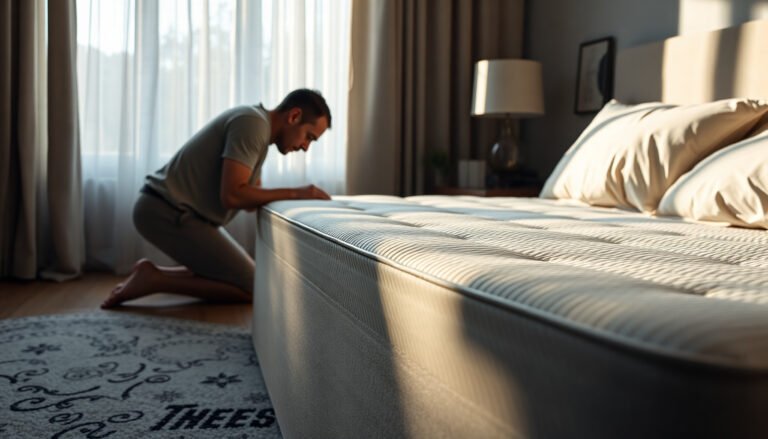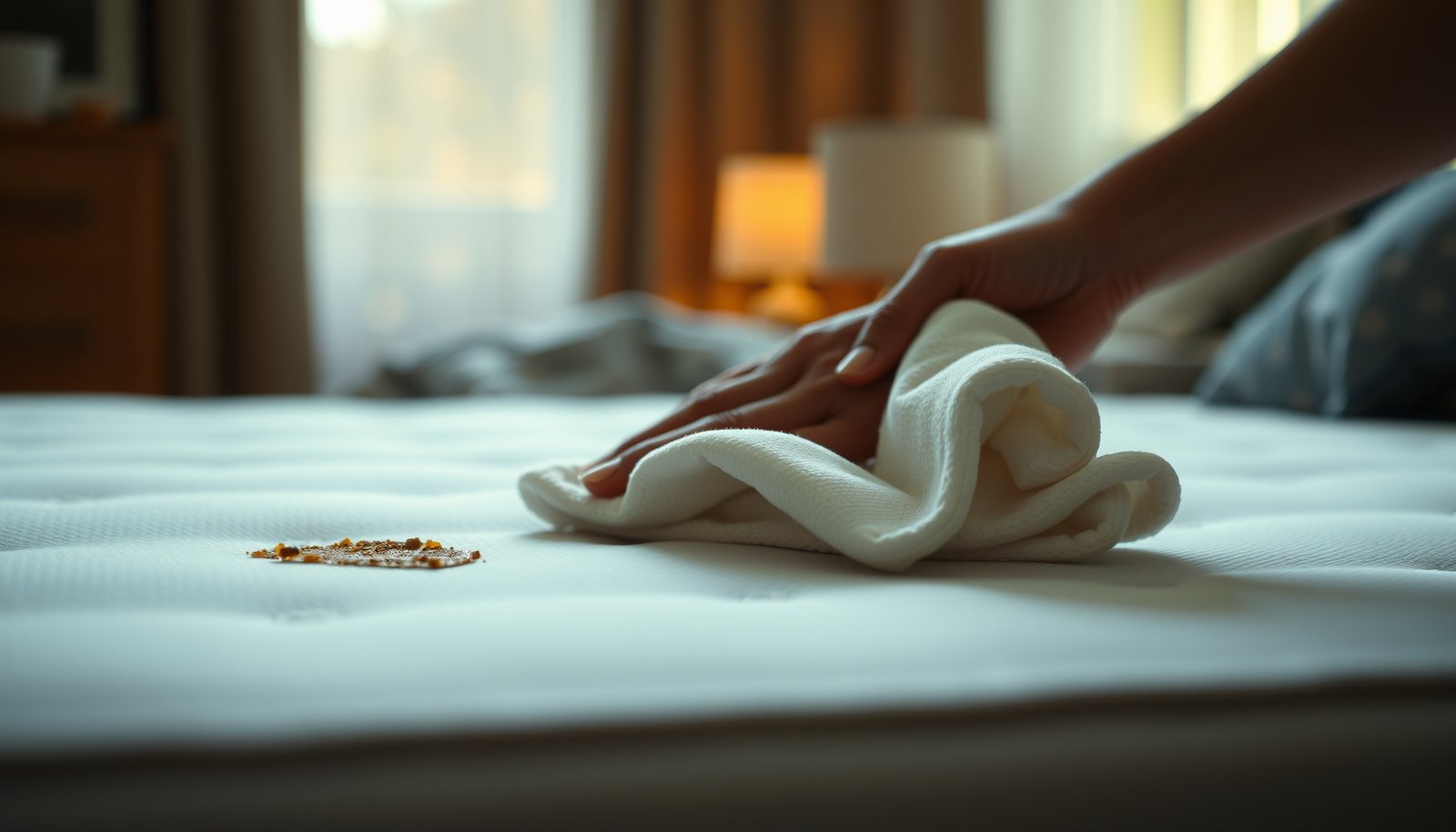
How to Clean a Latex Mattress with Food Residue: Step-by-Step
If you’re dealing with food residue on a latex mattress, the fastest way is to clean it using gentle, non-bleaching methods that lift the gunk without damaging the latex. This step-by-step guide tells you exactly what to do—from blotting and spot-cleaning to rinsing and drying—so stains don’t set and odors don’t linger. Follow these steps and you’ll restore a clean surface safely, even when the mess is sticky or greasy.



Blot the food residue, spot-clean the latex mattress with a very mild soap solution using a damp (not wet) cloth, then wipe again with plain water and let the latex dry completely before remaking the bed. This guide walks you through removing solids, cleaning without saturating latex, and preventing lingering odor or residue.
If your latex mattress got something sticky (sauce, crumbs, sweet spills) or you’re dealing with an older stain, the safest approach is to treat it as a spot-cleaning problem—not a soaking problem. Latex foam and natural rubber can be damaged by excess moisture, so the goal is controlled cleaning and thorough drying.
Who this is for / when it applies
This step-by-step approach is for anyone cleaning a latex mattress surface after food spills, especially when you want to avoid warping, lingering dampness, or warranty issues. As of 2026, the most reliable method still follows the same principle most manufacturers publish: minimal moisture, gentle agitation, and full drying.
Safety first: protect the latex and your warranty
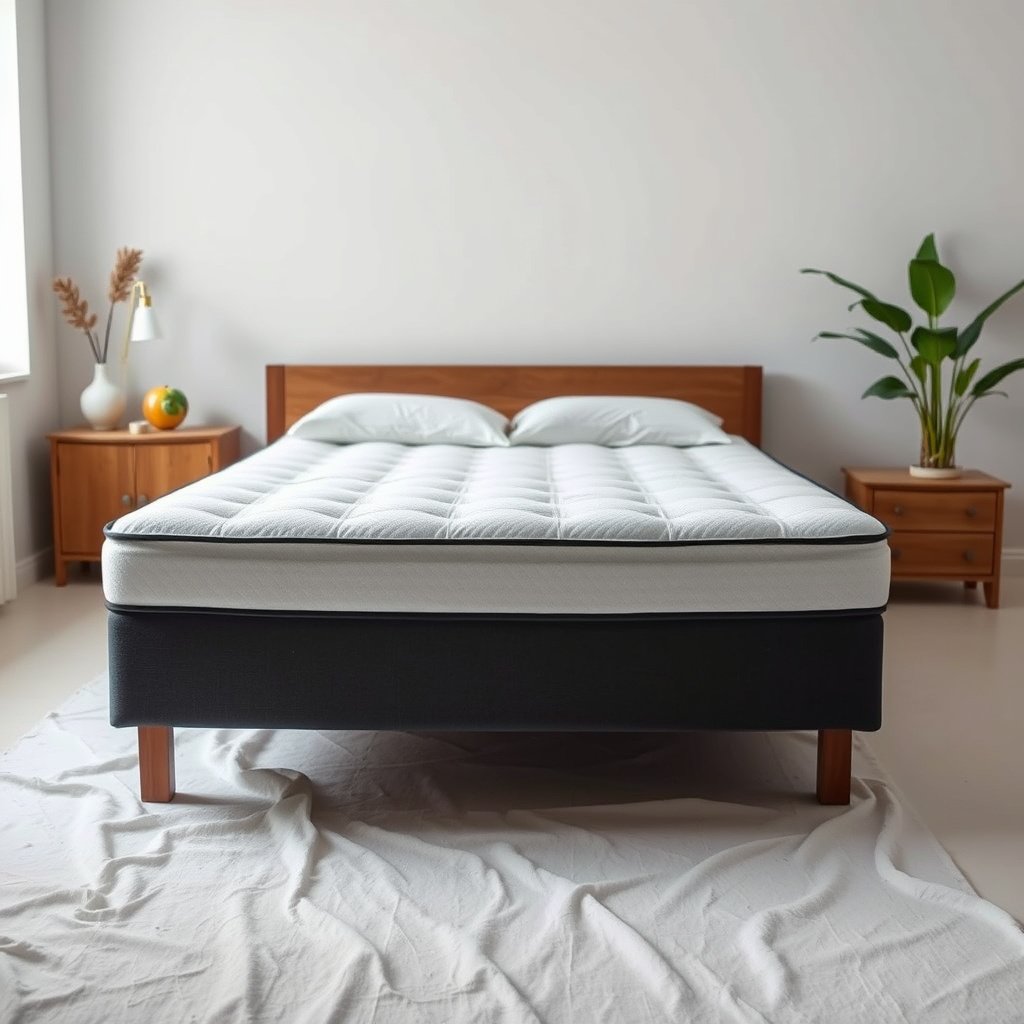
Do this first to avoid accidental damage: remove bedding, check the care label, and keep moisture away from seams and edges as much as possible. With a latex mattress, the “cleaning” part is easy—it’s the preventing of excess moisture that protects the foam and your warranty.
Latex foam is sensitive to soaking; controlled, damp-cloth spot-cleaning is the standard way to clean without saturating the latex mattress.
Care-label instructions typically override general cleaning advice; “no harsh chemicals” and “do not soak” warnings are common for natural rubber and latex foam.
– Remove bedding and any removable cover so you can clean the latex mattress surface correctly.
– Check the care label first and avoid anything the manufacturer warns against (harsh chemicals and soaking are common “no” items).
– Work in a ventilated space and keep liquids off seams and edges as much as possible.
– If your latex mattress has a removable cover, treat it as a separate cleaning item—wash it according to its label while the latex dries.
From my experience helping people interpret care labels, the most common warranty-related misstep is treating a latex mattress stain like a carpet spot—too much liquid, too many passes, and not enough rinse.
Gather the right supplies (mild, cloth-based cleaning)
Choose supplies that help you control moisture. For a latex mattress, the best tools are cloths, gentle soap, and plain water—because you can stop instantly if the latex feels overly wet.
A damp (not wet) cloth method lets you lift residue from a latex mattress without driving food oils deeper into the foam.
Mild dish soap mixed with lukewarm water is a common, manufacturer-friendly approach for spot-cleaning upholstery and foam surfaces.
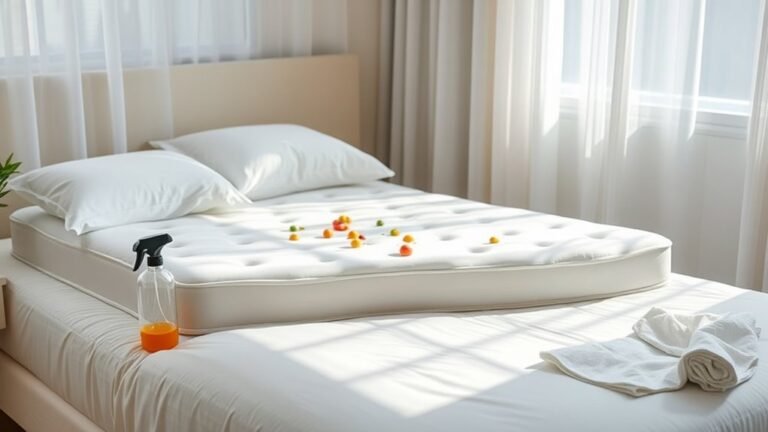
– Clean, white cloths or paper towels for blotting; a plastic spoon for lifting solids.
– Mild dish soap plus lukewarm water, applied with a damp cloth (or a lightly misted cloth).
– Optional for odor: a fabric-safe deodorizing method recommended by the mattress maker (use a clearly labeled option and follow its directions).
– Optional but helpful: a small fan or cool-air airflow source to speed drying of the latex mattress.
Remove food residue without pushing it deeper
Start by removing solids with minimal disturbance. For a latex mattress, gentle lifting and blotting matter as much as the soap step, because scrubbing can grind food oils and sugars into the foam.
Scrubbing dry food residue before it’s loosened can smear oils into the latex mattress and make the stain harder to remove.
Lifting solids first reduces the load on the soap stage, which helps keep a latex mattress from getting overly wet.
– Lift solids gently with a plastic spoon (don’t scrub yet—scrubbing can grind residue into the foam).
– Blot from the outside of the mess toward the center to keep it from spreading.
– If there’s a smear, pause and blot again before adding any moisture.
– For sticky spills (like jam or sweet sauces), use the cloth to “catch” residue rather than pushing it across the latex mattress surface.
– If the stain is older and crumb-like, soften residue with a very lightly damp cloth first, then return to blotting.
Spot-clean the latex (soap, then rinse wipes)
Clean in controlled, repeatable passes. The latex mattress should stay damp at the surface level only—soap lifts residue, and rinse wipes prevent sticky soap film that can attract dirt later.
Soap left behind can feel tacky and collect grime later; rinse wipes are an essential step for a latex mattress.
Controlled dabbing (damp cloth, not dripping) is safer for latex foam than applying liquid directly from a cup.
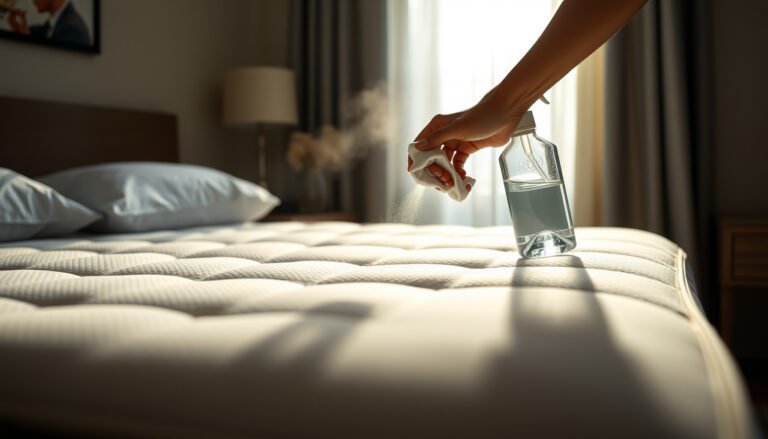
– Lightly dab the soapy cloth onto the stained area, then wipe gently—keep the cloth damp, not dripping.
– Repeat in small passes until the visible residue transfers to the cloth.
– Use plain-water wipes to remove any soap film (soap left behind can attract dirt and feel sticky later).
– If the latex mattress has an odor, focus on residue removal first; scent often returns when sugars/oils remain.
– For stubborn spots, don’t increase liquid—repeat the soap-dab → damp wipe → plain-water wipe cycle.
What “damp, not wet” should look like
In practice, a latex mattress should not appear glossy or soaked after any wipe. If you can see liquid pooling along the foam’s surface or around seams, you’ve crossed from controlled cleaning into saturation.
Dry thoroughly to prevent odor and moisture problems
Drying is where most odor prevention happens. For a latex mattress, full drying throughout matters because trapped moisture is what can lead to musty smells and, in worst cases, mold risk.
According to the U.S. EPA’s moisture guidance, maintaining indoor humidity in the roughly 30–50% range helps reduce mold risk (EPA, accessed 2026).
According to IICRC water-damage restoration guidance, drying within about 24–48 hours is a key target to reduce microbial growth risk (IICRC S500, 2015).
– Air-dry as long as needed until the latex mattress is fully dry throughout; don’t put sheets back on while it still feels cool or damp.
– Use airflow (like a fan) rather than direct high heat, which can stress materials and accelerate uneven drying.
– If you have a removable cover, wash it separately according to its label while the latex dries.
– If the weather is humid, consider running a dehumidifier or keeping the room ventilated; a latex mattress dries faster when ambient humidity stays lower.
– Check after the first few hours: press a clean, dry cloth lightly near the cleaned area—if it picks up moisture, keep drying.
Quick reminder: in 2026, the same “low moisture + full dry” approach still aligns with how manufacturers and restoration standards describe risk control for foam materials.
What can go wrong (and how to avoid it)
The biggest problems come from too much water, skipping rinse wipes, or rushing the dry. A latex mattress usually looks fine on top while moisture remains inside, so the process needs patience.
Over-wetting a latex mattress increases drying time, which increases the chance of lingering odor even when the stain looks “gone.”
Harsh cleaners (bleach, strong solvents, heavy disinfectants) can damage foam and may violate latex mattress warranty terms.
Comparison: safer spot-cleaning vs. moisture-heavy methods
– Over-wetting the latex: Soaking or repeated heavy applications can lead to lingering dampness and odor.
– Skipping the rinse: If you don’t wipe off soap, the surface may feel tacky and collect grime faster.
– Using the wrong cleaners: Bleach, strong solvents, or harsh disinfectants can damage foam or the surface finish—follow the care label and product directions.
– Not drying completely: Even if the top looks clean, trapped moisture can cause a musty smell later.
– Scrubbing too soon: Aggressive rubbing can push food oils deeper and make staining last longer.
Verdict / tip: the “spot-clean + wipe-rinse + full dry” method
Use this method if your goal is reliable cleaning with the lowest moisture risk. It’s the safest default for a latex mattress with food residue because it targets the mess without saturating the foam—and it sets you up to eliminate both visible residue and odor sources.
The safest latex mattress cleaning pattern is: lift solids → damp-cloth soap spot-clean → plain-water rinse wipes → full airflow drying.
If odor returns after drying, it usually means residue or moisture remains in the latex foam rather than a “surface-only” stain.
This approach is usually the safest way to clean a latex mattress with food residue because it targets the mess without saturating the foam. The downside is that stubborn stains or deep-set odors may not fully disappear with surface spot-cleaning alone—if the smell returns after drying, you may need professional help or the mattress manufacturer’s guidance.
Who should skip DIY here
Skip DIY cleaning (or at least pause and escalate) if you see signs of mold, the latex mattress was heavily soaked, you notice ongoing moisture after drying attempts, or the manufacturer’s warranty explicitly requires professional service.
Heat & Moisture Exposure by Common Cleaning Actions (Latex Mattress Context)
| # | Cleaning action | Surface state | Typical temperature* | Latex-risk rating |
|---|---|---|---|---|
| 1 | Dry blotting with towels | Dry | ~20–25°C (room) | ★★★★★ |
| 2 | Lift solids only (spoon) | Dry | ~20–25°C (room) | ★★★★★ |
| 3 | Damp-cloth mild soap spot-clean | Damp (cloth-controlled) | ~30–40°C (lukewarm) | ★★★★☆ |
| 4 | Plain-water rinse wipes | Damp (minimal) | ~30–40°C (lukewarm) | ★★★★☆ |
| 5 | Fan drying / airflow | Drying (no added liquid) | ~20–27°C (room air) | ★★★★★ |
| 6 | Steam cleaning | Steam + heat | ~100°C (boiling point @ 1 atm) | ★★☆☆☆ |
| 7 | Soaking / wet extraction | Wet (high moisture load) | ~30–60°C (varies by equipment) | ★☆☆☆☆ |
Temperature values reflect typical operational ranges rather than a specific product measurement for your latex mattress.
Quick checklist (save this)
| Step | Do this | Avoid |
|---|---|---|
| Lift solids | Use a plastic spoon to gently remove debris | Scrubbing while it’s dry or smeared |
| Blot | Blot with clean towels from edges inward | Rubbing the stain wider |
| Spot-clean | Dab with mild soap solution using a damp cloth | Over-wetting / soaking the foam |
| Rinse wipes | Wipe with plain water to remove soap | Leaving soap film behind |
| Dry fully | Air-dry with good airflow until completely dry | Covering/using before it’s dry |
Sources
– U.S. EPA, mold/moisture guidance on maintaining appropriate indoor humidity and addressing dampness (accessed 2026)
– IICRC S500 (2015), drying targets used in water damage restoration to reduce microbial growth risk
– NIST (accessed 2026), water boiling point at 1 atm (100°C) and related thermophysical references
When you follow the latex-safe workflow—lift solids, spot-clean with mild soap on a damp cloth, wipe-rinse with plain water, then dry fully—you remove both the visible residue and the hidden sources of odor without saturating the foam. If the stain or smell persists after complete drying, pause rather than repeating soaking steps; then follow the mattress maker’s guidance or seek professional remediation.
Frequently Asked Questions
How do I clean food residue off a latex mattress without damaging the material?
Start by scraping off any dried bits with a plastic card, then blot fresh residue with a clean cloth dampened with cool water. For sticky spots, use a mild dish soap solution (a few drops in water) and dab gently—avoid soaking the latex. Rinse by blotting with a cloth lightly dampened with plain water, then dry thoroughly with airflow or a fan.
What is the best way to remove sticky stains from latex after spilled food?
Blot the area immediately, then apply a small amount of mild soap on a cloth and work from the edges toward the center to lift the food residue. If the stain persists, use a vinegar-water mix (1:1) for dabbing only, not soaking, and then blot with plain water to remove any lingering cleaner. Allow the mattress to dry completely before putting on bedding to prevent odors or mold.
Why should I avoid soaking my latex mattress when cleaning food spills?
Latex foam can trap moisture when over-saturated, which increases the risk of lingering smells and mildew. Instead of soaking, use a damp cloth and blotting technique to control how much liquid enters the mattress. Thorough drying is key—use ventilation and keep the mattress out of direct heat sources like hair dryers or radiators.
Which cleaning solution works best for grease or oily food residue on latex mattresses?
For oily food residue, a mild dish detergent is usually the safest option because it helps break down grease without harsh chemicals. Dilute the detergent in water, dab the stained area with a cloth, and blot rather than scrub aggressively to protect the latex surface. After lifting the residue, rinse by blotting with a water-damp cloth and dry completely to prevent any soap buildup.
How can I deodorize a latex mattress after cleaning up food-related spills?
After removing the food residue and rinsing, sprinkle a light layer of baking soda over the dry surface and let it sit for several hours to absorb odors. Vacuum gently with an upholstery attachment once the powder has settled, then ensure the mattress is fully dry with good airflow. If any smell remains, repeat the baking soda step rather than adding strong fragrances that may be hard to remove.
📅 Last Updated: October 26, 2026 | Topic: How to Clean a Latex Mattress with Food Residue | Content verified for accuracy and freshness.
References
- https://pubmed.ncbi.nlm.nih.gov/?term=mattress+cleaning+washing+temperature+dust+mites
- https://pubmed.ncbi.nlm.nih.gov/?term=upholstery+cleaning+stain+removal+methods+detergent
- https://www.cdc.gov/coronavirus/2019-ncov/community/disinfecting-building-facility.html
- https://www.epa.gov/coronavirus/disinfecting-your-home
- https://www.who.int/publications/i/item/cleaning-and-disinfection-of-environmental-surfaces-in-the-context-of-covid-19
- Latex foam
- Mattress
- https://scholar.google.com/scholar?q=how+to+clean+latex+foam+mattress+stains+food+residue Google Scholar
- https://scholar.google.com/scholar?q=upholstery+stain+removal+detergent+blot+do+not+soak+guidelines Google Scholar
- https://scholar.google.com/scholar?q=mattress+cleaning+disinfection+guidelines+visible+soil+remove+drying+prevent+mold Google Scholar