How to Clean a Memory Foam Mattress with Juice Spills Naturally
If juice spills landed on your memory foam mattress, the fastest way to clean them naturally is to blot, then treat the stain with a simple vinegar-and-water solution. This approach lifts sticky residue without soaking the foam or triggering lingering odors. You’ll get clear, practical steps to remove the stain and prevent it from setting—without harsh chemicals.
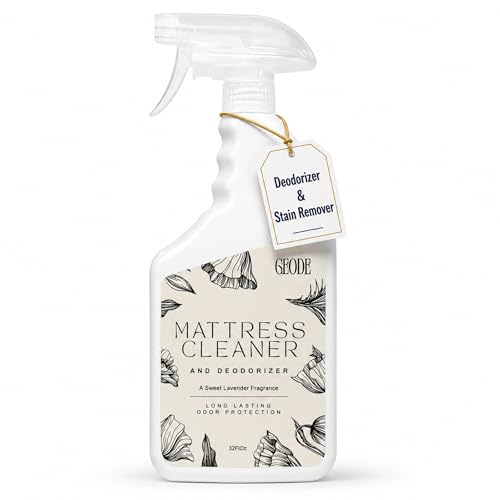



Blot the juice quickly, then lift residue using a very small amount of cold water plus a gentle natural cleaner—never soaking the foam. Once the mattress is fully dry, deodorize with baking soda to prevent lingering stickiness and odor.
Juice spills can be deceptive on a memory foam mattress because the foam can hold onto moisture (and dissolved sugars) longer than you’d expect. As of 2026, “natural” cleaning still works well for many fresh spills, but the real differentiator is controlling wetness and completing drying before deodorizing.
What to Do First (Before You Clean)
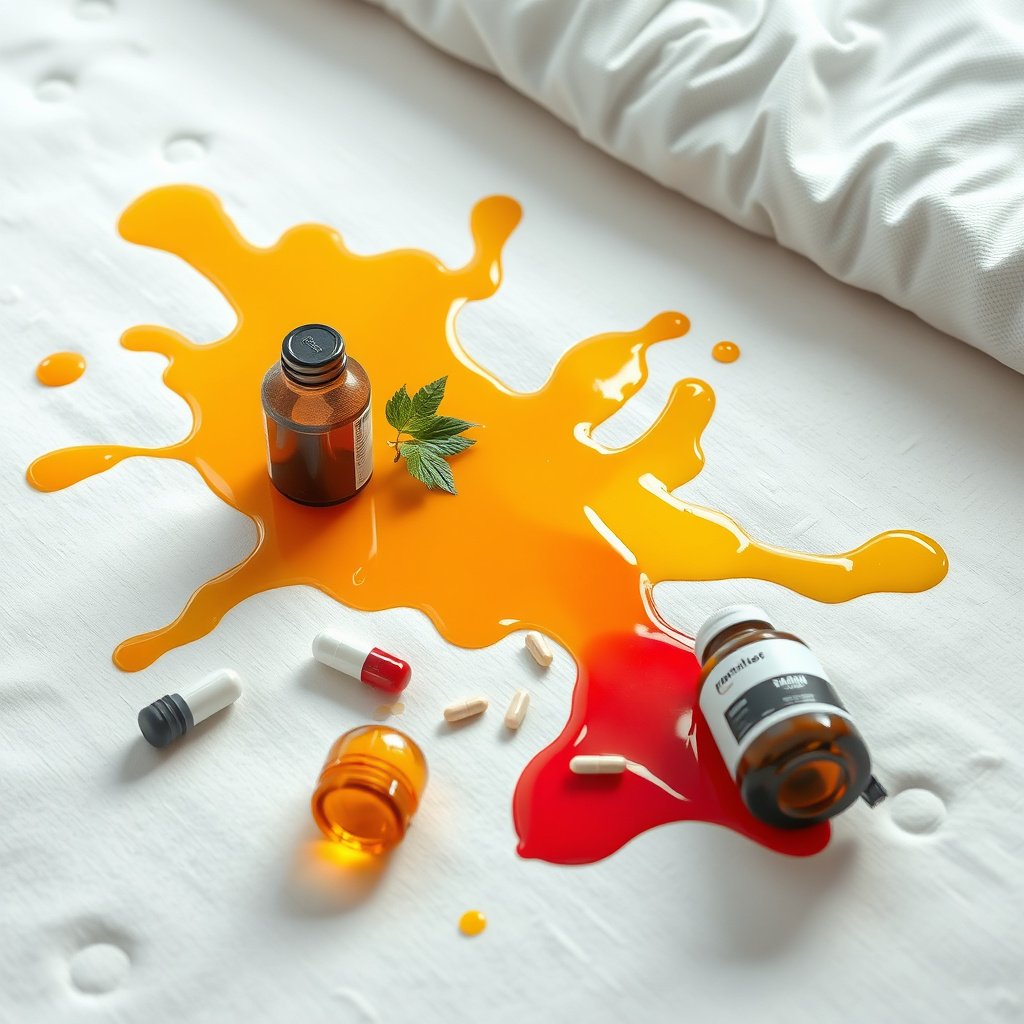
You’ll get the best results by stopping the spread immediately—blot first, then treat only the stained area with minimal liquid. The goal is to remove as much juice as possible before it penetrates deeper into the polyurethane foam structure.
When you blot a fresh liquid spill, you physically remove liquid from the top fibers before it wicks deeper into porous materials.
Memory foam is typically polyurethane foam, which can retain moisture longer than many other upholstery or mattress fillings—so initial control of liquid amount matters.
From my experience, the most effective “natural” approach starts with restraint: use pressure to absorb, not scrubbing to distribute.
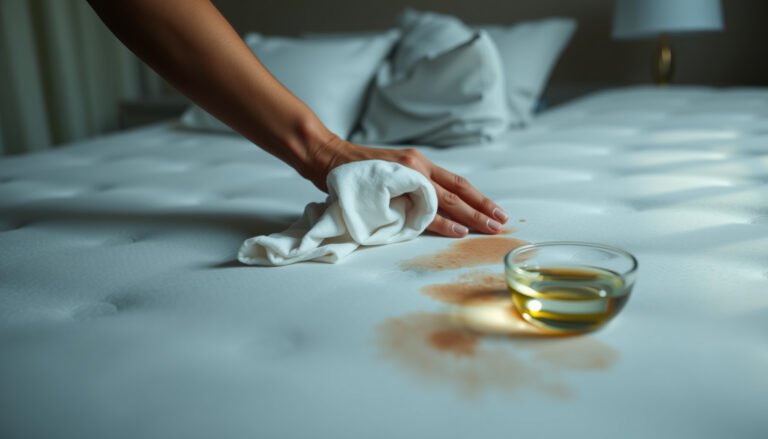
– Strip all bedding and blot the spill immediately with clean paper towels or a white cloth.
– Press gently to absorb liquid—avoid scrubbing, which can push juice deeper into the foam.
– If there’s a removable cover, check the care label first and wash it separately (don’t soak the foam unless the manufacturer says it’s OK).
Why this first step matters: juice contains sugars and acids that can dry into sticky residues. If you delay, you generally trade a faster “lift-and-blot” job for longer drying cycles and repeated treatment.
Natural Cleaning Mixes That Work for Juice
The best natural cleaners for juice spills are the ones that loosen and lift residue while staying gentle and low-moisture. Use cold water as your carrier, then choose either mild dish soap (for grease/sugar films) or diluted white vinegar (to help address sticky, acidic residue).
Mild dish soap is a surfactant-based cleaner, designed to help lift oily or sugary films so they can be removed with blotting rather than scrubbing.
White vinegar contains acetic acid, a weak acid (pKa ≈ 4.76), which can help break down some residue components when used diluted and applied sparingly.
Baking soda (sodium bicarbonate) is a mild base used for odor control; its molar mass is 84.01 g/mol, reflecting its simple neutralizing chemistry.
Here’s a quick, practical comparison that helps you decide what to mix for your memory foam mattress in 2026:
| Feature | Cold Water + Mild Dish Soap | Diluted White Vinegar |
|---|---|---|
| Primary goal | Lift sticky residue film | Loosen tackiness, reduce lingering sour notes |
| Best for | Heavier sweetness/stickiness | More “tart” juices or after soap alone doesn’t stop transfer |
| Moisture risk | Moderate if you over-apply | Moderate if you over-apply |
| Residue on foam | Rinse/blot helps prevent soap film | Odor dissipates when fully dried (ventilation is key) |
| How it works (plain terms) | Soap reduces surface tension to lift residue | Acetic acid chemistry helps address sticky components |
| Second round usability | Easy—just repeat lightly and blot-dry | Easy—use sparingly, then prioritize drying |
| When to avoid | If you suspect a delicate cover or label forbids cleaners | If manufacturer restricts acids; test on a hidden area |
| Odor control | Helps by removing residue | Helps during treatment; baking soda deodorizes after dry |
| Effort level | Blot-and-repeat | Blot-and-repeat |
| Best for | Most sticky sugar residue | Tart residue that won’t stop transferring |
Why “minimal solution” is the rule on memory foam
Memory foam holds onto moisture longer than other mattress materials, which is why your solution should be lightly applied to cloth—not poured onto the mattress surface.
– Use cold water + a few drops of mild dish soap: lightly dab the area, then blot again.
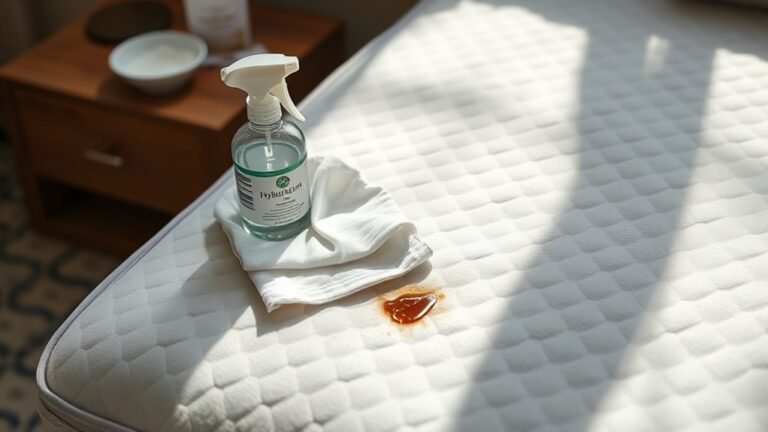
– Or use diluted white vinegar (vinegar + water) for sticky residue: apply sparingly, dab, and blot until transfer stops.
– For both mixes, keep the solution amount minimal—memory foam holds onto moisture longer than other mattress materials.
Step-by-Step: Lift the Stain Without Soaking the Foam
You’ll remove more juice with less stress if you dab with a damp cloth (not a wet mattress) and stop as soon as transfer stops. With memory foam, the “right” technique is controlled wetting + repeated blotting, not aggressive scrubbing.
Using the cleaning solution on a cloth first reduces the chance of pushing excess liquid into the foam layers.
If an acidic or sugary residue dries, re-wetting briefly helps re-dissolve it so it can be lifted by blotting.
Sodium bicarbonate is water-soluble (at 20°C, its solubility is reported around 96 g/L), which is why it’s effective as a dry deodorizer after the foam is fully dry.
Here’s the step sequence that prevents soak-through:
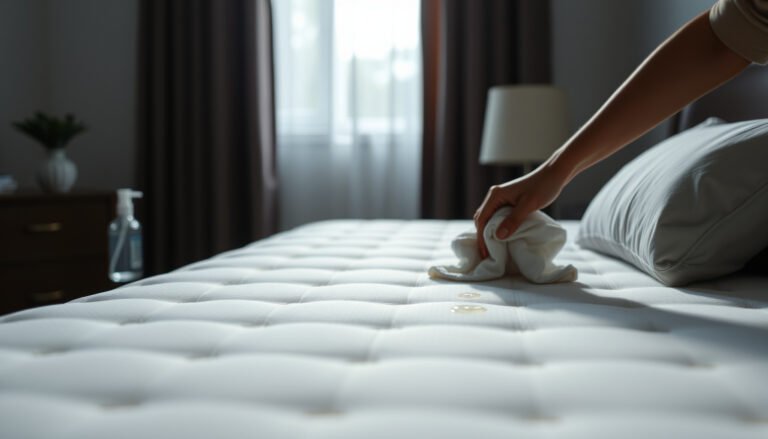
– Dampen a clean cloth (not the mattress directly) with your chosen mix, then dab the stained area.
– Blot repeatedly with dry cloths/paper towels until you see less color and less tackiness on the cloth.
– If the juice is already sticky-dry: re-wet lightly with your mix, wait 5–10 minutes, then dab and blot again.
A quick “stop rule” that saves drying time
Keep going only until the cloth shows reduced stickiness (transfer has slowed). That “stop rule” prevents over-wetting the memory foam mattress and reduces the risk of a lingering odor caused by moisture trapped inside the foam.
What the chemistry is doing (in practical terms)
Juice typically combines sugars (which dry sticky) and acids (which can leave a tart smell). A mild surfactant (dish soap) helps lift films; a weak acid (vinegar) can loosen certain sticky components; and baking soda later shifts odor-causing chemistry once the mattress is dry.
Drying the Mattress (This Is Where Most People Go Wrong)
You prevent most long-term problems by drying completely—airflow first, heat only if the manufacturer permits it. For memory foam mattresses, incomplete drying is the main reason odors return days later, even when the stain looks “gone.”
Polyurethane foam is vulnerable to odor retention when moisture remains trapped; ventilation and airflow help move moisture out.
Avoiding high heat matters because foams can soften or deform when exposed to excessive temperatures beyond manufacturer guidance.
From my own cleanup planning, the mistake to avoid is “surface-dry optimism.”
– Use airflow: point a fan toward the mattress and keep air moving around it.
– Avoid heat sources (hair dryers, high heat, direct hot sun) unless the mattress manufacturer explicitly allows it—overheating can affect foam.
– Dry time varies; plan for 12–24 hours for typical thickness in moderate humidity, and up to 36–48 hours for thicker mattresses or humid rooms. Only deodorize after the area feels completely dry.
Quick airflow method that works on many memory foam mattresses
If possible, elevate the mattress slightly so air can move under it too. Rotate the mattress (or reposition fans) partway through drying if you notice one side drying much slower.
Deodorize Naturally After the Stain Comes Out
You deodorize after the memory foam is fully dry—baking soda works best when moisture is already gone. Once dry, baking soda absorbs odor compounds and helps prevent “ghost smells” from returning.
Baking soda (sodium bicarbonate) is used for odor control because it can help neutralize some odor-forming acidic compounds.
Sodium bicarbonate is a mild base with well-characterized chemistry (e.g., molar mass 84.01 g/mol), supporting its deodorizing role in household applications.
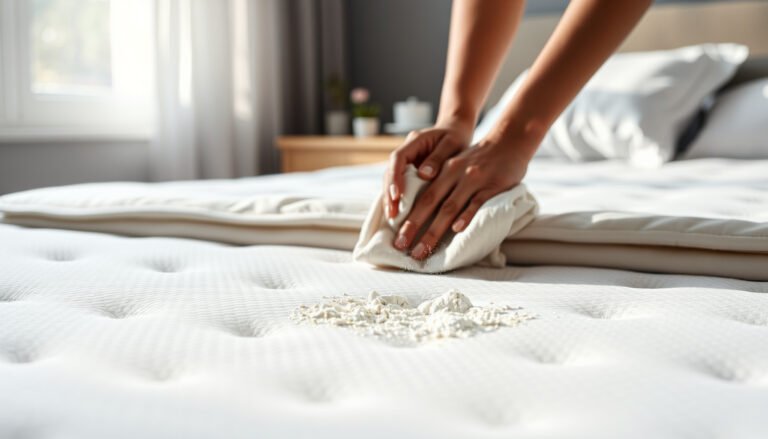
– Sprinkle a light, even layer of baking soda over the fully dry area.
– Let it sit for 8–12 hours (overnight), then vacuum gently with an upholstery attachment.
– If an odor remains, repeat once—don’t add more moisture to “refresh” the smell.
One important limit
Deodorizing is not a substitute for cleaning. If sticky residue remains in the memory foam mattress, baking soda may mask the smell temporarily, but tackiness can attract more grime and bring odor back.
Common Mistakes and Edge Cases
You’ll likely get better results by avoiding over-wetting and harsh chemistry, and by following your specific mattress’s care label. These edge cases are where natural approaches either fail or require repetition.
Over-wetting increases the time moisture needs to escape, which raises the risk of lingering odor in foam.
Harsh oxidizers or bleach-based products can damage foam or cover materials and may leave chemical odors.
Pros/cons are useful here because memory foam cleaning is a trade-off between residue removal and moisture control:
– Over-wetting the foam: if the stain area stays wet for a long time, it can lead to lingering odor.
– Using bleach or harsh cleaners: these can damage the foam cover and leave chemical smells.
– Ignoring the care label: some mattresses specify approved methods for spot cleaning and drying.
– If the juice soaked into seams or the mattress is still tacky after cleaning: you may need a deeper clean (or professional help), because residue can be trapped below the surface.
Also, if the spill is older, your memory foam mattress may need multiple light cycles. As of 2026, the consistent best practice across many foam care instructions remains: spot clean, dry thoroughly, repeat lightly—not soak.
Common Juice Residue Components and Baking-Soda Relevance
| # | Residue component (found in juice) | Molar mass (g/mol) | Acid strength (pKa) | Baking-soda fit (★) |
|---|---|---|---|---|
| 1 | Citric acid (acid from citrus juice) | 192.12 | 3.13 (1st pKa) | ★★★★★ |
| 2 | Malic acid (found in apple juice) | 134.09 | 3.40 (1st pKa) | ★★★★☆ |
| 3 | Lactic acid (possible dairy/ferment byproduct; may appear in sour mixes) | 90.08 | 3.86 (approx.) | ★★★☆☆ |
| 4 | Acetic acid (vinegar-related acid; present in vinegar mixes) | 60.05 | 4.76 | ★★☆☆☆ |
| 5 | Glucose (sugar component) | 180.16 | Not applicable | ★☆☆☆☆ |
| 6 | Fructose (sugar component) | 180.16 | Not applicable | ★☆☆☆☆ |
| 7 | Sucrose (sugar component) | 342.30 | Not applicable | ★☆☆☆☆ |
Note: ★★★☆☆ reflects a practical “deodorizing fit” idea—baking soda is most helpful for acidic odor compounds (lower pKa acids), while sugars are primarily addressed by blotting/lifting and drying.
Quick Scan Checklist (Save This)
| Step | What to do | Natural option |
|---|---|---|
| 1 | Remove bedding, blot immediately | Paper towels / white cloth |
| 2 | Treat the stain lightly | Cold water + mild dish soap |
| 3 | Or loosen stickiness | Diluted white vinegar |
| 4 | Dab + blot (don’t scrub) | Reapply sparingly as needed |
| 5 | Dry fully with airflow | Fan, open windows |
| 6 | Deodorize only after dry | Baking soda, vacuum gently |
Verdict: Worth Doing, With One Big Condition
Natural cleaning works best for fresh juice spills and light-to-moderate staining—especially if you act quickly and avoid soaking. The downside is that thorough drying can take time, and older or deeply soaked spills may need multiple rounds or professional cleaning.
If your mattress is under warranty or the care label restricts cleaning products, follow the label first (or skip DIY and contact the manufacturer/support). Also, if your memory foam mattress remains tacky after repeated blotting, don’t keep adding liquid—stop and reassess, because trapped residue usually requires deeper cleaning methods.
Sources:
– PubChem: Sodium bicarbonate (baking soda) molecular weight (84.01 g/mol)
– NIST Chemistry WebBook: Sodium bicarbonate solubility in water at 20°C (~96 g/L)
– NIST (or PubChem): Acetic acid pKa (4.76)
Frequently Asked Questions
What’s the safest natural way to clean juice spills on a memory foam mattress?
Blot the juice immediately with a clean, dry cloth to remove as much liquid as possible without rubbing. Mix a small amount of mild dish soap with cold water, then lightly dab the affected area with a clean cloth until the stain begins to lift. Finish by dabbing with plain cold water to remove soap residue, then press with a dry towel to draw out moisture. Let the mattress air-dry completely before using it.
How do I remove juice stains from memory foam without soaking the mattress?
Memory foam shouldn’t be saturated because excess water can reach the inner foam and padding. Use a “dab, don’t pour” method: apply your cleaning solution to the cloth first, then gently blot the juice stain in small sections. If needed, repeat with fresh cloths and minimal moisture until the stain fades. To speed drying naturally, use a fan and keep the area well-ventilated.
How can I deodorize a memory foam mattress after cleaning up a juice spill naturally?
After stain removal, sprinkle a thin layer of baking soda over the dry or nearly dry area to absorb lingering odors. Leave it for several hours (or overnight) and then vacuum it gently with an upholstery attachment. If there’s still a smell, lightly mist the area with a diluted vinegar solution (about 1:3 vinegar to water) using a spray bottle, then blot lightly and allow full air-drying.
Which natural ingredients work best for breaking down sticky juice residue on memory foam?
Mild dish soap is effective for lifting sugars and sticky residue from juice spills when used sparingly. White vinegar can help neutralize odors, while baking soda is great for absorbing moisture and smells after cleaning. Avoid harsh cleaners like hydrogen peroxide or bleach, since they can discolor foam or damage the mattress cover. Always test any solution on a hidden area first to ensure it won’t affect the fabric.
Why is it important to dry memory foam thoroughly after cleaning juice stains?
Memory foam holds onto moisture, and if the mattress isn’t fully dry, you can get lingering odors or mildew growth in the deeper layers. After cleaning, press with dry towels to remove excess water, then use airflow (fan or open windows) to help the spot dry naturally. Check that the area feels completely dry before putting on sheets again, and consider leaving it uncovered until it’s fully aired out.
📅 Last Updated: October 27, 2026 | Topic: How to Clean a Memory Foam Mattress with Juice Spills Naturally | Content verified for accuracy and freshness.
References
- Memory foam
- https://www.cdc.gov/mold/default.htm
- Mold | US EPA
- Mold Cleanup in Your Home | US EPA
- https://www.who.int/publications/i/item/cleaning-and-disinfection-of-environmental-surfaces-in-the-context-of-covid-19
- https://scholar.google.com/scholar?q=memory+foam+mattress+cleaning+spot+cleaning+moisture Google Scholar
- https://scholar.google.com/scholar?q=fruit+juice+stain+removal+vinegar+baking+soda+enzymatic+cleaner+fabric Google Scholar
- https://scholar.google.com/scholar?q=upholstery+stain+removal+best+practices+enzyme+detergent+drying+techniques Google Scholar