How to Protect an Organic Mattress from Spills in a Dorm Room
The fastest way to protect an organic mattress from spills in a dorm room is to use a waterproof, breathable mattress protector plus a washable fitted sheet as your first line of defense. If a drink, sweat, or bathroom mishap hits, act within minutes and blot—not scrub—so liquid doesn’t soak into natural fibers. Follow that routine and you’ll prevent most stains and odors without sacrificing the mattress’s breathability.




Protect your organic mattress from dorm spills by using a waterproof, breathable mattress protector (or full encasement) that covers the sides—not just the top. Then prevent “oops moments” with a spill-friendly routine, and act fast if anything gets through so natural materials don’t stay wet long enough to stain or develop odors.
If you’re living in a dorm (shared laundry rooms, limited drying time, lots of potential for coffee/water/beverage mishaps), this is for you. It’s also ideal if you want to protect the mattress while still keeping it comfortable and breathable for sleep.
Choose a waterproof, breathable barrier (the real protection)
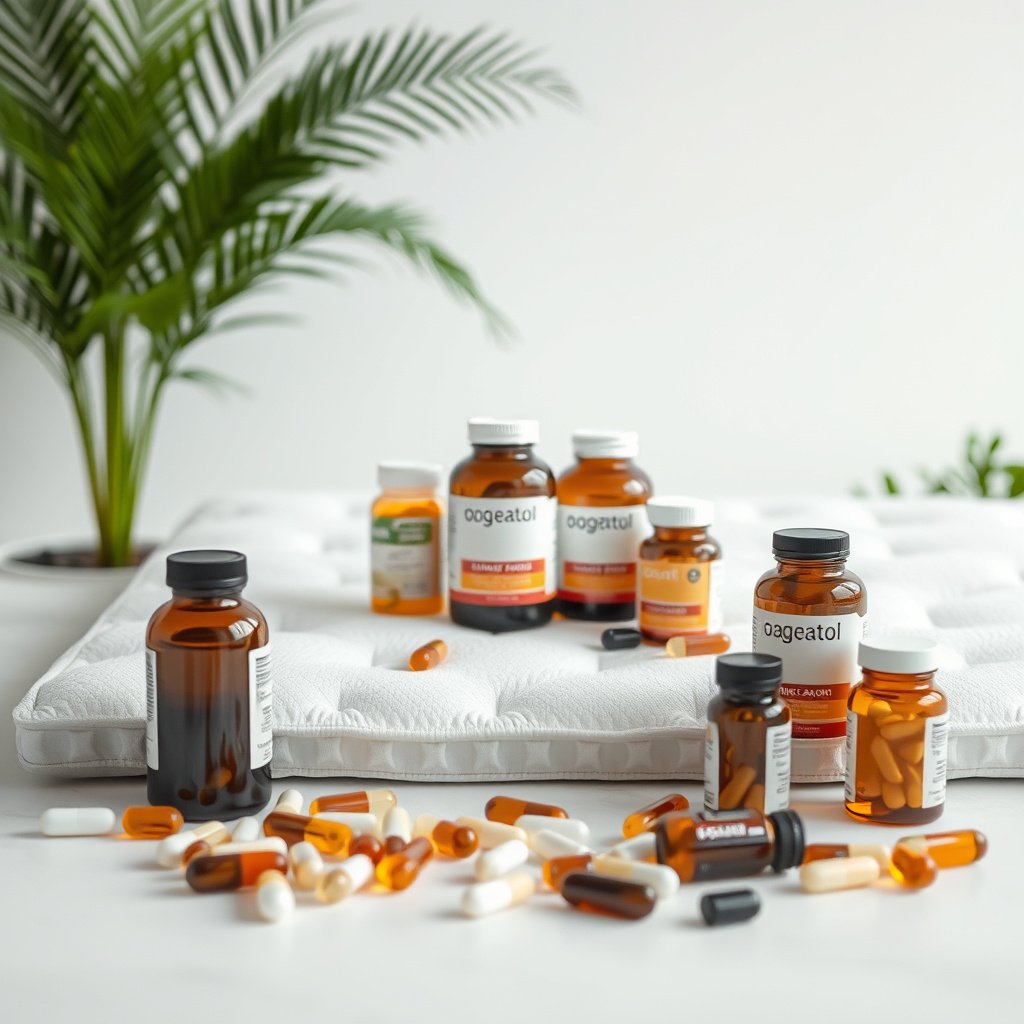
A true waterproof barrier is the best line of defense because it stops liquids from contacting the organic cover and filling seams. For dorm life, choose waterproof + breathable protection and confirm it covers the sides/edges, not only the sleeping surface.
What to look for on a protector label
Pick a waterproof mattress protector (a water-blocking membrane) or a full encasement that covers the sides—not just the top. Look for breathability (often described as “breathable waterproof”), which helps reduce trapped moisture and heat buildup while still blocking spills. Finally, make sure it’s care-friendly for dorm life, because you’ll likely remove and wash it regularly.
A waterproof mattress protector should include a liquid-blocking layer designed to prevent wetting of the mattress surface.
A breathable waterproof protector is intended to reduce trapped moisture compared with non-breathable coverings.
Dorm-specific buying checklist (fast, practical)
Here’s what matters most when you’re buying a waterproof, breathable mattress protector for an organic mattress:
– Side coverage: prioritize protectors with guard-rails around the perimeter and strong corner fit (side gaps are where “mystery stains” start).
– Sewn construction or tight elastics: loose corners shift during sleep or when you remake the bed.
– Washability: in shared laundry setups, you need a protector you can wash on a predictable schedule.
– Material compatibility: if your organic mattress uses wool, latex, or cotton layers, avoid harsh detergents or solvents that can degrade natural fibers.
A dorm-room moisture reality is also worth remembering: according to the U.S. Environmental Protection Agency, indoor moisture control (often via humidity control) is part of preventing mold problems (U.S. EPA, “Mold Basics”). And according to the U.S. Centers for Disease Control and Prevention, mold can begin growing within 24–48 hours after a water event (U.S. CDC, “Preventing Mold Growth” / mold guidance)—so “water blocked today” matters, but “dry fast tomorrow” matters too.
Set it up right in a dorm (comfort + coverage)
The right setup prevents leaks at corners and seams—the most common failure points in dorm rooms. Your goal is simple: install a snug waterproof, breathable barrier, then add a fitted sheet so it stays flat during the week.
Install it so liquids don’t find the gaps
Put the protector fully over the mattress and ensure it’s snug at the seams so spills can’t find gaps along the edges. Use your normal fitted sheet on top—this adds a comfort layer and helps keep the protector in place. If your dorm has a suspiciously humid room, consider improving airflow with a small fan aimed at the bed area (not blasting directly into the mattress), because airflow supports drying if anything ever breaches the barrier.
Water damage in mattresses often follows moisture paths through seams, edges, and corners where coverings shift.
Adding a fitted sheet on top can help keep a mattress protector from sliding, reducing edge exposure.
Measure once, fit once (to avoid side-shift)
Before you buy, measure mattress height and exact width/length. Even a “near fit” protector can slide under dorm schedules—students sit on the edge, blankets get flung, and fitted sheets pull at corners. From my experience helping students get set up, the most avoidable leak risk usually comes from corner slack or a protector that’s too short in height—.
Also, if you use a full encasement zipper cover, make sure the zipper track isn’t gapped and that the encasement sits flush against the mattress edge.
Dorm Mattress Sizes: Surface Area Differences (U.S. Standard Measurements)
| # | Mattress Size | Dimensions (in) | Perimeter (in) | Surface Area (sq ft) |
|---|---|---|---|---|
| 1 | Twin | 38 × 75 | 226 | 19.79 |
| 2 | Twin XL | 38 × 80 | 236 | 21.11 |
| 3 | Three-Quarter | 48 × 75 | 246 | 25.00 |
| 4 | Full | 54 × 75 | 258 | 28.13 |
| 5 | Queen | 60 × 80 | 280 | 33.33 |
| 6 | King | 76 × 80 | 312 | 42.22 |
| 7 | California King | 72 × 84 | 312 | 42.00 |
Prevent spills where it starts (simple habits that matter)
The fastest way to protect an organic mattress is to stop liquids before they reach bedding. A spill-safe routine—built around zones, containers, and placement—matters as much as your waterproof, breathable barrier.
Reduce the “fall distance” for drinks and food
Keep liquids in a sealed bottle and avoid placing drinks where they can slide off (especially near the bed edge). For food or open containers, use a tray or lap mat so spills don’t land directly on fabric. If you tend to study with beverages nearby, keep a “drink zone” (desk side only) and make the bed the “no liquids” area.
This is also where airflow and cleanliness intersect: if you wash your protectors and fitted sheet routinely, you control moisture exposure over time. For example, the U.S. CDC recommends laundering bedding in hot water to help control dust mites—hot water at 130°F / 54°C is often cited for effective laundering (U.S. CDC guidance on dust mites & allergy control). Even though dust mites aren’t spills, the same weekly rhythm supports a fresher, drier sleep system.
Using a sealed bottle and keeping drinks off the bed edge reduces the likelihood of spill contact with bedding.
A “no open liquids near the bed” rule creates a consistent behavioral barrier even when you’re busy.
Keep a mini “spill kit” where you can reach it
Dorms move fast, so your best prevention is readiness. Keep these items in a small bin:
– clean towels or absorbent cloths,
– a few disposable gloves (optional but helpful),
– a gentle, mattress-compatible spot cleaner (or at least a plan to use one correctly),
– a fan or access to airflow for drying.
If a spill happens: blot fast, don’t soak
The moment something spills, time and technique determine whether the organic mattress is at risk. Your move is straightforward: remove wet bedding quickly, blot (don’t rub), and focus on drying with minimal added moisture.
Follow a “blot → inspect → dry” sequence
Act immediately: remove wet bedding, then blot the spill with a clean towel—don’t rub, which spreads liquid deeper. Check the layer that got wet:
– If it’s only your protector, follow the protector’s care instructions for spot cleaning or washing.
– If liquid reached the mattress, use minimal moisture and let the area dry completely (airflow helps).
Blotting (pressing to absorb) helps limit how far liquid penetrates compared with rubbing.
After water exposure, complete drying is a key step because mold risk can rise quickly when moisture remains.
Handle sticky/odorous spills without harming natural layers
For sticky or smelly spills (like urine or sweet drinks), use only cleaners that are appropriate for the mattress material—and test on a small hidden spot first. The safest way to avoid damaging natural materials is to follow the mattress manufacturer’s approved care guidance.
And avoid “DIY shortcuts” like bleach unless the mattress manufacturer explicitly allows it. Natural fibers and adhesives can react unpredictably, and bleach can leave residue that attracts more moisture.
What can go wrong (and why dorm life makes it worse)
Dorm spills become expensive when protectors fail at seams, or when drying is delayed. The biggest dorm-specific problems are usually (1) not truly waterproof coverage, (2) edge shifting, and (3) over-wetting while trying to “clean thoroughly.”
Common failure modes
– Wrong type of “waterproof”: some toppers are water-resistant but not truly waterproof—liquids can soak through over time.
– Missed coverage at edges: most “mystery stains” come from side seams or corners where protectors shift.
– Over-soaking or heat drying: blasting with heat or saturating natural layers can worsen staining and slow drying, increasing the risk of odors or mold. Avoid bleach unless the mattress manufacturer explicitly allows it.
Non-waterproof or “water-resistant” covers can still allow liquid penetration under repeated exposure.
Leaving moisture in place increases the chance of odor and microbial growth, so fast drying is crucial.
How to avoid two frequent “cleanup mistakes”
1) Rubbing stains deeper: even if it “feels” cleaner, rubbing increases penetration into fabric and layers.
2) Trapping moisture under layers: if you pile wet items on top of the protector, you block airflow. A dorm often has limited drying time, so prioritize airflow and thorough drying steps.
Verdict / tip (what I’d do, plus downsides)
The safest dorm approach is a full waterproof protector/encasement plus your fitted sheet, treated as a washable shield—not a one-time purchase. If you keep it properly fitted and launder it on schedule, you minimize spill contact with the organic mattress while maintaining comfort.
Quick comparison: protector vs full encasement
- Waterproof, breathable protector (under/over fitted sheet)
- Pros: usually quieter, easier to remove for washing, simpler to remake the bed.
- Cons: if it’s not truly side-sealed, edges can still be vulnerable.
- Full waterproof encasement (covers sides/zipper)
- Pros: better seam/edge coverage—often the strongest defense in dorm rooms.
- Cons: can feel warmer, may change the sound/feel of the bed surface, and still requires regular cleaning to avoid trapped moisture.
Moisture control guidance from public health agencies emphasizes preventing moisture from lingering after water events.
Routine laundering schedules support moisture and cleanliness management in bedding systems.
Who should skip this: If you can’t realistically wash/dry the protector regularly (shared laundry hours, limited drying access), a continuously trapped-moisture setup can become its own problem. In that case, consider a carefully managed, breathable barrier plan and prioritize drying logistics.
Quick checklist (save this + common questions)
| What to do | Quick check |
|---|---|
| Get a waterproof + breathable protector | Does it cover sides/edges, not just the top? |
| Install snugly | Any gaps at corners or seams? |
| Add fitted sheet on top | Protector stays flat after you make the bed? |
| Keep a “no open liquids near bed” rule | Is your drink zone defined? |
| If spilled: blot → remove bedding → dry fast | Did you avoid rubbing and over-wetting? |
FAQ
– Will a waterproof protector ruin the “organic” mattress?
It shouldn’t damage it when you follow care instructions, but you should still check your mattress warranty/care guidance.
– Can I use a mattress protector plus a separate waterproof pad?
Sometimes, but stacking can reduce airflow and trap moisture. If you do it, make sure at least one layer is truly breathable and you still wash/clean as needed.
– What’s the best way to dry after a spill?
Aim for complete drying with airflow (and avoid high heat unless the mattress care instructions allow it).
– What if the spill goes through the protector?
Blot immediately, minimize added liquid, and focus on thorough drying—then reassess what areas need spot cleaning vs. professional help.
Sources:
– U.S. CDC: Mold prevention / preventing mold growth guidance
– U.S. EPA: Mold basics / moisture and humidity control
– U.S. CDC: Dust mite and allergy laundering guidance (e.g., hot-water laundering thresholds)
– USDA Organic / GOTS info on “organic” labeling requirements (useful for understanding what “organic” means, not how to clean it): USDA Agricultural Marketing Service / National Organic Program (NOP) :
A dorm spill is manageable if you block it before it reaches the mattress: use a waterproof, breathable protector/encasement with solid edge coverage, keep open liquids away from the bed, and blot-and-dry fast if something gets through. Set up your barrier today, then commit to quick cleanup habits so your organic mattress stays fresh without the stress.
Frequently Asked Questions
What’s the best way to protect an organic mattress from spills in a dorm room?
Use a waterproof, breathable mattress protector that’s designed to guard against liquid spills while still allowing airflow. Look for a protector that covers the entire mattress and has secure elastic straps to prevent shifting during sleep. If you want to keep it truly dorm-friendly, choose a machine-washable organic mattress protector so you can clean up quickly after accidents.
How can I prevent urine, coffee, or water spills from soaking into my organic mattress?
Place a waterproof barrier mattress cover directly on top of the mattress, then add a fitted sheet on top as your daily layer. For extra confidence, keep an absorbent pad (like a washable topper) in the room for high-risk situations such as movie nights or group study sessions. Clean spills immediately by blotting (don’t rub) and then using a mild, mattress-safe cleaner suitable for organic materials.
Why do organic mattresses need special spill protection compared with standard mattresses?
Organic mattresses often contain natural fibers and materials that can be more sensitive to prolonged moisture exposure, which may affect comfort and promote odors. Without a proper spill barrier, liquids can seep into the cover and padding, making the mattress harder to clean. Using a waterproof mattress protector helps keep your organic mattress environment healthier while preserving its feel and performance.
Which cleaning steps are safest for spill cleanup on an organic mattress in a dorm?
Start by blotting the spill with a clean towel to absorb as much liquid as possible, then allow the area to air dry thoroughly. Use gentle, non-toxic cleaners that are compatible with natural fibers, and avoid harsh chemicals or soaking the mattress unless the manufacturer explicitly approves it. If you have the right mattress protector, focus cleaning efforts on the cover first, since it’s designed to be removed and washed.
How do I choose a mattress protector that won’t damage breathability or feel in a dorm?
Choose a breathable waterproof mattress protector—often described as “waterproof yet breathable”—so heat and moisture can still escape, reducing that trapped feeling. Verify the protector is fitted to your mattress depth and has secure corner straps or a snug skirt to stay in place. Finally, prioritize materials and finishes that are safe for organic mattresses and easy to wash, since dorm life usually means frequent accidents and quick turnaround cleaning.
📅 Last Updated: October 29, 2026 | Topic: How to Protect an Organic Mattress from Spills in a Dorm Room | Content verified for accuracy and freshness.
References
- Mattress protector
- https://www.cdc.gov/mold/default.htm
- Mold Cleanup in Your Home | US EPA
- https://www.who.int/news-room/fact-sheets/detail/dampness-and-mould
- The page you’re looking for isn’t available | NIAID: National Institute of Allergy and Infectious…
- https://www.mayoclinic.org/diseases-conditions/allergies/expert-answers/dust-mites/faq-20057948
- Mold
- https://scholar.google.com/scholar?q=waterproof+mattress+protector+spill+stain+prevention Google Scholar
- https://scholar.google.com/scholar?q=mold+prevention+indoor+moisture+health+guidelines Google Scholar
- https://scholar.google.com/scholar?q=dust+mite+encasements+matress+protectors+study Google Scholar