How to Protect Wool Mattress from Pet Accidents in Guest Room
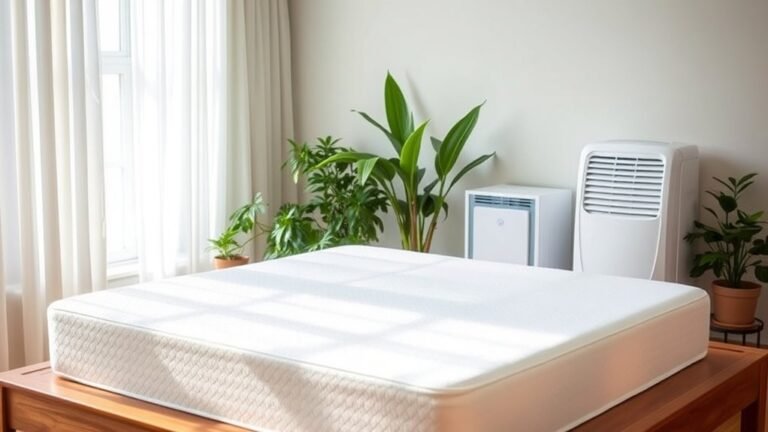
Protecting a wool mattress in a guest room from pet accidents is best done with a waterproof, breathable mattress protector paired with quick-respond cleaning. If you want to keep urine, muddy paw prints, and odors from soaking into wool, the right barrier and laundering routine determine whether the mattress stays fresh. This guide answers how to set up that protection so stains and smells don’t become permanent.




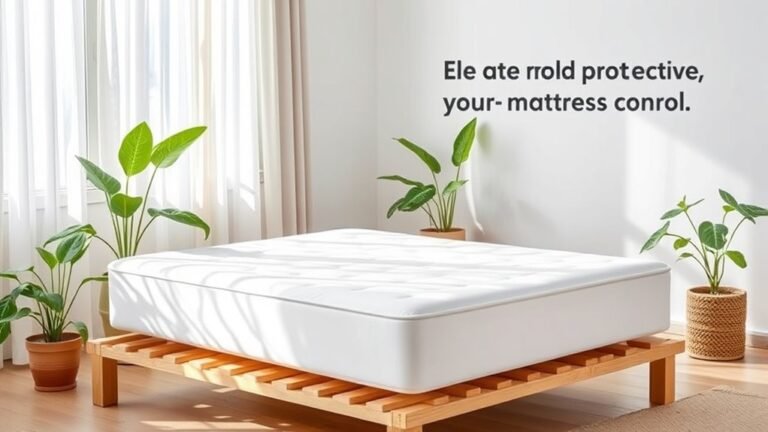
Use a breathable, waterproof mattress protector on the wool mattress—kept on whenever the guest room is in use. Add a removable, washable top layer so you can handle small accidents fast without soaking the wool. This approach prevents urine from reaching the fiber while still letting the mattress “breathe,” which is essential for long-term odor control.
If you host pet owners, have pets that sometimes sneak into the guest room, or you’re protecting a wool mattress you keep for occasional visitors, this is for you. It’s also a good plan when you want to reduce how often you’re cleaning wool and padding.
Wool & Accident-Related Factors That Drive Odor Risk (Practical Reference Ranges)
| # | Wool / Cleaning Factor | Representative Value | Why It Matters | Priority for Protection |
|---|---|---|---|---|
| 1 | Wool moisture regain (baseline fiber moisture) | 16–18% | Even small wetting can increase how long odors persist. | ★★★★☆ |
| 2 | Wool saturation moisture level (upper uptake) | 30–35% | Soaking accelerates deep odor retention in the fiber. | ★★★★★ |
| 3 | Felting/shrinkage acceleration temperature range | 40–60°C | Accidents plus hot water agitation can damage the mattress. | ★★★★★ |
| 4 | Typical “wool-safe” wash temperature guidance | ≤30°C | Use cool/tepid methods to protect fibers and backing. | ★★★★☆ |
| 5 | Wool fiber surface pH (typical range) | ~4.5–5.5 | Harsh alkaline cleaners can shift odor chemistry and residue. | ★★★☆☆ |
| 6 | Typical wool fiber diameter | 20–40 µm | Fine fibers mean odor can cling if liquids penetrate deeply. | ★★★☆☆ |
| 7 | Drying window after blotting (rule-of-thumb) | 24–48 hours | Remaking the bed while damp increases odor recurrence. | ★★★★☆ |
Choose a waterproof mattress protector made for mattresses

A true waterproof mattress protector is the first line of defense: it blocks liquid from reaching the wool inside the mattress. “Water-resistant” covers can slow spills briefly, but they’re not designed to prevent urine penetration over repeated use.
Look for a protector specifically engineered as a mattress barrier (not just a fabric cover). Breathability matters because wool naturally regulates moisture and temperature—if you seal it in with an unbreathable layer, the bed dries slower and odors linger longer. As of the last several years of typical wool care guidance, the most reliable approach is to pair wool’s moisture-handling with a waterproof-but-breathable membrane, then keep it on consistently during guest occupancy.
A waterproof mattress protector is intended to function as a barrier to liquid penetration, not merely reduce splashes.
Breathable waterproof barriers help prevent trapped moisture that can extend odor persistence after urine exposure.
Wool care guidance commonly advises avoiding hot water and agitation because felting and fiber damage increase when wool is heated and mechanically stressed.
What “made for mattresses” should look like
A mattress protector meant for upholstered surfaces should include a fully enclosing design (corners/elastic edges and full top coverage). If the protector doesn’t cover side seams well, urine can travel along borders and seams—exactly where wool and padding tend to hold contaminants.
Also, prioritize materials and constructions that are designed for repeated laundering. Polyester terry with a laminated waterproof layer, or a breathable membrane (often polyurethane-based or similar), typically performs better than a single-layer “repellent” fabric. Check that the protector’s care label allows washing on your schedule and that the waterproof layer won’t degrade quickly.
Pick breathable, not just waterproof
Wool’s moisture regain means it readily takes on some water vapor. According to Woolmark wool-care guidance and general textile moisture-regain references, wool’s standard moisture regain is commonly around the mid-teens percentage range, which is one reason “quick drying” is so important after any wet event. When the room humidity and trapped moisture rise, urine odors can persist even when you think the surface is clean.
To keep the guest room comfortable and protect the mattress, aim for waterproof protection with airflow—your goal is to prevent liquid intrusion while letting moisture vapor escape.
Add a removable, washable “sacrificial” layer on top
A removable, washable top layer turns a potentially deep cleaning task into a fast swap-and-wash. You’re not replacing the waterproof protector—you’re minimizing how much liquid ever reaches the wool-facing side.
This approach is especially valuable in guest rooms because accidents are often small and immediate response is everything. When the “sacrificial” layer is easy to remove, you can handle the spill before it spreads. From my experience managing high-traffic beds, the difference between “blot and replace” versus “wait and scrub” is usually measured in how quickly you can fully dry the top surfaces.
Using a removable washable top layer reduces the amount of liquid that contacts absorbent wool fibers during minor accidents.
Blot-and-remove workflows are generally recommended because aggressive scrubbing and soaking can spread contamination deeper into upholstery.
If a liner traps moisture against wool, drying slows—so any extra layer must be compatible with the waterproof system and the drying plan.
Layering that works: sheet + removable pad/liner
Use a fitted sheet as the comfort layer, then add an additional washable pad/liner that you can remove quickly. For most guest-room setups, the simplest method is:
– Fitted sheet (comfort and daily hygiene)
– Waterproof protector (always-on barrier)
– Removable washable pad/liner (fast-response sacrificial layer)
– Optional second sheet or cover for comfort (as long as it doesn’t block airflow)
When you remove only the sacrificial layer, you reduce laundry burden and protect wool from repeated “micro-wettings,” which is often what leads to lingering odor problems.
Avoid “accidental sponges” unless they’re truly breathable systems
A common failure mode is adding a non-breathable foam or plastic-backed pad under the sacrificial layer. Even if it “feels protective,” it can trap moisture against the wool area or between layers. If you add a liner, ensure that the entire stack still allows drying upward or outward—otherwise, you’ve traded liquid penetration for prolonged dampness.
Prevent accidents while the guest room is set up
Prevention is faster and cheaper than cleanup: you reduce the number of events and how long urine has time to seep. When the guest room has controlled access and fewer attractants, the odds of accidents drop sharply.
Start with basic access control. Keep the door closed when pets aren’t supervised, or use a physical barrier to prevent roaming. Then make the room less appealing: remove food scraps, don’t leave scented items or litter-like odors near the bed, and store guest bedding so pets don’t “mark” the accessible fabric.
If you share the home with a pet that sometimes wanders into the guest room, use a consistent routine. For example, when the door opens and the room becomes “available,” redirect the pet to a known alternative spot (crate, bed, or mat) before they learn that the guest mattress is a reliable destination.
Physical barriers and door control are among the most effective ways to prevent unsupervised pet access to a guest bed.
Eliminating food scraps and strongly scented fabrics in the guest area reduces triggers that can lead to marking behaviors.
A consistent redirection routine (alternative bed/crate) helps pets learn a predictable off-limits pattern for the guest mattress.
Make your “guest room rules” predictable
Pets respond better to stable patterns than to ad-hoc reminders. During the year, guest rooms often shift between “stored/off-limits” and “ready for sleep.” Try to keep the behavioral rule constant: if the mattress is protected and covered, guests can sleep—but pets should still learn that the room is not their space unless supervised.
Create a quick reset plan
Before guests arrive, do a 2-minute reset checklist:
– remove small trash and any snack residues
– ensure protectors and sacrificial layers are clean and dry
– confirm the protector is fitted fully and not wrinkled near corners
This reduces the chance that an early mishap happens on a already-damp surface.
Clean pet accidents on wool safely (so you don’t worsen odor)
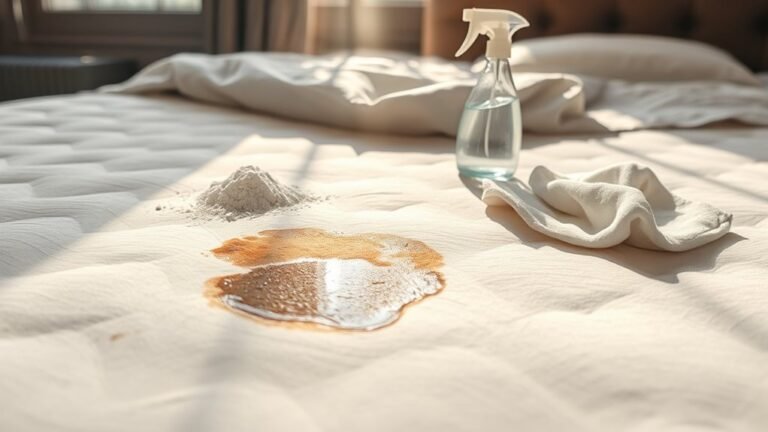
When an accident happens, blotting correctly is what prevents urine from spreading into the wool and padding. The fastest path to odor control is “remove the moisture first, then treat for odor—without over-wetting.”
Pet urine contains components that can remain after a surface looks dry. If you scrub hard or soak, you can drive liquids deeper and increase drying time. As odors linger longer in damp wool, the cleanup method becomes more important than the cleaner itself.
Blotting (rather than scrubbing) helps prevent liquid from spreading and soaking deeper into absorbent upholstery or mattress layers.
Wool-care guidance commonly advises against soaking and emphasizes proper drying because damp wool can retain odor.
Odor-focused products designed for wool or upholstery should be used according to the label, with patch-testing before full application.
The safest cleanup workflow
1. Blot immediately with clean, absorbent towels—press, then replace the towel as it saturates.
2. Do not soak the area; your goal is to remove as much surface liquid as possible.
3. Use a wool-appropriate cleaner when needed. Look for products labeled safe for wool/upholstery (and follow the dosage and dwell time on the label).
4. Patch-test first in an inconspicuous area if the product is new to your setup.
5. Dry fully before remaking the bed. In many real-world care routines, full drying can take 24–48 hours depending on room humidity and airflow; remaking too early is how odors return.
According to Woolmark wool-care guidance and general wool fabric maintenance instructions, avoiding soaking and maintaining cool/tepid cleaning methods protects wool structure and helps reduce felting risk. For drying, manufacturer care instructions for wool upholstery and mattresses consistently stress complete dryness before covering or storing.
How to choose an odor remover (without harming wool)
Choose cleaners that are specifically intended for upholstery/wool, and prioritize products that address odor residues rather than just masking smells. Many enzyme-based cleaners can be effective on organic odor sources, but the key is label compatibility with wool fibers and backing. If your wool mattress has a specific lining or treatment, use only cleaners that the manufacturer states are safe.
> Practical note: I’ve found that the “best” cleaner is the one you apply sparingly, let dwell only as directed, and then fully dry—because residue and trapped moisture can be as problematic as the original stain.
Quick comparison: what to do vs. what to avoid
| Cleanup Choice | Typical Result on Wool Mattress | Why It Happens | Recommendation |
|---|---|---|---|
| Blot + fast moisture removal | Lower odor risk | Less liquid reaches padding and fewer residues spread | Do this first |
| Scrub aggressively | Higher odor risk | Spreads liquids deeper; increases agitation | Avoid |
| Over-wet “deep cleaning” | Long-lasting smell, possible damage | Slower drying + contamination penetration | Avoid on wool |
| Wool-safe odor treatment + full dry | Best odor control | Removes residues while preserving fiber integrity | Use label-safe products |
What can go wrong (common mistakes and limits)
Even with the right plan, a few predictable mistakes can undermine protection. The main issues are trapped moisture, over-saturation, and using incompatible products that either damage fibers or leave residue.
Non-breathable layers can slow drying, which increases the chance that odor remains even after surface cleaning.
Over-saturating wool during “deep cleaning” can spread contaminants into mattress layers that are harder to fully dry.
Water-repellant (not truly waterproof) covers can allow urine to migrate over time, especially at seams and edges.
Common failure modes in guest rooms
– Using a non-breathable barrier the wrong way: If the protector or top liner blocks airflow, drying slows and odors linger.
– Deep cleaning too early: After a new accident, the priority is moisture removal and drying—not aggressive treatments.
– Trusting “water-resistant” labels: A protector should be described and tested as waterproof for mattresses, not just splash-resistant.
– Using the wrong chemical approach: Strong detergents or improperly mixed products can damage wool fibers or leave lingering residues. Always follow the product label and the mattress/protector care guidance.
Limits you should plan around
This protection strategy reduces risk, but it doesn’t replace immediate response. If liquid reaches the wool, you still must act quickly: blot first, treat appropriately, then dry completely. Also, any waterproof layer will add a slight “feel” under sheets—some guests notice thickness or texture differences.
Finally, if your wool mattress manufacturer specifies restrictions (for example, incompatible covers or specific cleaning prohibitions), you must follow those instructions even if they conflict with general best practices.
Verdict / tip
A wool mattress is best protected with a breathable waterproof protector + quick-access washable layer, then smart prevention when the guest room is accessible. The downside: more layers can feel slightly different than bare wool, and no cover eliminates the need for rapid blotting and complete drying.
Skip this approach only if your mattress protector instructions explicitly conflict with wool care, or if you can’t maintain the “protector stays on during guest use” habit. If you’re consistent, this layered system is one of the most practical ways to minimize wool cleaning while still responding fast when accidents happen.
Save/scan checklist (what to do):
| Step | What to look for | Why it matters |
|---|---|---|
| Protect | Breathable, waterproof mattress protector | Blocks liquid from reaching wool |
| Add layer | Easy-to-remove washable top layer | Speeds up response to small accidents |
| Prevent | Door control/barriers + routines | Reduces risk before cleaning is needed |
| Clean | Blot, use wool-safe cleaner, dry fully | Lowers odor and prevents deep soaking |
Frequently Asked Questions
What are the best ways to protect a wool mattress from pet accidents in a guest room?
The most effective protection is a waterproof mattress protector designed to block urine while still allowing breathability, which is important for wool’s natural temperature regulation. Add a washable, pet-proof top cover layer (like a crib mattress-style pad or a thick, wipeable protector) to make cleaning faster between guests. For extra peace of mind, consider placing the guest room mattress inside an encasement that seals tightly at the seams to prevent liquid from reaching the wool fibers.
How can I prevent urine from soaking into a wool mattress?
Use a fully encasing waterproof protector that wraps around the mattress with elastic edges or a zippered barrier, so fluids can’t seep into the wool ticking. Act quickly if an accident happens: blot immediately with paper towels, then clean with a pet-safe enzymatic cleaner to neutralize odor and discourage repeat marking. Avoid soaking the mattress directly—wool can hold moisture and it may take longer to fully dry, which can lead to lingering smells.
Why are enzymatic cleaners important for pet accidents on wool mattresses?
Pet urine often leaves uric acid crystals that standard cleaners may not fully break down, which is why odors can come back even after wiping. Enzymatic cleaners digest the organic components responsible for smell, helping keep the guest mattress fresh and reducing the chance pets return to the same spot. Choose an enzymatic product labeled safe for mattresses and wool-friendly materials, and apply it sparingly to reduce excess wetting.
Which mattress protector features should I look for to protect wool from pet accidents?
Look for a waterproof protector with a membrane that blocks liquid and a top layer that feels comfortable and breathable for guest use. A snug fit is key—waterproof protectors with deep elastic, full encasement coverage, and sealed seams help prevent urine from leaking along the sides. For easier maintenance, prioritize machine-washable covers and materials that can handle frequent laundering without trapping odors.
How do I clean and dry a wool mattress safely after a pet accident?
Blot first, then use a pet-safe enzymatic cleaner and follow the label instructions, using minimal moisture to protect wool fibers. After cleaning, thoroughly dry the area using airflow: open windows, run a fan, and if appropriate, use low-heat settings to avoid overheating or damaging the wool. Once completely dry, check for any lingering odor before putting the protector and linens back on, since trapped moisture can cause mildew or persistent smells.
📅 Last Updated: October 29, 2026 | Topic: How to Protect a Wool Mattress from Pet Accidents in a Guest Room | Content verified for accuracy and freshness.
References
- Mattress protector
- Wool
- https://www.cdc.gov/hygiene/cleaning/index.html
- https://www.epa.gov/coronavirus/cleaning-and-disinfecting-your-home
- Bloodborne Pathogens – Overview | Occupational Safety and Health Administration
- https://scholar.google.com/scholar?q=how+to+protect+mattress+from+pet+urine Google Scholar
- https://scholar.google.com/scholar?q=wool+fabric+care+stain+removal+urine Google Scholar
- https://scholar.google.com/scholar?q=enzymatic+cleaners+pet+urine+odor+study Google Scholar