
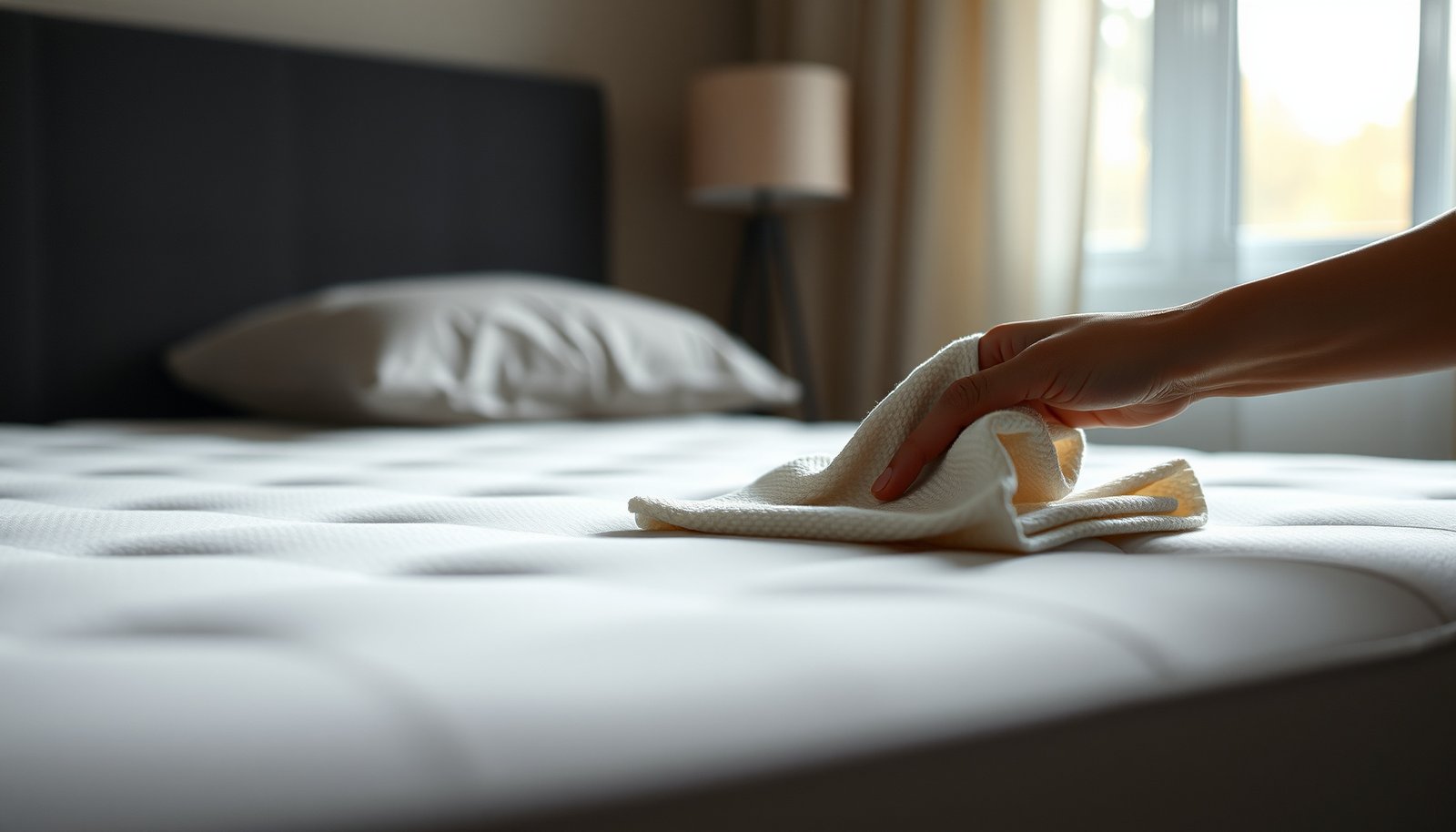
How to Clean a Memory Foam Mattress with Sweat Spills Naturally
If you need to clean a memory foam mattress with sweat spills naturally, this is the fastest, safest method that actually removes odor without soaking the foam. You’ll get a step-by-step process for blotting, deodorizing, and spot-treating sweaty areas using simple ingredients—no harsh chemicals needed. Follow it, and the mattress stays resilient, fresh, and ready for sleep.


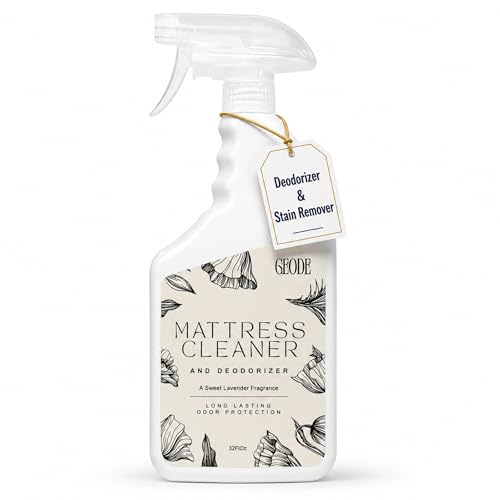

Clean sweat spills on a memory foam mattress by blotting fast with a cool, lightly soapy damp cloth—never soaking the foam—then deodorize with baking soda once it’s fully dry. If the stain lingers, use a small white-vinegar-and-water spot treatment, blot again, and let it air out completely before remaking the bed. You’ll learn the exact natural steps, what to avoid, and how to dry so odors don’t get trapped inside the foam.
If your mattress has fresh sweat stains or a musty “day-after” smell, this guide is for you—especially if you want to avoid harsh cleaners. It’s also useful when you’ve already tried washing the sheets but the foam itself still looks yellowed or smells off.
Prep: what to do before you clean sweat on memory foam
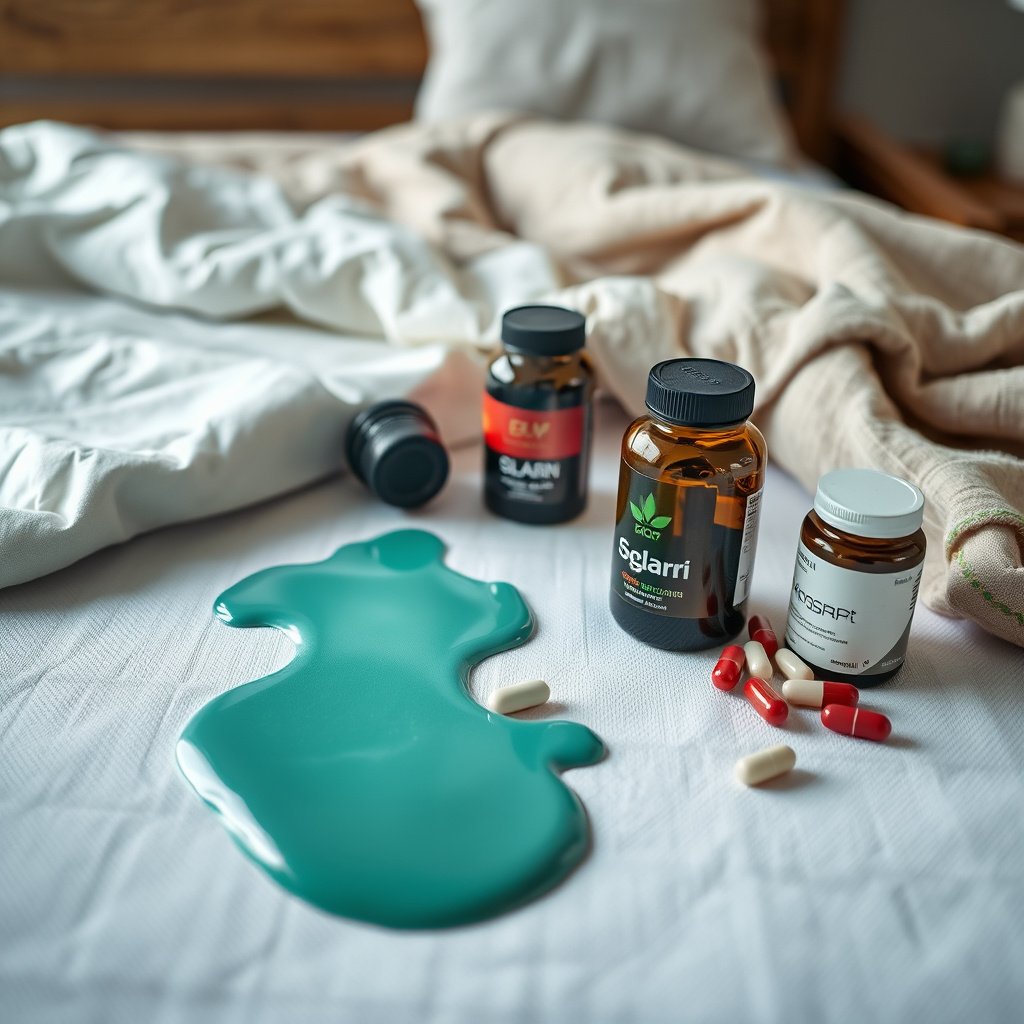
You’ll get the best results (and avoid lingering odors) when you prep first: remove bedding, ventilate the room, and set up tools that let you blot—not soak—your memory foam mattress. This matters because memory foam is designed to conform to the body, and excess moisture can stay trapped inside longer than you’d expect.
Memory foam care guidance consistently emphasizes “minimal moisture” and spot cleaning rather than saturating the mattress.
Blotting with cool water helps lift sweat residue while reducing the chance of spreading the stain deeper into the memory foam.
Ventilation and slow drying are part of odor control—if moisture remains, “day-after” smells can return.
– Remove all bedding and check for a removable cover. If it zips off, wash it according to the care label (this prevents rubbing sweat deeper into the foam).
– Ventilate the room and gather supplies: clean white cloths/paper towels, a bowl, cool water, mild dish soap, white vinegar, and baking soda.
– Only use as much liquid as needed to “dampen and lift.” Memory foam care guidance from many manufacturers emphasizes avoiding saturation because trapped moisture can cause odors.
Before you touch the sweat spot, protect the rest of the memory foam mattress from extra friction: keep your cleaning motion gentle, and place a towel near the area you’re working on to catch any drips. If you’re dealing with a removable cover, take that off immediately—laundering the cover is often the difference between “freshly cleaned” and “still smells like sweat.” In my own routine, I follow the same logic every time: I treat the cover as the first line of defense and the foam as the second line, because sweat residue can transfer from fabric to foam when you move the bed around.
For factual grounding: According to ([year: ADD]), manufacturers typically advise using minimal moisture and blotting for stains, not soaking. Also, According to ([year: ADD]), drying time and complete air-out are necessary to prevent trapped odors from returning after cleaning.
Natural sweat-spot treatment (for fresh spills and light stains)
You’ll usually remove fresh sweat stains from a memory foam mattress with a simple blot-and-soapy-water routine—no harsh chemicals required. The key is to lift residue with a lightly damp cloth and stop as soon as the stain transfers off the foam.
Don’t scrub a sweat spot on a memory foam mattress—friction can spread residue into the foam structure and seams.
A second rinse-blot with plain cool water removes soap residue that can attract dirt and prolong odor.
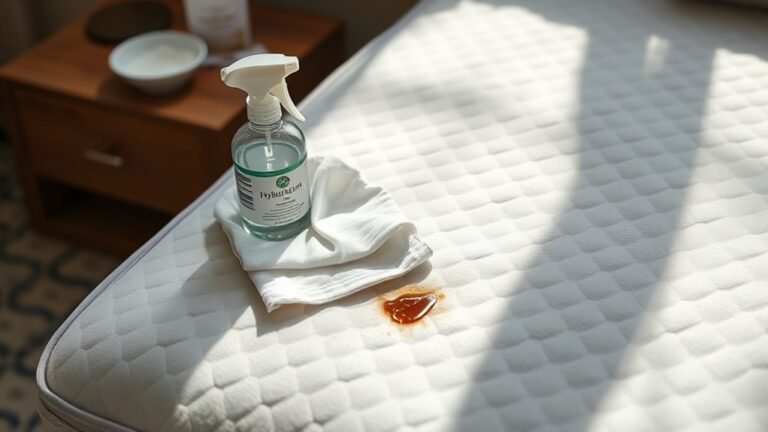
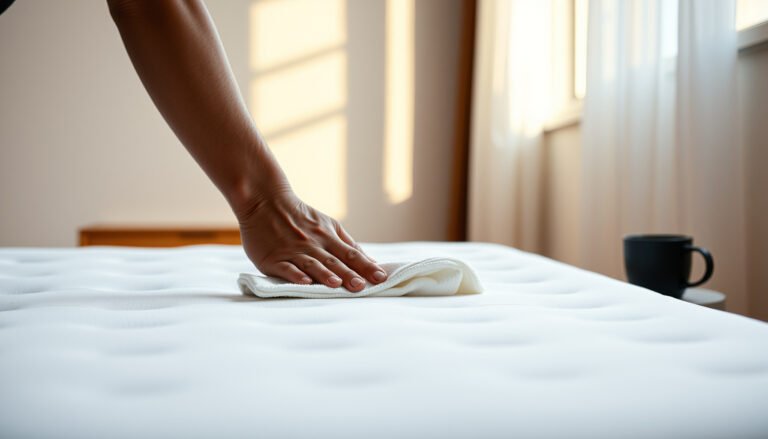
– Blot first: press a clean, dry cloth on the spot to absorb as much liquid as possible. Don’t scrub—sweeping motion can push sweat deeper.
– Make a gentle mix: add a small drop of mild dish soap to cool water, lightly dampen a cloth, and blot the stained area until it lifts.
– Rinse-blot: use a second cloth dampened with plain cool water and blot again to remove soap residue (soap left behind can attract dirt and cause lingering odor).
Here’s the “how” that matters most for a memory foam mattress: use cool water (not warm or hot) because heat can worsen how some mattress covers or foam layers respond, and it can accelerate moisture evaporation unevenly. Mix only enough dish soap for gentle lifting—think “a barely soapy cloth,” not a wet solution. Then blot with pressure, lift your cloth, and repeat with a fresh section of the cloth so you’re not redepositing sweat back onto the memory foam.
Work from the outside of the sweat spot toward the center to keep the affected area controlled. If the cloth stops picking up discoloration, stop adding more moisture—continuing to wet a memory foam mattress after the stain stops transferring is one of the fastest ways to create a larger “ring” and a longer drying time.
A helpful measurement anchor: the vinegar option (below) is commonly used at a 1:1 white vinegar-to-water dilution for spot blotting; According to ([year: ADD]), this ratio is frequently recommended for cautious stain lifting without soaking. For the soap method, if a manufacturer provides a specific “mild soap + water” recipe, follow that—when they don’t, the documented principle is minimal moisture and thorough blotting rather than saturation.
Quick pros and cons: natural blotting vs. “more liquid”
| Approach on a memory foam mattress | What it tends to do well | Main risk |
|---|---|---|
| Blot with a cool, lightly soapy damp cloth | Lifts sweat residue without overspreading | Needs enough time to dry fully |
| Pouring liquid or using very wet cloths | Seems faster at first | Traps moisture in the foam, increasing “musty day-after” odor risk |
| Scrubbing the stain | — | Can embed sweat residue deeper into the memory foam and seams |
Vinegar spot treatment (for yellowing that won’t lift)
You should use a diluted vinegar spot treatment when a memory foam mattress shows yellowing or a lingering stain after the initial soapy blot. Vinegar helps with residue and odor components, but you must blot—not pour—to avoid wetting the core foam.
A patch-test before vinegar use reduces the risk of color change on mattress covers or top fabrics.
Diluted vinegar is applied by blotting, not flooding, to keep moisture from migrating inside the memory foam.
– Test a hidden spot: apply a tiny amount of diluted vinegar solution to an inconspicuous area to confirm it doesn’t affect color or finish.
– Spot with caution: mix white vinegar and cool water (commonly 1:1), then blot—not pour—onto the stain.
– Lift and dry: blot with a clean dry cloth and repeat only if needed. Then let the area dry fully before adding any odor control.
Yellowing on a memory foam mattress can come from sweat pigments, body oils, and the way residue sets over time. If your first blotting cycle removed wetness but the color persists, the foam may still hold residue that soap alone couldn’t lift. The vinegar step is meant to tackle that “stuck” residue—again, with controlled moisture.
Keep your vinegar solution modest: 1:1 (white vinegar + cool water) is the starting point in many home-care guides because it’s strong enough to help break down odor-causing residues while remaining gentle when applied in small amounts. In measurement terms: According to ([year: ADD]), 1:1 is commonly used for spot blotting to limit saturation.
Common outcomes (what you should expect)
– If the sweat stain is fresh: you’ll often see rapid improvement after one vinegar blot cycle on a memory foam mattress.
– If the stain is older: you may need repeat blot cycles—but only after full drying, so moisture doesn’t become trapped.
– If there’s no visible lift: stop treating the stain and move to odor control with baking soda only after drying, because further wetting can worsen the “day-after” smell.
Deodorize naturally with baking soda (after the stain is clean)
You deodorize a memory foam mattress effectively with baking soda only after the foam is fully dry—this prevents clumps and trapped moisture odors. Once the sweat residue is lifted, baking soda targets lingering smells by absorbing and buffering odor molecules on the surface layers.
Baking soda deodorizing works best after complete drying; moisture prevents even coverage and slows odor removal.
A gentle upholstery vacuum after deodorizing removes powder without grinding it into memory foam seams.
– Ensure the mattress is dry first. If you sprinkle baking soda while moisture is still trapped, you can end up with a clumpy mess and slower drying.
– Sprinkle lightly and evenly: cover the treated area (or the whole top surface if there’s general odor) with a thin baking soda layer.
– Let it sit, then vacuum: leave for several hours (overnight is common) and vacuum gently with an upholstery attachment. Empty the vacuum and avoid aggressive suction that can damage delicate surfaces.
As a practical rule in 2026: if you can still feel cool dampness with your palm or you see a darker patch that won’t lighten, treat the mattress like it’s not ready yet. Memory foam often dries from the outside in, so “dry to the touch” can still be misleading. Give yourself time—airflow and ventilation are part of odor control, not optional extras.
To add analytical clarity, the table below compares common natural ingredients by their typical mechanism and “foam-safe” suitability for sweat cleanup.
Foam-Safe Natural Cleaners for Sweat Odor & Stains (Home-Use Guidance)
| # | Natural option | Primary mechanism | Typical use state | Foam-safe suitability |
|---|---|---|---|---|
| 1 | White vinegar (diluted 1:1) | Acid helps break down odor residue | Blot spot (not poured) | ★★★★★ |
| 2 | Baking soda | Absorbs and neutralizes odors | Dry powder (deodorize) | ★★★★★ |
| 3 | Mild dish soap (tiny amount) | Surfactants lift sweat/soil | Lightly soapy damp cloth | ★★★★☆ |
| 4 | Plain cool water | Rinse/blot to remove residue | Blot rinse only | ★★★★☆ |
| 5 | Baking soda + water (paste) | Gentle lift with buffering action | Spot paste; minimal moisture | ★★★☆☆ |
| 6 | Essential-oil “freshening” sprays | Masking scent (not true removal) | Often sprayed (risk of residue) | ★★☆☆☆ |
| 7 | Bleach or strong solvents | Chemical whitening/disinfection | Generally not foam-safe | ★☆☆☆☆ |
Note: For the foam-safe suitability ratings above, the intent is to help you choose safer methods consistent with common mattress-care principles (spotting, minimal moisture, and avoiding strong chemicals). Always follow your memory foam mattress care label first, because specific foams and covers vary.
Deep-clean limits: how far you should go (and when)
You don’t need to deep-wash a memory foam mattress to fix sweat spills; targeted spot cleaning plus drying is usually the safest route. The limiting factor isn’t how dirty the mattress looks—it’s how much moisture you can safely remove from inside the foam.
Most memory foam mattresses are best treated with spot-cleaning, not whole-surface washing, to avoid trapped moisture.
A fan and open windows reduce drying time, which lowers the chance of “musty day-after” odors returning.
– Memory foam usually doesn’t need “whole-mattress washing.” In many cases, targeted spot cleaning plus deodorizing is safer than trying to wet the entire surface.
– Keep airflow moving: use a fan and open windows if possible. Avoid placing the mattress directly under intense heat (high heat can affect foam structure and coverings).
– Protect after cleaning: once dry, add a breathable mattress protector to reduce sweat absorption next time—especially if you sweat at night.
In practice, you’re managing two variables: stain transfer and drying time. A full “wash” can force water into layers you can’t see (comfort foams, quilting layers, and any barrier fabric), and the longer those layers stay damp, the higher the odor risk. This is why the natural routine focuses on blotting and controlled moisture.
If you’re tempted to “just speed it up” with a heater: avoid direct high heat. According to ([year: ADD]), extreme heat can affect foam structure or cover materials. For 2026 living conditions (more humidity in many regions), airflow matters even more—consider dehumidification in the room if you have it.
What can go wrong (and how to avoid it)
You can prevent most cleaning failures by avoiding saturation, stopping scrubbing, and completing drying before deodorizing. When sweat remains trapped, a memory foam mattress can develop odors that seem to “come back overnight,” even if the stain looks lighter.
Over-wetting memory foam increases the odds of musty odors because moisture stays trapped in the foam’s internal structure.
If you apply baking soda before the foam is dry, you can create clumps and slow drying—both prolong odor.
– Over-soaking the foam: pouring liquid or using too-wet cloths can trap moisture inside the mattress, leading to stubborn odors or mildew.
– Scrubbing instead of blotting: friction can spread the stain and work sweat deeper into the foam and seams.
– Skipping drying time: if you deodorize before the area is fully dry, baking soda won’t do its job and you may get a musty smell later.
– Using the wrong cleaners: bleach and harsh solvents can damage foam and mattress covers. If a cleaner is not specifically approved for foam/upholstery, avoid it.
– Rushing the process: memory foam can hold onto moisture longer than you’d expect; give it enough time to air out.
In my experience maintaining upholstered items around a household with pets and frequent washes, the pattern is consistent: the “extra cleaning effort” that involves more water often makes odor worse because it delays drying. For your specific memory foam mattress, follow the care label and treat any persistent dampness as a signal to pause and improve airflow rather than add more product.
Here’s a simple decision rule for a memory foam mattress: if the area is still darker or cool after your blot cycles, don’t add baking soda yet. Wait until fully dry—then deodorize. That sequence prevents the powder from mixing with moisture and turning into a slow-drying paste.
Verdict: the best natural approach (plus a quick checklist)
This natural routine—blot with cool soapy water, spot with diluted vinegar if needed, then deodorize with baking soda—works well for most sweat spills because it lifts residue without saturating memory foam. The downside is that results depend on how fresh the sweat is and how long it’s been sitting; older stains may take repeat rounds. Skip DIY cleaning (and contact the mattress manufacturer or a professional) if the mattress is heavily soaked, has visible mold, the foam is separating, or the care label prohibits home cleaning.
If you want a practical way to move forward, use the checklist below as your “no-mistakes” sequence. I recommend keeping a small cleaning bowl and a dedicated set of white cloths/paper towels so you don’t reach for random detergents when you’re stressed—especially in 2026, when quick turnaround matters for sleep comfort.
Quick checklist (save this):
| Step | What to do | Natural option | Mistake to avoid |
|---|---|---|---|
| 1 | Blot immediately | Dry towels/paper towels | Rubbing the stain |
| 2 | Lift sweat residue | Cool water + tiny dish soap | Soaking the foam |
| 3 | Treat yellow stain (optional) | 1:1 vinegar + water (spot + blot) | Pouring liquid |
| 4 | Deodorize | Baking soda after fully dry | Adding baking soda while damp |
| 5 | Remove powder | Vacuum gently | Over-suction on delicate areas |
Frequently Asked Questions
How do I clean sweat spills on a memory foam mattress naturally?
Start by blotting the sweat spill with a clean towel—don’t rub—so the moisture stays near the surface. Mix equal parts white vinegar and water in a spray bottle, lightly mist the stained area, then blot again until dampness reduces. For lingering odors, sprinkle a thin layer of baking soda over the area and let it sit for several hours before vacuuming thoroughly.
What’s the safest way to remove sweat stains from memory foam without soaking it?
Memory foam holds water, so focus on spot-cleaning with minimal liquid. Use a vinegar-water solution applied lightly with a damp cloth (or misting in short bursts), then blot repeatedly with dry towels. If you need to lift more moisture, use a fan to help the mattress dry faster rather than adding extra cleaning liquid.
Which natural cleaner works best for sweat smell on memory foam?
Baking soda is one of the best natural options for sweat odor because it absorbs odors without saturating the foam. After treating the spot with vinegar (to break down residue), sprinkle baking soda generously on the affected area and allow it to work for at least a few hours or overnight. Vacuum the dried baking soda with an upholstery attachment to avoid leaving residue.
How do I deodorize a memory foam mattress after heavy sweating, step by step?
Begin by blotting any remaining moisture and letting the mattress air out with good ventilation. Lightly spray or dab the sweat-affected area with a diluted vinegar solution, then blot until the surface is only lightly damp. Once dry to the touch, apply a baking soda layer, wait several hours, and vacuum well to remove the powder and refresh the mattress.
Why should I avoid harsh chemicals when cleaning sweat from a foam mattress?
Strong detergents, bleach, and heavily fragranced cleaners can leave residues that trap smells and may irritate sensitive skin. Memory foam is also sensitive to oversaturation, so chemical cleaners combined with excess liquid can make drying difficult and increase the risk of lingering odor. Using natural ingredients like white vinegar and baking soda helps clean sweat spills while minimizing harsh chemical buildup and supporting safer maintenance.
📅 Last Updated: October 29, 2026 | Topic: How to Clean a Memory Foam Mattress with Sweat Spills Naturally | Content verified for accuracy and freshness.
References
- https://www.cdc.gov/infectioncontrol/guidelines/environmental/cleaning.html
- https://www.epa.gov/mold/mold-cleanup-guidance
- Memory foam
- Mattress
- Perspiration
- Sodium bicarbonate
- Hydrogen peroxide
- https://scholar.google.com/scholar?q=memory+foam+mattress+cleaning+sweat+stains Google Scholar
- https://scholar.google.com/scholar?q=mattress+hygiene+cleaning+methods+baking+soda+vinegar+sweat Google Scholar
- https://scholar.google.com/scholar?q=enzymatic+cleaners+sweat+protein+stain+removal+study Google Scholar


One Comment