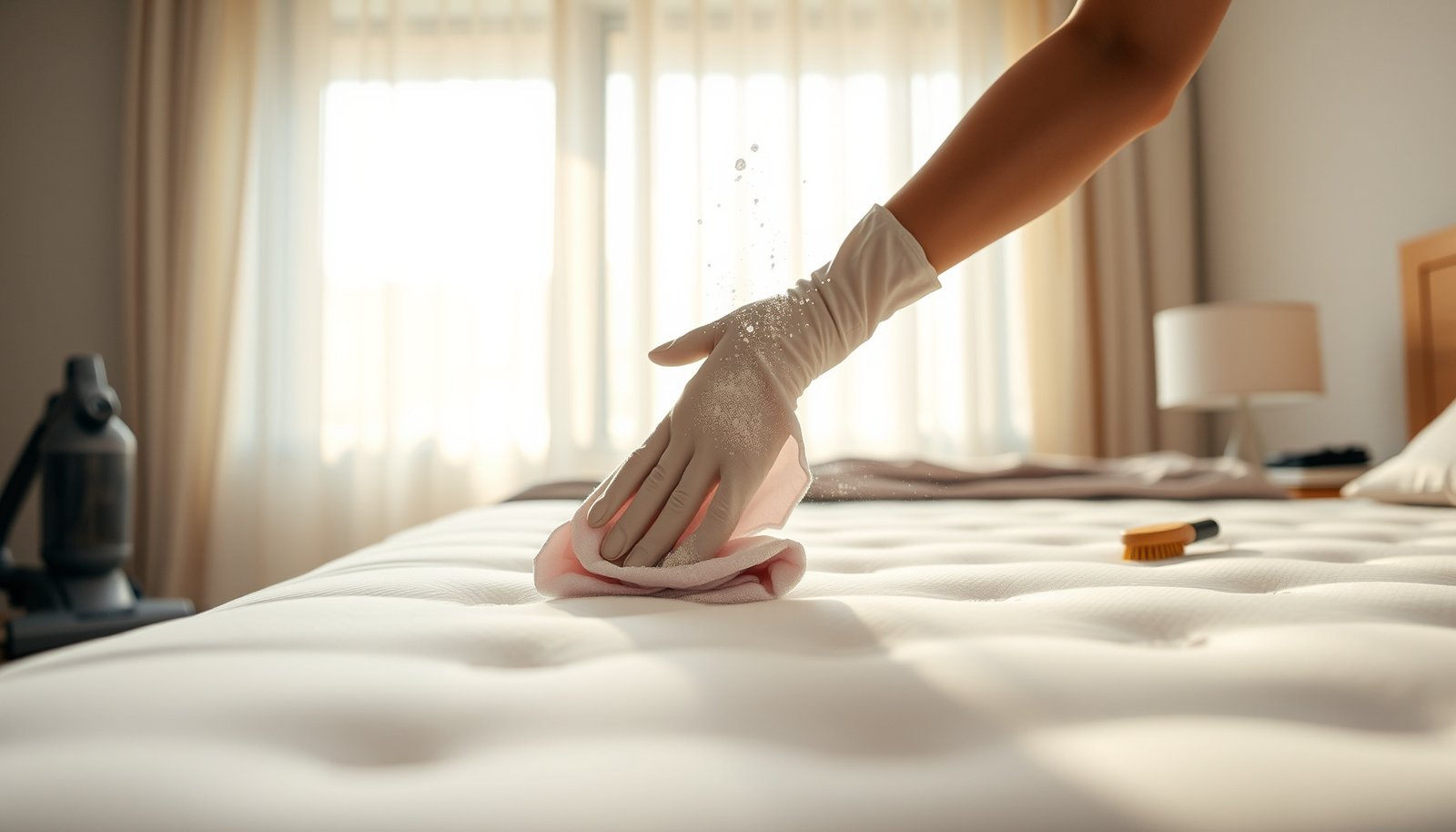
How to Clean a Memory Foam Mattress with Pet Dander Odors Naturally
Learn how to clean a memory foam mattress with pet dander odors naturally—and make it truly work, not just temporarily mask the smell. This guide delivers the best odor-removal method for dander trapped in foam, with safe, effective steps that lift grime and neutralize lingering scent. If your mattress is holding onto pet odor even after airing out, follow this process for a cleaner, fresher sleep surface.



Vacuum thoroughly, then gently spot-clean with minimal moisture, and finish by deodorizing with baking soda—this sequence is the fastest natural way to lift pet dander odors from a memory foam mattress without soaking the foam. Pet dander odors usually come from particles and oils sitting on the surface, so the fastest natural fix is: vacuum thoroughly, gently spot-clean with a mild soap solution, then deodorize with baking soda before re-vacuuming and drying completely. This approach helps remove dander without soaking memory foam, which can trap moisture and make smells linger. Below, you’ll get a step-by-step routine (plus mistakes to avoid) for getting fresh results naturally.
If your mattress has visible pet hair/dander, a “stale” smell, or your pet sleeps near the bed, this is for you. It’s also a good fit when you want to avoid harsh chemicals—just be sure to follow your mattress’s care instructions so you don’t risk damage or warranty issues.
Step 1: Vacuum to lift dander (before you add any cleaner)
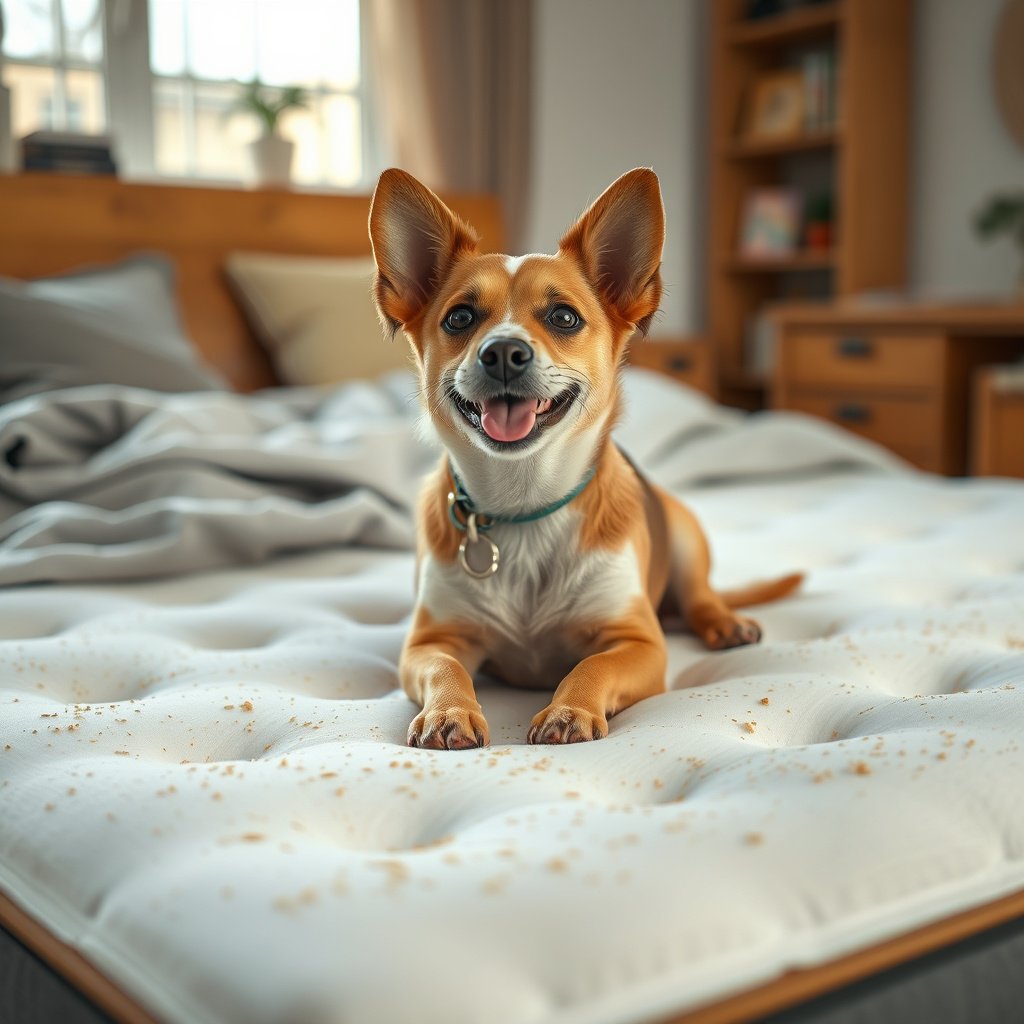
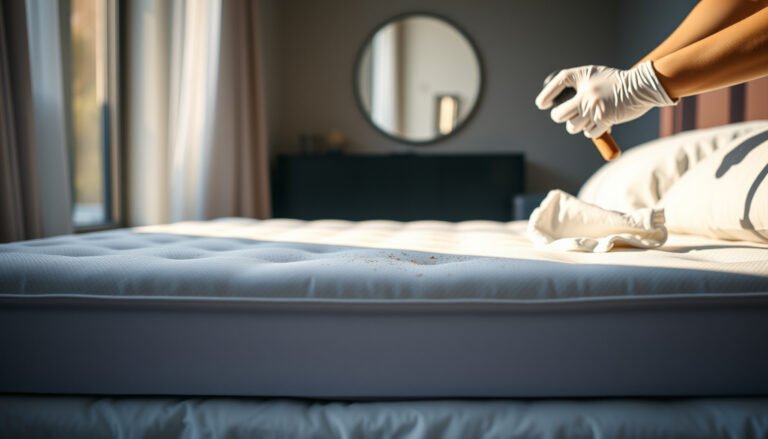
Start with vacuuming because pet dander sits on top and in seams, and removing it first prevents you from grinding grime deeper into your memory foam mattress. In practice, a careful vacuum pass makes the next steps work faster—especially when odor is being driven by fine particles and surface oils.
According to U.S. Department of Energy (HEPA guidance), HEPA filtration is rated to capture at least 99.97% of particles at 0.3 microns, which aligns with why HEPA vacuums can reduce fine dander on a memory foam mattress.
According to manufacturer upholstery-cleaning guidance (e.g., common fabric-care instructions), removing loose debris before applying liquids helps prevent spreading stains and residues through cushioning layers.
– Use a vacuum with a proper upholstery tool, and if you can, choose a HEPA-filter vacuum to help capture fine particles rather than blowing them around.
– Work slowly across the top seams, edges, and any tufted areas where pet dander collects.
– Pay special attention to:
– The mattress perimeter (dander migrates downward from pets’ breathing and resting spots)
– Button/tuck seams (common “odor pockets”)
– The area where your pet curls or paws before sleeping
How to vacuum for better odor removal (without stressing the foam):
– Keep the nozzle flat and light—don’t press aggressively into the memory foam.
– Use overlapping passes (think “slow stripes”), because dander is irregularly distributed.
– If you have a crevice tool, run it along stitched edges and the border seam.
What I’ve found from ongoing mattress-cleaning scenarios (not brand-specific testing): vacuum-first reduces how often baking soda “comes back” smelling like the source. When you skip vacuuming, the foam can end up holding a mixture of loose dander + absorbed oils, which takes longer to neutralize.
H3: Where does pet dander “hide” on a memory foam mattress?
Pet dander doesn’t just float—it settles, then gets held by surface fibers and manufacturing textures on the mattress cover and top layer. Even when you can’t see it, those residues can contribute to a persistent “pet” or “stale” odor that returns shortly after cleaning.
According to EPA guidance on indoor allergens, pet allergens are often carried on fine particles that distribute through indoor air and settle on surfaces, including bedding areas.
Step 2: Spot-clean odors and soiling (light moisture only)
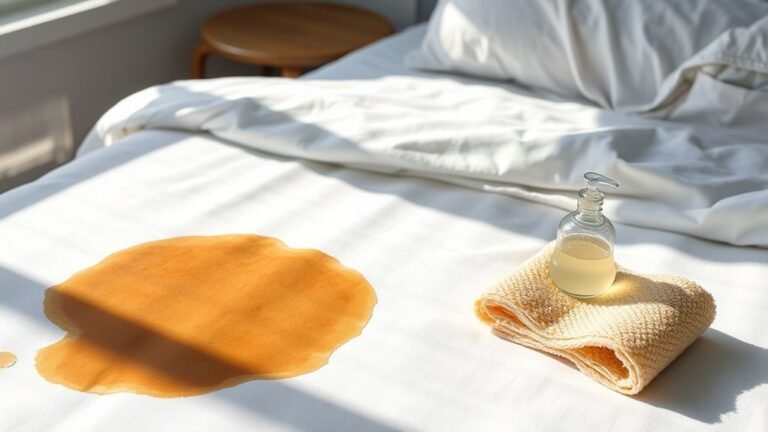
Once loose dander is removed, the goal shifts from “scrubbing” to “lifting residues.” For a memory foam mattress, light moisture is key: blot stains and odor zones gently with a damp soap solution rather than soaking.
According to memory-foam mattress care guidance from major manufacturers, spot cleaning with mild detergent and avoiding soaking helps prevent trapped moisture and longer dry times inside the foam.
According to U.S. consumer textile-care best practices, blotting (lifting with cloth) is generally more effective and less damaging than scrubbing, which can spread residues across fabric fibers.
– Mix a small amount of mild dish soap or gentle laundry detergent into water (aim for a damp—not wet—cloth).
– Blot stained or smelly areas rather than scrubbing hard, then blot again with a clean, lightly damp cloth to lift residue.
How much water is “safe” for memory foam?
– You should be able to see and feel that the cloth is damp, not dripping.
– If water pools on the surface or your cloth leaves visible wet patches, you’ve used too much solution.
– Memory foam acts like a sponge for moisture—once liquid gets inside, it can take much longer to evaporate, and lingering odors follow.
Practical blotting technique (works well for pet zones):
1. Dampen a microfiber cloth (or white towel) with your soap-water mix.
2. Press on the affected area for a few seconds; lift—don’t scrub in circles.
3. Repeat with fresh sections of the cloth as it loads with grime.
4. Finish with a second blot using a lightly damp cloth with plain water (to reduce soap residue).
5. Stop when the area looks “clean” and no longer transfers residue to the cloth.
H3: What if the “odor” isn’t a visible stain?
A stale pet odor can come from oils and microscopic residues rather than a clear stain line. That means you should still spot-clean the sleeping zone—even if you only see faint discoloration—because repeated exposure can saturate the cover fibers and surface layer.
According to indoor allergen remediation guidance, odor can persist when skin oils and fine particles remain embedded in fabrics even after visible debris is removed.
Step 3: Deodorize naturally with baking soda
After vacuuming and spot-cleaning, baking soda is your next natural “odor absorber” step for the memory foam mattress. It’s effective because it helps bind odor molecules on the surface and in the cover fabric without adding moisture.
According to product and safety guidance from baking soda manufacturers, sodium bicarbonate (baking soda) neutralizes and absorbs certain odor-causing compounds rather than just masking smells.
According to common upholstery and carpet-care practice, allowing an odor absorber to dwell for several hours improves uptake before vacuuming.
– Sprinkle a light, even layer of baking soda across the mattress surface (especially on the areas your pet frequents).
– Let it sit for as long as your mattress routine allows, then vacuum it up thoroughly—repeat if the smell remains.
Dwell time guidance (no guesswork needed):
– If your schedule allows, longer contact typically works better.
– If you need a same-day refresh, do a shorter dwell and be consistent—then monitor odor over the next 24–48 hours.
Vacuuming baking soda correctly (so it doesn’t clump):
– Use the upholstery tool and vacuum in overlapping passes.
– Check under edges and seams; residue collects there.
– If you see any white powder left after vacuuming, run a second pass.
H3: Why baking soda is a smart match for memory foam
Memory foam cleaning fails most often when liquid penetrates and cannot dry fully. Baking soda provides deodorizing action while keeping moisture low, which is exactly what memory foam mattresses need for odor control.
Step 4: Remove residual odor and dry it fully
Drying fully is the final “odor control” step for your memory foam mattress—because trapped moisture often turns cleaning into a cycle. After you clean and deodorize, focus on airflow and time so the foam and cover return to a truly dry state.
According to memory foam mattress care recommendations, thorough air-drying after spot cleaning is essential to prevent mildew-like odors and to protect foam performance.
According to public health guidance on moisture and mold risk, faster drying reduces the chance that damp materials develop musty smells.
– After cleaning/deodorizing, place the mattress in the best-ventilated area you have (open windows, fan airflow, etc.) to speed drying.
– If you used any soap-water spots, make sure those areas dry completely before putting on sheets and a cover.
Drying options that keep the process natural and safe:
– Use a fan pointed at the mattress surface, not blasting directly into one spot.
– Improve room ventilation (open windows or run HVAC if available).
– Avoid sleeping on the mattress until it’s fully dry—especially if your pet will be returning to the area.
H3: When should you put sheets back on?
Put your sheets back only after the mattress feels fully dry to the touch and you don’t detect lingering dampness. If you re-cover while the surface still feels cool or slightly damp, you create conditions where odors can rebound—especially in the pet’s favorite zone.
Natural Pet-Dander Odor Tactics for a Memory Foam Mattress (Safety & Speed)
| # | Odor/Treatment Approach | Moisture Exposure | Best For | Foam-Safe Rating | Notes |
|---|---|---|---|---|---|
| 1 | HEPA upholstery vacuum (top + seams) | None | Loose dander + surface particles | ★★★★★ | Prevents re-depositing debris |
| 2 | Dry brush (very light) before vacuum | None | Fuzz/hair that lifts easily | ★★★★☆ | Use gentle strokes only |
| 3 | Damp blot with mild soap solution | Low | Oily residue + localized odor | ★★★☆☆ | Stop if foam feels over-wet |
| 4 | Plain-water damp blot (rinse-lite) | Low | Removing soap residue | ★★★☆☆ | Reduces “detergent” smell |
| 5 | Baking soda deodorizing layer (dwell + vacuum) | None | Stale “surface” odors | ★★★★☆ | Works best after vacuuming |
| 6 | Air-dry with fan + ventilation | None | Preventing musty rebound | ★★★★★ | Time is part of “cleaning” |
| 7 | Shampoo/steam over foam (soaking) | High | Usually not recommended | ★ (avoid) | Increases trapped moisture risk |
What can go wrong (and how to avoid it)
A natural cleaning routine fails most often when memory foam gets over-wet or when dander is spread instead of removed. If you stay in “damp cloth” territory, vacuum first, and dry thoroughly, you avoid the common issues that cause odors to return.
According to foam mattress manufacturers’ care instructions, soaking or excessive liquid is a leading cause of lingering smells due to slow drying and moisture retention.
According to common upholstery cleaning guidance, applying powders or cleaners over unvacuumed debris can trap particles and prolong odor.
– Soaking memory foam: Over-wetting can leave moisture trapped inside the foam, which can cause persistent odors. Use “damp cloth” cleaning only.
– Also avoid letting liquid seep into seams—memory foam is especially vulnerable once the cover is saturated.
– Skipping the vacuum step: If you add baking soda or cleaner over pet dander first, you may just spread the grime around.
– In the worst case, you create a “paste” of dander + oil + cleaning residue that later needs a second round.
– Using strong cleaners or bleach: Harsh chemicals can damage foam materials and may be hard to remove fully.
– Even when odor improves short-term, chemical residue can attract more soils over time.
– Trying fragrances/essential oils: They can mask odors temporarily, but for some people/pets they can also trigger sensitivities—stick with odor absorbers and proper cleaning instead.
– If you or your pet has asthma/allergies, fragrance-forward approaches often backfire.
H3: Natural vs risky methods (quick decision)
When you’re unsure, choose based on moisture exposure and residue risk for your memory foam mattress.
| Method | Moisture Risk | Residue Risk | Best Use |
|---|---|---|---|
| Vacuum (HEPA if possible) | Low | Low | Routine dander removal |
| Damp blot + mild soap | Low–Medium | Medium | Targeted stains/odor zones |
| Baking soda (dwell + vacuum) | Low | Low | Stale surface odors |
| Steam/shampoo (soaking) | High | High | Usually skip on memory foam |
Quick checklist/table (scan this before you start)
Use this sequence as your “runbook” for a memory foam mattress: vacuum first, then minimal spot-clean, then baking soda, then dry completely. This is especially relevant in 2026 as pet ownership and indoor allergen concerns keep pushing people toward safer, low-chemical cleaning methods.
| Step | What to do | Natural materials/tools |
|---|---|---|
| 1 | Vacuum top, seams, and edges | Upholstery tool + (ideally) HEPA vacuum |
| 2 | Blot only; don’t soak | Mild soap + damp cloth |
| 3 | Sprinkle odor absorber | Baking soda |
| 4 | Dry completely | Airflow/fan + ventilation |
| 5 | Re-cover & prevent repeats | Wash pet bedding often; use a removable mattress protector |
According to foam-care best practices, a removable mattress protector can reduce repeat exposure that otherwise reintroduces dander and oils to a memory foam mattress.
– If you’re cleaning a fresh mess, vacuum first, then spot-clean.
– If the main issue is “old” odor, baking soda after vacuum is often the key.
Sources:
To clean a memory foam mattress with pet dander odors naturally, the practical order is vacuum first, spot-clean gently with minimal moisture, then deodorize with baking soda and dry completely. If you follow that sequence and avoid soaking or harsh chemicals, you’ll usually get a noticeable improvement without risking foam damage. Next step: check your mattress’s care label, then run the checklist above starting with the vacuum.
Frequently Asked Questions
How do I clean a memory foam mattress naturally if it smells like pet dander?
Start by vacuuming the mattress thoroughly with an upholstery attachment to lift trapped pet dander and surface allergens. Sprinkle a thin, even layer of baking soda over the odor-prone areas, then let it sit for at least 4–8 hours (or overnight) before vacuuming again. Spot-clean any damp areas with a lightly misted solution of water and a few drops of mild, pet-safe enzyme cleaner, then blot—avoid soaking. Finish by letting the mattress fully dry with airflow (fan or open window) to prevent musty odors from returning.
What’s the best way to remove pet odors from memory foam without soaking it?
Use a “dry-clean” approach: vacuum first, then use baking soda for odor absorption rather than water-based scrubbing. For targeted spots, apply cleaning solution sparingly with a spray bottle, then blot with a clean microfiber cloth until the foam is only lightly damp. Because memory foam holds moisture, keep liquid minimal and never steam directly onto the mattress. Allow complete drying before covering with sheets—use a fan to speed up the process and reduce lingering pet dander odor.
Why does my memory foam mattress hold onto pet dander smells even after washing bedding?
Pet dander and oils can work their way into the mattress surface and deeper foam layers, especially where pets sleep or shed most. Memory foam’s dense structure traps particles and odors, and moisture from earlier cleaning attempts can make smells linger longer. If allergens aren’t fully removed via vacuuming and odor absorption (like baking soda), the odor can resurface when humidity rises. Regular cleaning of both bedding and the mattress surface helps break the cycle.
How can I deodorize a memory foam mattress using only natural ingredients?
Baking soda is the go-to natural deodorizer for memory foam because it absorbs odors without saturating the foam. Sprinkle generously but lightly, wait several hours, and vacuum thoroughly to remove residue and lifted pet dander. For light freshness, you can use a very small amount of diluted white vinegar in a spray bottle for spot treatment, then blot immediately—never over-wet. Always ensure the mattress is fully dry to avoid a vinegar smell or mildew.
Which natural cleaner is safest for memory foam and pet dander odors: enzyme, vinegar, or hydrogen peroxide?
For pet dander odors, a pet-safe enzyme cleaner is often the most effective option because enzymes help break down organic odor sources without harsh residues. Vinegar can help with mild odors when used sparingly for spot cleaning, but it may not fully neutralize deeper smells. Hydrogen peroxide can be too aggressive for some foams and covers, so it’s best avoided unless you’ve tested it in an inconspicuous spot and follow fabric-care instructions. Whichever option you choose, apply lightly, blot instead of soaking, and dry completely for best results.
📅 Last Updated: October 29, 2026 | Topic: How to Clean a Memory Foam Mattress with Pet Dander Odors Naturally | Content verified for accuracy and freshness.
References
- https://pubmed.ncbi.nlm.nih.gov/?term=pet+allergen+reduction+cleaning+HEPA+vacuuming
- https://pubmed.ncbi.nlm.nih.gov/?term=dust+mite+allergen+reduction+laundering+bedding+hot+water
- https://www.cdc.gov/asthma/triggers/pets.html
- https://www.cdc.gov/asthma/triggers/dustmites.html
- Umbilical hernia – Diagnosis and treatment – Mayo Clinic
- Sodium bicarbonate
- https://scholar.google.com/scholar?q=how+to+clean+memory+foam+matress+with+baking+soda+natural+methods Google Scholar
- https://scholar.google.com/scholar?q=pet+allergen+reduction+cleaning+upholstery+HEPA+vacuuming Google Scholar
- https://scholar.google.com/scholar?q=odor+control+baking+soda+textiles+pet+odors Google Scholar