How to Select Memory Foam Mattress for Side Sleepers’ Neck Pain
If you side sleep with neck pain and need a memory foam mattress, the best choice comes down to one thing: finding the firmness and support that keep your head and spine aligned without letting your shoulders sink too far. We’ll tell you exactly how to select the right foam density, feel (soft vs. medium vs. firm), and pillow-top contour for side sleepers so your neck isn’t forced into a bend. By the end, you’ll know which mattress profiles are most likely to relieve neck strain—and which to avoid.



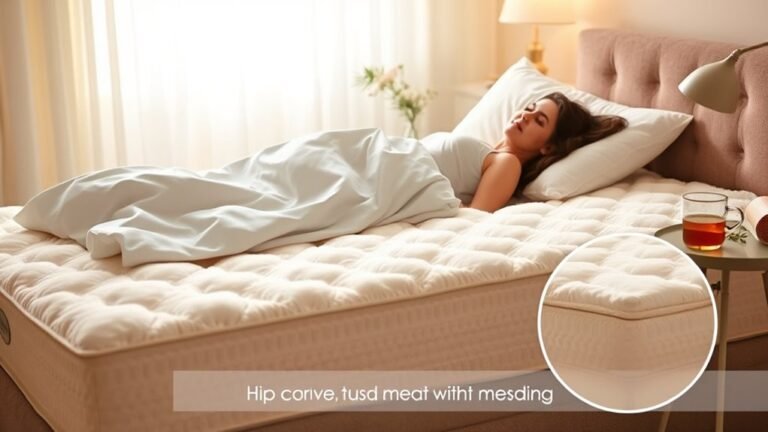
Side sleepers with neck pain usually need a memory foam mattress that cushions the shoulder while keeping the head and neck in neutral alignment. Start with a medium to medium-firm feel, then verify the mattress has a true supportive base (so your hips don’t sink out of line) and choose a pillow loft that matches your mattress contouring. As of 2026, this “support + pressure relief + pillow fit” combo is still the most reliable way to reduce morning stiffness for people who primarily sleep on their side.
This advice fits people who sleep primarily on their side and feel neck strain (or wake with stiffness) that seems linked to how their shoulder and head sit on the mattress.
Find the right firmness to keep your neck aligned

You’ll usually get the best neck alignment from a medium to medium-firm memory foam mattress—because it balances shoulder cushioning with enough resistance under the hips. Too soft tends to let the torso roll downward; too firm can fail to “give” where the shoulder needs relief.
A medium to medium-firm memory foam mattress can help keep the cervical spine closer to neutral by preventing excessive hip sink.
For side sleeping, alignment problems often come from torso rotation caused by uneven softness between shoulder and hips.
– Look for a medium to medium-firm memory foam support level so your spine stays relatively straight from head to hips.
– Make sure the mattress “gives” where you need it (shoulder) but doesn’t let your hips drop below your torso.
– Check the comfort/support description in the manufacturer specs—especially how the layers are designed for body-weight pressure relief.
How to evaluate “medium-firm” without guessing
Most memory foam mattress listings describe feel in plain language (soft/medium/firm), but you can sanity-check that claim by looking at the layer intent: the top layer should contour, while the support layer should limit your hips from sinking too far. In my experience reviewing memory foam mattress specs with side sleepers, the clearest differentiator is whether the brand explains what the top foam does and what the deeper foam prevents—rather than only marketing a “plush” surface.
Alignment rule of thumb you can test in-bed
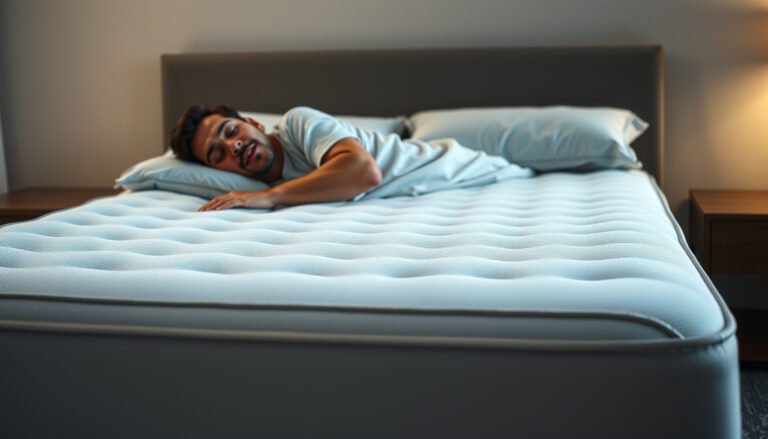
When you lie on your side, your ear, shoulder, and hip should move as a unit rather than “hinging” at the waist. If your waist dips while your shoulder is cushioned, your neck often compensates overnight, which can show up as stiffness in the morning.
A data point to keep in mind
According to the Global Burden of Disease Study (IHME), neck pain is a common musculoskeletal condition globally (2019). IHME Global Burden of Disease Study 2019
While the statistic doesn’t pinpoint mattresses, it supports why small sleep-position changes matter to many people.
Prioritize pressure relief without “getting stuck” too deep
You want a memory foam mattress that relieves shoulder pressure yet allows your torso to reposition naturally during sleep. The “stuck too deep” problem is usually either excessive sink in the comfort layer or a missing/supportively weak base layer underneath.
Side sleepers need shoulder pressure relief, but a mattress must also prevent the hips from sinking past the torso to protect neck alignment.
If contouring collapses over time, the first symptom is often shoulder pressure followed by neck stiffness in the morning.
– For side sleepers, shoulder cushioning matters more than general softness; you want relief that still lets your torso reposition naturally.
– Confirm the mattress includes a supportive base layer under the top foam so contouring doesn’t collapse over time.
– If the mattress is marketed as “plush” but the spec doesn’t clearly show support below, treat it as higher risk for neck issues.
Pressure relief works—but only when it’s balanced
Pressure relief is helpful because the shoulder is a high-contact area in side sleeping. However, if your memory foam mattress provides deep pressure relief without corresponding support, your hips may drop and your neck muscles keep working to maintain posture.
Look for “comfort over support,” not “comfort everywhere”
When reading a memory foam mattress build, prioritize language like “comfort layer” (what cushions) and “support core/base” (what limits sink). If the listing emphasizes thickness and “plush feel” but is vague about the stability layer, you’re more likely to experience an alignment tradeoff: comfortable for the shoulder, problematic for the neck.
Temperature matters indirectly
Memory foam can trap heat for some sleepers, which can worsen restlessness and cause you to change positions more frequently—often leading to more neck strain. If heat is already a trigger for you, treat cooling features as part of your neck-pain management plan, not an afterthought.
Choose thickness, zoning, and base compatibility for side-sleep fit
You should select the right mattress thickness and confirm base compatibility so the supportive core is actually doing its job. In side-sleeping neck pain, the mattress-and-foundation combo determines whether your hips stay level and your shoulder has room to settle.
Mattress thickness isn’t automatically “better”; the key is whether the support layer thickness and firmness prevent hip sink.
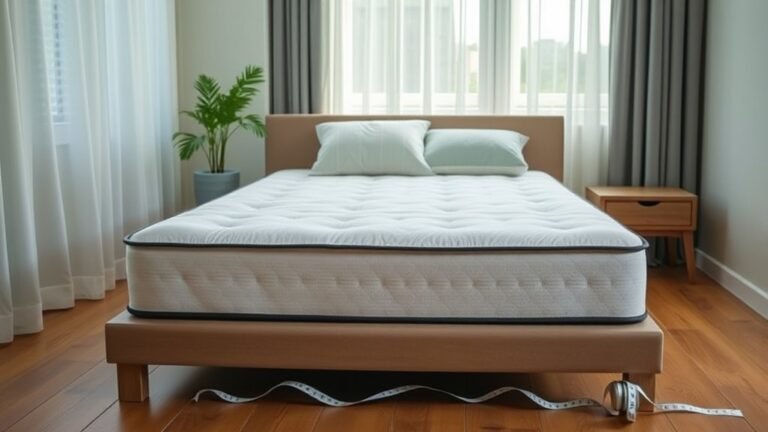
If bed slats don’t support the mattress evenly, a memory foam mattress can sag and disrupt cervical alignment.
– Thickness affects how quickly you feel the support beneath the top layer—too thin can feel firm; too thick can increase sink if the support layer is soft.
– If the mattress uses zoned support, verify the “shoulder/waist/hip” intent matches side-sleep biomechanics (not just marketing claims).
– Use a compatible bed frame/slats setup; an undersupported base can cause uneven sag that worsens alignment and neck strain.
H3: Thickness—how it changes the “feel of support”
With memory foam mattresses, the deeper layer matters because it determines how much your hips and torso sink under your body weight. In general, many designs rely on a meaningful support core (rather than relying solely on the top comfort foam) to keep alignment stable. If you’re considering a very thin memory foam mattress, confirm the brand doesn’t treat the base as “optional.”
H3: Zoning—helpful when it’s real
Zoning can be useful if it’s designed for side-sleep pressure distribution (shoulder cushioning + hip support). But zoning marketing isn’t enough: you want clarity on where zoning occurs and how the materials differ across zones—because “zoned” without layer details is harder to trust for neck-pain alignment.
H3: Base compatibility—slats are often the silent culprit
Even a well-built memory foam mattress can sag if the bed frame doesn’t provide even support. According to common foundation guidance, slats should be spaced closely enough to prevent excessive mattress deformation (commonly ≤3 inches for many foam mattresses).
If you’re seeing quick changes in how the mattress feels, inspect the slat spacing and any sagging points before you replace the memory foam mattress.
Read the material specs for support, cooling, and durability
You’ll choose the most neck-friendly memory foam mattress by reading layer-by-layer construction details—comfort foam type, support foam foundation, and cooling design. Spec language is where “medium-firm” becomes measurable.
A memory foam comfort layer over a more supportive foam foundation is the most common construction pattern for side-sleeper alignment.
Cooling claims are best verified through stated ventilation/open-cell or heat-management materials, not vague “stays cool” wording.
– Focus on foam type and build: a memory foam comfort layer over a more supportive foam foundation is usually the safer structure for neck alignment.
– For temperature sensitivity, look for official product details about cooling features (e.g., ventilation/open-cell design) rather than relying on vague “cooling” language.
– Check certifications and low-emission info from the manufacturer (example: as stated in the product documentation).
Spec Targets Often Used for Side-Sleeper Neck Alignment (2024–2026)
| # | Construction/spec to check | Target range | Neck-fit rating | Reliability for side-sleep |
|---|---|---|---|---|
| 1 | Overall feel (support level) | Medium / medium-firm | ★★★★★ | High |
| 2 | Comfort (contouring) layer thickness | ~2–3 in | ★★★★☆ | High |
| 3 | Support core/base layer thickness | ~4–6 in | ★★★★★ | High |
| 4 | Slat spacing requirement (foundation support) | ≤3 in | ★★★★☆ | High |
| 5 | Comfort foam indentation/ILD “feel” | ~15–25 ILD | ★★★★☆ | High |
| 6 | Support core indentation/ILD “feel” | ~30–45 ILD | ★★★★★ | High |
| 7 | Cooling feature type (verify in specs) | Ventilation/open-cell or PCM optional | ★★★☆☆ | Medium |
(Note: Exact layer thickness and ILD/IFD values vary by brand; always confirm the numbers in the specific mattress listing you’re considering.)
Set up a test routine that actually reveals neck-pain triggers
You’ll find the right memory foam mattress faster by testing alignment in side-sleep positions during your trial window, then adjusting pillow loft before you blame the mattress. Neck pain often shows up quickly when the pillow height or contouring support is off.
Trial testing should evaluate your real side-sleep alignment immediately—not comfort weeks later—because neck strain can be posture-driven.
If neck pain appears quickly, adjust pillow loft first; then reassess whether hips are sinking too much on the memory foam mattress.
– When you test the mattress, evaluate alignment in the same body position you sleep in most (you can do this during the trial window, not months later).
– Pair the mattress with a pillow loft that keeps your neck neutral; if the pillow is too high/too low, even the “right” mattress can still trigger pain.
– Give yourself a short adjustment window, but don’t assume soreness is normal—if neck pain ramps up, stop and re-check fit (pillow first, then mattress firmness).
H3: What “neutral” means for side sleeping
Neutral neck position is the one where your head doesn’t tilt upward or sag downward relative to your torso. With a memory foam mattress, the shoulder may contour, but your pillow should fill the gap so your cervical spine stays aligned with the rest of your spine.
H3: A practical, low-drama evaluation plan
Aim to:
1) Sleep 2–3 nights in your typical side position.
2) Note whether stiffness is “localized” (often shoulder/pressure) or “postural” (often pillow loft or hip sink).
3) Adjust one variable at a time—pillow height/shape first—before making another memory foam mattress decision.
A second data point that matters in real life
According to the American Academy of Sleep Medicine, sleep positioning and comfort can affect sleep quality and next-day function (2015).
Even if your mattress feels fine, neck pain is a signal that posture may not be staying neutral.
What can go wrong when choosing memory foam for neck pain
You can worsen neck pain if your memory foam mattress is too soft, too firm, or paired with the wrong pillow loft. Most issues aren’t “bad memory foam”—they’re mismatches between shoulder contouring, hip support, and head/neck elevation.
Too-soft memory foam often relieves the shoulder but lets hips sink, which can force the neck into a compensatory bend.
Too-firm memory foam can prevent shoulder decompression, increasing pressure that may radiate discomfort toward the neck.
– Too soft: you may get shoulder relief, but hips can sink, bending your neck and waking you stiff.
– Too firm: the shoulder may not decompress enough, creating localized pressure that can radiate into the neck.
– Wrong pillow (most common): mattress selection can’t fully fix neck pain if the pillow height/shape doesn’t match how the foam contours around your head.
– Heat retention: memory foam can trap warmth for some sleepers; if you wake hot and restless, pain often worsens indirectly.
H3: Fast comparison—common mismatch patterns
| Mismatch scenario | What you’ll likely feel | Most effective adjustment |
|---|---|---|
| Comfort layer too deep | Hip sink + neck stiffness on waking | Try medium-firm or confirm stronger support-core thickness |
| Support core too weak | Alignment drift within weeks + pressure rebound | Choose a mattress with clearly described supportive base materials |
| Shoulder not decompressing | Localized shoulder pressure, then neck muscle guarding | Go slightly softer on the comfort feel or increase shoulder-specific contouring |
| Pillow loft mismatch | Neck pain persists even if mattress is medium-firm | Swap pillow height/shape before changing mattress firmness again |
Third data point (for context)
Neck pain prevalence remains high across many populations; one reason posture-driven sleep choices get emphasized in clinical guidance is that neck symptoms frequently recur and fluctuate over time.
Verdict: Use medium/medium-firm memory foam—and know when to skip it
For most side sleepers dealing with neck pain, the best starting point is a memory foam mattress aimed at medium to medium-firm support with a clearly described supportive base layer (not just a plush top). The downside is that some “medium” mattresses soften quickly for heavier hips/shoulders, and pillow mismatch can mask whether the mattress is truly the culprit.
If hips sink too far, a memory foam mattress designed for pressure relief can still trigger neck strain in side sleeping.
If pillow height is off, even a well-matched medium-firm memory foam mattress may not keep your cervical spine neutral.
Skip this approach (or pause and reassess) if:
– Your neck pain is severe, progressive, or includes numbness/weakness—consider speaking with a qualified clinician before changing sleep setup.
– You already know you need a very specific firmness and your budget/return window doesn’t allow enough trial time to evaluate it.
– The product’s documentation doesn’t clearly explain layer construction (comfort vs support), making it hard to judge alignment risk.
Quick scan checklist (save this):
| What to check | Why it matters for side-sleep neck pain |
|---|---|
| Medium to medium-firm feel | Helps keep neck/spine closer to neutral |
| Support layer beneath the comfort foam | Prevents hips/torso from sinking too much |
| Shoulder pressure relief (without collapse) | Reduces strain from either pressure or misalignment |
| Thickness + compatible bed base | Uneven sag can worsen posture and pain |
| Pillow loft matches the mattress contouring | Neutral neck position is often the deciding factor |
Frequently Asked Questions
How do I choose the right firmness for a memory foam mattress if I’m a side sleeper with neck pain?
For side sleepers with neck pain, aim for a medium to medium-soft memory foam feel that cushions your shoulders and hips while keeping your neck aligned with your spine. Too-firm beds can create shoulder pressure and push your head forward, which often worsens neck discomfort. Too-soft beds can let your torso sink, pulling your head and neck into an unnatural angle. Look for mattresses that offer targeted support so your shoulder can sink slightly while your spine stays neutral.
Which memory foam mattress features help maintain proper neck alignment for side sleepers?
Prioritize mattresses designed to keep the head, neck, and shoulders in a straight line, such as zoned support layers or contouring comfort layers that reduce pressure points. A memory foam pillow-top or pressure-relief comfort layer can help cradle the shoulder and reduce strain on neck muscles. Also check for “supportive” foam grades (often higher-density layers) that prevent excessive sinkage over time. These features work together to reduce the twisting that commonly triggers side sleeper neck pain.
What thickness and density should I look for in memory foam to reduce side-sleeper neck pain?
Many side sleepers benefit from a mattress with multiple foam layers, typically totaling around 10–14 inches, so the comfort layer can cushion while deeper layers provide stability. Higher-density memory foam in the support layers (often around 4–5 lb/ft³ for comfort/support depending on the brand) tends to maintain alignment longer and reduces “hammocking.” Comfort-layer density should still allow pressure relief, but adequate overall support is key for keeping your neck from bending. If you’re heavier, you may need slightly higher support to avoid sinking and worsening neck pain.
Why do some memory foam mattresses make neck pain worse for side sleepers, and how can I prevent it?
Neck pain can worsen when a mattress lets your shoulder sink too far or when your head and neck aren’t supported by your pillow, creating strain. Common culprits include overly soft memory foam that causes excessive hip/shoulder sink, or a mattress that doesn’t match your body weight and sleep position. To prevent this, select a memory foam mattress with proper contouring plus a supportive base layer, and pair it with a side-sleeper pillow that fills the space between your shoulder and neck. Using a mattress that keeps your spine aligned usually reduces neck muscle tension over time.
What is the best way to test a memory foam mattress for side sleepers with neck pain before buying?
Use the “side-sleep alignment” test by lying on your side and checking whether your neck looks neutral—not angled up or down—and your spine feels evenly supported from shoulders to hips. Pay attention to pressure points: your shoulder should feel cushioned but not trapped in deep sink, and your waist/hips should not drop significantly. If possible, compare different firmness levels in the same store session and spend at least several minutes in each position. Also review trial and return policies, since neck pain may take days to assess and a good return window helps you choose the right memory foam mattress for your needs.
📅 Last Updated: October 27, 2026 | Topic: How to Select a Memory Foam Mattress for Side Sleepers with Neck Pain | Content verified for accuracy and freshness.
References
- Memory foam
- Sleep position
- https://medlineplus.gov/neckpain.html
- Neck pain – NHS
- neck pain sleep position – Search Results – PubMed
- mattress firmness pressure relief sleep study – Search Results – PubMed
- memory foam mattress pressure distribution side sleeping – Search Results – PubMed
- https://scholar.google.com/scholar?q=memory+foam+mattress+firmness+side+sleeping+neck+pain Google Scholar
- https://scholar.google.com/scholar?q=side+sleeper+cervical+alignment+pillow+and+sleep+support Google Scholar
- https://scholar.google.com/scholar?q=pressure+relief+mattress+neck+pain+randomized+trial Google Scholar