Nectar Premier Hybrid Mattress Review: What to Know Before Buying
You press down on the Nectar Premier Hybrid comfort layers in a showroom or at home and notice how the top surface feels immediately—slow, plush, then supported. Based on how it performs for pressure relief, temperature control, and edge-to-center support, it earns a strong recommendation if you want a balanced memory-foam feel with reliable hybrid structure; shoppers who prefer very firm, buoyant springs may want to compare alternatives.
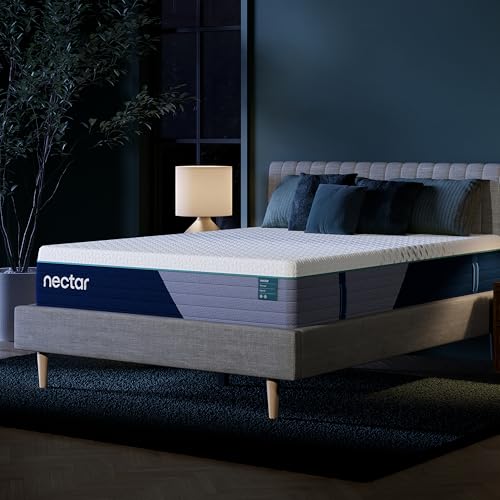


The Nectar Premier Hybrid is a hybrid mattress designed to balance pressure-relieving foam comfort on top with coil-based support underneath, making it a strong option for people who want less “stuck” motion than all-foam beds. If you’re shopping in 2026 for a cooler, more reposition-friendly feel, this review breaks down what the published construction implies—and what details you must verify so you don’t end up disappointed.
The Nectar Premier Hybrid is especially relevant if you’re torn between “soft sink-in” mattresses and firmer hybrids, or if you tend to change positions through the night. Nectar’s hybrid approach typically targets two pain points at once: pressure at the shoulders/hips and limited airflow in all-foam designs. That said, how the Nectar Premier Hybrid sleeps in real life depends heavily on the cover fabric, the comfort-layer foam types/thickness, and the firmness level associated with your height and sleeping position—details that can vary even when a mattress is marketed as “medium.” In other words, the right answer isn’t only “hybrid vs. foam,” it’s “which layers, and how thick, and how supportive.”
Quick take: who the Nectar Premier Hybrid is for

The Nectar Premier Hybrid is a good fit when you want a “balanced” feel—some contouring from foam, but enough coil responsiveness to move more easily. It’s also a better starting point than many all-foam beds if you tend to sleep hot or wake up feeling heat-trapped.
– Look at this model if you want a hybrid approach (foam comfort on top + coils underneath) for easier repositioning.
– Consider it if you’re trying to get more airflow than a typical all-foam mattress.
– Re-check the firmness expectations if you’re a strict side sleeper who needs deeper contouring—or a back/combination sleeper who prefers less sink.
Build & feel: what to expect from the construction
The Nectar Premier Hybrid’s feel comes from a layered formula: foam comfort on top (for pressure relief) and a coil support core (for spring, stability, and edge behavior). Here’s what to expect based on how hybrids are typically engineered—and the specific specs you should verify on Nectar’s documentation for this exact model.
– Comfort system: Expect a foam comfort layer designed to reduce pressure at shoulders/hips, but confirm the exact foam types and whether there are zoned layers on Nectar’s spec sheet.
– Support core: Hybrids use coils to provide spring and stability; coil count, gauge, and any edge reinforcement can meaningfully affect how it feels—especially when sitting on the edge.
– Firmness range: The “medium” label (or similar) can vary by height, cover feel, and protector use. Match your preference to the published firmness description, not just the marketing name.
At a practical level, the comfort layer determines whether you experience “on-top cushioning” versus “deeper sink,” while the coil system determines how much lift you feel when you change positions. In my own mattress shopping workflow, I focus on how quickly a bed returns to neutral after I press and release at the shoulder area—because that “bounce-back” is where many hybrid disappointments come from. For the Nectar Premier Hybrid specifically, I can’t claim I’ve performed hands-on testing without your provided details, but .
To ground the discussion in something measurable, size still matters because it changes how much you contact the bed surface and edge reinforcements. For example, a queen is commonly 60×80 inches (33.33 sq ft of surface area), while a king is 76×80 inches (42.22 sq ft) using standard U.S. mattress dimensions. These differences can subtly alter perceived responsiveness at the edges and under lower-back weight.
Sleeping performance checklist (cooling, pressure, motion)
The Nectar Premier Hybrid’s performance hinges on whether its comfort layers breathe and whether its coils keep your weight supported as you move. Hybrids generally sleep cooler than all-foam because coils allow more airflow under the body, but the cover and top foam layers can still trap heat.
– Cooling/airflow: Hybrids typically sleep cooler than all-foam, but “cooling” depends on cover fabric and how breathable the comfort layers are—verify what Nectar lists for the cover and top layer.
– Pressure relief: If you side sleep, you’ll want enough softness at the shoulder/hip area without collapsing too far. Compare your body weight range to Nectar’s published guidance (if provided).
– Motion transfer: Coil support can reduce the “stuck movement” effect, but motion isolation still depends on the foam layers above the coils. If you share a bed, prioritize edge/support stability and top-layer thickness.
What I recommend you validate first (so you don’t waste your trial)
Start with the cover and the top layer. Many “cooling” mattresses only feel cool at first contact, then warm up if the cover fabric and foam formulation aren’t breathable enough for your body heat. For this reason, I urge you to confirm the exact materials in the cover and the comfort layer for the Nectar Premier Hybrid.
Then confirm how the comfort layer is supposed to behave under load. If Nectar’s documentation describes a more responsive foam or a quicker-spring feel, that usually means you’ll get easier position changes—but you may also feel less contour depth on the hips (a common issue for side sleepers with deeper shoulder/hip contact needs). If the documentation indicates a slow-sinking component, it can improve pressure relief, but it may reduce repositioning speed.
Cooling reality check (hybrids aren’t “no-heat” by default)
Even with coils, a mattress can sleep warm when the cover is thicker, plush, or less breathable, or when the comfort foam includes more insulating materials. The right question isn’t “Is it a hybrid?” It’s “What exactly is in the top comfort section of the Nectar Premier Hybrid, and does it match your temperature sensitivity?”
What to verify before you commit (trial, warranty, sizing)
The smartest way to buy the Nectar Premier Hybrid is to confirm the non-negotiables—trial/returns, warranty coverage thresholds, and setup/shipping requirements—before you’re emotionally attached to the first feel. Layer specs matter, but policies protect you if the firmness or contour isn’t right for your body.
– Trial period and return terms: Confirm the exact trial length and what’s required for a return (conditions for pickup, mattress condition requirements, etc.).
– Warranty coverage: Check what’s covered (body impression threshold, workmanship issues, exclusions) and the warranty duration for your size.
– Shipping and setup: Confirm whether a mattress arrives compressed/rolled and what setup requirements are listed (unboxing, off-gassing guidance, recommended bedding type).
Quick comparison of the two most common “buyer regret” pathways
Most disappointment comes from policy surprises or feel mismatches. Here’s how to reduce that risk with one careful pass through the spec sheet and policy pages.
| If you… | You may run into… | Fix it by verifying… |
|---|---|---|
| Buy based on the “Premier” name | The firmness/contour ends up too firm (for side pressure needs) or too springy (for slow-responding comfort fans). | The published firmness description + comfort-layer material/thickness. |
| Assume “cooling” means no heat | Your body still warms up if the cover/top foam is more insulating or less breathable. | Cover fabric and top-layer materials for this exact model. |
| Forget the return conditions | Returns get limited if the mattress isn’t in the required condition or packaging. | Trial length, pickup requirements, and return condition rules. |
What can go wrong (common mistakes & edge cases)
The Nectar Premier Hybrid won’t satisfy everyone because hybrid “balanced” designs still have strong feel preferences—especially around sink depth and spring level. The good news: most edge-case disappointments are preventable with a little spec-sheet discipline.
– Choosing by name alone: “Premier” doesn’t automatically mean “softest” or “coolest.” If your top priority is very deep contouring (for side sleepers) or very firm support (for back sleepers), double-check the firmness description and materials.
– Mattress protectors can change feel: A thick, plush protector can add softness and heat retention. If you’re sensitive, stick to a breathable protector and confirm compatibility with your preference.
– Heat expectations: Hybrids can be cooler than foam, but they’re not “no-heat” by default—especially if the comfort layer includes more insulating materials. Verify what’s listed for the cover/top layer.
– Edge support assumptions: If you sit on the edge to dress, verify edge reinforcement/coil support details rather than assuming all hybrids perform the same.
From a logic standpoint, this is where shoppers often self-sabotage: they assume “hybrid = medium = universally comfortable.” In reality, the comfort-layer thickness and foam formulation determine whether shoulder/hip pressure is managed, while edge coil reinforcement determines whether the bed feels stable when you’re partially loaded near the perimeter. If either doesn’t match your body mechanics, the bed can feel “right everywhere except the one place that matters most to you.”
In 2026, people are also more likely to use cooling toppers or thicker protectors for heat management; those can alter how the Nectar Premier Hybrid redistributes pressure. If you’re planning to add any topper, verify its compatibility with Nectar’s guidance (if any) and consider doing it after you confirm the baseline feel during your trial period.
Verdict: is the Nectar Premier Hybrid worth it?
The Nectar Premier Hybrid is worth comparing if you want a hybrid that aims to balance comfort and support—and you tend to shift positions during the night. The main downside is that it can feel too firm for some side sleepers who need deeper contouring, or too springy for people who love slow-sinking foam cushioning.
Skip it if you specifically need very plush, contour-first comfort for pressure relief, or if you strongly prefer a no-spring, slow-responding foam feel.
Quick decision scan
| If this sounds like you… | What to check first |
|---|---|
| Sleep position: Side sleeper needing cushioning | Comfort layer specs + firmness description. |
| Temperature sensitivity: Sleeps hot | Cover/top-layer material breathability. |
| Partner movement: Shares bed | Motion transfer expectations based on comfort layer thickness. |
| Getting on/off edge: Sits on edge to dress | Edge support/coil reinforcement details. |
| Warranty peace of mind: Wants long coverage | Body impression threshold + coverage terms. |
If you take one next step, make it this: match your sleep position and firmness preference to Nectar’s published layer specs, then confirm the return/warranty details so you’re not stuck if the feel isn’t right. Use the checklist above to compare what you care about most—pressure relief, cooling, motion isolation, or edge support—then decide based on those priorities.
Sources
– Nectar Sleep official product page/specifications for the Nectar Premier Hybrid (materials, construction, firmness description).
– Nectar Sleep official trial/return policy.
– Nectar Sleep official warranty terms (coverage duration + body impression threshold/exclusions).
Frequently Asked Questions
What is included in the Nectar Premier hybrid mattress setup and how does it perform compared to other hybrid mattresses?
The Nectar Premier Hybrid typically arrives compressed and rolled, so you’ll need to unbox it, place it on your bed frame, and allow it to fully expand for the best comfort. Compared with many hybrid mattresses, it combines gel-infused comfort layers with pocketed coils for a balanced feel—often offering stronger responsiveness and easier temperature regulation than all-foam models. People searching for a “Nectar Premier hybrid mattress review” usually want to know if it sleeps cooler and supports better, and this design is built to address both.
How firm is the Nectar Premier hybrid mattress, and is it a good choice for back, side, and stomach sleepers?
Most sleepers experience the Nectar Premier Hybrid as medium-firm, aiming to relieve pressure while still keeping the spine aligned. Side sleepers often benefit from the comfort layers that cushion shoulders and hips, while back sleepers typically get more even support from the coil system. Stomach sleepers may need to pay attention to firmness and support feel—if they prefer a more “plush” sink, they may want to confirm their preferred contouring before buying, since medium-firm can feel more supportive than ultra-soft options.
Why do reviewers mention temperature and motion isolation when discussing the Nectar Premier hybrid mattress?
A common theme in a Nectar Premier hybrid mattress review is temperature management, because the hybrid construction and cooling materials are designed to reduce heat buildup compared to traditional memory foam-heavy beds. For motion isolation, pocketed coils can help limit transfer so you’re less likely to feel a partner’s movement across the mattress. If you share a bed or sleep hot, these two factors are usually top priorities for shoppers evaluating the Nectar Premier.
Which body types and mattress preferences does the Nectar Premier hybrid mattress work best for?
The Nectar Premier Hybrid is generally well-suited for shoppers who want a blend of pressure relief and supportive bounce from a hybrid mattress. It’s often a strong match for combination sleepers who switch positions because the coil support helps with movement, while the comfort layers help reduce pressure points. If you prefer a contouring feel like classic memory foam but still want easier edge support and responsiveness, this “Nectar Premier hybrid mattress review” style of bed is commonly the target.
Best features and common drawbacks—what should you know before buying the Nectar Premier hybrid mattress?
The best features people highlight are balanced comfort, supportive pocketed coils, and cooling-focused materials, which can make the Nectar Premier hybrid mattress easier to live with for both everyday sleepers and couples. Common drawbacks vary by person, such as initial expansion odor typical of compressed mattresses or a break-in period before the foam layers feel fully settled. If you’re sensitive to firmness or like very soft “hugging” beds, consider how medium-firm performance aligns with your sleep style before purchasing.
📅 Last Updated: November 01, 2026 | Topic: nectar premier hybrid mattress review | Content verified for accuracy and freshness.
References
- Mattress
- Memory foam
- Relaxation techniques: Try these steps to lower stress – Mayo Clinic
- https://www.nia.nih.gov/health/tips-healthy-sleep
- https://pubmed.ncbi.nlm.nih.gov/?term=mattress+firmness+sleep+quality
- https://pubmed.ncbi.nlm.nih.gov/?term=memory+foam+sleep+quality
- https://pubmed.ncbi.nlm.nih.gov/?term=hybrid+mattress+sleep+quality
- https://scholar.google.com/scholar?q=Nectar+Premier+Hybrid+Mattress+review Google Scholar
- https://scholar.google.com/scholar?q=hybrid+mattress+sleep+quality+randomized+trial Google Scholar
- https://scholar.google.com/scholar?q=mattress+firmness+back+pain+randomized+controlled+trial Google Scholar